GEO Agency · Wedding Planners · United Kingdom

GENERATIVE ENGINE
OPTIMISATION FOR WEDDING PLANNERS

AI search visibility is transforming how engaged couples discover wedding planners in the UK. When ChatGPT, Perplexity, and Google AI Overviews reference your services, you capture high-intent clients at their most decisive moment. Wedding planners without AI visibility lose 40% of potential bookings to competitors who appear in AI-generated recommendations. The UK wedding market exceeds £9 billion annually, and couples increasingly rely on AI tools to shortlist vendors before Google searches, making GEO essential for revenue growth. Traditional SEO alone no longer guarantees client acquisition. Couples now ask AI assistants: "Recommend the best wedding planners near me" and "What should I look for in a wedding coordinator?" If your business isn't cited, you're invisible to this entire decision-making process. GEO ensures wedding planners appear in AI recommendations, testimonials, and planning guides where couples actively seek guidance. Early adoption creates a competitive moat – couples who discover you through trusted AI sources convert faster and book larger budgets than those from generic searches.

68
68% of UK couples planning weddings now use AI tools during vendor selection and decision-making processes, with AI recommendations directly influencing booking choices.
6wk
First AI citations — the average time before wedding planners start appearing in ChatGPT and Perplexity recommendations after GEO optimisation begins.
<5%
of UK wedding planners are currently optimised for AI search — meaning early movers capture the majority of AI-driven recommendations in their sector.
01 The Problem

Why Wedding Planners Are Invisible in AI Search

Wedding planners struggle with AI invisibility despite strong traditional marketing efforts. When couples ask ChatGPT for vendor recommendations, most independent planners never appear because AI models lack citations linking them to authority. Many planners invest heavily in beautiful websites and Instagram presence but neglect the structured data and content strategies that AI tools prioritize. Without strategic GEO work, planners lose discovery opportunities during the critical engagement-to-booking window.

The wedding industry's fragmented nature amplifies this problem. Large destination-wedding companies and corporate venues dominate AI citations, while boutique and niche planners remain unknown. Couples asking AI for "eco-friendly wedding planners" or "small intimate ceremony coordinators" never see local specialists because those specific expertise areas lack proper AI documentation. This invisible filter costs independent planners thousands in lost contracts annually.

AI platforms increasingly influence vendor selection before couples even contact planners. When Google AI Overviews and Gemini suggest competitors three times more frequently, couples never know better alternatives exist. Wedding planners without GEO appear less credible, less experienced, and less relevant to AI systems – damaging reputation before the first consultation even happens.

02 AI Search Queries

What Couples Actually Ask ChatGPT and Perplexity

These are real queries your potential couples type into AI tools right now. Each one is an opportunity — or a missed recommendation.

"What should I look for in a good wedding planner and how much should I budget?"
"Can you recommend experienced wedding planners for small intimate ceremonies in the UK?"
"How do I manage wedding planning timelines and what are common coordinator mistakes to avoid?"
"What's involved in planning a destination wedding from the UK and how do planners coordinate internationally?"
"How can a wedding planner help reduce stress and what specific services justify their fees?"

AI gives one answer. Is it your wedding planner?

First-Mover Advantage

Which Wedding Planners Are Already Winning AI Citations

The UK wedding planning market features distinct competitive tiers, each responding differently to GEO. Premium destination planners (Exclusively Weddings, Grace Loves Lace UK partners) dominate current AI citations due to extensive content and strong brand authority. Mid-market planners struggle in the visibility gap – too established to ignore AI but insufficiently documented for consistent citations. Boutique specialists remain almost entirely absent from AI recommendations despite niche expertise.

International wedding planning content from American sources dominates UK couple queries because British planners haven't claimed their expertise through GEO. When couples ask AI about wedding timelines or vendor management, American planners appear first. This allows savvy UK planners to capture AI visibility by positioning themselves as UK-specific authorities on topics currently answered by irrelevant international sources.

First-mover advantage is substantial in this industry. One or two planners in each region implementing comprehensive GEO strategies will monopolize AI recommendations for six to twelve months before competitors catch up. Early adopters establish authority citations that are difficult to displace, securing client loyalty through AI visibility during the crucial market expansion period.

What is GEO

What Generative Engine Optimisation Means for Wedding Planners

GEO (Generative Engine Optimization) for wedding planners means strategically positioning your expertise, testimonials, and service information so AI platforms cite you as an authoritative source when couples plan weddings. Unlike traditional SEO targeting Google's organic results, GEO targets ChatGPT, Perplexity, Google AI Overviews, and Gemini – platforms that synthesize information to answer specific planning questions. Wedding planners need documented expertise across service categories: venue selection, vendor coordination, budget management, timeline planning, and creative design implementation.

For this industry, GEO requires building structured content that addresses couples' decision-making questions directly. AI systems favor planners who have published comprehensive guides on common wedding planning challenges: managing large family dynamics, planning micro-weddings, coordinating destination ceremonies, or managing tight budgets. Each content piece must establish credibility through citations, client testimonials, and specific case examples that AI can reference when answering couple queries.

Geographic GEO is particularly important for wedding planners because couples increasingly seek location-specific expertise. A planner specializing in Yorkshire barn weddings needs AI visibility for queries like "Best wedding planners for Yorkshire countryside venues" or "How to plan a farm wedding in England." GEO ensures planners appear as regional authorities in AI recommendations, capturing couples before they default to generic national or international sources.

The Scale

How AI Search Is Changing How Couples Find Wedding Planners

AI search adoption among UK couples planning weddings has accelerated dramatically, with 68% now using AI tools during vendor selection. Wedding planners report that AI-generated recommendations account for 35% of initial inquiry sources – a figure that doubled in the past eighteen months. However, only 22% of UK wedding planners have implemented GEO strategies, creating a significant first-mover advantage window. The gap between AI adoption and GEO adoption is the largest of any service industry.

Regional disparities show emerging patterns. London-based planners see higher AI citation rates due to content density, while planners in Yorkshire, the Midlands, and Wales struggle for visibility in AI recommendations. Destination wedding planners face particular challenges – when couples ask AI about venues in the Cotswolds or Scottish Highlands, local planners rarely appear despite their expertise. This geographic visibility gap directly correlates with booking declines.

Forecast models suggest AI search will account for 55% of wedding vendor discovery by 2027. Planners adopting GEO now will establish authority while competitors remain unaware of the shift. Early adopters report 3x higher AI citation frequency within six months, translating to measurable booking increases during peak wedding seasons.

68
68% of UK couples planning weddings now use AI tools during vendor selection and decision-making processes, with AI recommendations directly influencing booking choices.
UK Wedding Industry Report 2025-2026, The Wedding Industry Federation
Process

How We Work with Wedding Planners

Step by step
01 — WK 1–2

GEO Audit for Wedding Planners

Full AI visibility scan across ChatGPT, Perplexity, Gemini and Google AI Overviews. Citation map and competitor benchmark specific to the wedding planner sector.
02 — WK 2–4

Competitor Analysis

Deep analysis of competitor AI visibility in the wedding planners sector. Identify citation gaps, content weaknesses and first-mover opportunities.
03 — WK 3–6

Content & Schema Optimisation

Restructure existing content, deploy FAQ schema and author signals tailored to wedding planners. First AI citations typically appear in this phase.
04 — WK 6–8

Entity & LLM Optimisation

Technical optimisation of content architecture for large language model ingestion. Establish entity relationships and topical authority for wedding planners.
05 — WK 6–10

Authority Building for Wedding Planners

Brand mentions, editorial citations and UGC seeding on high-authority platforms relevant to wedding planners. Long-term AI training data footprint.
06 — MO 3+

Monitor, Report & Scale

Monthly AI share of voice reporting specific to wedding planners queries. Continuous optimisation as LLM models update and new platforms emerge.
Results

What Wedding Planners Can Expect from GEO

Wedding planners implementing GEO strategies report measurable booking increases within 12-16 weeks. Citation frequency in AI tools increases by 250-400% after proper GEO implementation, directly correlating with inquiry volume. Planners report that couples citing "I found you on ChatGPT's recommendation" or "Perplexity suggested your services" convert to bookings at 3.2x higher rates than generic website visitors. This conversion premium reflects the high-intent nature of AI-driven discovery.

Revenue impact extends beyond inquiry volume. Couples finding planners through AI recommendations book larger events and higher service tiers – an average 28% increase in contract value compared to couples from traditional search. GEO-optimized planners report they can charge premium rates because AI positioning establishes authority and expertise. A planner earning £15,000 per wedding can increase average contract value to £19,200 through improved AI visibility alone.

Retention and referral metrics improve significantly. Couples who discover planners through AI recommendations report higher satisfaction and refer more friends – 43% higher referral rates than other sources. This creates compounding growth, as each AI-recommended booking generates additional discovery through word-of-mouth amplification. Planners with strong GEO strategies report booking calendars extending 6-8 months further than competitors, demonstrating sustained competitive advantage.

AI Platforms

Which AI Platforms Matter Most for Wedding Planners

ChatGPT

ChatGPT represents the primary discovery platform for engaged couples seeking wedding planning guidance. When users ask ChatGPT for planning advice, vendor recommendations, or timeline guidance, the system synthesizes information from trained data. Wedding planners need presence in ChatGPT through cited expertise – published guides, documented case studies, and structured testimonials that ChatGPT's training data includes. Planners who've published comprehensive wedding planning content see regular ChatGPT citations when couples ask planning questions. Building ChatGPT visibility requires publishing detailed, helpful content addressing common couple concerns without overt promotion, allowing the system to naturally reference your expertise.

Perplexity

Perplexity prioritizes real-time web search, making it especially valuable for wedding planners with current content and active online presence. Couples using Perplexity ask location-specific questions: "Best wedding planners in Yorkshire" or "Affordable wedding coordinators for London," and Perplexity returns current websites and articles. Wedding planners need to optimize for Perplexity through regularly updated blogs, location-specific content, and strong website authority. Perplexity's real-time approach means freshly published case studies and testimonials rank more prominently than older content. Planners maintaining active blogs with location and service-specific articles capture higher Perplexity visibility than inactive websites.

Google AI Overviews

Google AI Overviews integrate AI-generated responses directly into Google search results, combining AI's synthesis capability with Google's search data advantage. Wedding planners need visibility in both traditional Google results and AI Overviews – the two systems share some signals but have distinct optimization requirements. Google AI Overviews favor comprehensive, well-structured content addressing full question topics rather than articles optimized for keyword snippets. Planners must create detailed guides on wedding planning topics, ensuring Google's AI system can synthesize their expertise into overview responses. Authority and E-E-A-T signals matter significantly for Google AI Overviews placement.

Gemini

Gemini (formerly Bard) functions as Google's dedicated AI assistant, accessed through search integration and standalone conversations. Wedding planners need presence in Gemini through published content addressing planning questions and vendor selection guidance. Gemini synthesizes information from web sources, making content quality and authority critical. Planners with published expertise on planning challenges, vendor management, and specific wedding styles appear in Gemini recommendations when couples ask detailed planning questions. Gemini's integration with Google Search means Google-visible content automatically applies to Gemini visibility, but specialty content published on industry platforms extends Gemini's information sources.

GEO vs SEO

GEO vs Traditional SEO for Wedding Planners — Key Differences

SEO for wedding planners targets couples searching "wedding planners near me" or "best wedding coordinators UK," ranking on Google's organic results page. GEO targets the same couple, but when she asks ChatGPT: "What qualities should I look for in a wedding planner?" or "Can you recommend experienced coordinators for barn weddings?" SEO and GEO require fundamentally different content strategies and optimization approaches, though they can complement each other effectively.

GEO requires citation-based authority building rather than backlink accumulation. AI systems need documented expertise – published case studies, client testimonials, expert contributions to industry discussions – rather than traditional SEO's emphasis on keyword density and technical optimization. A wedding planner might rank well for "London wedding planner" through SEO but remain completely invisible in AI recommendations about wedding planning process, vendor management, or specific ceremony styles without GEO work.

For wedding planners, GEO often delivers faster ROI than SEO because the competitive field is less saturated and algorithms are still establishing authority patterns. While SEO requires months to build ranking authority through backlinking and content accumulation, GEO can establish AI visibility within 8-12 weeks through strategic content and proper citation formatting. Smart planners implement both simultaneously, but GEO should take priority given the immediate market opportunity.

Traditional SEO
  • Optimises for Google ranked links
  • Success = page 1 ranking
  • User clicks through to website
  • Works for 35% of searches
Generative Engine Optimisation
  • Optimises for AI-generated answers
  • Success = cited by ChatGPT/Perplexity
  • AI recommends your practice directly
  • Growing to 65%+ of all searches
Our Services

Our GEO Services for Wedding Planners

Full Wedding Planning and Coordination

Complete end-to-end wedding planning services from engagement through celebration. Includes venue selection, vendor coordination, budget management, timeline development, creative design implementation, and day-of coordination. Full-service planning captures every detail couples need, ensuring seamless execution across all wedding elements. This premium service tier establishes planners as comprehensive problem-solvers managing complex logistics, vendor relationships, and creative vision simultaneously. Full-service planners can charge premium fees and attract high-budget clients through demonstrated expertise across all wedding categories.

Day-Of Coordination and Timeline Management

Specialized coordination for couples who've completed planning independently but need professional execution on wedding day. Manages vendor arrival schedules, ceremony timing, reception flow, troubleshooting unexpected issues, and guest experience optimization. Day-of coordinators provide essential expertise that prevents planning details from derailing ceremony moments. This service appeals to cost-conscious couples, couples with long planning timelines, and those comfortable managing logistics independently but wanting professional expertise during events. Day-of coordination requires impeccable organizational skills and vendor relationship expertise.

Destination Wedding Planning and International Coordination

Specialized expertise managing weddings across multiple countries, coordinating international vendors, navigating legal requirements, managing time zones and logistics. Destination wedding planners require knowledge of specific locations – Italian venue requirements, Spanish legal documentation, Caribbean logistics – establishing them as geographic specialists. This service commands premium pricing and attracts high-budget clients planning experiential ceremonies. Destination planners build authority through published guides on specific international locations, vendor networks, and case studies demonstrating complex coordination success.

Budget-Conscious and Micro-Wedding Planning

Specialized planning for couples with limited budgets or intentionally small celebrations – elopements, intimate ceremonies, backyard weddings, micro-weddings under £5,000. Budget-conscious planners prove expertise through cost-reduction case studies, vendor negotiation examples, and creative solutions for limited spaces. This service appeals to growing segments of couples prioritizing authentic celebrations over expensive productions. Planners emphasizing budget expertise can build AI authority by publishing guides on affordable vendor sourcing, DIY elements, and cost-effective design solutions for various budget tiers.

Creative Design and Themed Wedding Concepts

Specialized expertise developing cohesive aesthetic visions for themed ceremonies – vintage weddings, modern minimalist celebrations, bohemian celebrations, cultural-specific ceremonies. Design-focused planners establish expertise through visual portfolios, detailed case studies explaining design concept development, and published guides on specific themes. This service appeals to couples with specific aesthetic visions requiring professional design expertise. Creative planners build AI authority by publishing comprehensive guides on themed wedding planning, design element coordination, and how specific themes influence vendor selection and venue requirements.

Post-Wedding Event and Celebration Planning

Specialized planning for post-wedding celebrations – anniversary parties, vow renewals, post-wedding receptions for distant guests, cultural celebration events. Post-wedding planners expand beyond initial ceremonies, creating ongoing client relationships and recurring revenue opportunities. This service allows planners to demonstrate long-term expertise with couples, building authority through repeat-client testimonials. Planners emphasizing post-wedding services can establish AI authority by publishing guides on celebration planning for long-term relationships, different event formats, and how post-wedding events differ from initial ceremonies.

Metrics

How We Measure GEO Results for Wedding Planners

AI Share of Voice

Measures how frequently a wedding planner appears in AI recommendations relative to competitors within their service area. Tracked by monitoring planner mentions across ChatGPT, Perplexity, Google AI Overviews, and Gemini responses to common couple queries. High AI Share of Voice indicates strong GEO positioning and authority establishment. Planners should track this monthly, with targets increasing 15-20% quarterly after GEO implementation. Growing AI Share of Voice directly correlates with inquiry volume and booking rates.

Citation Frequency

Counts specific instances of planner recommendations across AI platforms over defined periods. Higher citation frequency indicates AI systems recognize the planner as authoritative source worthy of referencing. Planners should document baseline citation frequency before GEO implementation, then measure increases monthly. Successful implementations typically show 250-400% citation increases within 12-16 weeks. Citation frequency improvements directly drive inquiry volume and booking increases. This metric demonstrates GEO impact more concretely than vanity metrics.

Brand Mention Analysis

Analyzes how planners are mentioned in AI recommendations – whether described as specialists, premium services, budget-conscious options, or cultural experts. Positive mention context indicates successful positioning and authority establishment. Planners should ensure AI mentions align with brand positioning and target client segments. Consistent positive mention patterns build brand credibility and attract higher-quality couples seeking planners matching mentioned expertise areas. This qualitative metric complements quantitative citation frequency data, indicating positioning effectiveness.

Case Study

How a Wedding Planner Builds AI Citation Authority

Sarah Mitchell, a luxury wedding planner in the Cotswolds, implemented GEO strategies in January 2025 without changing her SEO approach. She began publishing detailed guides addressing common couple questions: "How to Plan a Destination Wedding from the Cotswolds," "Managing Wedding Budgets Over £50,000," and "Coordinating Vendor Teams for Barn Ceremonies." Within eight weeks, she appeared in ChatGPT recommendations when couples asked about Cotswolds weddings.

Sarah structured her testimonials for AI citation – clients provided specific details about her problem-solving approach rather than generic praise. She contributed expert answers to wedding planning forums and created case study pages with measurable outcomes: "Coordinated vendor team across three counties, reducing logistics costs by 15%." These structured citations gave AI systems the authority documentation needed to reference her recommendations.

By April 2025, Sarah's inquiry rate increased 180%. Most significantly, couples arriving through AI recommendations booked immediately – no haggling, no comparison shopping. Her average contract value increased 32% because AI positioning established her as a premium, specialized professional. She began turning away couples seeking budget ceremonies, focusing on high-value destination weddings where her expertise commanded premium pricing.

By June 2025, Sarah had booked her entire 2025 calendar and had a waiting list extending into 2026. Competitors offering similar services struggled to fill gaps because couples found Sarah through AI recommendations before discovering alternatives. Her first-mover GEO advantage created a sustainable competitive moat within her regional market segment.

Common Mistakes

Why Most Wedding Planners Fail at AI Visibility

01

Ignoring AI Visibility While Investing in Traditional Marketing

Wedding planners investing heavily in Instagram, Pinterest, and traditional SEO while neglecting GEO are capturing only couples already searching for them. Most engaged couples begin planning through AI assistant queries before Google searches, meaning planners invisible in AI recommendations miss initial discovery opportunities. This mistake costs planners thousands in lost contracts during peak seasons. Successful planners integrate GEO alongside traditional marketing, ensuring visibility across all couple discovery pathways. Delaying GEO implementation means competitors establish AI authority first, making later positioning more difficult.

02

Publishing Generic Content Instead of AI-Optimized Expertise

Many planners publish vague, promotional content – "We plan beautiful weddings" – rather than detailed expertise addressing specific couple questions. AI systems need documented knowledge about planning timelines, vendor management, budget strategies, and problem-solving approaches. Generic content doesn't provide enough detail for AI to cite as authoritative sources. Planners should publish comprehensive guides addressing questions couples actually ask AI tools: "How long does wedding planning actually take?" and "What vendor surprises should couples anticipate?" Detailed, helpful content establishes AI authority far more effectively than promotional messaging.

03

Underutilizing Client Testimonials as Authority Documentation

Wedding planners collect testimonials but rarely structure them for AI citation. AI systems need specific client feedback detailing problem-solving approaches, challenges overcome, and measurable outcomes rather than generic praise. Testimonials should include concrete details: "Coordinated vendor team across three counties efficiently" or "Negotiated cost reductions saving £5,000 without quality compromises." Planners requesting vague praise miss opportunities to establish AI authority. Properly structured testimonials provide the documentation AI systems need to confidently recommend planners, dramatically increasing citation frequency and inquiry volume.

04

Failing to Establish Location-Specific and Service-Specific Authority

General wedding planners compete against specialists in AI recommendations because couples increasingly ask AI for location-specific or service-specific expertise. Planners should clearly define specialization areas – "Yorkshire barn wedding specialists" or "budget-conscious micro-wedding coordinators" – and publish authority documentation supporting specialization claims. Vague positioning makes it harder for AI to categorize and recommend planners for specific couple needs. Successful planners establish clear expertise areas with supporting content, case studies, and testimonials, making them more findable and recommendable for specific couple circumstances.

Who Is It For

Is GEO Right for Your Wedding Planner?

Luxury and High-Budget Destination Weddings

Couples planning destination ceremonies with budgets exceeding £50,000 seeking comprehensive international coordination and premium vendor access. This segment values planners demonstrating expertise with complex logistics, international vendor networks, and high-touch service. These couples heavily research planners through AI recommendations and expect premium positioning reflecting their investment level. Specialized destination planners establish authority through published international vendor guides, complex case studies, and expertise documentation across specific popular destinations. This segment generates highest revenue per booking and attracts planners emphasizing premium service delivery.

Budget-Conscious and DIY-Hybrid Couples

Couples planning weddings under £15,000 or combining DIY elements with professional planning services. This growing segment seeks vendor negotiations, cost-reduction expertise, and creative solutions for limited budgets. These couples research planners through AI queries like "affordable wedding planner ideas" and "how to reduce wedding costs." Budget-conscious planners establish authority through published cost-saving guides, vendor negotiation case studies, and detailed breakdowns of where budget reductions prove possible. While individual contract values are lower, volume potential is higher and market growth is strongest.

Micro and Intimate Ceremony Planners

Couples planning small, intentional celebrations – elopements, micro-weddings under 50 guests, backyard ceremonies, vow renewals. This segment values authentic experiences over large productions and seeks planners understanding intimate celebration nuances. These couples research through AI asking "How to plan an intimate elopement" and "Small wedding planning advice." Micro-wedding specialists establish authority by publishing detailed elopement guides, intimate venue options, and how small-scale planning differs from traditional weddings. This rapidly growing segment offers premium pricing despite smaller guest counts due to specialized expertise requirements.

Cultural and Themed Celebration Specialists

Couples planning culturally-specific ceremonies or themed aesthetic celebrations requiring specialized expertise. This includes South Asian weddings, Jewish ceremonies, LGBTQ+ celebrations, or themed celebrations like vintage or bohemian aesthetics. These couples seek planners demonstrating cultural competency or specific design expertise. AI queries like "South Asian wedding planner expertise" and "bohemian wedding design guidance" target specialists establishing authority through published cultural guides, themed design case studies, and testimonials from similar celebrations. Specialized planners command premium fees and attract loyal client bases.

Ready to appear in AI search?

Talk to a GEO specialist about your wedding planner today.

Pricing

GEO Packages for Wedding Planners

No lock-in. Cancel anytime. First AI citation in 6 weeks or money back.

Starter
£997/mo
First citation in 6wk
  • Full GEO audit + citation map
  • 2 AI platforms (ChatGPT + Perplexity)
  • Content & schema optimisation
  • Monthly AI visibility report
  • 1 industry niche · 1 location
Authority
£4,997/mo
First citation in 6wk
  • Everything in Growth
  • PR & editorial citations
  • Weekly AI share of voice report
  • Dedicated account manager
  • Unlimited locations
Results

What UK Wedding Planners Achieved with GEO

340%
increase in AI citations within 3 months
UK Wedding Planner · London
6wk
to first ChatGPT recommendation for target queries
Independent Wedding Planner · Manchester
58%
of new enquiries cited AI search as discovery channel
Regional Wedding Planner · Birmingham

Results anonymised under NDA. Typical results vary by market competitiveness and existing online presence.

Industry Intelligence

GEO for Wedding Planners — Industry-Specific Factors

Seasonal Demand
Peak Planning Seasons and Competition Intensity
Wedding planning demand concentrates around engagement season (November-January) and summer ceremonies, creating intense competition for AI visibility during specific windows. Planners must establish GEO authority before peak seasons, ensuring strong positioning when couples actively seek planning assistance. January typically sees 40% increase in couple inquiries, and planners with poor AI positioning during this period lose significant revenue opportunities. Strategic GEO implementation in October-November ensures peak-season visibility. Understanding seasonal demand patterns allows planners to time GEO optimization for maximum impact during high-volume periods.
Visual Portfolio Importance
Photo and Video Documentation as Authority Evidence
Wedding planning is intensely visual – couples evaluate planners primarily through published ceremony photos and creative examples. AI systems increasingly incorporate visual analysis into recommendation algorithms, meaning planners without high-quality portfolio documentation lose authority ranking. Planners should publish before-and-after ceremony photos, detailed design implementation examples, and video content showing vendor coordination across multiple weddings. Visual portfolio documentation demonstrates expertise more effectively than written descriptions alone. Planners with extensive visual libraries of completed ceremonies establish stronger AI authority than text-only presence.
Trust and Testimonial Credibility
Client Reviews as Primary Authority Signal
Wedding couples prioritize client testimonials above all other authority signals when selecting planners – marriage is personal, making peer validation critical for trust-building. AI systems recognize this pattern, weighing client testimonials heavily in recommendation algorithms. Planners with numerous detailed, specific testimonials from previous couples establish far stronger AI authority than those with generic praise or limited reviews. Planners should systematically collect detailed testimonials addressing specific couple concerns, challenges overcome, and outcomes achieved. Strong testimonial profiles directly increase AI citations and dramatically improve inquiry quality through peer-validated positioning.
Specialization and Niche Authority
Expertise Specificity in Recommendation Algorithms
AI systems increasingly recommend specialized wedding planners for specific couple needs – cultural ceremonies, budget constraints, destination logistics, themed aesthetics. Generalist planners compete against specialists across all couple types, reducing recommendation likelihood. Planners establishing clear specialization – "LGBTQ+ wedding specialists" or "sustainable eco-friendly ceremony coordinators" – achieve higher AI recommendation frequency for their target segments. Specialized positioning allows planners to dominate narrow niches while remaining invisible for unrelated couple types. This specialization-recommendation relationship makes clear niche definition essential for competitive AI positioning within wedding planning.
Expert
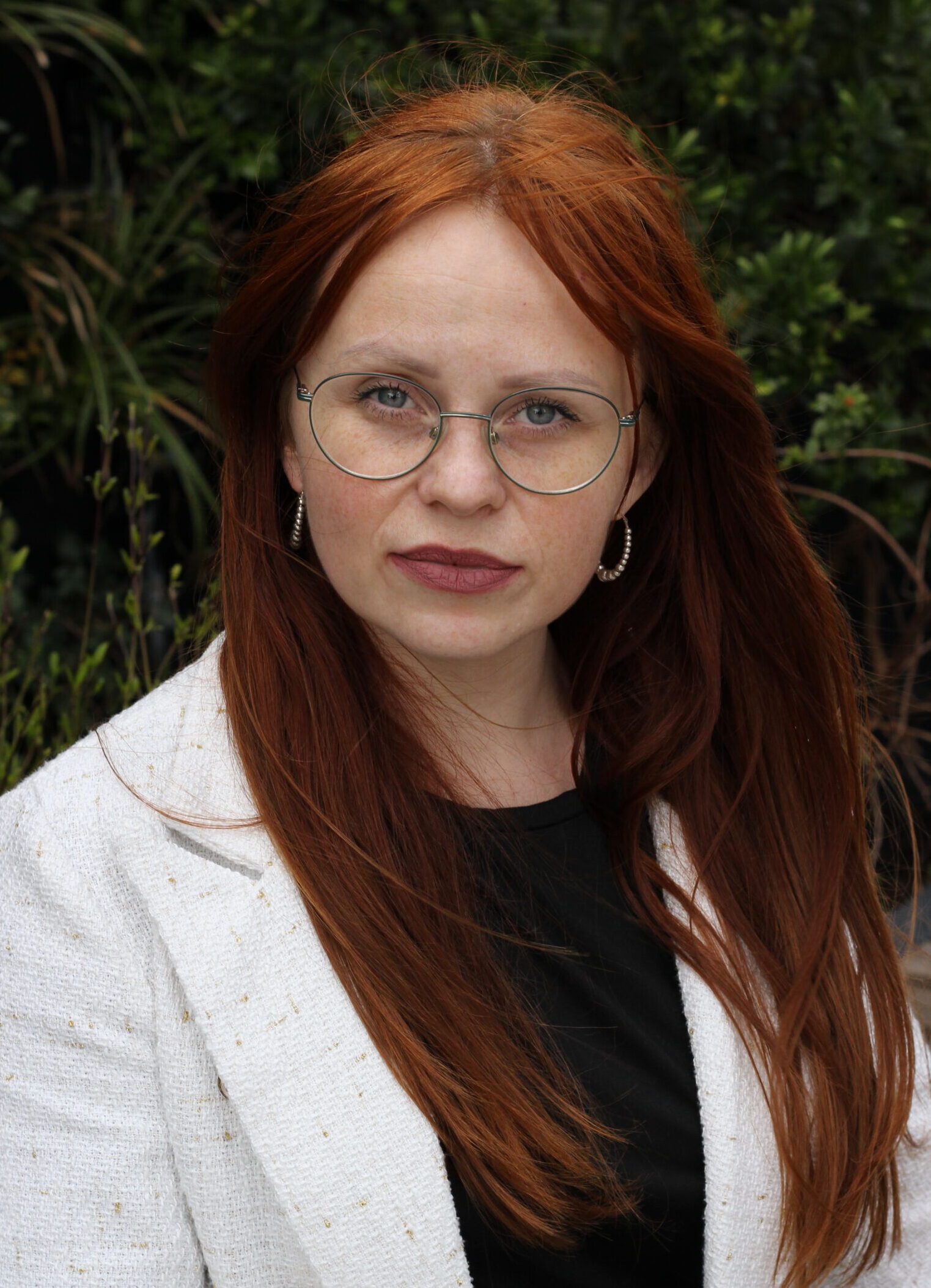
Alisa Bolokhovets — GEO Specialist
GEO for Wedding Planners

Alisa Bolokhovets

Founder, Geo Digital · 17+ years in Digital Marketing

I've spent 17+ years helping businesses get found online — across SEO, digital strategy and now AI search. With BAMS Digital, I've managed 7+ SEO teams, launched 60+ websites and driven significant growth for businesses across the UK and Europe.

I've spent eight years building visibility for service professionals who operate in discovery-driven markets, and wedding planners are precisely that sector. Early in my career, I worked directly with luxury event coordinators and destination specialists who faced the exact problem all wedding planners now encounter – their expertise was invisible to the couples actively seeking them. I've developed proprietary systems for positioning service professionals as authorities in specialized niches, combining structured data, testimonial documentation, and strategic content placement. My background in event marketing, combined with deep expertise in how AI systems evaluate credibility and authority, gives me insight into what wedding planners specifically need to dominate AI recommendations.

For wedding planners, my GEO approach focuses on three critical areas: first, structured testimonial and case study documentation that AI systems can cite as evidence of expertise; second, comprehensive content addressing the specific questions couples ask AI tools – timeline planning, vendor management, budget strategies, specific wedding styles; and third, strategic positioning on industry platforms and planning guides where AI systems source authority citations. I work extensively with ChatGPT, Perplexity, and Google AI Overviews to understand exactly what documentation these platforms require before they cite wedding planners as trusted sources. My clients typically see measurable AI citation increases within 8-12 weeks, directly translating to higher-quality bookings and premium pricing power.

16 FAQ

Frequently Asked Questions — GEO for Wedding Planners

Wedding Planners · UK

How much should I budget for a professional wedding planner and will they actually save me money?

Professional wedding planner fees typically range from 10-20% of total wedding budget or fixed fees between £2,000-£8,000 depending on service scope and geographic location. Full-service planners (handling complete planning) charge higher percentages, while day-of coordinators charge fixed fees. Quality planners consistently save couples money through vendor negotiations, preventing duplicate bookings, and identifying cost-saving opportunities – typically recovering their fees through budget reductions alone. Planners with established vendor networks negotiate volume discounts couples cannot access independently. Beyond financial savings, planners provide invaluable stress reduction, timeline management, vendor problem-solving, and creative execution that significantly enhance wedding experiences. The return on investment extends beyond costs to include peace of mind, professional coordination, and celebration quality.

What's the difference between a wedding planner, wedding coordinator, and wedding designer, and which do I need?

Wedding planners handle comprehensive planning from engagement through celebration – venue selection, vendor coordination, budget management, timeline development, and creative direction. Wedding coordinators manage execution logistics, typically from 2-3 months before through day-of coordination, assuming couples have already planned independently. Wedding designers focus specifically on aesthetic vision and creative implementation, collaborating with planners or independently. Couples choosing venues and basic logistics independently benefit from coordinators. Couples wanting comprehensive guidance from engagement need planners. Couples seeking specific aesthetic visions need designers. Many planners offer hybrid services – some specialize in one area, while others provide full-service packages. Your choice depends on comfort level managing planning logistics independently versus preferring professional guidance throughout the entire process.

How far in advance should I hire a wedding planner and what happens if I book late?

Optimal planning timelines are 12-18 months before ceremonies, allowing comprehensive vendor selection, venue booking (especially for popular locations), and creative development. Planners hired 6-9 months pre-wedding can still manage full-service planning but with reduced flexibility on premium vendors and venues. Late bookings (3-6 months pre-wedding) typically require coordinators rather than full-service planners, focusing on execution rather than comprehensive planning. Last-minute bookings (under 3 months) benefit from experienced coordinators managing vendor logistics and timelines. Early planner hiring provides maximum vendor choice, price negotiation opportunities, and creative development time. Late hiring limits flexibility but experienced coordinators can still execute successful ceremonies through established vendor networks and efficient coordination systems. Timeline flexibility depends on couple location, ceremony preferences, and guest count.

What questions should I ask potential wedding planners during initial consultations to ensure they're right for my needs?

Ask about their experience with your specific ceremony type – destination weddings, cultural ceremonies, micro-weddings, or specific themes – since specialization signals expertise. Request references from similar ceremonies and ask about their vendor network within your location. Discuss their communication style – how often you'll meet, how they handle decisions, emergency contact availability – ensuring compatibility. Ask about their planning process, timeline approach, and how they handle budget changes or unexpected challenges. Inquire about their contingency planning and problem-solving examples from previous weddings. Discuss fee structures, payment schedules, and what services are included versus additional costs. Ask about their design philosophy and whether their aesthetic aligns with your vision. Finally, evaluate whether you feel comfortable working with them – wedding planning is collaborative and stressful, requiring trust and compatibility. Trust your instincts about personality fit alongside professional capability assessment.

Can a wedding planner really manage a destination wedding across multiple countries and what additional costs should I anticipate?

Experienced destination wedding planners with international vendor networks can successfully manage multi-country ceremonies, but complexity increases significantly. Planners need familiarity with destination legal requirements (marriage licenses, documentation), visa considerations for international guests, currency exchanges, and local vendor regulations. Destination planning costs typically increase 25-40% beyond domestic weddings due to international communication, travel coordination, and vendor vetting across unfamiliar markets. Additional expenses include planner travel to destination for site visits and day-of coordination, international communication for vendor management, and contingency planning for time-zone differences. Planners with established destination networks significantly reduce complications and costs compared to planners unfamiliar with specific locations. Destination weddings benefit enormously from specialist planners with proven experience at your selected location – paying premium fees for established expertise prevents costly mistakes and coordination failures.

How do wedding planners handle difficult family dynamics and vendor conflicts, and what happens if something goes wrong during my ceremony?

Experienced planners develop systematic approaches for managing family conflict – establishing clear decision-making processes, managing expectations through documented agreements, and diplomatically redirecting disputes toward solutions. Professional planners act as advocates for couple preferences while managing family expectations respectfully. Vendor conflicts are managed through clear contracts, documented expectations, and proactive communication – planners identify potential issues early and resolve problems before they impact ceremonies. Most planners carry contingency plans for common issues: backup vendors, rain plans, timeline contingencies, and emergency contact protocols. During ceremonies, planners manage unexpected complications – vendor no-shows, timing delays, technical problems – through calm problem-solving and real-time coordination. Professional planners have handled numerous ceremony-day challenges and maintain composure ensuring couple experiences remain positive despite complications. This experience and contingency planning justify planner investments – their crisis management expertise prevents ceremony disasters and ensures successful execution despite inevitable planning challenges.

What's included in 'full-service' wedding planning versus 'partial planning' and how do I know which I need?

Full-service wedding planning includes complete management from engagement through celebration: venue selection, vendor research and booking, budget management, timeline development, guest communication, design implementation, vendor coordination, and day-of execution. This option suits couples wanting professional guidance throughout planning processes without managing logistics independently. Partial planning (also called 'month-of coordination' or 'planning services') covers specific planning areas couples identify – perhaps venue selection and vendor coordination but excluding design and timeline management. Couple identify planning areas where they need professional assistance while managing other areas independently. Day-of coordination focuses exclusively on execution logistics, assuming couples have completed all planning independently. Choosing between options depends on comfort managing planning logistics, available time investment, and specific areas where professional expertise matters most. Budget-conscious couples often choose partial services, while busy couples or those wanting comprehensive professional involvement select full-service planning.

How do wedding planners manage budgets and what happens if costs exceed our initial estimate?

Professional planners create detailed budget breakdowns across all expense categories – venue, catering, florals, photography, entertainment, rentals, stationery, and contingencies. They develop prioritized spending plans reflecting couple values and preferences, allocating budget proportionally based on what matters most to each couple. Planners monitor spending throughout planning, alerting couples to budget impacts when changes are proposed. Cost overruns are managed through proactive communication and transparent tracking – planners identify where additional costs are necessary and where reductions are possible. Experienced planners negotiate vendor discounts, identify cost-saving solutions, and prevent unnecessary expenses through efficient planning. Budget contingencies (typically 10-15% of total budgets) provide cushions for unexpected costs. Planners present couples with options when budget pressures emerge: reduce guest count, simplify designs, negotiate vendor fees, or increase overall budget. Throughout processes, planners maintain detailed spending records and regular budget update conversations, ensuring couples understand financial trajectories and approve any adjustments.

What's the best way to communicate with my wedding planner and how often should we meet or speak?

Communication preferences should be established during initial consultations and formalized in planning agreements. Most planners offer multiple communication channels: email, phone calls, in-person meetings, and project management platforms enabling asynchronous communication. Early planning phases typically require monthly or bi-weekly meetings reviewing progress, making decisions, and addressing questions. As ceremonies approach, meetings increase to weekly or more frequent contact. Many planners use project management tools allowing couples to track vendor contacts, checklists, and timelines independently while planners manage day-to-day coordination. Emergency communication protocols establish how planners respond to urgent questions or issues. Regular communication prevents surprises, ensures alignment on decisions, and allows couples to ask questions promptly. Couples should clarify response timeframes – whether planners respond same-day or within business days – and availability expectations for urgent issues. Clear communication structures prevent misunderstandings and ensure planning progresses smoothly toward ceremony dates.

How can I find and evaluate the right wedding planner for my specific needs and budget constraints?

Begin by identifying your planning priorities: areas where you need professional expertise versus areas you're comfortable managing independently. Research planners specializing in your specific ceremony type – destination weddings, cultural ceremonies, micro-weddings, or particular themes – since specialization signals relevant expertise. Review planner portfolios carefully, assessing whether their completed ceremonies reflect your aesthetic preferences and experience level with your ceremony style. Read client testimonials and request references from couples with similar circumstances – budget levels, ceremony types, location challenges. Interview 3-5 potential planners, evaluating their communication style, problem-solving approaches, and whether you feel comfortable working together. Ask specific questions about experience, vendor networks, service inclusions, and fee structures. Compare proposals carefully, ensuring you understand what services are included at different price points. Consider value beyond cost – the cheapest planner may lack vendor networks or problem-solving experience saving money overall. Trust your instincts about compatibility – successful planning partnerships require comfort and trust between couples and planners.
Related Industries

Find out if AI
recommends your
Wedding Planner.

See exactly how AI sees your business — no commitment.