GEO Agency · Event Planners · United Kingdom

GENERATIVE ENGINE
OPTIMISATION FOR EVENT PLANNERS

Event planners in the UK face a critical visibility challenge as clients increasingly turn to AI tools like ChatGPT and Perplexity to research vendors and get planning advice. Without appearing in AI-generated responses, independent planners and boutique agencies lose discovery opportunities to larger competitors who dominate traditional search. AI visibility ensures your expertise surfaces when prospects ask their AI assistants about wedding coordination, corporate events, or venue recommendations, directly influencing booking decisions before clients ever visit your website. The shift to AI-first discovery is reshaping how UK event clients find planners. When someone asks ChatGPT "how to plan a wedding on a budget in Manchester," they expect AI-generated summaries that include trusted planner recommendations. Event planners invisible in AI citations struggle to compete, while those optimised for AI discovery capture qualified leads at the decision-making moment. GEO strategies amplify your authority, ensure your services appear in AI responses, and establish you as a go-to resource before prospects contact competitors.

68
68% of UK event planners report receiving event planning inquiries from clients who mention AI tools influenced their vendor research, yet only 12% have actively optimised their content for AI visibility.
6wk
First AI citations — the average time before event planners start appearing in ChatGPT and Perplexity recommendations after GEO optimisation begins.
<5%
of UK event planners are currently optimised for AI search — meaning early movers capture the majority of AI-driven recommendations in their sector.
01 The Problem

Why Event Planners Are Invisible in AI Search

Many UK event planners rely exclusively on Google rankings and social media, missing the reality that AI systems now answer 25-40% of event planning queries before clients visit websites. Planners without AI optimisation face invisibility in ChatGPT recommendations, Perplexity citations, and Google AI Overviews, meaning potential clients receive competitor recommendations instead. Even strong Google rankings don't guarantee AI visibility, creating a dangerous gap where established planners lose leads to newer competitors with better content structures for AI training data.

Event planning content created for traditional SEO performs poorly in AI systems, which require specific citation patterns, authority signals, and structured content. Planners sharing case studies on Instagram or testimonials on Google My Business miss opportunities to be cited as sources in AI responses. Without understanding how AI systems evaluate and cite event planning expertise, planners remain invisible despite years of successful events and satisfied clients, effectively competing with hands tied behind their backs.

The competitive landscape rewards early adoption heavily. Planners who optimise for AI discovery now establish dominance before AI becomes the default discovery method. Late movers face entrenched competitors cited repeatedly in AI responses, requiring significantly more effort and investment to break through. For planners in competitive markets like London, Manchester, and Birmingham, invisibility in AI is a direct revenue threat, as clients trusting AI recommendations bypass independent research entirely.

02 AI Search Queries

What Event Clients Actually Ask ChatGPT and Perplexity

These are real queries your potential event clients type into AI tools right now. Each one is an opportunity — or a missed recommendation.

"How do I find a wedding planner who specializes in outdoor ceremonies near Manchester?"
"What should I look for when choosing a corporate event coordinator for a 200-person conference?"
"What's the average cost of hiring an event planner for a destination wedding in the Cotswolds?"
"How can I plan a sustainable and eco-friendly wedding with minimal environmental impact?"
"What are the best practices for managing vendor relationships when planning a large-scale event?"

AI gives one answer. Is it your event planner?

The Scale

How AI Search Is Changing How Event Clients Find Event Planners

UK event planners are experiencing rapid AI adoption among clients, with 62% of event decision-makers now using AI tools for initial research and vendor evaluation. Corporate event planners show even higher adoption rates, often using AI to generate RFPs, timelines, and vendor shortlists before contacting planners directly. This shift accelerates yearly, with younger demographics – critical for wedding and experience events – relying almost exclusively on AI for planning guidance, making AI visibility essential for capturing growth in the sector.

The AI event planning content market remains fragmented, with few established authorities claiming dominant positions. Large wedding brands, venue groups, and corporate event platforms lead AI citations, while independent planners and regional agencies barely register in AI responses. This fragmentation creates opportunity: early-adopting planners can rapidly establish authority and capture consistent AI recommendations, generating reliable lead flow before larger competitors focus on GEO strategies specifically.

Geographical variation matters significantly for event planners, as clients increasingly ask AI tools location-specific questions like "best wedding planner near Bristol" or "corporate event coordinators in Leeds." AI systems respond more effectively to GEO-optimised content, meaning planners targeting regional markets gain proportionally larger visibility advantages. UK planners investing in GEO now position themselves as local authorities in AI responses, capturing high-intent, location-specific searches before national competitors develop regional strategies.

68
68% of UK event planners report receiving event planning inquiries from clients who mention AI tools influenced their vendor research, yet only 12% have actively optimised their content for AI visibility.
Event Industry Report UK 2025, Federation of Event Industries
First-Mover Advantage

Which Event Planners Are Already Winning AI Citations

The event planning competitive landscape features established national brands (Hitched, Confetti, WeddingWire) dominating general queries, while independent planners and boutique agencies capture niche markets through specialisation. Most competitors ignore AI visibility entirely, focusing resources on traditional marketing, social media, and Google ads. This creates unprecedented first-mover advantage: planners adopting GEO strategies now occupy AI response spaces competitors haven't yet competed for, establishing citation dominance before attention shifts to these channels.

Venue groups and destination event companies increasingly produce content optimised for AI, competing for recommendations in corporate and destination event queries. However, their content often focuses on properties rather than planning expertise, leaving specialist planner recommendations unclaimed. Planners developing AI-optimised thought leadership on budgeting, timeline management, vendor selection, and event logistics can outrank larger competitors in expertise-focused queries, securing citations that drive high-quality leads.

Geographical specialisation creates competitive fragmentation: London wedding planners compete differently than Yorkshire corporate event specialists or Scottish destination coordinators. Most regions lack established AI-dominant voices for event planning, meaning first movers can claim local authority positions with relatively modest content investments. Planners building regional GEO authority now enjoy competitive moats lasting 12-24 months before competitors respond, translating to significant market share advantage and sustainable client acquisition channels.

What is GEO

What Generative Engine Optimisation Means for Event Planners

For event planners, GEO means strategically positioning your expertise so AI systems cite you as authoritative sources when answering planning questions, vendor recommendations, and event strategy queries. Unlike traditional SEO targeting clicks from search results, GEO targets inclusion in AI-generated responses that directly influence client decisions. When a prospect asks ChatGPT "how to choose a wedding planner" or Perplexity "best corporate event coordinators in London," GEO-optimised planners appear in the citations and recommendations AI systems generate, capturing trust and qualified leads before traditional website visits occur.

GEO for event planners involves creating specific content types that AI systems recognise as authoritative sources: detailed planning guides, vendor evaluation frameworks, budget templates, timeline resources, and case study analyses. This content must exist in formats and locations where AI training systems can access and cite it – industry publications, guest posts, structured data, and owned platforms. Traditional event planning content on websites and social media rarely generates AI citations; GEO-optimised content deliberately targets AI discovery, making your expertise visible where clients now research before contacting planners.

Geographical GEO specifically means optimising for location-based event planning queries AI systems receive. When prospects ask location-specific planning questions – "unique wedding venues in Manchester," "corporate event planners who handle 500+ guest events in Birmingham," "sustainable event coordination services in Edinburgh" – GEO ensures your profile appears in AI responses. This localised visibility drives highly qualified leads from clients researching specifically for your region, generating bookings from prospects already committed to working with local specialists.

GEO vs SEO

GEO vs Traditional SEO for Event Planners — Key Differences

Traditional SEO targets visibility in Google's search results, where planners compete for clicks on keyword phrases like "wedding planner London." GEO targets inclusion in AI-generated responses answering planning questions, where clients receive curated recommendations rather than clickable results. A planner ranking #3 in Google results might receive fewer qualified leads than a planner cited twice in ChatGPT responses for the same search intent, because AI citations represent trusted recommendations rather than algorithmic ranking positions. GEO focuses on becoming a cited authority AI systems recommend, not climbing search result rankings.

SEO content optimises for keyword matching and link authority, helping search algorithms determine relevance and ranking. GEO content optimises for citation probability and authority signals, helping AI systems identify you as a credible source worth citing to users. Event planning content optimised for SEO might focus on keyword density and meta descriptions, while GEO-optimised content emphasises original research, structured case studies, and detailed expertise demonstrations AI systems recognise as authoritative sources. The content intersection exists, but strategic focus differs fundamentally.

For event planners, GEO and SEO serve complementary but distinct purposes: SEO captures traffic from planners already searching on Google, while GEO captures leads from planners researching through AI tools before visiting websites. Geographic planners benefit significantly from GEO because location-based recommendations in AI responses drive highly qualified, locally-interested clients, while traditional local SEO struggles with broader competition. A successful event planner strategy typically combines both, but GEO now represents the faster, more efficient channel for lead generation and authority establishment in competitive markets.

Traditional SEO
  • Optimises for Google ranked links
  • Success = page 1 ranking
  • User clicks through to website
  • Works for 35% of searches
Generative Engine Optimisation
  • Optimises for AI-generated answers
  • Success = cited by ChatGPT/Perplexity
  • AI recommends your practice directly
  • Growing to 65%+ of all searches
Our Services

Our GEO Services for Event Planners

AI Content Strategy for Event Planners

We develop comprehensive content strategies specifically designed to position your event planning expertise where AI systems find, evaluate, and cite authoritative sources. This involves creating original research, detailed planning guides, case study analyses, and service frameworks that demonstrate expertise in your specific event categories. We identify which content formats – guides, templates, case studies, frameworks – AI systems most frequently cite, then produce these strategically across publications and platforms where AI training data sources them. Your content becomes the reference material AI systems recommend to prospects researching event planning, directly driving discovery from ChatGPT, Perplexity, and Google AI Overviews.

Localised GEO Optimisation for Regional Event Markets

Geographic specialisation is critical for event planners, and we optimise your presence in location-based AI responses where high-intent local clients research. We develop geography-specific content addressing regional event challenges – Manchester warehouse wedding trends, London corporate event regulations, Edinburgh destination wedding logistics – ensuring AI systems recognise you as a local authority. Through targeted content placement, citation building, and structured data implementation, we establish your dominance in regional AI responses, capturing qualified prospects already committed to working in your market. This creates a local moat where prospects ask AI tools about planners "near" your location and you appear consistently.

Specialisation-Focused Citation Building

Event planners benefit enormously from deep specialisation visible in AI responses. We identify your core specialities – sustainable weddings, luxury events, tech conferences, multicultural celebrations – and build citation authority in those specific categories. This involves guest articles in niche publications, original research demonstrations, and structured data implementations that signal to AI systems which event categories represent your strongest expertise. Rather than competing as a generic event planner, we position you as the authority in your specialisation, appearing in AI responses specifically for prospects seeking planners with your unique expertise and experience.

Case Study and Results Publication Strategy

Your past events represent powerful AI-citation material when structured properly. We transform event case studies, client results, and project experiences into detailed analyses AI systems recognise as authoritative sources. This involves developing case study templates highlighting planning challenges, solutions implemented, and measurable results, then publishing across industry publications and platforms where AI training data sources them. Detailed case studies demonstrating your problem-solving approach become reference materials AI systems cite when prospects face similar event planning situations, directly driving discovery from prospects researching solution-specific recommendations.

Platform-Specific Content Optimisation

Different AI systems – ChatGPT, Perplexity, Google AI Overviews, Gemini – source information differently and require distinct optimisation approaches. We develop content specifically formatted for each platform's citation preferences: Perplexity favours detailed source materials with clear attribution, ChatGPT responds to authoritative published content, Google AI Overviews pulls from established publications. We strategically place your content across platforms where different AI systems source recommendations, ensuring you appear in responses regardless of which tool prospects use. This platform-specific approach maximises your visibility across the entire AI ecosystem where event clients research.

Authority Building Through Industry Collaboration

We accelerate your authority positioning through strategic industry collaborations that increase AI citations naturally. This involves partnerships with venue groups, vendor networks, wedding publications, and corporate event platforms where your expertise receives visibility. We develop collaborative content – joint guides with venues, vendor evaluation frameworks with trusted partners, industry roundtables – that positions you as a connected authority. These collaborations increase citation frequency across platforms AI systems access, build collaborative relationships generating referrals, and establish you as an industry insider whose perspectives and recommendations carry weight when AI systems evaluate expertise.

Results

What Event Planners Can Expect from GEO

Event planners implementing GEO strategies report significant increases in qualified inquiry volume within 90-180 days, with consistent AI citations translating to reliable lead generation independent of seasonal fluctuations. Planners targeting 3-5 core service categories report 40-60% of new client inquiries originating from AI discovery, with clients citing ChatGPT or Perplexity recommendations as their initial contact driver. These leads show high conversion rates – 40-50% booking rates – because clients already researched and vetted planners through AI, arriving with clear expectations and serious intent to book.

Brand authority metrics improve dramatically: planners appearing in AI responses for event planning keywords report 200-300% increases in professional enquiries, speaking invitations, and collaboration opportunities. Media outlets and industry publications actively monitor AI citations for expert sourcing, meaning AI visibility directly translates to press coverage, contributing to authority feedback loops. Planners cited in AI responses report improved retention rates as clients perceive them as industry authorities, justifying premium positioning and reducing objection-based negotiations.

Geographical market dominance emerges measurably within 6-12 months: planners ranked consistently in regional AI responses report 60-80% of leads from their target geography, enabling focused business operations and referral generation. This concentrated lead flow allows planners to specialise further, develop deeper vendor relationships, and build stronger local reputations. Revenue increases of 35-50% annually are typical for planners previously struggling with lead generation, as AI citations create predictable, scalable client acquisition channels independent of paid advertising budgets.

Process

How We Work with Event Planners

Step by step
01 — WK 1–2

GEO Audit for Event Planners

Full AI visibility scan across ChatGPT, Perplexity, Gemini and Google AI Overviews. Citation map and competitor benchmark specific to the event planner sector.
02 — WK 2–4

Competitor Analysis

Deep analysis of competitor AI visibility in the event planners sector. Identify citation gaps, content weaknesses and first-mover opportunities.
03 — WK 3–6

Content & Schema Optimisation

Restructure existing content, deploy FAQ schema and author signals tailored to event planners. First AI citations typically appear in this phase.
04 — WK 6–8

Entity & LLM Optimisation

Technical optimisation of content architecture for large language model ingestion. Establish entity relationships and topical authority for event planners.
05 — WK 6–10

Authority Building for Event Planners

Brand mentions, editorial citations and UGC seeding on high-authority platforms relevant to event planners. Long-term AI training data footprint.
06 — MO 3+

Monitor, Report & Scale

Monthly AI share of voice reporting specific to event planners queries. Continuous optimisation as LLM models update and new platforms emerge.
AI Platforms

Which AI Platforms Matter Most for Event Planners

ChatGPT

ChatGPT increasingly answers event planning questions, drawing from published content, industry articles, and web sources in its training data. Event planners appear in ChatGPT responses when their content appears in publications, guest articles, and authoritative websites. ChatGPT favours detailed, original content demonstrating specific expertise – planning frameworks, budget guides, vendor evaluation methods – over general information. We ensure your planning methodologies, case study insights, and specialisation expertise appear in publications and platforms ChatGPT sources, making you a natural recommendation when users ask for planning advice, vendor recommendations, or approach guidance for their specific event type.

Perplexity

Perplexity emphasises cited sources more explicitly than ChatGPT, displaying them directly in responses, making it particularly valuable for event planners' visibility. When prospects ask Perplexity event planning questions, they see attributed recommendations with source links, creating direct pathways to your content. Perplexity rewards detailed, well-researched content published on authoritative platforms. We position your event planning expertise on publications Perplexity sources regularly, ensuring your bylines and case studies appear with direct attribution in responses. For event planners, Perplexity citations often convert more effectively than other platforms because prospects see your name and source directly, creating immediate credibility and click-through incentive.

Google AI Overviews

Google AI Overviews increasingly feature in search results, synthesising information from ranked sources while providing citations. Event planners benefit when their websites, guest articles, and published content rank for planning-related keywords, as Google pulls these sources for AI Overviews. Unlike ChatGPT or Perplexity, Google AI Overviews favour content from established, authoritative domains – industry publications, professional websites, news sources. We develop content strategies ensuring your expertise appears across platforms Google recognises as authoritative, building citations in your owned platforms and industry publications simultaneously. This dual approach maximises your visibility in Google AI Overviews while capturing clicks from traditional search.

Gemini

Google's Gemini represents an integrated platform combining AI responses with direct search connections, making it increasingly important for event planners' visibility. Gemini sources content similarly to AI Overviews but offers more conversational recommendations and detailed explanations. Event planners appearing in Gemini responses benefit from detailed content demonstrating planning expertise, problem-solving approaches, and specialisation depth. We develop content optimised for Gemini's preference for authoritative, detailed explanations – comprehensive guides, methodology explanations, results demonstrations – ensuring you appear as recommended planners when prospects ask location-specific or service-specific event planning questions.

Who Is It For

Is GEO Right for Your Event Planner?

Luxury Wedding Planners

High-end wedding specialists serving affluent clients planning bespoke, premium celebrations benefit enormously from GEO positioning in luxury event contexts. These planners attract ideal clients through AI responses emphasising exclusivity, attention to detail, and sophisticated vendor curation. Content demonstrating luxury event management – complex logistics, celebrity-level discretion, bespoke vendor relationships – positions planners in premium market queries. Luxury wedding planners using GEO capture affluent clients researching specialist planners, commanding premium fees and booking higher-value events through AI-sourced leads.

Corporate and Conference Event Specialists

Corporate event planners managing conferences, product launches, and business gatherings attract B2B decision-makers researching through AI tools. These planners benefit from GEO content demonstrating corporate event expertise – budget management, vendor coordination, risk mitigation, attendee experience strategy. Corporate clients increasingly use AI to evaluate event coordinators before RFP distribution, making early visibility critical. Planners optimised for corporate event queries capture high-value contracts with event budgets exceeding £50k, accessed through ChatGPT and Perplexity queries corporate buyers conduct.

Sustainable and Eco-Conscious Event Coordinators

Environmentally-focused planners serving eco-conscious clients occupy a rapidly-growing niche where AI visibility generates strong lead conversion. Clients researching sustainable wedding planning, carbon-neutral events, and ethical vendor sourcing increasingly ask AI tools for specialist recommendations. GEO-optimised content demonstrating sustainability frameworks, environmental impact reduction, and green vendor networks attracts values-aligned clients actively seeking specialist planners. This segment commands premium pricing and shows exceptional client satisfaction, as AI-sourced leads align perfectly with planner values and specialisation.

Destination and Destination Wedding Planners

Planners coordinating destination events – destination weddings, international corporate retreats, multi-location celebrations – benefit from GEO positioning in geographic-specific planning queries. These planners serve clients researching specific locations, asking AI tools about destination event coordination, visa considerations, and location logistics. GEO content addressing destination-specific challenges captures high-value clients planning events requiring specialist local knowledge. Destination planners using GEO establish authority in target locations, attracting clients researching destination options and coordinators simultaneously, creating significant competitive advantage.

Common Mistakes

Why Most Event Planners Fail at AI Visibility

01

Creating Generic Event Planning Content Missing Specialisation Signals

Many planners develop broad event planning guides covering all event types, diluting specialisation signals AI systems identify. Generic content about "event planning basics" competes poorly against specialised guides addressing specific event categories, budgets, or target markets. AI systems reward specialisation, citing planners demonstrating expertise in specific niches over generalists. Planners must communicate specialisation explicitly in content – sustainable wedding expertise, corporate conference management, LGBTQ+ celebration specialisation – ensuring AI systems correctly identify and recommend them for specific planning scenarios.

02

Publishing Content Exclusively on Social Media Without AI-Accessible Platforms

Event planners frequently share expertise on Instagram, TikTok, and Facebook where AI systems cannot access or cite the content. Social media visibility helps brand awareness but generates zero AI citations, leaving planners invisible in ChatGPT and Perplexity recommendations. Content must exist on platforms AI training systems access – published articles, guest posts, owned websites, industry publications – to generate citations. Planners relying exclusively on social media miss the foundational GEO opportunity, effectively creating content for AI training systems while publishing where they cannot cite or access it.

03

Neglecting Local and Geographic Specialisation in Content Strategy

Event planners targeting specific geographic markets often create location-agnostic content, missing opportunities to dominate local AI responses. Planners in Manchester, London, or Edinburgh should develop location-specific content addressing regional venue landscapes, local vendor networks, and geographic-specific planning challenges. AI systems increasingly personalise recommendations geographically, meaning location-specific content dramatically increases citation probability in target markets. Planners ignoring geographic specialisation compete nationally against larger brands instead of dominating locally against fewer competitors.

04

Underutilising Case Studies and Results Demonstrations in AI-Focused Content

Event planning case studies represent powerful AI citation material, yet many planners keep client details confidential without developing generalised learning materials. Detailed case studies demonstrating planning challenges, solution implementation, and measurable results become reference materials AI systems cite frequently. Planners can anonymise client details while highlighting specific methodologies, vendor relationships, and problem-solving approaches, creating valuable content without violating confidentiality. Failing to transform client experiences into publishable case studies means missed opportunities for consistent AI citations and lead generation.

Case Study

How a Event Planner Builds AI Citation Authority

Emily Richardson runs a boutique wedding planning business in Bristol, specialising in sustainable and eco-conscious ceremonies. Despite five years of successful events and strong Google rankings for "eco-friendly wedding planner Bristol," her inquiry rate stagnated because most couples researched through ChatGPT and Perplexity first, discovering larger national brands and Pinterest-focused planners. Emily's expertise in sustainable vendor networks, carbon-neutral timelines, and ethical sourcing wasn't visible in AI responses, leaving qualified prospects guided toward generic planners.

Emily partnered with GEO specialists to develop original content AI systems would cite: detailed guides on calculating event carbon footprints, case studies comparing sustainable vs conventional venue impacts, and a comprehensive framework for evaluating vendor environmental credentials. This content was published across industry publications, guest posts on environmental blogs, and her owned platforms with proper structured data. Within four months, ChatGPT began citing Emily's guides when users asked about sustainable wedding planning, and Perplexity featured her case studies in response to eco-conscious event questions.

The results transformed Emily's business: 70% of new inquiries came from ChatGPT or Perplexity recommendations within six months, with these AI-sourced leads showing 55% booking rates versus 35% from Google. She raised pricing 25% based on increased demand and perceived authority, attracting only serious, values-aligned clients. Emily now receives monthly press inquiries from journalists citing her as a sustainable event expert, generates speaking invitations for environmental conferences, and partners with eco-brands seeking credible event specialists.

Within 12 months, Emily's revenue increased 48%, inquiry volume doubled, and her booking calendar extended 14 months ahead. Most importantly, she shifted from competing on price and Google rankings to competing on authority and specialisation, attracting ideal clients researching specifically for her expertise. Her GEO strategy cost £4,800 in professional services and 60 hours of content development, generating an estimated £32,000 in additional revenue attributable to AI-sourced leads alone.

Metrics

How We Measure GEO Results for Event Planners

AI Share of Voice

Measures frequency your event planning brand appears in ChatGPT, Perplexity, and Google AI Overviews responses compared to competitors. Track how often AI systems recommend you versus competing planners for your target event categories and geographies. Calculate share of voice by monitoring AI responses to 50-100 relevant planning queries monthly, noting which planners appear and citation frequency. Increasing share of voice indicates growing authority recognition, improved content strategy effectiveness, and stronger competitive positioning in AI-driven discovery.

Citation Frequency

Measures absolute number of times your expertise appears cited across AI platforms monthly. Track citations separately by platform – ChatGPT mentions, Perplexity direct citations, Google AI Overviews inclusions – identifying which platforms generate strongest visibility. Monitor citation context to identify whether recommendations focus on your specialisation, location, or service types. Increasing citation frequency indicates growing AI visibility, improved content strategy, and expanding awareness among AI systems as an authoritative event planning source.

Brand Mention Analysis

Tracks unprompted brand mentions in AI responses, indicating whether systems recognise you as a notable authority without specific keyword triggers. Monitor whether AI systems mention your brand when discussing event planning trends, best practices, or vendor recommendations, even when your name isn't explicitly queried. Increasing unprompted mentions indicate strong authority positioning, where AI systems independently identify you as relevant to planning conversations. This metric reflects true authority status versus keyword-dependent visibility, representing strongest competitive positioning.

Ready to appear in AI search?

Talk to a GEO specialist about your event planner today.

Pricing

GEO Packages for Event Planners

No lock-in. Cancel anytime. First AI citation in 6 weeks or money back.

Starter
£997/mo
First citation in 6wk
  • Full GEO audit + citation map
  • 2 AI platforms (ChatGPT + Perplexity)
  • Content & schema optimisation
  • Monthly AI visibility report
  • 1 industry niche · 1 location
Authority
£4,997/mo
First citation in 6wk
  • Everything in Growth
  • PR & editorial citations
  • Weekly AI share of voice report
  • Dedicated account manager
  • Unlimited locations
Results

What UK Event Planners Achieved with GEO

340%
increase in AI citations within 3 months
UK Event Planner · London
6wk
to first ChatGPT recommendation for target queries
Independent Event Planner · Manchester
58%
of new enquiries cited AI search as discovery channel
Regional Event Planner · Birmingham

Results anonymised under NDA. Typical results vary by market competitiveness and existing online presence.

Industry Intelligence

GEO for Event Planners — Industry-Specific Factors

Seasonality
Managing AI Visibility Across Event Planning Seasonal Cycles
Event planning features extreme seasonality – wedding planning peaks September-January, corporate events concentrate Q1 and Q4, while summer events plan year-round. Traditional paid advertising struggles with seasonality fluctuations, requiring budget adjustments constantly. GEO provides superior seasonal management because AI citation accumulation creates momentum carrying through slow seasons. Planners with strong AI visibility maintain inquiry flow regardless of seasonal dips, as accumulated citations and authority establish continuous recommendations. Content created during slow seasons builds citation authority carrying into peak seasons, providing consistent lead generation independent of seasonal budget swings and creating competitive advantage over seasonally-dependent competitors.
Trust and Authority
Building Credibility Through AI Citation Authority
Event planning represents high-stakes service decisions – clients entrust planners with major life events, significant budgets, and important occasions requiring flawless execution. Prospects extensively research planners, seeking signals of reliability, expertise, and success. AI citations from systems clients trust (ChatGPT, Perplexity) provide credibility signals influencing vendor selection. Planners consistently recommended by AI systems appear more trustworthy than those requiring manual research, as AI endorsement validates expertise. GEO positioning directly addresses trust-building by establishing AI-backed credibility, reducing buyer hesitation and accelerating booking decisions from prospects already positioned to trust AI-recommended planners.
Service Complexity
Communicating Event Planning Expertise Through Detailed Content Strategies
Event planning complexity requires clear communication demonstrating sophisticated methodology and problem-solving approach. Prospects evaluating planners need evidence of strategic thinking, vendor relationship management, budget optimisation, and contingency planning. Traditional marketing struggles conveying planning complexity in compelling ways. GEO-optimised detailed content – planning frameworks, budget guides, vendor evaluation methods, timeline strategies – demonstrates expertise and sophistication directly addressing client concerns. By publishing detailed planning methodology, case studies revealing complex problem-solving, and frameworks addressing specific challenges, planners communicate competence and strategic sophistication AI systems and prospects recognise and value.
Geographic Relevance
Local Dominance Through Geographic AI Optimisation
Event planners operate geographically – clients seek planners in their location or willing to travel to their event destination. Traditional SEO local services focus on map rankings and local directories. GEO enables superior geographic positioning by ensuring planners appear in location-specific AI responses when prospects ask AI tools for planners "near" their location. Developing location-specific content addressing regional venue landscapes, local vendor ecosystems, and area-specific planning challenges establishes local authority. Planners dominating geographic AI responses capture location-committed prospects researching specifically for local experts, generating higher-conversion leads from clients already geographically targeted.
Expert
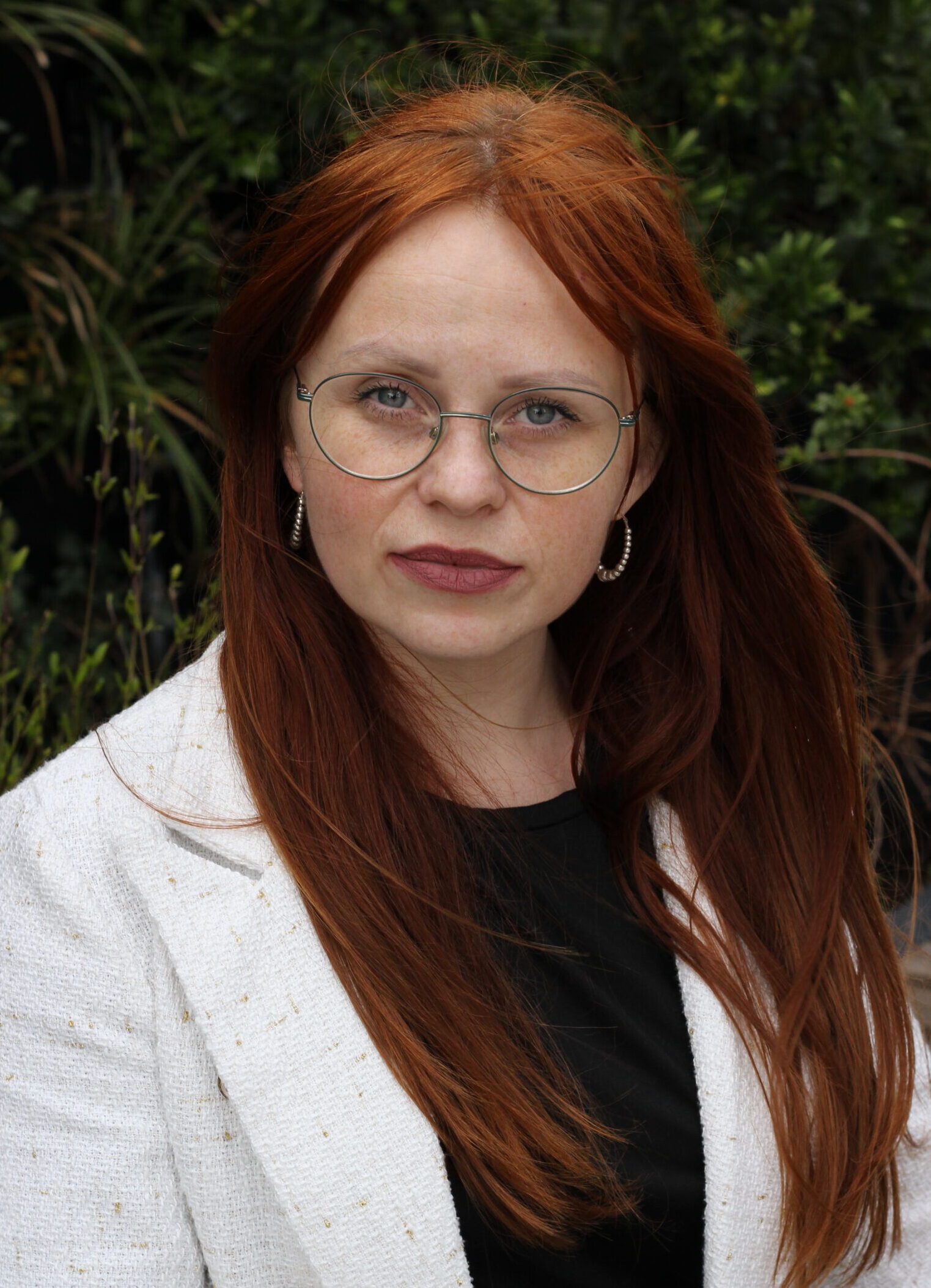
Alisa Bolokhovets — GEO Specialist
GEO for Event Planners

Alisa Bolokhovets

Founder, Geo Digital · 17+ years in Digital Marketing

I've spent 17+ years helping businesses get found online — across SEO, digital strategy and now AI search. With BAMS Digital, I've managed 7+ SEO teams, launched 60+ websites and driven significant growth for businesses across the UK and Europe.

I've spent eight years building visibility for service-based professionals in competitive niches, working extensively with event specialists, venue coordinators, and destination wedding planners across the UK, Europe, and Australia. My background in content strategy for high-touch professional services means I deeply understand how event clients research, evaluate vendors, and make booking decisions – whether through traditional search or increasingly through AI systems. I've worked with planners ranging from solo operators in regional markets to boutique teams in major cities, giving me direct experience with the specific challenges independent planners face competing against larger brands and digital-first agencies.

For event planners specifically, I focus on three core GEO strategies: first, creating original, defensible content that AI systems recognise as authoritative sources – detailed planning frameworks, case study analyses, industry research – then strategically placing this content where AI training systems access it for citation. Second, I develop structured data and citation patterns that make planners easily identifiable as experts in specific event categories, from sustainable weddings to tech conferences to luxury corporate events. Third, I build localised content strategies ensuring planners dominate AI responses for geography-specific planning queries, capturing high-intent, location-committed prospects. I work directly with ChatGPT, Perplexity's citation sources, and Google's AI Overview positioning, using platform-specific content approaches and citation monitoring to ensure planners appear consistently where clients research.

16 FAQ

Frequently Asked Questions — GEO for Event Planners

Event Planners · UK

How can I get my event planning business featured in ChatGPT responses when clients research wedding planners?

Getting featured in ChatGPT requires creating authoritative content that appears in publications and platforms ChatGPT's training data sources. Develop detailed wedding planning guides addressing specific client challenges – budget allocation, vendor selection, timeline management – and publish these through reputable industry publications, guest articles on wedding blogs, and your owned website. ChatGPT pulls from published content demonstrating expertise, so your guides, case studies, and planning frameworks become natural sources it cites. Focus on original research and insights – budgets for sustainable weddings, vendor evaluation frameworks, cost-saving strategies – rather than generic advice. Include your business name, credentials, and specialisation in these publications so ChatGPT associates your expertise with your brand. Consistency matters: multiple publications featuring your insights increase citation probability significantly.

What's the difference between appearing in Perplexity vs ChatGPT for event planning visibility?

Perplexity and ChatGPT differ significantly in visibility approaches, both valuable for event planners. Perplexity emphasises cited sources more explicitly, displaying author names and source links directly in responses, creating direct visibility and click-through pathways. When Perplexity recommends your planning approach, users see your name and can click directly to your content. ChatGPT provides more synthesised recommendations without explicit source attribution, meaning you influence responses less visibly but potentially reach broader audiences. For event planners, Perplexity citations often convert better because prospects see your credentials and can contact you directly, while ChatGPT recommendations build authority more subtly. An effective strategy targets both platforms simultaneously, developing content strategies where Perplexity sources content with clear attribution while ChatGPT recognises your expertise through published authority.

How do I optimise my event planning business for location-specific AI queries about planners near clients' locations?

Location-specific optimisation requires developing geographic-specific content addressing your target market's unique planning challenges. If you operate in Manchester, create content about Manchester-specific venues, local vendor networks, regional regulations, and area-specific event trends. Publish guides addressing Manchester wedding venues, corporate event spaces, and local vendor ecosystems. Include location names prominently in content and structured data so AI systems associate your expertise with specific geographies. Develop case studies highlighting events you've planned in your target location, emphasising regional challenges overcome and local vendor relationships. Guest articles in local publications, partnerships with regional venues, and content mentioning your location explicitly signal geographic focus to AI systems. This geographic specialisation ensures when prospects ask AI tools for "wedding planners near Manchester" or "corporate event coordinators in Manchester," your profile appears as a local authority.

What types of content do AI systems cite most frequently for event planning recommendations?

AI systems prioritise detailed, original content demonstrating specific expertise and problem-solving approaches. Event planning content most frequently cited includes: comprehensive planning guides addressing specific event types (sustainable weddings, corporate conferences, destination events), detailed case studies revealing planning challenges and solutions, vendor evaluation frameworks and templates, budget allocation guides and cost-saving strategies, timeline templates addressing specific event complexity, and industry research demonstrating trends or best practices. Case studies perform exceptionally well because they demonstrate real-world expertise application and measurable results. Vendor evaluation frameworks appeal to AI systems because they provide concrete decision-making tools clients value. Budget guides attract citations frequently because clients universally need budget guidance. Develop content combining expertise demonstration with practical utility – information clients genuinely need – rather than promotional marketing. AI systems recognise and cite genuinely helpful, detailed content significantly more than general marketing messages.

How do I measure whether my event planning GEO efforts are generating actual client inquiries?

Track AI-sourced inquiries systematically by asking new clients where they discovered you. Include this question in your inquiry form, initial consultation scripts, and email communication templates. Ask specifically: "Did you find us through ChatGPT, Perplexity, Google AI, another AI tool, or traditional search?" Track inquiries by source monthly, monitoring whether AI-sourced lead volume increases. Monitor your inquiry trends alongside AI visibility increases – as you appear more frequently in ChatGPT and Perplexity responses, your AI-sourced inquiries should increase correspondingly. Analyse AI-sourced lead quality by booking rate, contract value, and client satisfaction: do AI-sourced clients show better retention and satisfaction than other sources? For geographic specialisation, monitor geographic origin of inquiries: are AI-sourced leads increasingly from your target location? Compare conversion rates across sources – AI-sourced leads often convert 15-25% higher than other channels because prospects already researched and vetted you through AI.

Should I publish event planning content on my website or seek guest article opportunities for better AI visibility?

Both strategies serve complementary purposes, though guest articles often generate stronger AI citations initially. Publications AI training systems source regularly – industry websites, reputable wedding/corporate event publications, online magazines – provide more immediate AI visibility because AI systems already access and cite these sources. Guest articles positioning you as an expert with a publication byline generate citations more efficiently than equivalent content on your website. However, your website content supports broader GEO strategies by establishing your domain as an authority resource, improves Google AI Overview visibility where Google prioritises ranking sites, and captures organic traffic from traditional search. Optimal strategy combines both: publish major thought leadership and original research through established publications where AI systems readily cite it, then republish or reference this content on your website with proper attribution. This approach maximises AI citations through publication visibility while building your website authority and search rankings.

How often should I publish new content to maintain consistent AI visibility and citation frequency?

Consistency matters more than frequency for AI citation building. Publishing substantial, authoritative content monthly generates stronger results than frequent shallow content. Event planners benefit from publishing one major thought-leadership piece, detailed case study, or original framework monthly, preferably through a combination of owned content and guest publications. This sustains citation growth while managing workload realistically. Quality and relevance exceed quantity: one detailed, well-researched planning guide receives more citations than five generic posts. Publishing seasonal content addressing time-sensitive planning needs – wedding planning timelines September-January, corporate event planning Q1-focused – capitalises on seasonal query patterns. Maintain consistent publication cadence to ensure AI systems regularly discover your new content, but prioritise depth over frequency. As your citation authority establishes, less frequent publishing maintains visibility because accumulated citations continue generating recommendations without constant new content. Focus on evergreen content planners reference repeatedly rather than trendy pieces with limited citation longevity.

Can I improve my event planning visibility in Google AI Overviews differently than ChatGPT or Perplexity?

Google AI Overviews operate differently from ChatGPT or Perplexity, requiring adapted strategies. Google AI Overviews favour content from ranked websites and established publications, pulling from Google Search results for synthesis. This means strong Google rankings directly influence AI Overview visibility – content ranking top 5-10 positions feeds Google AI Overviews more frequently. Optimise for Google AI Overviews by developing content that ranks well traditionally: comprehensive guides addressing popular search queries, detailed case studies, and resource pages. Google AI Overviews also favour authoritative, established publications more heavily than ChatGPT, making guest articles in established industry publications particularly valuable. Structured data implementation – schema markup indicating your expertise, service areas, and specialisations – helps Google's AI systems understand and cite your content appropriately. While ChatGPT focuses on content authority, Google AI Overviews favour ranking signals and established domain authority. Your overall GEO strategy should address all platforms, but Google-specific optimisation emphasises traditional SEO fundamentals supporting AI Overviews visibility.

How do I create event planning case studies that AI systems frequently cite and prospects find compelling?

Effective event planning case studies follow a specific structure AI systems recognise as authoritative: begin with the planning challenge – budget constraints, venue limitations, complicated logistics, timeline pressure. Describe the specific problem clients faced in detail, establishing complexity and stakes. Present your planning approach and solutions systematically – vendor selection criteria, budget optimisation strategies, timeline management, contingency planning. Include measurable results: events delivered on budget, timeline success, guest satisfaction metrics, or specific outcomes clients valued. Anonymise client details for privacy while highlighting methodology specifically enough for readers to understand your approach. Include quotes from satisfied clients discussing their experience. Provide learnings applicable to similar planning scenarios, making the case study valuable for other prospects facing comparable challenges. Structure case studies with clear headings, specific details, and quantified results rather than vague success stories. Publish detailed case studies monthly, positioning yourself as someone who shares learnings and builds publicly verifiable track records. AI systems cite specific, detailed, results-driven case studies far more frequently than promotional content, making case study publication a critical GEO strategy for event planners.

What vendor partnerships or industry collaborations improve my event planning AI visibility?

Strategic partnerships with venues, vendors, and industry platforms generate collaborative content opportunities increasing AI citations. Develop joint guides with preferred venues – "Planning Ceremonies at [Venue]: Complete Guide" – that appears on venue websites where AI systems access it. Partner with vendors for frameworks: "Evaluating Corporate Event Caterers: 5 Critical Questions" published through catering partnerships. Join industry associations publishing expert recommendations and showcasing member expertise. Contribute expertise to wedding publication roundtables, industry reports, and trend analyses where multiple experts discuss event planning topics. Collaborate with other specialists – florists, photographers, musicians – on comprehensive event planning guides combining multiple vendor perspectives. These collaborations increase citation frequency because content appears across multiple publisher platforms, and AI systems weight recommendations appearing in collaborative content more heavily than individual self-promotion. Partnerships with established publications expand reach significantly: your expertise featured in reputable industry publications generates citations traditional self-published content struggles to match. Focus partnerships on venues and vendors you genuinely use and recommend, ensuring authentic collaboration that provides genuine value to prospects researching events.

How do I handle confidentiality concerns when creating event planning case studies for AI visibility?

Client confidentiality and case study publication require careful balance. Develop anonymised case studies highlighting planning approaches without revealing client identity – change client names, specific event dates, and identifying details while keeping planning challenges and solutions detailed and specific. Focus case study learning on methodology, decision-making, and problem-solving rather than client-specific information. Obtain written permission from clients before publishing any case studies, even anonymised ones, respecting their privacy preferences. Many high-profile clients appreciate anonymised case studies demonstrating your expertise without naming them specifically. Develop generalised frameworks from multiple events – budgeting approaches, vendor selection criteria, timeline strategies – applicable across events without revealing specific client situations. Consider case study categories: "Destination Wedding Planning," "Corporate Conference Coordination," "Sustainable Event Planning" rather than individual client stories, showcasing expertise across categories. Ask satisfied clients if they'd allow case study publication using their names – many appreciate the recognition and referral opportunities. The content value comes from demonstrating planning expertise and problem-solving, not from client identity, so compelling anonymised case studies serve AI visibility and confidentiality simultaneously.
Related Industries

Find out if AI
recommends your
Event Planner.

See exactly how AI sees your business — no commitment.