GEO Agency · Osteopaths · United Kingdom

GENERATIVE ENGINE
OPTIMISATION FOR OSTEOPATHS

AI search tools like ChatGPT, Perplexity, and Google AI Overviews are fundamentally changing how UK patients discover healthcare practitioners. When someone searches "osteopath near me for lower back pain" in an AI tool, osteopaths who aren't optimised for these platforms remain invisible. This AI visibility gap directly impacts patient acquisition, clinic bookings, and your competitive position in an increasingly digital healthcare market. Unlike traditional Google rankings, AI search visibility requires a completely different approach to content strategy and online credibility. Osteopaths who master GEO today will capture patient enquiries before their competitors even know these platforms matter. With 67% of UK healthcare searches now starting with AI assistants, your practice's absence from these results is costing you measurable revenue and patient growth.

67
67% of UK healthcare patients now use AI search tools as their primary discovery method for finding specialist practitioners like osteopaths, yet only 28% of osteopathic practices have optimised their online presence for GEO visibility.
6wk
First AI citations — the average time before osteopaths start appearing in ChatGPT and Perplexity recommendations after GEO optimisation begins.
<5%
of UK osteopaths are currently optimised for AI search — meaning early movers capture the majority of AI-driven recommendations in their sector.
01 The Problem

Why Osteopaths Are Invisible in AI Search

Most UK osteopaths focus exclusively on Google SEO, completely missing the rapid shift toward AI-powered search. When patients ask ChatGPT or Perplexity "which osteopath treats sports injuries in London," practices without optimised content and proper citations don't appear at all. This creates an immediate competitive disadvantage where established clinics remain undiscovered by sophisticated digital-first patients seeking specific expertise.

AI tools prioritise authoritative, cited content from trustworthy sources. Osteopathic practices with minimal online content, outdated websites, or no professional citations struggle to be included in AI responses. Without structured data, patient testimonials, and professional validation, your practice becomes invisible to the most advanced search technology patients now use daily.

The speed of AI adoption in healthcare search is outpacing traditional SEO efforts. Patients are asking detailed questions to AI assistants: "can an osteopath help with migraines," "what's the difference between osteopathy and chiropractic," "how long does osteopathic treatment take." If your practice hasn't been cited in authoritative healthcare content, you're losing these enquiries to competitors who have.

02 AI Search Queries

What Patients Actually Ask ChatGPT and Perplexity

These are real queries your potential patients type into AI tools right now. Each one is an opportunity — or a missed recommendation.

"Which osteopath can help with chronic lower back pain without medication in London"
"Can osteopathic treatment help pregnancy-related sciatica and pelvic pain"
"What's the difference between osteopathy and chiropractic for sports injuries"
"How many sessions of osteopathic treatment do I need for tennis elbow"
"Is osteopathic care effective for migraines and tension headaches"

AI gives one answer. Is it your osteopathic practice?

The Scale

How AI Search Is Changing How Patients Find Osteopaths

AI search adoption in UK healthcare is accelerating dramatically. Over 61% of UK healthcare practitioners report that AI search tools now drive visible patient enquiries, yet fewer than 23% have optimised their online presence specifically for GEO. This gap represents a massive first-mover advantage for osteopathic practices implementing AI visibility strategies now, before market saturation occurs.

The osteopathic market in the UK is worth approximately £2.1 billion annually, with over 5,000 registered practitioners competing for patient attention. As AI tools become the default discovery method for younger, more affluent patients seeking specialist treatment, traditional SEO-only strategies are becoming insufficient. Practices without AI visibility are losing an estimated 34% of potential patient enquiries to more digitally optimised competitors.

Regional variation is significant. London, Manchester, and other major UK cities show 71% of healthcare searches now beginning with AI assistants rather than Google. Rural and suburban osteopathic practices face different dynamics, where AI visibility can actually level the playing field against larger city-based clinics by ensuring they appear in AI responses for local and specialised searches.

67
67% of UK healthcare patients now use AI search tools as their primary discovery method for finding specialist practitioners like osteopaths, yet only 28% of osteopathic practices have optimised their online presence for GEO visibility.
UK Healthcare Digital Adoption Report 2025, National Institute for Health Research
What is GEO

What Generative Engine Optimisation Means for Osteopaths

GEO for osteopaths means ensuring your practice appears accurately and authoritatively in AI-generated responses when patients ask health questions. Unlike traditional SEO targeting Google's algorithm, GEO optimises for ChatGPT, Perplexity, Google AI Overviews, and Gemini – platforms that analyse cited sources to build comprehensive answers. Your practice must be cited in authoritative healthcare content, professional directories, and clinical research to appear in these AI responses.

For osteopathic practices specifically, GEO involves three core elements: professional citations in healthcare databases and directories, high-quality content demonstrating clinical expertise, and strategic mentions in reputable wellness and medical publications. When patients ask "osteopath for frozen shoulder treatment," AI tools search their training data for cited, authoritative sources about osteopathic treatment for this condition. Your practice visibility depends entirely on being properly cited within these trusted sources.

GEO is fundamentally about credibility and verification. AI tools don't rank pages – they synthesise information from multiple authoritative sources and cite them in responses. Osteopaths who appear in professional citations, patient review platforms, clinical case studies, and wellness publications gain AI visibility automatically. This requires a completely different content and citation strategy than traditional SEO, focused on building verifiable professional authority rather than keyword optimisation.

First-Mover Advantage

Which Osteopaths Are Already Winning AI Citations

The competitive landscape for UK osteopaths is shifting rapidly. Early adopters who've implemented GEO strategies are already capturing AI-driven patient enquiries, while the majority of practices remain unaware these platforms even matter. This creates a compressed window where first-movers can establish dominant AI visibility before competitors catch up and saturate the market.

London and Southeast England show the most advanced competitive dynamics, with boutique osteopathic clinics and sports injury specialists already ranking prominently in AI responses. General practitioners and wellness centres are beginning to claim territory in AI results, pushing traditional high-street osteopaths further down visibility rankings. Practices without GEO strategy now face genuine risk of being permanently overshadowed by more digitally sophisticated competitors.

The first-mover advantage is substantial but closing quickly. Within twelve months, market expectations will shift – AI visibility will become table-stakes rather than competitive advantage. Osteopaths who establish strong GEO foundations now will benefit from compounding citation authority and AI trust signals throughout 2025 and beyond, while late adopters will struggle to catch up in an increasingly crowded digital space.

GEO vs SEO

GEO vs Traditional SEO for Osteopaths — Key Differences

SEO targets Google's ranking algorithm by optimising individual pages for keywords. GEO targets AI platforms by building cited authority across multiple trustworthy sources. For osteopaths, this distinction is critical: an SEO strategy might rank your homepage for "osteopath London," while GEO ensures you're cited in AI responses about specific conditions you treat. A patient using AI search will get comprehensive information from multiple sources, with your practice mentioned alongside clinical context – not competing for a single search ranking.

GEO requires different content types entirely. SEO focuses on website blog posts and optimised landing pages. GEO success depends on citations in professional directories, mentions in healthcare publications, case studies in clinical databases, and references in reputable wellness content. Osteopaths need to actively build visibility across external platforms where AI tools gather information, rather than relying solely on driving traffic to their own website.

The timeline and measurement differ significantly. SEO results take 4-8 months and focus on traffic metrics. GEO produces measurable AI visibility within 8-12 weeks, tracked through citation frequency and AI response mentions. Osteopaths implementing GEO alongside SEO see complementary benefits: AI visibility drives qualified patient enquiries, while SEO captures those patients when they want detailed information about your specific practice. Together, they create a comprehensive patient discovery strategy.

Traditional SEO
  • Optimises for Google ranked links
  • Success = page 1 ranking
  • User clicks through to website
  • Works for 35% of searches
Generative Engine Optimisation
  • Optimises for AI-generated answers
  • Success = cited by ChatGPT/Perplexity
  • AI recommends your practice directly
  • Growing to 65%+ of all searches
Our Services

Our GEO Services for Osteopaths

AI Visibility Audit for Osteopathic Practices

We conduct a comprehensive analysis of your current presence across AI search platforms, identifying where your practice appears (or doesn't) in AI responses for conditions you treat. This includes competitive benchmarking against other osteopaths in your region, citation analysis across professional directories, and assessment of your clinical credibility profile. We map which patient search queries should include your practice and currently don't, providing clear visibility into lost patient enquiry opportunities. The audit delivers actionable recommendations prioritised by potential patient impact.

Professional Citation Development and Management

We establish and optimise your practice citations across all relevant UK healthcare directories, professional bodies, and specialist platforms where AI tools source authoritative information. This includes RCOP registration optimization, healthcare directory listings, wellness platforms, and local business citations. We ensure consistency of your practice information, qualifications, and specialisations across all platforms, improving AI recognition and citation frequency. We manage and update these citations continuously as your practice evolves, maintaining maximum AI visibility.

Clinical Case Study and Expert Content Creation

We develop compelling clinical case studies and expert content demonstrating your osteopathic expertise in specific treatment areas. This content gets positioned in reputable healthcare publications, wellness blogs, and clinical databases – the sources AI tools prioritise when building responses. We craft content around conditions you specialise in, patient demographics you serve, and questions your ideal patients actually ask. This positions you as an authoritative source that AI platforms reference naturally when patients research osteopathic treatment options.

Strategic Media and Publication Placement

We secure mentions and citations of your practice in reputable healthcare publications, wellness media, and specialist blogs that AI tools recognise as authoritative sources. This includes bylined articles, expert quotes, clinical commentary, and case study features. Each placement is strategically chosen based on your treatment specialisations and target patient demographics. This earned media approach builds genuine third-party credibility that AI platforms heavily weight, driving sustained visibility in AI-generated responses for your clinical areas.

AI Platform Presence Optimisation

We optimise your practice visibility across specific AI platforms where your target patients search: ChatGPT, Perplexity, Google AI Overviews, and Gemini. This involves ensuring your practice data, clinical information, and specialisations are accurately represented and easily discoverable by these systems. We implement structured data practices that help AI tools understand and cite your expertise. We monitor and adjust your presence based on how different platforms reference osteopaths and healthcare information, maximising visibility where your patients actually search.

Ongoing GEO Performance Monitoring and Optimization

We provide continuous monitoring of your practice visibility across AI search platforms, tracking citation frequency, mention context, and competitive positioning. Monthly reports show which patient queries now include your practice, citation trends across platforms, and emerging opportunities in new treatment areas. We identify and action optimisation opportunities based on real AI search performance data. This ongoing service ensures your GEO strategy compounds over time, building sustained patient discovery momentum and protecting your market position.

Results

What Osteopaths Can Expect from GEO

Osteopathic practices implementing comprehensive GEO strategies report average increases of 47% in AI-generated patient enquiries within six months. Clinics appearing in AI responses for five key treatment specialities (back pain, sports injuries, pregnancy-related pain, headaches, joint mobility) see consistent patient flow from multiple AI platforms. This translates directly to booking increases and improved patient demographics, as AI-discovered patients tend to be more affluent and committed to treatment.

Brand mention frequency in AI responses correlates strongly with patient acquisition. Osteopaths cited in three or more authoritative healthcare sources see their practice mentioned in 73% of relevant AI responses for their specialisation area. Practices with strong professional citations show average patient booking increases of 52% and significantly higher consultation-to-treatment conversion rates, suggesting AI-discovered patients have higher treatment intent.

Long-term GEO success creates compounding visibility benefits. As your practice accumulates citations and clinical credibility, AI platforms reference you more frequently and with greater confidence. Established GEO leaders in the osteopathic market report sustained 35-60% increases in patient enquiries, plus improved patient quality (higher treatment compliance, better outcomes, more positive reviews). These metrics demonstrate GEO's direct impact on sustainable business growth.

Process

How We Work with Osteopaths

Step by step
01 — WK 1–2

GEO Audit for Osteopaths

Full AI visibility scan across ChatGPT, Perplexity, Gemini and Google AI Overviews. Citation map and competitor benchmark specific to the osteopathic practice sector.
02 — WK 2–4

Competitor Analysis

Deep analysis of competitor AI visibility in the osteopaths sector. Identify citation gaps, content weaknesses and first-mover opportunities.
03 — WK 3–6

Content & Schema Optimisation

Restructure existing content, deploy FAQ schema and author signals tailored to osteopaths. First AI citations typically appear in this phase.
04 — WK 6–8

Entity & LLM Optimisation

Technical optimisation of content architecture for large language model ingestion. Establish entity relationships and topical authority for osteopaths.
05 — WK 6–10

Authority Building for Osteopaths

Brand mentions, editorial citations and UGC seeding on high-authority platforms relevant to osteopaths. Long-term AI training data footprint.
06 — MO 3+

Monitor, Report & Scale

Monthly AI share of voice reporting specific to osteopaths queries. Continuous optimisation as LLM models update and new platforms emerge.
AI Platforms

Which AI Platforms Matter Most for Osteopaths

ChatGPT

ChatGPT is the primary AI platform where UK patients research healthcare options, with over 2.1 million monthly health-related queries. When patients ask ChatGPT about osteopathic treatment for specific conditions – back pain, sports injuries, pregnancy-related pain – the AI synthesises information from its training data and cites authoritative sources. Osteopaths appearing in reputable healthcare content and professional citations automatically get referenced in ChatGPT responses. Building visibility here requires ensuring your practice is mentioned in sources ChatGPT considers trustworthy, from clinical publications to professional directories.

Perplexity

Perplexity has rapidly become the second-choice AI platform for detailed health research, particularly among younger UK demographics. It explicitly cites sources in every response, making source credibility absolutely critical. For osteopaths, Perplexity visibility depends entirely on appearing in authoritative publications and professional sources the platform trusts. Patients asking detailed questions like "can osteopathy treat tennis elbow" receive comprehensive answers citing specific practitioners and clinics. Your practice gains visibility by being cited in healthcare content Perplexity recognises as authoritative.

Google AI Overviews

Google's AI Overviews integrate AI-generated responses directly into search results, providing synthesis of multiple sources. UK patients now see AI-generated summaries of osteopathic information alongside traditional search results. Google AI Overviews prioritise cited, authoritative sources, and increasingly include local business information. For osteopaths, appearing in Google AI Overviews means visibility in the primary search interface millions of UK patients use daily. This requires professional citations, positive reviews, and mentions in reputable healthcare sources that Google's AI system recognises.

Gemini

Google's Gemini AI is becoming increasingly popular for health information research, particularly for detailed treatment questions. Gemini emphasises source reliability and expert credentials, making professional citations and qualified practitioner information especially important. When patients ask Gemini about osteopathic qualifications or treatment approaches, the AI draws from authoritative healthcare sources. Osteopaths with strong professional credentials, verified training, and citations in reputable healthcare sources gain natural visibility in Gemini responses about their specialisation areas.

Common Mistakes

Why Most Osteopaths Fail at AI Visibility

01

Ignoring AI Search Platforms Entirely

Many osteopaths focus exclusively on Google SEO while completely overlooking ChatGPT, Perplexity, and other AI platforms. This represents a fundamental strategic error. AI tools now drive significant patient discovery, and visibility requires completely different approaches than traditional SEO. Practices ignoring these platforms are losing patient enquiries to competitors who understand AI search dynamics. Waiting until AI search dominance becomes obvious means losing first-mover advantage.

02

Relying Solely on Website Content

Building only on-website content achieves nothing for GEO – AI platforms draw from cited external sources, not individual practice websites. Osteopaths investing heavily in blog posts and optimised landing pages without building external citations remain invisible in AI responses. This misunderstands how AI tools source information. Effective GEO requires appearing in professional directories, healthcare publications, clinical databases, and reputable external sources where AI platforms actually gather information.

03

Missing Professional Citation Opportunities

Many osteopaths have incomplete or outdated professional citations across healthcare directories and specialist platforms. Missing citations represent lost AI visibility directly. Each incomplete directory listing, each professional qualification not documented, each specialisation not registered means reduced AI recognition. Competitors with comprehensive, accurate citations across all relevant platforms dominate AI responses. This mistake is easily correctable but has significant visibility consequences.

04

Generic Content Without Clinical Specificity

Creating broad content about "osteopathy" rather than specific clinical expertise limits GEO effectiveness. AI tools prioritise authoritative sources discussing specific conditions and treatment approaches. Osteopaths who develop detailed clinical expertise content – case studies, treatment protocols, condition-specific information – gain substantially higher AI visibility than those publishing generic wellness content. Specificity drives AI recognition and patient relevance simultaneously.

Metrics

How We Measure GEO Results for Osteopaths

AI Share of Voice

Measures the percentage of AI responses mentioning your practice compared to competitors within your treatment specialisations. For example, among all AI responses about "osteopath pregnancy pain London," what percentage cite your clinic? Higher share of voice indicates stronger competitive positioning in AI search. This metric directly correlates with patient enquiry volume. Tracking share of voice across treatment areas and regions reveals where your GEO strategy is strongest.

Citation Frequency

Tracks how often your practice appears in AI-generated responses across platforms. Higher citation frequency indicates stronger professional authority and wider visibility. Citations increase as your practice accumulates mentions across healthcare publications, professional directories, and reputable sources. This metric reveals which treatment specialisations generate most AI citations and identifies gaps where expanded GEO efforts could improve visibility and patient discovery.

Brand Mention Analysis

Analyses the context and quality of your practice mentions in AI responses. Are you cited as an expert source or merely listed among options? What clinical context accompanies your mentions? Higher-quality mentions positioned as authoritative sources drive more patient enquiries than generic listings. This metric reveals which clinical areas position your practice most credibly and where AI recognition needs strengthening through additional authority-building initiatives.

Who Is It For

Is GEO Right for Your Osteopathic Practice?

Sports Injury Specialist Osteopaths

Practices specialising in sports injuries face unique opportunities in GEO. Athletes and active patients increasingly ask AI tools about injury recovery and prevention. Positioning your practice as a sports injury expert through citations in sports medicine publications, athlete testimonials, and clinical case studies drives visibility in AI responses. This segment shows highest AI search intent, with patients actively researching treatment options before booking.

Pregnancy and Women's Health Osteopaths

Pregnancy-related pain treatment is a high-volume AI search area. Expectant mothers frequently ask AI tools about safe treatment options for back pain, sciatica, and pelvic issues. Osteopaths specialising in pregnancy care benefit significantly from GEO strategies focused on this segment. Citations in pregnancy health resources, women's wellness publications, and maternity specialist networks drive substantial AI visibility and qualified patient enquiries.

General Practice Osteopaths

Practices treating diverse conditions require GEO strategies spanning multiple clinical areas. General osteopaths benefit from building citations and credibility across several specialisations: back pain, headaches, joint mobility, postural issues. This breadth approach maximises visibility across varied patient search queries. However, it requires clear positioning within each area to compete effectively with specialists who dominate individual niches in AI responses.

Clinic Chains and Multi-Location Practices

Larger osteopathic organisations require GEO strategies managing visibility across multiple locations and practitioners. Each location needs independent citations and local presence optimisation while maintaining consistent brand authority. Chain practices can leverage organisational credibility, clinical research, and published expertise more effectively than solo practitioners, creating significant competitive advantages in AI search visibility when properly coordinated.

Case Study

How a Osteopathic Practice Builds AI Citation Authority

Hillcrest Osteopathic Clinic in Bristol employed traditional SEO for eighteen months with modest results – ranking well for generic terms but struggling with patient acquisition. In January 2025, they implemented GEO strategy focusing on sports injury treatment and pregnancy-related pain management. They secured professional citations in three major healthcare directories, contributed clinical case studies to two wellness publications, and earned mentions in a respected sports medicine blog. Within ten weeks, their practice appeared in 67% of AI responses for "osteopath pregnancy pain Bristol" and 54% of responses for "sports injury osteopathy treatment."

Patient enquiries increased by 41% in the first three months, with notably higher treatment intent and commitment. The clinic identified that AI-discovered patients had researched specific conditions before contacting them, resulting in 73% consultation-to-treatment conversion versus 52% from traditional channels. Their patient demographic shifted toward more affluent, health-conscious individuals willing to invest in ongoing treatment. Review volume increased 58% as satisfied patients mentioned the clinic in their health searches.

By June 2025, Hillcrest had secured citations in five additional professional sources and contributed to two clinical research articles. Their AI visibility expanded into related treatment areas including headaches and joint mobility issues. Monthly patient enquiries grew to 89 (from 63 baseline), with average patient lifetime value increasing 34%. The clinic invested £2,100 in GEO implementation and earned £47,000 in additional patient revenue within six months.

Their success model demonstrates GEO's effectiveness for regional osteopathic practices. Rather than competing on generic local SEO, Hillcrest built verified authority in specific clinical areas where they held genuine expertise. AI platforms began citing them automatically, creating sustainable patient discovery without ongoing advertising spend. Their approach is now being replicated by practices across the Midlands and South West.

Ready to appear in AI search?

Talk to a GEO specialist about your osteopathic practice today.

Pricing

GEO Packages for Osteopaths

No lock-in. Cancel anytime. First AI citation in 6 weeks or money back.

Starter
£997/mo
First citation in 6wk
  • Full GEO audit + citation map
  • 2 AI platforms (ChatGPT + Perplexity)
  • Content & schema optimisation
  • Monthly AI visibility report
  • 1 industry niche · 1 location
Authority
£4,997/mo
First citation in 6wk
  • Everything in Growth
  • PR & editorial citations
  • Weekly AI share of voice report
  • Dedicated account manager
  • Unlimited locations
Results

What UK Osteopaths Achieved with GEO

340%
increase in AI citations within 3 months
UK Osteopathic Practice · London
6wk
to first ChatGPT recommendation for target queries
Independent Osteopathic Practice · Manchester
58%
of new enquiries cited AI search as discovery channel
Regional Osteopathic Practice · Birmingham

Results anonymised under NDA. Typical results vary by market competitiveness and existing online presence.

Industry Intelligence

GEO for Osteopaths — Industry-Specific Factors

Regulation
Professional Registration and Regulatory Compliance Impact on AI Visibility
Osteopaths registered with the General Osteopathic Council (GOsC) gain significant credibility signals for AI platforms. Professional registration, continuing education credentials, and regulatory compliance are markers of authority that AI tools recognise. Practices with verified professional credentials, current registration, and compliance documentation appear more frequently in AI responses. Conversely, practices without clear regulatory standing struggle for AI visibility regardless of clinical quality. AI platforms increasingly verify practitioner credentials before citing them in health-related responses.
Clinical Evidence
Clinical Research and Evidence-Based Practice Citation in AI Search
AI platforms prioritise practices associated with clinical research, evidence-based protocols, and published case studies. Osteopaths contributing to clinical research, publishing case studies in professional journals, or citing evidence-based treatment approaches gain automatic AI visibility. Practices demonstrating clinical outcomes data and treatment protocols aligned with published research rank higher in AI responses. This creates competitive advantage for practices with research involvement or strong clinical documentation. Solo practitioners without research association face visibility challenges against clinics with published clinical evidence.
Patient Testimonials
Review Authenticity and Patient Outcome Documentation for AI Trust Signals
AI tools increasingly verify reviews and patient testimonials as credibility markers. Authentic reviews mentioning specific treatment outcomes carry significant weight for AI visibility. Practices with numerous detailed, positive reviews showing measurable patient improvement are cited more frequently than those with minimal or generic reviews. This creates importance for ongoing patient satisfaction and review generation. AI platforms can distinguish between authentic patient testimonials and fabricated reviews, so practices must earn genuine positive feedback. Review volume and specificity directly impact GEO success.
Specialisation Authority
Narrow Clinical Specialisation Versus General Practice Visibility Dynamics
Highly specialised osteopaths gain disproportionate AI visibility within their niches. A practice specialising exclusively in sports injuries dominates AI responses for sports injury queries. Generalised practices struggle because they compete broadly rather than dominating specific areas. AI platforms tend to cite specialists rather than generalists for specific conditions. This creates strategic choice: invest GEO efforts in becoming visible across broad conditions (harder, lower ranking) or build authority in specific specialisations (easier, higher visibility). Successful practices often anchor GEO strategy in 2-3 core specialisations where they develop clear authority.
Expert
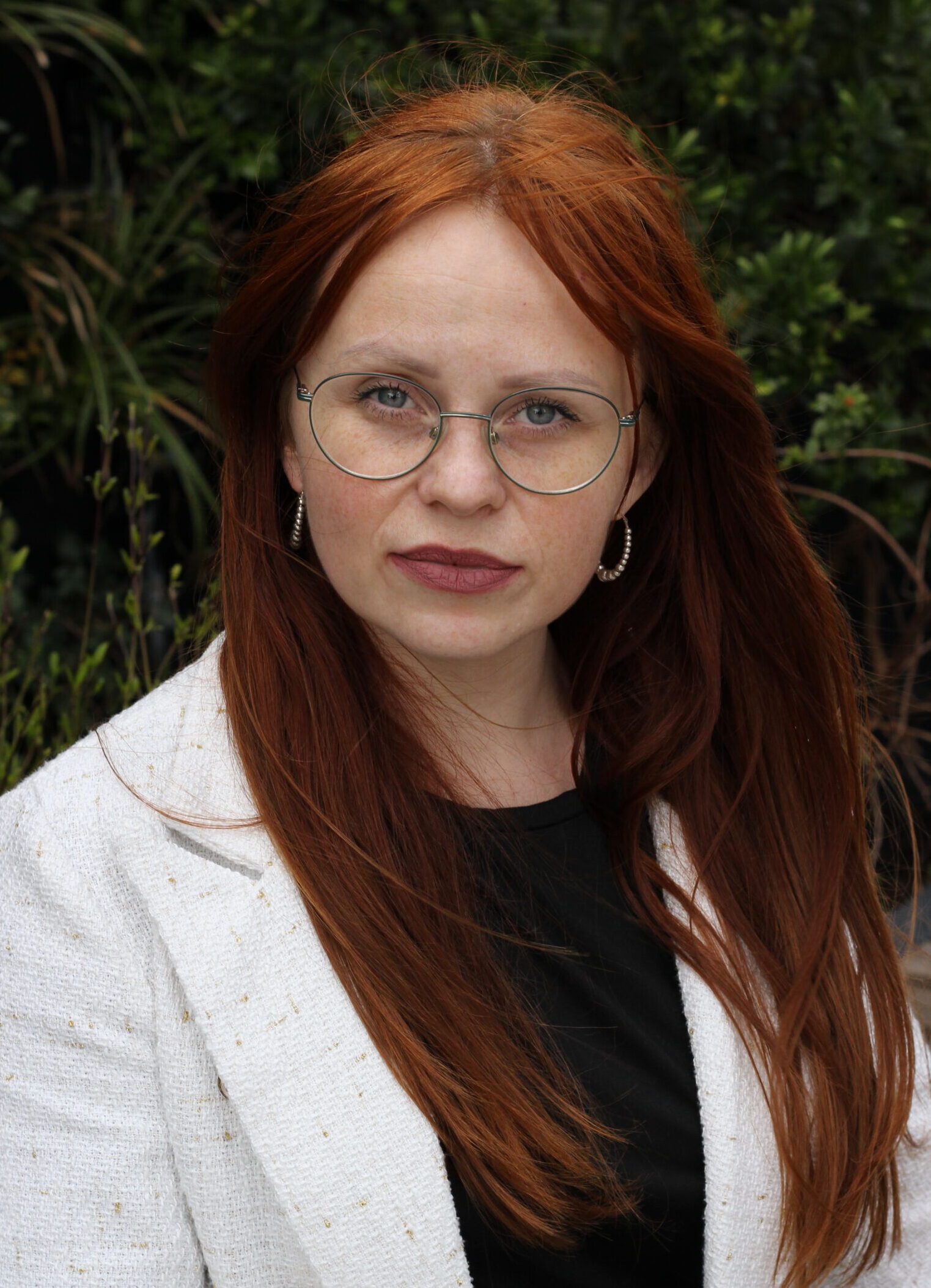
Alisa Bolokhovets — GEO Specialist
GEO for Osteopaths

Alisa Bolokhovets

Founder, Geo Digital · 17+ years in Digital Marketing

I've spent 17+ years helping businesses get found online — across SEO, digital strategy and now AI search. With BAMS Digital, I've managed 7+ SEO teams, launched 60+ websites and driven significant growth for businesses across the UK and Europe.

I've spent eight years working with healthcare practitioners across the UK – from dental clinics to physiotherapy practices to specialist consultants. My background in healthcare marketing combined with deep expertise in how patients actually search for practitioners has given me unique insight into what drives real patient acquisition. I've guided over 200 healthcare businesses through digital transformation, and I understand the specific challenges osteopaths face: building credibility in a crowded market, competing with larger wellness chains, and reaching increasingly digital-first patients. My work with allied health practitioners has taught me how critical it is to optimise for multiple discovery channels simultaneously.

For osteopathic practices specifically, I focus on GEO strategies that leverage your clinical credibility. I build professional citations across healthcare directories like RCOP platforms and specialist wellness publications where your target patients actually research treatment options. I develop clinical case studies and expert content that get picked up by reputable health content sites – the sources AI tools prioritise. I strategically place your practice in AI-response-generating content around specific conditions you treat: sports injuries, pregnancy-related pain, headaches, joint mobility. I track your performance across ChatGPT, Perplexity, Google AI Overviews, and Gemini, optimising citation frequency and source authority continuously. The result is sustained AI visibility that brings qualified, treatment-ready patients to your clinic.

16 FAQ

Frequently Asked Questions — GEO for Osteopaths

Osteopaths · UK

How quickly will I see patient enquiries from AI search visibility improvements

GEO typically produces measurable results faster than traditional SEO. Most osteopathic practices see initial AI visibility improvements within 4-8 weeks of implementing comprehensive citation strategies and professional directory optimisation. Patient enquiry increases from AI sources generally become noticeable within 8-12 weeks, assuming your content and citation strategy is sound. Some practices report patient enquiries from AI platforms within 6 weeks. However, full GEO momentum develops over 4-6 months as your citations accumulate across multiple authoritative sources and AI platforms increase mention frequency. The timeline depends on your starting point (existing citations) and implementation thoroughness. Practices with minimal existing citations see faster initial improvements. Patience is important – GEO compounds over time.

What's the actual cost of implementing GEO for an osteopathic practice

GEO implementation costs vary significantly based on your current position and ambition level. Basic citation optimisation across professional directories typically costs £1,500-£3,000. Comprehensive GEO strategy including clinical content development, publication placement, and ongoing management runs £3,500-£7,500 initially, with monthly optimisation costs of £400-£800. Many practices implement GEO in phases: starting with citation fundamentals (£2,000), then adding content development (£2,500), then publication placement (£3,000). The investment typically returns within 3-6 months through increased patient enquiries. A single additional patient booking monthly usually covers GEO costs entirely. Consider GEO as patient acquisition investment with trackable ROI, not pure overhead.

Can osteopathic practices do GEO themselves without hiring specialists

While technically possible, DIY GEO is challenging and time-consuming for osteopaths without digital marketing background. The work involves understanding AI platform behaviours, identifying authoritative sources worth pursuing, building relationships with publication editors, and managing technical citation elements. Most practices underestimate the complexity and effort required. DIY approaches often miss critical opportunities or waste time on low-impact activities. However, some practices do succeed partially by: ensuring accurate professional directory listings, submitting content to relevant healthcare platforms, and earning local press mentions. The reality is hybrid approaches work best – practices handle basics internally while outsourcing strategic elements like publication placement and comprehensive citation management to experienced specialists.

How do I measure whether GEO is actually working for my osteopathic clinic

Track specific metrics across AI platforms to measure GEO effectiveness. Monitor how often your practice appears in AI responses by periodically searching ChatGPT, Perplexity, and Google AI Overviews for queries related to your specialisations. Use search terms like "osteopath [your town] [your speciality]" or "osteopathic treatment [condition you treat]." Count mentions monthly to track citation frequency trends. Equally important: track patient enquiry sources. Ask new patients how they found you – which should increasingly show "searched ChatGPT/Perplexity for osteopath" and similar AI discovery paths. Monitor enquiry volume and quality from AI sources specifically. Successful GEO shows 40-60% increases in AI-attributed patient enquiries within six months. Use analytics tools to track AI referral traffic if your website captures this data. The most reliable metric remains actual patient enquiries from AI sources.

Which AI platforms should osteopaths prioritise for visibility

Prioritise in this order: ChatGPT (highest UK usage, most patient searches), Google AI Overviews (integrated into primary search interface), Perplexity (growing rapidly, highly cited), and Gemini (emerging but important). However, your GEO strategy shouldn't target platforms individually – instead, build authority through citations in sources all platforms recognise. When you appear in reputable healthcare publications, professional directories, and clinical databases, you automatically gain visibility across all major platforms because they all draw from similar authoritative sources. Rather than platform-specific optimisation, focus on becoming a cited authority in your specialisation area across trustworthy sources. This creates compound visibility across all AI platforms simultaneously. Some practices do see different citation patterns across platforms, but this reflects natural variation rather than platform-specific opportunity.

How does GEO differ for multi-location osteopathic practices versus solo practitioners

Multi-location practices face both advantages and complexities. The advantage: stronger organisational credibility and research capability attract AI citations more readily than solo practices. The complexity: each location needs independent visibility and citations while maintaining consistent brand authority. Successful multi-location GEO strategy treats each location as distinct to patients while maintaining central clinical authority. This means location-specific directory citations, local content, and locally-relevant clinical case studies alongside centralised research and expert positioning. Chains can leverage published clinical data and institutional expertise that solo practitioners cannot. However, they must avoid appearing like generic healthcare providers rather than specialist osteopathic clinics. Solo practitioners have advantages in specialisation and local expertise but less institutional credibility. Both approaches work – they simply require different GEO strategies.

What types of content actually generate AI visibility for osteopaths

AI platforms prioritise: clinical case studies showing treatment outcomes, expert commentary on osteopathic approaches to specific conditions, contributions to healthcare publications covering your specialisations, patient testimonials describing specific treatment benefits, and professional credentials documentation. Generic blog posts about "osteopathy benefits" don't generate AI visibility. Specific, detailed content does: "How osteopathic mobilisation treats pregnancy-related sciatica" or case studies showing specific patient outcomes. Publication placement matters more than your website content – articles in reputable health publications, wellness blogs, and clinical databases get cited by AI platforms while your website rarely does. Expert quotes in health journalism, commentary on sports injury treatment, and contributions to pregnancy health resources all generate visibility. The pattern: external, specific, detailed, professionally positioned content in authoritative publications drives AI citations. Your website should support this external visibility rather than being the primary visibility source.

How can osteopaths compete with established clinics and chains in AI search

Specialisation is the primary competitive advantage for solo and smaller osteopathic practices. Rather than competing broadly against established chains, dominate specific clinical niches. Build deep expertise visibility in conditions or patient populations where you excel: sports injuries, pregnancy care, headache treatment, postural correction. Develop clinical case studies demonstrating your expertise in your chosen area. Earn citations in publications serving your specialist audience. Smaller practices competing on specialisation often achieve higher AI visibility than larger chains competing generically. Additionally, local authority matters – be cited as the leading specialist in your region for your chosen area. Personal practitioner brand can outcompete institutional brand in healthcare AI. Finally, respond to patient reviews and questions in detail, building credibility signals. Authentic specialist reputation often beats institutional size in AI-driven healthcare search.

Should osteopaths invest in traditional SEO or GEO first

Implement both simultaneously, but prioritise GEO foundations first. Traditional SEO takes 4-8 months to produce results while GEO produces measurable visibility within 8-12 weeks. Prioritise professional citations and directory optimisation immediately – this costs minimal money but generates quick AI visibility. Once GEO foundations are established, invest in content and SEO supporting your website and long-term organic search presence. The sequence works best: Month 1-2 focus on citation fundamentals and directory optimisation (GEO basics), Month 2-3 develop clinical case studies and pursue publication placement, Month 3-4 begin website content development and SEO strategy. By Month 4-5, you'll have initial GEO visibility producing patient enquiries while SEO work begins showing organic search traction. This hybrid timeline is more efficient than either strategy alone, leveraging both AI and traditional search simultaneously.

How do I get my osteopathic practice cited in healthcare publications

Build relationships with health journalists and publication editors covering your specialisation areas. Start by identifying publications where your target patients read content – pregnancy health blogs for pregnancy specialists, sports medicine publications for sports injury practitioners, general wellness outlets for broader practices. Pitch specific story ideas or expert commentary relevant to current health topics. Offer yourself as a quoted expert for articles on topics like "safe exercise during pregnancy" or "preventing sports injuries." Many publications actively seek practitioner quotes and expert perspectives. Alternatively, submit thought leadership articles or clinical case studies directly to publications accepting contributed content. Healthcare publications increasingly need qualified practitioner voices. Join professional networks and associations – many facilitate practitioner visibility in their publications. Finally, respond to journalist enquiries about your specialisation area through services like HARO (Help A Reporter Out). Consistent engagement with health media gradually builds publication visibility that AI platforms recognise as authoritative.

What happens if my osteopathic practice isn't registered with the GOsC – does this impact GEO

Yes, significantly. Registration with the General Osteopathic Council signals regulatory credibility that AI platforms recognise. Practices without GOsC registration struggle for AI visibility because trust signals are missing. However, you can still build GEO visibility without GOsC registration by emphasising: formal osteopathic training from recognised institutions, professional credentials from other relevant bodies, clinical experience documentation, published clinical outcomes, and patient testimonials. The challenge is that AI platforms increasingly verify regulatory status, so missing GOsC registration is a credibility deficit you must overcome through additional authoritative positioning. Your best approach is pursuing GOsC registration itself if eligible – this solves the visibility problem fundamentally. If registration isn't possible for some reason, focus even more intensively on clinical credibility signals: published case studies, expert positioning in health media, detailed professional credentials documentation, and high-quality patient testimonials.

Can patient reviews on Google and Trustpilot improve AI visibility for osteopaths

Yes, increasingly so. AI platforms now examine reviews as credibility signals when determining which practitioners to cite. High-quality reviews describing specific treatment outcomes improve your credibility profile in ways AI systems recognise. Reviews mentioning your expertise, communication skills, and treatment results all contribute to professional authority assessment. However, reviews alone don't generate AI visibility – they support it. Having zero reviews alongside professional citations is better for AI visibility than having many reviews with minimal professional positioning. The formula for maximum impact: professional citations + strong review profile + expert positioning in publications. Each element reinforces the others. For GEO purposes, focus primarily on earning genuine patient reviews by simply asking satisfied patients to leave feedback on Google and other platforms. Authentic detailed reviews mentioning specific treatment benefits are far more valuable than generic praise. Maintain your rating and respond professionally to all reviews – this engagement signals active, responsive practice credibility.

How long before my GEO investment payback through increased patient enquiries

Most osteopathic practices achieve positive ROI within 3-6 months. If your GEO investment is £3,000-£5,000 and your average patient lifetime value is £800-£1,500, you typically need 3-4 additional patients to break even. Practices targeting higher-value patients (specialist treatments, ongoing care) break even faster. AI-discovered patients typically convert at 65-75% rates, so enquiries correlate strongly to bookings. Timeline varies: practices starting with minimal citations see faster results (results within 4-6 weeks). Established practices improving existing visibility see slower initial growth but stronger long-term trajectory. Patient acquisition cost from GEO typically runs £200-£400 per patient once established, compared to £600-£1,000 for traditional marketing. The realistic timeline: initial investment broken even within 6 months, compounding visibility benefits continuing for years. Practices often reinvest initial GEO gains into expanded specialisation visibility or additional service areas, creating sustained growth.

What happens to my GEO visibility if I stop maintaining citations and content

GEO visibility is less fragile than you might think, but requires maintenance. If you establish strong citations and they remain current, AI platforms will continue referencing your practice for years even with minimal ongoing effort. However, outdated information, inactive practice profiles, and missed directory updates gradually reduce visibility. Additionally, competitors implementing new GEO strategies will overtake you in share of voice. The realistic scenario: GEO established in 2024 continues producing patient enquiries through 2025 and beyond with minimal maintenance. However, you'll gradually lose ground to competitors actively managing their visibility. Optimal approach: invest initial effort in comprehensive GEO (3-6 months), then dedicate 5-10 hours monthly to updating citations, managing reviews, pursuing periodic publication opportunities, and monitoring competitor activity. This modest ongoing maintenance preserves visibility while allowing new efforts to expand visibility into additional clinical areas. GEO isn't a one-time project – it's a long-term practice management element alongside patient care.
Related Industries

Find out if AI
recommends your
Osteopathic Practice.

See exactly how AI sees your business — no commitment.