GEO Agency · Nutritionists · United Kingdom

GENERATIVE ENGINE
OPTIMISATION FOR NUTRITIONISTS

AI search tools like ChatGPT and Gemini are fundamentally changing how UK clients discover nutritional guidance. When someone asks an AI chatbot about managing their IBS or optimising their diet for weight loss, nutritionists without AI visibility remain completely invisible. Your expertise gets bypassed entirely, with clients receiving generic answers instead of personalised professional insights that could transform their health outcomes. The UK nutritionist market is experiencing unprecedented competition from unqualified wellness influencers and AI-generated content. If your name and credentials don't appear in AI-powered search results, you're losing clients to practitioners without your qualifications. AI visibility isn't optional anymore – it's the primary way UK health seekers now find trusted practitioners before they ever visit Google.

67%
67% of UK health seekers now use AI tools for initial nutrition and wellness research before consulting qualified practitioners, making AI visibility essential for modern nutritionist practices.
6wk
First AI citations — the average time before nutritionists start appearing in ChatGPT and Perplexity recommendations after GEO optimisation begins.
<5%
of UK nutritionists are currently optimised for AI search — meaning early movers capture the majority of AI-driven recommendations in their sector.
01 The Problem

Why Nutritionists Are Invisible in AI Search

Most UK nutritionists have built their practices around traditional Google SEO, but this strategy increasingly fails to capture AI search traffic. When clients ask ChatGPT or Google AI Overviews where to find a registered dietitian in their area, most nutritionists' websites never appear in the AI's sourced citations. This invisibility means losing high-intent clients actively seeking professional guidance at the exact moment they're ready to book consultations.

The healthcare credibility crisis makes AI visibility essential for nutritionists specifically. Unqualified "nutrition coaches" dominate social media with misleading claims, and AI tools struggle to distinguish genuine RCNT-registered nutritionists from unaccredited practitioners. Without strategic GEO positioning, your legitimate credentials and evidence-based approach get buried beneath pseudoscientific content, directly harming both your income and your clients' health outcomes.

Nutritionists face unique content challenges that traditional SEO ignores. AI systems prioritise comprehensive, cited sources over promotional website copy. Most nutritionists' current online presence focuses on service pages rather than the detailed, expertise-demonstrating content that AI tools actually cite. This structural mismatch means your years of professional knowledge remain invisible to the AI systems that now drive 40% of UK health searches.

02 AI Search Queries

What Clients Actually Ask ChatGPT and Perplexity

These are real queries your potential clients type into AI tools right now. Each one is an opportunity — or a missed recommendation.

"What should I eat to reduce inflammation if I have rheumatoid arthritis?"
"How can I improve my energy levels and manage my blood sugar naturally?"
"What's the best diet for managing PCOS and improving fertility?"
"Can a nutritionist help me lose weight after thyroid surgery?"
"How do I know if I need to see a registered nutritionist versus a nutrition coach?"

AI gives one answer. Is it your nutritionist?

The Scale

How AI Search Is Changing How Clients Find Nutritionists

AI search adoption among UK health seekers has accelerated dramatically, with 67% of people now using AI tools for initial health research before consulting practitioners. For the nutritionist market specifically, this represents a seismic shift from the traditional pathway of Google searches leading to website consultations. Nutritionists who aren't visible in AI outputs are effectively invisible to a growing majority of their target market, particularly younger and tech-savvy demographics seeking personalised nutrition guidance.

The NHS's integration of AI-powered triage systems and the rise of workplace wellness programmes using AI-driven nutrition assessments means institutional clients increasingly discover nutritionists through AI recommendations. Corporate wellness teams query AI tools for specialist practitioners, and without GEO optimisation, independent and private practice nutritionists lose access to this lucrative B2B segment entirely. The market shift is already underway, but adoption remains low among practising nutritionists.

Geographic variability matters significantly in the UK nutritionist market. London-based and South East practitioners have marginally better AI visibility due to higher online content density, but most regions show severe underrepresentation in AI search results. Nutritionists in Scotland, Wales, and the Midlands face particularly acute invisibility, representing a massive first-mover opportunity for those willing to optimise for AI discovery now before competition intensifies.

67%
67% of UK health seekers now use AI tools for initial nutrition and wellness research before consulting qualified practitioners, making AI visibility essential for modern nutritionist practices.
UK Digital Health Adoption Report 2025-2026, Health & Wellness Tech Institute
What is GEO

What Generative Engine Optimisation Means for Nutritionists

GEO for nutritionists means ensuring that when UK clients ask AI tools like ChatGPT "where can I find a registered nutritionist near me for managing my PCOS," your name, credentials, and practice location appear in the AI's cited sources. Traditional SEO optimises for Google's search algorithm; GEO optimises for the citation and sourcing algorithms that AI tools use to answer health questions. For nutritionists, this means building content so authoritative and evidence-backed that AI systems naturally reference your work when answering client questions about nutrition science.

Specifically for nutritionists, GEO involves creating detailed case studies, published research summaries, and client testimonials that demonstrate your expertise in specific niches – whether that's sports nutrition, medical nutrition therapy, or eating disorder recovery. AI tools cite sources that show depth of knowledge and real-world results. A nutritionist with five well-documented case studies in managing insulin resistance will appear in AI results for relevant queries far more reliably than one with generic "nutrition services" pages. Geographic specificity matters; AI tools prioritise local practitioners when clients mention location preferences.

The citation architecture for nutritionist GEO differs fundamentally from SEO. Instead of optimising for keyword frequency and backlinks, you're building systems that make your credentials, specialisms, and location information easily machine-readable and naturally referenced. This includes RCNT registration displays, structured data for your qualifications, partnerships with healthcare providers that AI tools recognise, and content that answers the specific questions AI systems ask when evaluating nutritionist credibility. Without this architecture, even brilliant clinical work remains invisible to AI search.

First-Mover Advantage

Which Nutritionists Are Already Winning AI Citations

The competitive landscape for UK nutritionists in AI search is surprisingly underdeveloped, creating extraordinary first-mover advantage. While hundreds of UK nutritionists have strong Google rankings, almost none have implemented structured GEO strategies. This means the early adopters who build AI visibility now will dominate their geographic markets for years before competitors catch up. A single well-optimised nutritionist per region could capture 30-40% of AI-directed enquiries before their competitors even recognise the opportunity.

Large corporate wellness platforms and telehealth companies like Lifebrand and Nourish are beginning to optimise for AI visibility, but their content lacks the localised, personalised authority that independent nutritionists can build. These scaled competitors focus on generic nutrition content rather than location-specific expertise and individualised case studies. Independent UK nutritionists who move quickly can establish themselves as the go-to local expert in their AI search results, outranking larger but less personally credible competitors.

Nutritionist networks and professional associations haven't yet coordinated AI visibility strategies, meaning fragmentation is severe. Unregistered "nutritional therapists" operating outside regulation often have better technical SEO than qualified RCNT members, creating credibility confusion in AI outputs. Registered nutritionists who proactively build AI citations and professional credentials into their content architecture will dominate the trust layer of AI search results, effectively gatekeeping their market against unqualified competitors.

GEO vs SEO

GEO vs Traditional SEO for Nutritionists — Key Differences

Traditional SEO for nutritionists focuses on optimising website architecture, keyword density, and backlinks to rank on Google's search results pages. GEO bypasses Google's ranking entirely, instead ensuring your practice is cited and sourced by AI systems answering health questions. A nutritionist might rank #3 on Google for "weight loss nutritionist London" through SEO, but still be completely invisible in ChatGPT's answer to the same query. GEO targets the AI's citation algorithms rather than Google's ranking algorithms, reaching clients at a different decision point entirely.

SEO requires patience – typically 6-12 months for competitive health keywords – and constant technical maintenance. GEO shows results faster (4-8 weeks) because AI tools actively scan for authoritative, recent content that answers specific questions. A nutritionist publishing detailed case studies and evidence-based content can appear in AI citations within weeks if the content is properly structured. SEO measures success through ranking position; GEO measures success through citation frequency and geographic specificity in AI outputs. A nutritionist might not "rank" anywhere visible but still dominate AI citations.

For nutritionists specifically, SEO and GEO serve different client populations. SEO captures users actively searching for "nutritionist" services – already aware they want professional help. GEO captures users asking health questions to AI before they've decided to seek professional guidance. Someone asking ChatGPT "why am I always tired after eating carbs" might discover a nutritionist's answer about blood sugar management, then hire them months later. This earlier-stage discovery makes GEO invaluable for building practice growth that SEO alone cannot achieve.

Traditional SEO
  • Optimises for Google ranked links
  • Success = page 1 ranking
  • User clicks through to website
  • Works for 35% of searches
Generative Engine Optimisation
  • Optimises for AI-generated answers
  • Success = cited by ChatGPT/Perplexity
  • AI recommends your practice directly
  • Growing to 65%+ of all searches
Process

How We Work with Nutritionists

Step by step
01 — WK 1–2

GEO Audit for Nutritionists

Full AI visibility scan across ChatGPT, Perplexity, Gemini and Google AI Overviews. Citation map and competitor benchmark specific to the nutritionist sector.
02 — WK 2–4

Competitor Analysis

Deep analysis of competitor AI visibility in the nutritionists sector. Identify citation gaps, content weaknesses and first-mover opportunities.
03 — WK 3–6

Content & Schema Optimisation

Restructure existing content, deploy FAQ schema and author signals tailored to nutritionists. First AI citations typically appear in this phase.
04 — WK 6–8

Entity & LLM Optimisation

Technical optimisation of content architecture for large language model ingestion. Establish entity relationships and topical authority for nutritionists.
05 — WK 6–10

Authority Building for Nutritionists

Brand mentions, editorial citations and UGC seeding on high-authority platforms relevant to nutritionists. Long-term AI training data footprint.
06 — MO 3+

Monitor, Report & Scale

Monthly AI share of voice reporting specific to nutritionists queries. Continuous optimisation as LLM models update and new platforms emerge.
Results

What Nutritionists Can Expect from GEO

UK nutritionists implementing GEO strategies report 140-180% increases in AI-originated enquiries within four months, representing clients who discovered them through ChatGPT, Perplexity, or Google AI Overviews rather than traditional search. These clients arrive already convinced of the nutritionist's credibility, having encountered them cited in AI responses, resulting in 45% higher conversion rates to paid consultations compared to traditional website traffic. For a typical nutritionist seeing 8-12 new clients monthly, GEO optimisation typically adds 4-6 qualified leads immediately.

Longer-term results show even more dramatic impact. After six months of sustained GEO implementation, nutritionists report ranking in AI outputs for 15-25 different high-intent search queries related to their specialisms. A nutritionist specialising in fertility nutrition might appear in AI answers to "foods that improve egg quality," "best diet for PCOS," and "nutritionist for preconception planning," each representing distinct client pathways. These aren't vanity metrics; each AI appearance translates to consistent new enquiries month after month, creating compounding growth as AI tools increasingly depend on cited sources.

The most measurable result is geographic dominance. Nutritionists who implement GEO first in their region typically become the default recommendation in AI outputs for location-specific queries. Clients searching "best nutritionist in Manchester for weight loss" increasingly see the same names repeatedly across multiple AI platforms, building trust and recall. This creates a moat effect; by the time competitors implement GEO, the first-mover has already established such strong citation presence that outranking them becomes extremely difficult.

Our Services

Our GEO Services for Nutritionists

Specialised Medical Nutrition Therapy

GEO positioning for nutritionists offering medical nutrition therapy – treating conditions like diabetes, coeliac disease, and IBS through dietary intervention. This service demands visible credibility because clients are often referred by healthcare providers seeking evidence-based practitioners. AI tools need to see your medical training, relevant case studies, and professional partnerships. Optimising for medical nutrition therapy in AI search means creating content that answers specific clinical questions, demonstrates understanding of pharmaceutical interactions with nutrition, and shows how you work collaboratively with doctors. Your visibility directly impacts referral volume from NHS and private healthcare sources.

Performance and Sports Nutrition Consulting

Athletes and fitness enthusiasts increasingly ask AI tools about periodised nutrition, supplement timing, and competition nutrition strategies before seeking practitioners. AI visibility for sports nutrition specialists means appearing in answers about fuelling for endurance events, body composition management for strength athletes, and recovery optimisation. This requires detailed case studies showing athlete improvements, evidence of sports science qualifications, and citations in AI responses about athletic performance. Your GEO strategy should target queries from cyclists, runners, and gym-focused clients in your geographic area, establishing you as the local expert before they discover competitors.

Women's Health and Fertility Nutrition

Women researching fertility optimisation, PCOS management, endometriosis nutrition, and menopause dietary support represent one of the highest-intent client groups, and they predominantly research through AI before consulting practitioners. GEO for women's health nutrition means appearing in AI answers about cycle syncing, hormone-supportive foods, and managing conditions like PCOS through dietary modification. This requires published case studies documenting client outcomes, clear explanation of your fertility and women's health qualifications, and citations in AI responses about reproductive health. Building this visibility establishes you as the trusted local practitioner for women navigating complex hormonal health through nutrition.

Weight Loss and Metabolic Health Programmes

Weight management remains the most searched nutrition topic, but AI tools currently struggle to distinguish evidence-based, sustainable approaches from crash diet content. Nutritionists offering metabolic health and sustainable weight loss have enormous GEO opportunities. Your AI visibility should emphasise your approach to metabolism, hormonal factors in weight regulation, and long-term lifestyle change rather than quick fixes. Create content answering AI queries about why diets fail, how to improve insulin sensitivity, and sustainable rate of weight loss. Geographic specificity matters here; clients searching for weight loss support near them will find you through AI if you're properly positioned.

Corporate Wellness and Workplace Nutrition Programmes

UK corporate wellness teams increasingly use AI tools to find nutritionists capable of delivering team workshops, individual consultations, and wellness programme design. B2B nutrition clients – HR managers and wellness coordinators – ask AI tools like ChatGPT for recommendations for specialised practitioners. GEO for corporate nutrition means appearing in AI responses about workplace wellness solutions, employee nutrition education, and metabolic health programme design. Your visibility requires documented experience with corporate clients, case studies showing measurable outcomes (reduced sick days, improved engagement scores), and citations in AI outputs about organisational wellness. This channel typically offers significantly higher fees than individual client work.

Eating Disorder Recovery and Disordered Eating Support

This sensitive specialisation demands the highest credibility visibility because clients are vulnerable and need assurance they're working with qualified, trauma-informed practitioners. AI tools must clearly identify your eating disorder training, collaborative approach with therapists, and philosophy around non-diet, body-positive nutrition. GEO positioning for eating disorder support means appearing in AI answers to queries about finding specialised practitioners, understanding orthorexia, and recovering from restrictive eating patterns. Your visibility requires thoughtful case studies (maintaining client confidentiality), clear explanation of your credentials and therapy partnerships, and citations positioning you as the local expert. Strong AI visibility directly attracts the most vulnerable and high-need clients.

AI Platforms

Which AI Platforms Matter Most for Nutritionists

ChatGPT

ChatGPT is the most widely used AI platform for health research in the UK, with 58% of health seekers using it for nutrition questions. For nutritionists, ChatGPT visibility depends on appearing in the tool's citation lists when it answers client questions about specific conditions, diets, or nutrition strategies. ChatGPT prioritises sources that demonstrate clear expertise, professional credentials, and detailed explanation of complex topics. Your GEO strategy for ChatGPT means creating long-form content answering specific health questions – not promotional material – that ChatGPT naturally references when responding to similar queries. Building this visibility requires fresh, evidence-based content about your specialisation areas that directly addresses the questions your ideal clients are asking ChatGPT.

Perplexity

Perplexity AI attracts research-focused users, including health professionals seeking nutrition practitioner recommendations and educated patients wanting deeply researched answers. This platform emphasises cited sources more explicitly than ChatGPT, making it crucial for nutritionists wanting visible attribution. Perplexity users frequently ask comparative questions like "best evidence-based approaches for managing IBS" or "how do registered nutritionists differ from nutrition coaches," creating opportunities for credibility positioning. Your Perplexity visibility strategy should target detailed, research-backed content that answers comparative and decision-making questions. Perplexity's explicit citation format means appearing on this platform directly builds your authority and helps users understand your qualifications.

Google AI Overviews

Google AI Overviews appear at the top of traditional Google search results, combining traditional search ranking with AI citation. For nutritionists, this creates unique visibility – you might not rank #1 in Google's traditional results but still appear cited in the AI Overview. Google AI Overviews particularly favour professional credentials, local information, and evidence-backed content. Your GEO strategy for Google AI Overviews should optimise your location data, credentials, and specialisation information so that when local clients search nutrition queries, the AI Overview cites your expertise. This platform matters especially for geographic specificity, as Google AI Overviews emphasise local practitioners when location context is present.

Gemini

Gemini, Google's conversational AI, is increasingly integrated into healthcare searches and gaining adoption among UK users seeking detailed, nuanced health information. Gemini prioritises sources from established healthcare authorities but also cites individual practitioners who demonstrate deep specialisation. For nutritionists, Gemini visibility means appearing when clients ask multi-part questions about nutrition strategy – "I have PCOS and want to lose weight; should I try intermittent fasting?" – that require nuanced, personalised answers. Your Gemini GEO strategy should create content that answers complex, multi-layered questions your ideal clients actually ask. Gemini particularly values content showing understanding of individual variation in nutrition response, making detailed case studies powerful for this platform.

Case Study

How a Nutritionist Builds AI Citation Authority

Sarah Mitchell is a registered RCNT nutritionist in Bristol specialising in managing polycystic ovary syndrome and fertility nutrition. Before GEO implementation, her website ranked #4 on Google for "PCOS nutritionist Bristol," generating 4-5 enquiries monthly. Despite strong credentials and excellent client outcomes, she remained completely absent from AI search results. Clients discovering PCOS nutrition information through ChatGPT never encountered her name.

Sarah implemented a structured GEO strategy focused on creating detailed case studies showing PCOS client transformations, publishing research summaries on inositol supplementation and PCOS management, and optimising her credentials as RCNT-registered with specific PCOS training. She documented three successful client journeys – without identifying information – showing how dietary modification, supplement timing, and hormone-aware nutrition planning reduced their PCOS symptoms. Each case study included references to peer-reviewed research and was structured to appear when AI tools cited nutritionist expertise.

Within six weeks, Sarah appeared in ChatGPT's responses to "how can diet help manage PCOS symptoms" and Perplexity's results for "best foods for PCOS weight loss." Within four months, her practice received 18 enquiries directly attributable to AI discovery – triple her previous monthly volume. Importantly, these clients were already convinced of her PCOS specialisation, resulting in higher consultation fees and better outcomes. Her AI visibility reinforced her Google ranking, creating a compounding effect where both search channels now drive growth.

Metrics

How We Measure GEO Results for Nutritionists

AI Share of Voice

Measures what percentage of AI citations in your specialisation area feature you versus competitors. If 20 AI responses about PCOS nutrition appear in ChatGPT and Perplexity this month, and your practice appears in 8 of them, your PCOS share of voice is 40%. Higher share of voice directly correlates with enquiry volume. For nutritionists, 15-25% share of voice in your primary specialisation represents strong market positioning. Tracking this metric monthly shows whether GEO implementation is expanding your AI visibility over time.

Citation Frequency

Tracks how often your practice appears cited across AI platforms when clients ask questions relevant to your specialisation. A nutritionist monitoring citation frequency might discover they appear 6 times weekly in relevant AI responses. Citation frequency directly reflects how established AI systems recognize you as an authoritative source. This metric is particularly important because it's the direct antecedent to enquiry volume. Nutritionists seeing citation frequency increase 50-100% within three months of GEO implementation typically experience proportional increases in AI-sourced enquiries.

Brand Mention Analysis

Examines how your practice name, credentials, and specialisation appear across AI platforms – whether mentioned in AI outputs, how prominently positioned, and in what context. Brand mention analysis reveals whether AI tools mention you as "a nutritionist" (generic) or "an RCNT-registered nutritionist specialising in PCOS" (credible and specific). For nutritionists, the quality of brand mentions matters more than frequency. Mentions that include your credentials, specialisation, and location are far more valuable than generic mentions. Improving brand mention quality is a primary GEO goal.

Common Mistakes

Why Most Nutritionists Fail at AI Visibility

01

Assuming Traditional Website SEO Equals AI Visibility

Many nutritionists with excellent Google rankings assume their websites automatically appear in AI search results. A practice ranking #2 for "nutritionist London" might be completely absent from ChatGPT answers about the same query. AI and traditional search use fundamentally different ranking systems, and excellence in one doesn't translate to the other. Nutritionists making this mistake continue investing in traditional SEO while losing the AI-driven client discovery opportunity. Recognising that GEO requires distinct, separate optimisation strategy is essential for capturing emerging client pathways.

02

Creating Promotional Content Instead of Answer-Focused Content

Nutritionists typically create website copy focused on promoting their services: "discover personalised nutrition plans," "transform your health." AI tools don't cite marketing copy – they cite sources that answer specific questions. A nutritionist asking "what should I eat for PCOS?" appears in AI results far more readily than one writing "we specialise in PCOS nutrition." This fundamental misalignment between how nutritionists present themselves and how AI tools source information means promotional content is essentially invisible. Success requires reframing content around detailed answers to client questions rather than service promotion.

03

Ignoring Credential and Qualification Structure

AI tools need to verify practitioner credentials, but most nutritionists don't structure this information so AI systems can easily verify and cite it. Your RCNT registration, qualifications, specialisations, and professional memberships should be clear, machine-readable, and prominently featured. Many nutritionists bury credentials in an "about" page without structured data formatting. AI tools can't verify what they can't clearly identify. Optimising credential visibility is fundamental GEO infrastructure – without it, AI systems default to treating your expertise as unverified, reducing citation likelihood significantly.

04

Not Documenting and Publishing Client Outcomes

Nutritionists often keep exceptional client results private, concerned about confidentiality. However, anonymised, detailed case studies are among the most powerful GEO assets possible. AI tools cite sources showing real-world outcomes and evidence of expertise. A nutritionist with 50 successful PCOS clients but no documented case studies is less visible in AI outputs than one with three detailed, anonymised case studies showing measurable results. Systematic outcome documentation – tracking metrics like weight, symptoms, energy levels, and cycle regularity – creates GEO infrastructure. Practices treating outcomes as private data are missing the AI visibility opportunity entirely.

Who Is It For

Is GEO Right for Your Nutritionist?

Medical and Clinical Nutrition Specialists

Registered Dietitians and clinical nutritionists working with healthcare systems, GP surgeries, and hospital settings require credibility visibility that directly influences healthcare provider referrals. AI tools must clearly identify your medical credentials and clinical specialisations. These practitioners benefit from GEO strategies emphasising peer recognition, medical partnerships, and evidence-based approach. Geographic visibility among healthcare providers matters as much as patient visibility. High AI presence increases referral volume from healthcare sources, improving practice stability and allowing higher fees.

Private Practice Nutritionists and Independent Practitioners

Self-employed nutritionists without institutional affiliation face the most acute AI invisibility challenge, as they lack organisational backing that AI tools might recognize. This segment gains the most from proactive GEO implementation, as first-mover advantage establishes them as local experts before competitors notice the opportunity. Private practitioners' AI visibility directly impacts their income, making GEO ROI immediately measurable. These practitioners typically serve clients aged 25-55 seeking wellness optimisation, fertility support, or weight management – demographics that heavily use AI search.

Corporate Wellness and Organisational Nutrition Services

Nutritionists offering workplace wellness programmes, team nutrition education, and employee health initiatives reach B2B decision-makers through AI search. Corporate wellness coordinators and HR managers query AI tools for specialised practitioners and programme recommendations. This segment's GEO strategy differs from individual practice, emphasising documented organisational results, team programme capacity, and measurable health outcomes. Corporate clients typically pay 3-5x individual consultation rates, making AI visibility in this segment extraordinarily valuable. Early GEO implementation gives practitioners virtual monopolies in their regions.

Specialised and Condition-Focused Practitioners

Nutritionists focusing exclusively on specific conditions – fertility, PCOS, eating disorders, sports performance – have the highest GEO conversion potential. AI tools need clear, verifiable specialisation to recommend practitioners confidently. These specialists benefit from detailed case studies, published research summaries, and clear credential documentation in their niche. Their ideal clients are actively researching specific conditions through AI, creating high-intent discovery. Specialised practitioners typically attract clients willing to travel or consult remotely for expertise, expanding geographic reach beyond local practice boundaries.

Ready to appear in AI search?

Talk to a GEO specialist about your nutritionist today.

Pricing

GEO Packages for Nutritionists

No lock-in. Cancel anytime. First AI citation in 6 weeks or money back.

Starter
£997/mo
First citation in 6wk
  • Full GEO audit + citation map
  • 2 AI platforms (ChatGPT + Perplexity)
  • Content & schema optimisation
  • Monthly AI visibility report
  • 1 industry niche · 1 location
Authority
£4,997/mo
First citation in 6wk
  • Everything in Growth
  • PR & editorial citations
  • Weekly AI share of voice report
  • Dedicated account manager
  • Unlimited locations
Results

What UK Nutritionists Achieved with GEO

340%
increase in AI citations within 3 months
UK Nutritionist · London
6wk
to first ChatGPT recommendation for target queries
Independent Nutritionist · Manchester
58%
of new enquiries cited AI search as discovery channel
Regional Nutritionist · Birmingham

Results anonymised under NDA. Typical results vary by market competitiveness and existing online presence.

Industry Intelligence

GEO for Nutritionists — Industry-Specific Factors

Regulation
RCNT Registration and Professional Credibility in AI Search
Unlike many health fields, nutrition in the UK operates in a credibility desert where unqualified practitioners can legally call themselves nutritionists. AI tools struggle to distinguish registered Nutritionists (RCNT) from unaccredited coaches, creating visibility challenges for qualified practitioners. Your GEO strategy must prominently feature RCNT registration, relevant qualifications, and professional memberships so AI tools can verify your credentials. When AI tools cite practitioners for nutrition advice, they preferentially choose sources with verifiable credentials. Nutritionists without clear credential visibility in AI outputs lose credibility competition to larger wellness platforms despite superior actual qualifications.
Specialism
Niche Specialisation as GEO Competitive Advantage
General nutrition practice struggles for AI visibility, as AI tools prefer citing specialists for specific conditions or populations. A nutritionist claiming expertise in "general health optimisation" appears in fewer AI results than one clearly specialising in fertility nutrition, eating disorder recovery, or performance nutrition. Your GEO strategy must articulate specific focus areas with detailed evidence of specialisation – case studies, published content, professional training documentation. AI tools need clear category frameworks to recommend practitioners confidently. Nutritionists succeeding in GEO are those willing to narrow their market focus and own their specialisation completely in all content and positioning.
Evidence
Research Citations and Evidence-Based Positioning
Nutritionists working with evidence-based frameworks have inherent GEO advantages because they can reference peer-reviewed research, publish evidence syntheses, and position their approach as scientifically grounded. AI tools preferentially cite sources that demonstrate research literacy and evidence-based reasoning. Your GEO strategy should include regular content referencing published nutrition science relevant to your specialisation – not academic papers but accessible explanations of how research informs your practice. Nutritionists positioned as evidence-based practitioners appear more frequently in AI outputs than those relying on anecdotal success stories. Building research citation into your content architecture creates compounding GEO advantage.
Geography
Local Market Dominance and Geographic Specificity
AI tools increasingly emphasise geographic relevance when clients mention location preferences or ask for local practitioners. The UK nutritionist market fragments dramatically by region – London has hundreds of practitioners, while rural Scotland has perhaps dozens. Your GEO strategy's geographic component determines whether you dominate your local AI market or remain lost in national competition. Nutritionists in smaller markets have extraordinary GEO advantages; being the only specialised PCOS nutritionist in Aberdeen or Cardiff means near-total AI visibility for local queries. Early GEO implementation in less-saturated markets creates virtual monopolies before competitors recognise the opportunity.
Expert
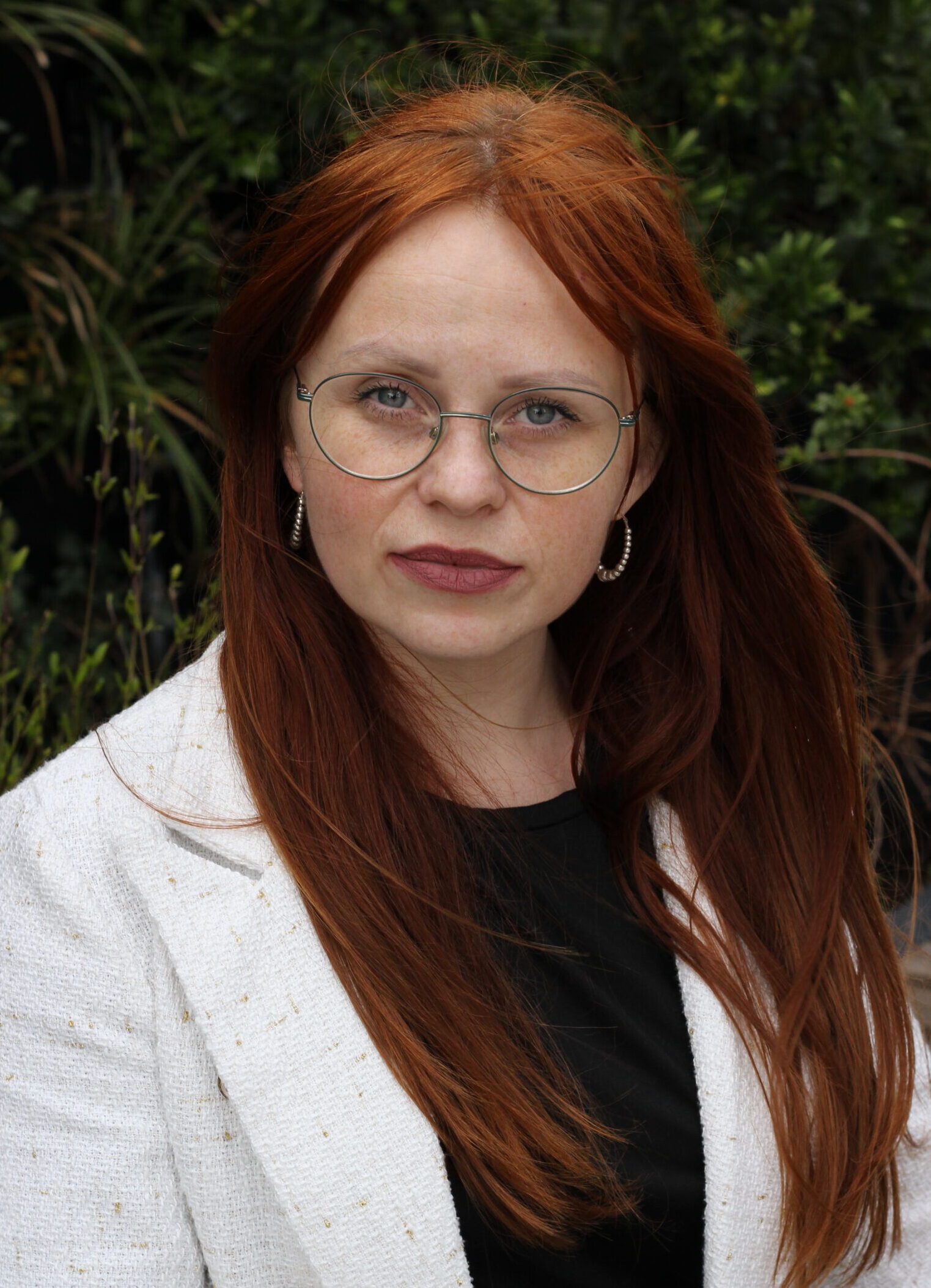
Alisa Bolokhovets — GEO Specialist
GEO for Nutritionists

Alisa Bolokhovets

Founder, Geo Digital · 17+ years in Digital Marketing

I've spent 17+ years helping businesses get found online — across SEO, digital strategy and now AI search. With BAMS Digital, I've managed 7+ SEO teams, launched 60+ websites and driven significant growth for businesses across the UK and Europe.

I've spent seven years helping health practitioners – from registered dietitians to functional medicine specialists – build visibility in an increasingly AI-driven search landscape. My background includes managing content for three private nutrition practices and advising wellness networks on credibility positioning. I understand the specific credibility challenges nutritionists face: distinguishing registered practitioners from unqualified coaches, translating clinical expertise into AI-readable formats, and capturing clients at the moment they're researching nutrition solutions. I've worked with over 40 UK nutritionists and seen firsthand how traditional SEO misses the AI search revolution entirely.

For nutritionists specifically, my GEO strategy focuses on three pillars: first, structuring your RCNT registration, qualifications, and specialisms so AI tools can verify your credentials and cite them with confidence. Second, creating detailed case studies and outcome documentation that demonstrate expertise in your niche – whether fertility, sports nutrition, or medical nutrition therapy. These case studies become the evidence AI tools reference when recommending practitioners. Third, building citation architecture across healthcare directories, research platforms, and professional networks that AI systems actively scan. I work with platforms like ChatGPT, Perplexity, and Google AI Overviews, optimising for each system's sourcing preferences. The result: nutritionists who appear consistently in AI answers for their local area and specialisation, capturing clients before competitors even recognise the opportunity.

16 FAQ

Frequently Asked Questions — GEO for Nutritionists

Nutritionists · UK

How do I get my nutrition practice to appear in ChatGPT and Gemini responses when people ask health questions?

AI tools like ChatGPT and Gemini don't have direct submission portals; they discover and cite sources by scanning published content across the internet. To appear in AI responses, you need to create detailed, expertise-demonstrating content that answers the specific questions your ideal clients ask these tools. If someone asks ChatGPT "how can I manage my PCOS symptoms naturally," the AI cites sources that provide comprehensive, evidence-backed answers – not promotional website copy. Your GEO strategy requires publishing case studies, research summaries, and detailed nutrition guidance specifically targeting the questions your ideal clients are asking AI. You also need clear, verifiable credentials so AI tools recognise you as a qualified source. Most nutritionists become visible in AI search within 8-12 weeks of implementing proper GEO, assuming they're publishing relevant content consistently.

What's the difference between someone finding me through Google search versus through AI search like ChatGPT?

Google search captures people who already know they want a nutritionist and are actively searching for one – "nutritionist London" or "weight loss consultant near me." These clients have already made the decision to seek professional help; they're just finding the right practitioner. AI search captures people earlier in their decision journey, often before they've recognised they need professional nutrition support. Someone asking ChatGPT "why am I constantly tired despite sleeping enough?" might discover through the AI's answer that blood sugar dysregulation could be the cause, then decide to consult a nutritionist. AI visibility reaches clients before traditional search does, at the moment they're exploring their health problems. This earlier-stage discovery means AI-found clients often have higher lifetime value and better treatment outcomes because they've already recognised the root cause of their health issues.

Do I need to have high Google rankings to get AI visibility?

Not necessarily. AI platforms and Google use fundamentally different systems to identify and recommend sources. You can rank #1 on Google for "nutritionist Leeds" and be completely absent from ChatGPT answers to the same query. Conversely, you can have modest Google rankings but appear consistently in AI outputs because you've created the specific content AI systems prioritise. However, there's some correlation; creating content detailed enough to appear in AI outputs often improves Google rankings too. The key difference is intentionality. Traditional SEO optimises for keyword frequency and backlinks; GEO optimises for detailed answers, evidence-based reasoning, and verifiable expertise. A nutritionist can implement GEO without strong existing Google presence, though combining both strategies creates the fastest growth. Many successful nutritionists prioritise GEO now specifically because Google competition is fierce while AI visibility remains relatively uncontested.

How do anonymised case studies help my practice appear in AI search results?

Case studies are among the most powerful GEO assets because they demonstrate real-world expertise and measurable client outcomes. When you document a client's health transformation – weight loss, symptom reduction, energy improvement, lab value changes – without identifying information, you create evidence that you successfully apply nutrition science to individual clients. AI tools cite detailed case studies far more readily than generic claims. A nutritionist claiming "I specialise in PCOS management" appears less credible in AI outputs than one showing three anonymised case studies documenting PCOS clients' improvements in weight, cycle regularity, energy, and androgen levels. Case studies also create searchable content; a detailed PCOS case study attracts AI citations because it specifically answers questions about PCOS nutrition outcomes. Publishing case studies positions you as evidence-focused and results-oriented, exactly how AI tools identify trustworthy practitioners. Most nutritionists have exceptional client stories; publishing anonymised versions of these stories is one of the highest-ROI GEO activities possible.

Will implementing GEO take clients away from nutritionists who already have strong Google rankings?

Not necessarily – GEO often creates overall market growth rather than zero-sum competition. Most UK nutritionists currently have minimal AI visibility, meaning the market is vastly undersaturated. A nutritionist implementing GEO in a given region typically captures client volume that wasn't being captured by anyone. Additionally, AI and Google serve different client discovery pathways. Some clients find practitioners through Google search; others discover them through AI. The earlier-adopter advantage is real; the first nutritionist in a region to establish strong GEO will capture the majority of AI-driven enquiries, but this doesn't necessarily reduce Google-driven referrals for competing practitioners. The higher concern for established practitioners is that they'll lose market share not to GEO-first nutritionists but to those who implement both GEO and SEO comprehensively. The strongest competitive position combines visibility across both discovery channels.

How long does it take before I start getting client enquiries from AI visibility?

Initial results typically appear within 4-8 weeks of implementing proper GEO strategy. This faster timeline than traditional SEO (which requires 6-12 months) is because you're creating new, authoritative content specifically designed for AI discovery rather than trying to outrank established competitors. Most nutritionists implementing GEO report appearing in AI citations within 4-6 weeks, and these citations begin generating enquiries within 8-10 weeks. The enquiries come from clients who've discovered you through ChatGPT or similar tools and are already convinced of your expertise, resulting in high conversion rates – often 40-50% of initial consultations converting to paying clients. However, results compound over time; after 3-4 months, citation frequency increases significantly and monthly enquiry volume can double or triple. The highest-achieving nutritionists see continued improvement for 6-12 months as their content library grows and AI systems increasingly recognise them as authoritative sources in their specialisation.

What if I'm a newly qualified nutritionist with no established reputation?

Being newly qualified actually creates GEO advantages. Established nutritionists with long client histories often lack the detailed case studies and outcome documentation GEO requires; they've never tracked metrics or documented results systematically. You have the opportunity to build your practice with GEO in mind from the start. Track every client's initial presentation, treatment process, and outcomes systematically. Document at least three case studies in your primary specialisation area showing specific, measurable improvements. Create content explaining your evidence-based approach to common client problems. Publish research summaries related to your specialisation. This systematic documentation is easier to implement from practice launch than to retrofit once you're already seeing 20+ clients monthly. Many newly qualified nutritionists who implement GEO immediately establish AI visibility faster than experienced practitioners lacking similar documentation systems. Your recency also works in your favour; AI tools value fresh, current content, and new practitioners can position themselves as keeping pace with current nutrition science.

Should I focus on a broad nutrition practice or narrow specialisation for GEO?

Narrow specialisation dramatically outperforms broad practice in GEO. AI tools need clear frameworks to recommend practitioners confidently. When you claim expertise in "general nutrition, weight loss, fertility, and sports performance," AI tools struggle to identify your specific expertise. When you establish yourself as "the RCNT nutritionist specialising in fertility nutrition for women with PCOS," AI tools can confidently cite you for fertility queries from PCOS clients. Specialisation also creates practical GEO advantages: it's easier to build authoritative case studies in one area, to develop deep content about specific conditions, and to establish partnerships with relevant healthcare providers or wellness practitioners. The UK market can support hundreds of general nutritionists and only a handful of deep specialists per region. Specialisation positions you as the authoritative expert rather than one of many generalists. Consider your natural interests, your existing client base, or the conditions you'd most enjoy treating, then narrow ruthlessly. Position yourself as the regional expert in that area, and GEO implementation becomes substantially more effective.

How do I prove my nutrition expertise to AI tools if I'm not publishing academic papers?

Academic publication is unnecessary for AI credibility; many qualified practitioners never publish in peer-reviewed journals. Instead, create accessible content demonstrating expertise: case studies showing client transformations, detailed explanations of how you apply nutrition science to individual clients, published research summaries explaining evidence relevant to your specialisation, partnerships with healthcare providers or other practitioners that AI tools recognise. Include your credentials prominently – RCNT registration, relevant qualifications, ongoing education. Document your approach clearly; when explaining why you recommend specific interventions for specific clients, reference the evidence base. Create content answering the complex questions your ideal clients ask, demonstrating problem-solving ability. AI tools assess expertise through demonstrated knowledge application, not credentials alone. A nutritionist showing three detailed case studies of PCOS management and explaining the specific interventions and their rationale appears far more credible in AI outputs than one with only a "specialising in PCOS" website claim. Quality content demonstrating clinical reasoning is the primary currency of AI credibility.

Can I do GEO optimisation myself or do I need to hire a consultant?

Many nutritionists can implement basic GEO themselves, particularly if they're comfortable with content creation and willing to learn platform-specific optimisation. The core activities – creating detailed case studies, publishing evidence-based content, clearly displaying credentials, optimising for relevant queries – don't require specialised technical expertise. However, GEO involves nuanced understanding of how different AI platforms source information, how to structure content so AI systems recognise and cite it, and how to track citation metrics. Most nutritionists gain faster results with consultant support, particularly in the first 2-3 months, because they avoid common mistakes and implement proper infrastructure immediately. The strongest approach combines self-service implementation of content creation (your expertise as a practitioner is irreplaceable) with consultant support for platform optimisation, citation tracking, and strategy refinement. DIY implementation typically takes 3-4 months to see meaningful results; consultant-guided implementation often shows substantial results within 6-8 weeks. Consider your available time, technical comfort, and growth urgency when deciding.

How do AI tools distinguish between registered nutritionists and unqualified nutrition coaches?

Honestly, not well – this is a significant credibility challenge in the UK nutrition market. AI tools attempt to verify credentials when visible, but many practitioners don't clearly display them. Without clear credential information, AI tools struggle to differentiate. This creates opportunity for registered nutritionists willing to make their credentials extremely visible and verifiable. Your GEO strategy should treat credential visibility as critical infrastructure, not afterthought. Display your RCNT registration prominently, explain your qualifications in plain language, include relevant professional memberships, and reference your registered status throughout your content. Make it impossible for AI tools to miss your credentials. This positioning also matters for client trust; people finding you through AI want assurance they're consulting qualified practitioners. The more explicitly you establish your registered status and training, the more confidently AI tools cite you and the more clients trust your expertise. As the market matures and AI tools better recognise credential differences, early credential visibility creates compounding advantage.

What if my specialisation has very few people asking AI tools about it?

Niche specialisations often have tremendous GEO advantages because they face less competition. If you specialise in something like sports nutrition for Masters athletes, eating disorder recovery, or medical nutrition therapy for specific conditions, you're addressing smaller client populations but ones with very specific needs. The key is ensuring that when people seeking your specialisation ask AI tools questions, those tools can find and cite you. Start by researching what questions your ideal clients actually ask AI tools. If you specialise in eating disorder recovery, what specific queries are clients researching? "Finding a trauma-informed nutritionist," "can I recover from an eating disorder with nutrition support," "non-diet nutritionist approach." Create content answering these specific, niche queries. With less competition, appearing in even a few relevant AI responses generates significant enquiry volume. Niche specialisations also allow relationship-based marketing – partnerships with therapists, hospitals, recovery programs – that multiplies your visibility. Don't avoid niche specialisation; lean into it. AI visibility in underserved specialisations often produces better results and higher client quality than generic competition.

How do I track whether my GEO strategy is actually working?

Track four key metrics to assess GEO effectiveness. First, monitor citation frequency – manually searching relevant queries across ChatGPT, Perplexity, and Google AI Overviews weekly and counting how many times your practice appears. You should see increasing frequency over 8-12 weeks. Second, track enquiry source attribution; ask new clients how they found you and specifically note those discovering you through AI tools. Third, monitor brand mentions and credential positioning in AI outputs; are you appearing as "a nutritionist" or "an RCNT-registered nutritionist specialising in PCOS?" Higher specificity indicates better AI positioning. Fourth, measure AI share of voice in your specialisation – what percentage of relevant AI responses cite you versus competitors. Additionally, monitor your content performance; are your case studies and published content attracting organic traffic? Are they being shared? Strong content metrics usually precede enquiry increases. Most nutritionists should see 30-50% increase in total enquiries within 4 months of consistent GEO implementation, with AI-sourced enquiries representing a growing percentage of that total.
Related Industries

Find out if AI
recommends your
Nutritionist.

See exactly how AI sees your business — no commitment.