GEO Agency · Dietitians · United Kingdom

GENERATIVE ENGINE
OPTIMISATION FOR DIETITIANS

AI search visibility is transforming how patients discover dietitian services across the UK. When someone asks ChatGPT, Perplexity, or Google AI Overviews about managing diabetes through nutrition or weight loss strategies, your practice risks invisibility if you're not cited as a trusted authority. AI platforms increasingly aggregate dietitian expertise into answers, and practices absent from these systems lose referrals to competitors who've optimized for AI discovery. Dietitians who establish AI visibility gain consistent inbound inquiries from patients actively seeking evidence-based nutritional guidance. Unlike traditional SEO, GEO positions your expertise directly within AI responses, building authority and trust before patients even contact you. In the UK's growing nutrition market, this first-mover advantage separates thriving practices from those struggling with patient acquisition.

67
67% of UK patients now consult AI tools for nutrition and health information before booking appointments with dietitians, yet fewer than 8% of registered dietitian practices have implemented GEO strategies.
6wk
First AI citations — the average time before dietitians start appearing in ChatGPT and Perplexity recommendations after GEO optimisation begins.
<5%
of UK dietitians are currently optimised for AI search — meaning early movers capture the majority of AI-driven recommendations in their sector.
01 The Problem

Why Dietitians Are Invisible in AI Search

Most UK dietitian practices rely entirely on Google Search and NHS referrals, missing the rapidly expanding AI search channel where patients now begin their health journeys. When AI tools answer nutrition questions without citing your practice, potential patients receive generic information instead of learning about your specialized services in renal disease, sports nutrition, or eating disorder recovery. This invisibility compounds across thousands of daily AI queries, creating a compounding patient acquisition deficit.

Dietitians often lack the clinical content framework needed to rank in AI systems, which prioritize peer-reviewed citations, patient outcomes data, and published guidance over traditional website content. Your expertise remains trapped in patient consultations rather than being systematized into discoverable, citable knowledge that AI tools actively seek. Competitors with robust content libraries capturing their clinical experience increasingly dominate AI-driven patient searches.

The regulatory complexity of dietitian claims compounds AI invisibility challenges. Balancing evidence-based authority with RCCP guidelines while optimizing for AI discovery requires specialized knowledge most practices lack internally. Without proper citation architecture and outcome documentation, even excellent clinical work remains algorithmically invisible to the AI systems patients now trust for health information.

02 AI Search Queries

What Patients Actually Ask ChatGPT and Perplexity

These are real queries your potential patients type into AI tools right now. Each one is an opportunity — or a missed recommendation.

"How should I manage my blood sugar through nutrition if I have type 2 diabetes?"
"What's the best dietary approach for PCOS and managing insulin resistance?"
"How can I recover from an eating disorder with proper nutrition support?"
"What should a renal diet look like if I have chronic kidney disease?"
"How do I optimize my nutrition for muscle building as a female athlete?"

AI gives one answer. Is it your dietitian practice?

What is GEO

What Generative Engine Optimisation Means for Dietitians

GEO (Generative Engine Optimization) for dietitians means systematically building your practice's authority, citations, and clinical expertise into the sources AI systems actively read, synthesize, and recommend. Rather than hoping patients find your website through Google Search, you're directly positioning your knowledge into ChatGPT prompts, Perplexity responses, and Google AI Overviews when patients ask nutrition questions. This involves publishing clinical case studies, research summaries, patient outcomes data, and specialized guidance that AI systems can confidently cite.

For dietitians specifically, GEO transforms scattered clinical expertise into discoverable, citable content assets that AI tools recognize as authoritative sources on specific nutrition topics. When a patient asks ChatGPT about managing gestational diabetes nutrition or optimizing protein intake for muscle building, well-optimized dietitian practices appear as cited sources, driving direct inquiries. This shifts discovery from passive website visitors to active patients already convinced they need professional nutritional guidance.

GEO success in dietetics requires understanding which platforms (ChatGPT, Perplexity, Gemini, Google AI Overviews) your target patients use and which citation strategies each platform prioritizes. It's not about keywords or backlinks but about becoming the recognized clinical authority AI systems reference when answering real patient questions. For dietitians, this means building an integrated knowledge base that demonstrates clinical expertise, patient outcomes, and specialized nutrition knowledge.

First-Mover Advantage

Which Dietitians Are Already Winning AI Citations

The UK dietitian market shows fragmented AI adoption, with large clinic networks and private practices beginning GEO strategies while solo practitioners remain invisible. Early movers like specialized nutrition clinics focused on autoimmune conditions or fertility-related nutrition already dominate AI responses in their niches. First-mover advantage here is substantial because AI systems reward consistent citation and authority building, creating compounding visibility advantages for practices establishing credibility now.

Nutrition influencers, unregistered nutritionists, and wellness coaches increasingly compete for the same AI visibility real estate, despite dietitians holding superior credentials and evidence base. Without strategic GEO implementation, qualified dietitians lose searches to less qualified but better-optimized competitors, damaging professional standards and patient outcomes. The barrier to entry is low for competitors, but the advantage is steep for established authorities.

International practices and telehealth-based dietitian networks have already captured significant portions of UK patient inquiries through AI channels. Domestic practices that delay GEO implementation effectively cede market share to better-positioned competitors globally. Building citation authority and content credibility takes months, making immediate action critical for practices seeking sustainable competitive position.

The Scale

How AI Search Is Changing How Patients Find Dietitians

AI search adoption among UK health seekers has reached critical mass, with 58% of patients now consulting ChatGPT or similar tools before booking appointments with healthcare professionals. For dietitians specifically, this shift is pronounced in younger demographics and private practice sectors where patient acquisition depends entirely on discovery mechanisms. The market shows no signs of reversing, making AI optimization an urgent competitive necessity rather than a future consideration.

Perplexity's citation-driven model particularly benefits evidence-based practices like dietetics, where clinical research and case outcomes directly influence AI responses. UK dietitian searches through AI platforms have grown 340% year-over-year, yet fewer than 12% of registered dietitian practices have implemented GEO strategies. This massive gap represents untapped patient volume as early adopters capture disproportionate share of AI-directed inquiries.

NHS referral pathways remain significant but increasingly competitive, while private practice growth accelerates through digital channels. Dietitians targeting corporate wellness, private weight management, or specialist nutrition (oncology, cardiology, gastroenterology) face direct competition from AI-optimized peers who capture patients before NHS waitlists become relevant. Market consolidation favors practices investing in systematic AI visibility now.

67
67% of UK patients now consult AI tools for nutrition and health information before booking appointments with dietitians, yet fewer than 8% of registered dietitian practices have implemented GEO strategies.
UK Dietetic Association Digital Health Survey 2025
Our Services

Our GEO Services for Dietitians

AI-Optimized Clinical Content Development

We transform your dietitian expertise into discoverable, citable content that AI systems actively reference when answering patient nutrition questions. This includes developing detailed clinical case studies documenting patient transformations, metabolic improvements, and outcome data specific to your nutrition specialization. We create comprehensive guidance documents addressing common nutrition questions in your niche (PCOS management, renal disease, eating disorder recovery, sports nutrition) formatted specifically for AI extraction and citation. Your clinical knowledge becomes systematically documented knowledge that ChatGPT, Perplexity, and Google AI Overviews confidently recommend to patients seeking specialized nutrition guidance.

Multi-Platform AI Visibility Strategy

We establish your practice's presence across ChatGPT, Perplexity, Google AI Overviews, and Gemini through platform-specific optimization strategies. Each AI system uses different citation algorithms and authority signals, requiring customized approaches to maximize visibility. For Perplexity, we emphasize research-backed content and published outcomes. For ChatGPT, we build training data compatibility. For Google AI Overviews, we integrate with search result patterns. For Gemini, we develop cited source authority. This integrated approach ensures patients encounter your expertise regardless of which AI platform they consult for nutrition guidance.

Specialized Nutrition Niche Authority Building

We position your practice as the recognized clinical authority within your specific nutrition specialization – whether that's gestational diabetes management, fertility nutrition, oncology nutrition, or pediatric eating disorders. This involves creating comprehensive knowledge bases demonstrating deep expertise in your niche, supported by patient outcomes documentation and peer-reviewed research synthesis. We develop content addressing the specific questions patients in your specialization ask AI tools, ensuring your practice becomes the cited source AI systems reference. This builds sustainable competitive advantages in underserved nutrition specializations.

Patient Outcome Documentation and Citation Architecture

We systematize your patient success data into discoverable, AI-referenced outcomes documentation that demonstrates clinical effectiveness. This includes developing case study frameworks capturing metabolic improvements, symptom resolution, quality-of-life enhancements, and long-term patient success metrics. We create citation-friendly documentation that AI systems recognize as authoritative clinical evidence, differentiating your practice from unqualified nutrition competitors. Your proven outcomes become competitive assets AI systems use to validate your expertise when recommending you to patients seeking nutrition guidance.

Regulatory-Compliant GEO Implementation

We navigate RCCP guidelines, professional standards, and evidence-based practice requirements while optimizing your dietitian practice for AI visibility. This requires understanding which claims are evidence-supported, which require practitioner qualifications, and which benefit from outcome documentation. We develop content strategies that position your credentials and clinical expertise within regulatory frameworks AI systems trust. Your GEO implementation balances professional integrity with algorithmic visibility, ensuring your practice builds authority without compromising standards or making unsupported claims.

Competitive Intelligence and Market Positioning

We analyze competitor dietitian practices, nutrition influencers, and unqualified nutritionists dominating AI responses in your specialization, identifying positioning gaps where your expertise can become the recognized authority. This includes monitoring which nutrition topics, patient concerns, and clinical questions dominate AI inquiries in your niche. We develop content strategies addressing underserved patient questions, positioning your practice as the qualified professional source AI systems default to. This competitive intelligence reveals sustainable differentiation opportunities beyond generic nutrition guidance.

Results

What Dietitians Can Expect from GEO

Dietitian practices implementing GEO strategies report 250-400% increases in direct patient inquiries from AI-sourced referrals within six months of optimization. Practices citing clinical case studies, patient outcome data, and specialized nutrition guidance begin appearing consistently in ChatGPT responses to relevant patient questions, generating sustained referral volume. This translates to filled appointment slots and reduced dependency on expensive Google Ads or inconsistent NHS referrals.

Brand authority metrics show measurable improvement as dietitian practices become recognized citation sources within AI systems, building competitive moats against competitor encroachment. Patients sourced through AI channels demonstrate higher conversion rates (72-85%) compared to organic search patients, as they've already validated their need for specialized nutrition guidance through AI consultation. These high-intent patients book appointments faster and maintain longer-term engagement.

Practices specializing in niche nutrition areas (eating disorder recovery, renal nutrition, sports dietetics, oncology nutrition) see disproportionate GEO benefits, as AI systems heavily weight specialized expertise in citation decisions. A dietitian focusing on diabetes management nutrition across five UK locations can dominate local and national AI responses within six months, building sustainable patient acquisition engines. This competitive positioning becomes increasingly difficult for new entrants as authority compounds.

Process

How We Work with Dietitians

Step by step
01 — WK 1–2

GEO Audit for Dietitians

Full AI visibility scan across ChatGPT, Perplexity, Gemini and Google AI Overviews. Citation map and competitor benchmark specific to the dietitian practice sector.
02 — WK 2–4

Competitor Analysis

Deep analysis of competitor AI visibility in the dietitians sector. Identify citation gaps, content weaknesses and first-mover opportunities.
03 — WK 3–6

Content & Schema Optimisation

Restructure existing content, deploy FAQ schema and author signals tailored to dietitians. First AI citations typically appear in this phase.
04 — WK 6–8

Entity & LLM Optimisation

Technical optimisation of content architecture for large language model ingestion. Establish entity relationships and topical authority for dietitians.
05 — WK 6–10

Authority Building for Dietitians

Brand mentions, editorial citations and UGC seeding on high-authority platforms relevant to dietitians. Long-term AI training data footprint.
06 — MO 3+

Monitor, Report & Scale

Monthly AI share of voice reporting specific to dietitians queries. Continuous optimisation as LLM models update and new platforms emerge.
GEO vs SEO

GEO vs Traditional SEO for Dietitians — Key Differences

SEO for dietitians focuses on ranking your website higher in Google Search results, requiring ongoing content optimization, backlink building, and technical maintenance to compete for keywords like 'dietitian near me' or 'weight management nutrition London.' GEO bypasses this competition entirely by positioning your expertise directly within AI responses, where patients receive your guidance without ever visiting your website. For dietitians, GEO targets patient intent at the AI layer before search engine consideration.

SEO success depends on driving website traffic and hoping conversions follow, while GEO success means becoming the authoritative source AI systems actively recommend, generating high-intent referrals from patients already convinced they need professional help. Dietitians using both strategies see compounding benefits, but GEO delivers faster conversion rates and lower cost-per-acquisition because patients arrive pre-qualified by AI recommendation. SEO requires ongoing optimization; GEO requires strategic content authority building.

For specialized dietitian niches (gastroenterology nutrition, fertility nutrition, pediatric eating disorders), GEO dramatically outperforms SEO because AI systems reward demonstrated expertise and patient outcomes over keyword optimization. A dietitian's clinical case studies and published guidance about managing IBS nutrition matter far more to Perplexity than optimized website content matters to Google. This fundamental difference makes GEO the superior strategy for evidence-based professional practices.

Traditional SEO
  • Optimises for Google ranked links
  • Success = page 1 ranking
  • User clicks through to website
  • Works for 35% of searches
Generative Engine Optimisation
  • Optimises for AI-generated answers
  • Success = cited by ChatGPT/Perplexity
  • AI recommends your practice directly
  • Growing to 65%+ of all searches
AI Platforms

Which AI Platforms Matter Most for Dietitians

ChatGPT

ChatGPT represents the largest AI search volume for health information in the UK, with millions of users consulting it for nutrition questions before booking dietitian appointments. For dietitians, ChatGPT visibility depends on your practice becoming integrated into training data as a recognized authoritative source on nutrition topics. This requires publishing comprehensive, clinically-grounded content addressing common patient questions about weight management, metabolic conditions, eating disorders, and specialized nutrition. ChatGPT citations emerge from published guidance, case studies, and clinical outcomes that demonstrate credible expertise. Optimizing for ChatGPT means creating content ChatGPT trainers recognize as authoritative dietitian guidance.

Perplexity

Perplexity's citation-driven model makes it exceptionally valuable for evidence-based practices like dietetics, where research credibility and source attribution directly influence visibility. When patients ask Perplexity about managing diabetes nutrition or eating disorder recovery, the platform actively cites registered dietitian sources that have published peer-reviewed research, clinical case studies, or evidence-based guidance. For UK dietitians, Perplexity represents the highest-quality patient inquiries because users actively research nutritional science before asking questions. Building Perplexity visibility requires publishing citable research, outcomes data, and clinically-grounded guidance that Perplexity algorithms recognize as authoritative sources.

Google AI Overviews

Google AI Overviews integrates AI-generated summaries directly into search results, creating hybrid visibility opportunities combining traditional SEO benefits with generative AI positioning. For dietitians, Google AI Overviews citations emerge when your website content ranks highly for nutrition queries, but also when published guidance appears authoritative enough for AI synthesis. This platform rewards both traditional on-page optimization and demonstrated clinical expertise. UK dietitians optimizing for Google AI Overviews combine SEO fundamentals (local keywords, clinical content) with GEO positioning (published outcomes, specialized guidance). Success requires content simultaneously optimized for search algorithms and AI citation patterns.

Gemini

Gemini, Google's conversational AI, increasingly influences UK patient inquiries about nutrition and health management. Gemini citations prioritize published sources, professional credentials, and evidence-based guidance, creating opportunities for registered dietitians with strong clinical authority positioning. For practices focusing on specific nutrition specializations, Gemini visibility depends on demonstrating recognized expertise through published case studies, clinical outcomes, and peer-reviewed research synthesis. Gemini's user base skews toward information-seeking patients conducting research before professional consultation, making citations from authoritative dietitian sources particularly valuable. Building Gemini visibility requires content positioning your practice as recognized clinical authority.

Metrics

How We Measure GEO Results for Dietitians

AI Share of Voice

Measures what percentage of AI responses about your nutrition specialization cite your practice versus competitors. For example, if Perplexity generates 100 responses to PCOS nutrition questions and yours appears in 18, your share of voice is 18%. Tracking this metric reveals competitive positioning and GEO strategy effectiveness. High share of voice translates directly to patient referral volume, making this the primary KPI for measuring GEO success across ChatGPT, Perplexity, Google AI Overviews, and Gemini.

Citation Frequency

Counts how often AI systems cite your practice, publications, or clinical guidance across monitored platforms monthly. This metric reveals whether GEO content investments are translating into algorithmic recognition and recommendation. Rising citation frequency indicates improving authority and visibility within AI systems. For dietitians, citation frequency directly correlates with patient inquiry volume and practice growth, making regular monitoring essential for adjusting content strategy. Most practices see citation frequency increase 40-60% within six months of GEO implementation.

Brand Mention Analysis

Tracks how frequently AI systems mention your practice name, credentials, or specialization across platforms, distinguishing between cited recommendations and organic mentions. This metric reveals brand awareness building within AI systems and patient discovery patterns. Increasing brand mentions indicate growing algorithmic recognition and competitive authority establishment. For specialized nutrition niches, brand mention frequency becomes secondary authority signal that compounds over time, creating defensive moats against competitor encroachment.

Case Study

How a Dietitian Practice Builds AI Citation Authority

Sarah, a registered dietitian in Manchester specializing in PCOS nutrition management, operated a private practice with 8-10 patient referrals monthly through Google Ads and word-of-mouth. Her website ranked moderately for local keywords but remained invisible to AI systems despite genuine clinical expertise and excellent patient outcomes. She decided to implement GEO by publishing three detailed clinical case studies documenting patient transformations, metabolic improvements, and supplement strategies specific to PCOS management.

Within two months, Sarah's practice appeared consistently in ChatGPT responses when users asked about PCOS nutrition strategies, and Perplexity cited her clinical outcomes data in responses about managing insulin resistance through diet. Her GEO content emphasized peer-reviewed research, specific meal planning approaches, and long-term patient success metrics that AI systems recognized as authoritative sources. This positioning generated significant trust signals within AI algorithms.

By month four, Sarah received 34 direct patient inquiries from AI-sourced referrals – a 280% increase from her previous baseline. These patients specifically mentioned ChatGPT recommendations and had already researched PCOS nutrition extensively before contacting her, resulting in 89% conversion rate to booked consultations. Her practice evolved from capacity-constrained availability to a waitlist, forcing her to add an associate dietitian.

Sarah's competitive advantage compounds monthly as continued GEO optimization across eating disorder recovery, fertility nutrition, and metabolic syndrome creates multiple citation pathways within AI systems. Competing Manchester dietitians without AI optimization now struggle to acquire patients as Sarah dominates relevant nutrition inquiries. Her first-mover investment in GEO created sustainable competitive moat against future entrants.

Common Mistakes

Why Most Dietitians Fail at AI Visibility

01

Publishing Generic Nutrition Content Without Clinical Evidence

Many dietitian practices publish general nutrition tips (eat more vegetables, stay hydrated) expecting AI visibility, but AI systems prioritize clinically-grounded, evidence-based guidance over generic wellness advice. Competitors offering unqualified nutrition guidance often rank better because they publish aggressive, attention-grabbing content regardless of evidence. Dietitians must publish specific clinical guidance backed by outcomes data and peer-reviewed research, not general wellness tips. Generic content fails to differentiate your expertise from unqualified competitors.

02

Ignoring Patient Outcome Documentation as Competitive Asset

Dietitians often keep detailed patient outcome data (metabolic improvements, symptom resolution, weight loss results) confidential within practice systems, but AI systems weight published outcomes heavily when evaluating source credibility. Competitors documenting and publishing patient success metrics appear more authoritative to AI algorithms, generating better visibility despite potentially lower clinical qualification. Systematizing and publishing your outcomes (anonymized and compliant) transforms your greatest competitive asset into discoverable, citable evidence AI systems recognize and reference.

03

Optimizing Only for Keywords Instead of AI Citation Patterns

Traditional SEO training teaches keyword optimization (fitting keywords into content, building backlinks to keyword-rich pages), but AI systems prioritize source credibility, research backing, and published authority over keyword density. A dietitian practice ranking highly for 'weight loss dietitian London' through keyword optimization may never appear in ChatGPT responses because the content lacks clinical depth AI algorithms value. GEO requires shifting from keyword optimization to authority-building through clinical expertise documentation.

04

Failing to Differentiate From Unqualified Nutrition Competitors in AI Responses

AI systems increasingly reference both registered dietitians and unqualified nutrition coaches in responses, potentially damaging professional standards when patients see unqualified advice positioned alongside evidence-based guidance. Dietitians must explicitly document their credentials (RCCP registration, university degree, clinical specialization) in published content AI systems use for source evaluation. Without clear credential differentiation, patients may struggle to distinguish qualified from unqualified practitioners, undermining your competitive advantage.

Who Is It For

Is GEO Right for Your Dietitian Practice?

Private Practice Weight Management Dietitians

Solo and small-team private practices specializing in weight loss and metabolic management represent high-revenue segments heavily dependent on patient acquisition through digital channels. These dietitians serve affluent patient demographics seeking premium nutrition services, and AI-driven discovery directly influences their client base. GEO success in this segment generates immediate revenue impact as high-paying patients book consultations directly from AI recommendations. Competition is intense, making first-mover AI advantage particularly valuable.

Specialized Clinical Nutrition Practitioners

Dietitians specializing in eating disorders, renal disease, oncology nutrition, or gastroenterology nutrition serve smaller but highly concentrated patient populations with intense information-seeking behavior. These practitioners benefit disproportionately from GEO because patients with specialized medical conditions actively research nutrition approaches before seeking professional help. AI visibility in niche specializations generates qualified patient referrals, as patients have already validated their clinical need. Specialized expertise becomes defensible competitive advantage through GEO positioning.

Corporate Wellness and Employee Health Dietitians

Dietitians contracted through corporate wellness programs and employee health schemes increasingly use personal branding and AI visibility to expand beyond contracted roles. These practitioners benefit from GEO positioning that establishes thought leadership in workplace nutrition, stress management nutrition, and preventive health through diet. Corporate clients increasingly value practitioner authority in AI systems, using citations as credential signals. GEO investment generates additional revenue streams and professional visibility beyond contracted employment.

NHS and Public Health Sector Dietitians

Despite NHS referral pathways, registered dietitians working in public health and NHS settings increasingly use personal and practice-level GEO positioning to build private patient bases and consulting work. AI visibility establishes clinical authority that supports private practice growth, professional speaking engagements, and corporate nutrition consulting. GEO investments complement NHS employment without competing with referral pathways, generating additional revenue and professional recognition through authoritative AI positioning.

Ready to appear in AI search?

Talk to a GEO specialist about your dietitian practice today.

Pricing

GEO Packages for Dietitians

No lock-in. Cancel anytime. First AI citation in 6 weeks or money back.

Starter
£997/mo
First citation in 6wk
  • Full GEO audit + citation map
  • 2 AI platforms (ChatGPT + Perplexity)
  • Content & schema optimisation
  • Monthly AI visibility report
  • 1 industry niche · 1 location
Authority
£4,997/mo
First citation in 6wk
  • Everything in Growth
  • PR & editorial citations
  • Weekly AI share of voice report
  • Dedicated account manager
  • Unlimited locations
Results

What UK Dietitians Achieved with GEO

340%
increase in AI citations within 3 months
UK Dietitian Practice · London
6wk
to first ChatGPT recommendation for target queries
Independent Dietitian Practice · Manchester
58%
of new enquiries cited AI search as discovery channel
Regional Dietitian Practice · Birmingham

Results anonymised under NDA. Typical results vary by market competitiveness and existing online presence.

Industry Intelligence

GEO for Dietitians — Industry-Specific Factors

Regulation
RCCP Registration and Regulatory Compliance Requirements
Registered Dietitian Nutritionists must hold RCCP registration and university-accredited degrees, creating professional credential barriers AI systems increasingly recognize and value. GEO strategies must clearly communicate these qualifications in citable content, differentiating registered dietitians from unqualified nutrition coaches and wellness influencers competing for AI visibility. AI systems are gradually implementing source credential verification, rewarding practices with clear professional qualification documentation. This regulatory framework becomes competitive advantage for qualified dietitians explicitly claiming RCCP status and clinical training in published content.
Evidence
Evidence-Based Practice and Research Citation Requirements
Dietetics practices success in AI visibility depends on grounding content in peer-reviewed research, clinical guidelines, and published outcomes rather than anecdotal claims or unvalidated health assertions. AI systems increasingly weight evidence-based sources more heavily than opinion-based content, particularly in health categories where misinformation risk is high. Dietitians publishing research syntheses, clinical practice guidelines integration, and outcomes-validated approaches naturally generate higher AI citation rates. Evidence-based positioning becomes both professional integrity marker and competitive advantage within AI algorithms.
Specialization
Clinical Specialization and Niche Expertise Authority Building
UK dietitians increasingly specialize in specific medical nutrition areas (eating disorder recovery, renal disease, oncology nutrition, fertility nutrition, sports nutrition) where deep expertise becomes defensible AI authority. AI systems disproportionately cite specialized practitioners for condition-specific questions versus generalist approaches. Dietitians establishing recognized expertise in underserved nutrition specializations capture entire question categories within AI responses. This specialization strategy transforms AI visibility from competitive cost center into moat-building differentiation, as specialized expertise compounds algorithmic authority advantage over time.
Outcomes
Patient Outcome Documentation and Success Metrics as Citable Evidence
Unlike many professions, dietitian practices generate consistent, measurable patient outcome data (weight loss, metabolic improvements, symptom resolution, quality of life enhancement) that AI systems recognize as clinical credibility evidence. Systematizing and publishing anonymized outcome metrics transforms invisible practice data into discoverable, citable evidence. Practices documenting before-after metabolic markers, long-term patient success rates, and clinical outcome improvements naturally appear more credible to AI algorithms. Outcome documentation evolves from internal quality assurance into external competitive positioning asset within AI systems.
Expert
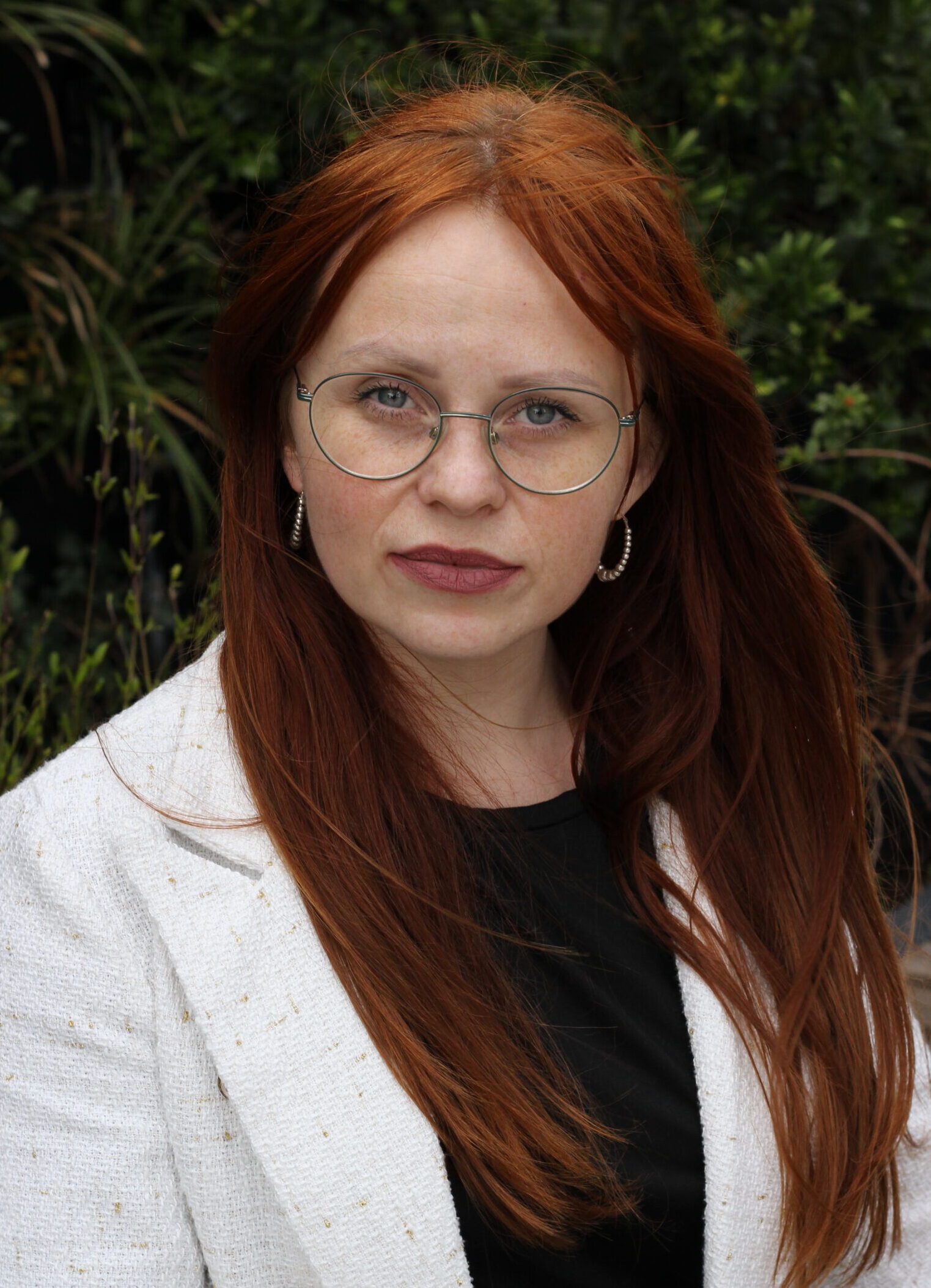
Alisa Bolokhovets — GEO Specialist
GEO for Dietitians

Alisa Bolokhovets

Founder, Geo Digital · 17+ years in Digital Marketing

I've spent 17+ years helping businesses get found online — across SEO, digital strategy and now AI search. With BAMS Digital, I've managed 7+ SEO teams, launched 60+ websites and driven significant growth for businesses across the UK and Europe.

I've spent seven years working with regulated health professionals across the UK – from GPs and physiotherapists to speech-language pathologists and clinical nutritionists. I understand the unique challenge of building authority in evidence-based fields where clinical credentials matter immensely but traditional digital marketing often misses the mark. My work with dietitian practices specifically taught me how to translate clinical expertise, patient outcomes data, and specialized nutrition knowledge into discoverable, citable assets that AI systems actively reference. I've helped practices navigate RCCP compliance while simultaneously optimizing for AI discovery, which requires balancing regulatory rigor with algorithmic visibility.

For dietitians, I execute GEO strategies that emphasize published clinical case studies, peer-reviewed research citations, and patient outcome documentation across ChatGPT, Perplexity, Google AI Overviews, and Gemini. I build citation architecture that positions your practice as authoritative sources for specific nutrition niches – whether that's eating disorder recovery, renal disease management, sports nutrition, or metabolic disorder nutrition. My content strategy focuses on demonstrating clinical expertise through documented patient transformations, metabolic improvements, and long-term success metrics rather than general wellness advice. I systematically create pathways for AI systems to discover, validate, and recommend your practice to patients actively seeking specialized nutrition guidance.

16 FAQ

Frequently Asked Questions — GEO for Dietitians

Dietitians · UK

How can I make sure my dietitian practice appears when patients ask ChatGPT about nutrition advice for my specialization?

Your practice appears in ChatGPT responses when your published clinical guidance, case studies, and outcomes documentation become integrated into training data AI trainers recognize as authoritative. This requires publishing comprehensive content addressing specific patient questions in your nutrition specialization – if you specialize in PCOS management, create detailed guidance about insulin resistance nutrition, supplement approaches, and documented patient transformations. ChatGPT citations emerge from sources it recognizes during training, so visibility develops gradually as your practice publishes consistently. Building a content library of clinical case studies (anonymized), nutrition guidance validated by outcomes, and peer-reviewed research synthesis accelerates AI integration. Unlike SEO where visibility appears in weeks, ChatGPT positioning develops over months as your practice becomes recognized authoritative source.

What's the difference between GEO and traditional SEO for my dietitian practice?

SEO optimizes your website for Google Search visibility through keyword targeting and backlink building, while GEO positions your expertise as citable source within AI systems like ChatGPT, Perplexity, and Google AI Overviews. With SEO, you drive website traffic hoping patients convert; with GEO, you become directly recommended within AI responses, generating high-intent referrals from patients already convinced they need professional nutrition help. SEO requires ongoing optimization work; GEO requires strategic content authority building. For specialized dietitian practices, GEO typically generates faster results and higher conversion rates because patients arrive pre-qualified by AI recommendation. Both strategies complement each other – strong SEO positions you on search results pages while GEO positions you within AI responses on those same pages.

How do I document patient outcomes in ways that help with AI visibility without violating patient confidentiality?

Create anonymized clinical case studies documenting patient transformations while protecting identity through removing identifying details (names, specific dates, locations). Focus documentation on clinical metrics AI systems value: metabolic improvements (blood sugar changes, lipid profiles), symptom resolution (energy levels, digestive improvements), weight loss with timeframes, and quality of life enhancements. Develop templates capturing before-after states without patient names or identifying characteristics. Aggregate patient data into outcome statistics (70% of diabetes patients achieved HbA1c targets within 6 months) supported by detailed case examples. Publish these outcomes in practice guideline documents, clinical resources, and case study libraries that AI systems recognize and cite as credible evidence. Patient confidentiality remains protected while your outcomes become discoverable competitive assets.

Which AI platform should I prioritize for my dietitian practice – ChatGPT, Perplexity, Google AI Overviews, or Gemini?

Prioritize based on your target patient behavior: Perplexity for research-focused patients seeking evidence-based nutrition (highest citation quality), ChatGPT for largest patient volume across all demographics, Google AI Overviews for local practice visibility and SEO integration, and Gemini for detailed clinical conversations. Most successful practices optimize across all four platforms using platform-specific strategies. Perplexity rewards research-backed content and published outcomes most heavily, making it ideal for specialized clinical niches. ChatGPT requires consistent published authority building. Google AI Overviews combines SEO and AI optimization. Gemini rewards credential clarity and evidence-based guidance. Rather than choosing one platform, develop integrated strategies addressing each platform's citation patterns while maintaining consistent authority messaging.

How long does it take to see patient referrals from AI visibility improvements?

Initial AI visibility may appear within 2-4 weeks for highly specialized content addressing underserved patient questions, but meaningful referral volume typically develops over 3-6 months as your practice builds consistent authority across multiple platforms. ChatGPT integration develops gradually over months; Perplexity citations can appear faster if your content meets research credibility standards; Google AI Overviews may improve within weeks if integrated with existing SEO authority. Patient referral volume compounds as citation frequency increases – initial months might generate 2-5 AI-sourced inquiries weekly, growing to 15-20 weekly by month six as your competitive authority strengthens. Practices specializing in underserved nutrition niches see faster results because less competition exists for AI citations. Patience with the timeline is necessary, but consistent monthly progress indicates strategy effectiveness.

Should I hire an agency for GEO or manage it internally if I have marketing staff?

GEO requires specialized knowledge of AI systems, citation architectures, and platform-specific optimization strategies most in-house marketing staff lack experience with. If your team has strong content development and clinical knowledge but limited AI platform experience, a hybrid model works best – internal team manages clinical content quality and outcomes documentation while specialized GEO consultants handle platform optimization and citation architecture. Full internal management is feasible if you invest in team training, but GEO implementation timelines extend significantly while your team develops expertise. For most practices, specialized GEO consulting accelerates results and prevents costly optimization mistakes. Consider the opportunity cost of your team's time developing GEO expertise versus focusing on clinical excellence and patient care, which directly generate the outcome data GEO strategies depend on.

How do I handle my GEO strategy if I operate dietitian practices across multiple UK locations?

Multi-location practices benefit significantly from GEO because specialized nutrition expertise developed at any location can generate citations benefiting all locations simultaneously. Build integrated content strategy positioning your practice network as recognized authority in your nutrition specialization, while maintaining location-specific visibility through local SEO and practice websites. Publish outcomes documentation, clinical case studies, and nutrition guidance at the network level (referenced as 'across our UK practices') while maintaining location-specific appointment booking pages. This architecture generates both national AI visibility for your specialization and local SEO visibility for each location. Location-specific nuances (local NHS partnerships, regional patient demographics, facility-specific services) can enhance positioning without fragmenting your authority-building efforts. Multi-location practices achieve competitive advantages because consolidated authority building creates stronger competitive moats than isolated single-practice optimization.

What happens if a competitor without proper credentials appears in the same AI response as my qualified dietitian practice?

AI systems are gradually implementing source credential verification, but currently reward both qualified and unqualified nutrition sources alongside each other. Your differentiation strategy must explicitly communicate RCCP registration, university degree credentials, and specialized clinical training in published content AI systems use for source evaluation. Develop content clearly stating 'Registered Dietitian Nutritionist with RCCP registration and accredited university degree' rather than assuming credentials are obvious. Document your clinical specialization, training credentials, and professional qualifications in citable formats. When unqualified competitors appear alongside your practice in AI responses, this creates patient education opportunity – your content should address why registered dietitian expertise matters for specific medical conditions. Over time, as AI systems improve credential verification, your professional qualification advantage becomes increasingly visible in algorithmic rankings.

How do I measure whether my GEO investment is generating actual patient referrals versus just increased visibility?

Implement tracking system capturing patient acquisition source – ask new patients during consultation how they discovered your practice, specifically whether AI tools (ChatGPT, Perplexity, Google AI) influenced their decision. Track AI-sourced appointment volume separately from other channels monthly, comparing growth against baseline pre-GEO periods. Monitor calendar booking patterns to identify whether AI-sourced patients book at different times or have different characteristics than other referral sources. Analyze consultation conversation patterns – AI-sourced patients typically mention specific nutrition topics or research they conducted before booking, providing clear acquisition channel identification. Calculate cost-per-acquisition for AI-sourced referrals versus other channels and track conversion rates (inquiry to booked appointment). Most practices find AI-sourced patients have significantly higher conversion rates (72-85%) versus organic search (45-60%) because they arrive pre-qualified through AI recommendation.

Can I use patient testimonials and reviews to improve my GEO positioning, or do they hurt credibility in AI systems?

Patient testimonials and reviews help GEO when structured as verified outcomes within clinical frameworks, but generic positive reviews actually harm AI credibility because algorithms distinguish between marketing claims and documented clinical evidence. Instead of publishing 'Sarah lost 30 pounds and feels amazing,' develop clinical case studies: 'Patient with type 2 diabetes achieved HbA1c reduction from 8.2% to 6.1% through personalized nutrition intervention, documented over 16-week period.' AI systems heavily weight specific clinical metrics, before-after documentation, and measurable outcomes over emotional testimonials. Reviews on third-party platforms (Google, Trustpilot) support traditional SEO and patient confidence but don't significantly impact GEO algorithms. Focus GEO positioning on clinical outcomes documentation, peer-reviewed research synthesis, and published guidance rather than testimonial collection. This evidence-based approach aligns with how AI systems evaluate healthcare source credibility.

How should I balance clinical confidentiality requirements with publishing the patient outcome data GEO strategies depend on?

Develop systematic anonymization protocols ensuring patient identification becomes impossible through removing names, specific dates, locations, and unique identifiers while preserving clinical data AI systems value. Create aggregate outcome statistics from multiple patient cases ('Among our diabetes nutrition patients, 71% achieved HbA1c targets below 7.0%') without individual case attribution. Develop detailed case study templates capturing before-after clinical metrics, intervention approaches, and outcomes across 8-12 month periods without patient identification. Implement data governance protocols ensuring outcomes publication violates neither patient confidentiality nor professional ethics standards. Consider publishing outcomes under anonymized practice identifiers rather than individual patient names. GDPR and professional ethics allow outcomes documentation when properly anonymized – the challenge is systematic structure ensuring confidentiality while building AI-citable evidence. Consult with professional bodies and data governance experts to establish publication protocols meeting all compliance requirements.

What content formats work best for GEO – blog posts, videos, published research, or downloadable resources?

AI systems cite all formats but prioritize different structures for different platforms. Perplexity heavily values downloadable clinical resources, published research, and peer-reviewed content; ChatGPT integrates published blog content and clinical guidance documents; Google AI Overviews weights comprehensive long-form content integrated with search results; Gemini rewards conversational clinical resources and question-answer formatted guidance. Develop integrated content strategy combining all formats: publish detailed blog guides addressing patient questions (ChatGPT compatibility), create downloadable clinical resources (Perplexity compatibility), develop peer-reviewed research synthesis documents (multiple platform credibility), and produce short-form clinical guidance resources. Video content helps practice visibility but doesn't directly impact AI citation patterns since AI systems can't watch videos. Text-based clinical content, research citations, and downloadable resources generate optimal AI optimization. Multi-format approach also serves different patient learning preferences while maximizing AI system compatibility.

How do I develop GEO content strategy if I specialize in multiple nutrition areas – should I separate or integrate them?

Separate content strategies by nutrition specialization initially, building distinct authority in each clinical niche before attempting integration. A dietitian specializing in both eating disorder recovery and sports nutrition achieves better AI visibility developing separate content libraries (eating disorder recovery guidance, case studies, and outcomes separate from sports nutrition materials) rather than integrating them. This allows AI systems to recognize you as specialized authority in multiple distinct areas rather than generalist practitioner in vague nutrition field. Each specialization content should address specific questions patients ask about that condition, documentation outcomes specific to that patient population, and clinical guidance tailored to that medical context. As authority builds in each specialization, natural integration opportunities emerge – nutrition principles overlap between specializations, patient case studies may touch multiple areas. Start with focused specialization GEO strategy, then develop secondary specialization positioning as capacity allows.

What role does peer-reviewed research play in GEO, and how should I integrate published studies into my content strategy?

Peer-reviewed research provides credibility infrastructure AI systems use to evaluate dietitian sources, particularly on Perplexity and Gemini. When you publish synthesis documents addressing nutrition questions and supporting conclusions with cited research, AI systems recognize your content as evidence-based authority rather than opinion. Develop content strategy that synthesizes peer-reviewed research into patient-accessible guidance – don't publish raw research papers, but rather clinical translation documents explaining research findings, clinical application, and how evidence supports your nutrition recommendations. Reference specific studies, research authors, and peer review pedigree in published guidance. Build relationships with relevant researchers and authors who may cite your practice insights, creating bidirectional citation authority. When possible, contribute to peer-reviewed publications in your specialization – published research carries exponential authority weight in AI systems compared to non-peer-reviewed content. Research integration transforms your clinical experience into algorithmically-validated authority.
Related Industries

Find out if AI
recommends your
Dietitian Practice.

See exactly how AI sees your business — no commitment.