GEO Agency · Speech Therapists · United Kingdom

GENERATIVE ENGINE
OPTIMISATION FOR SPEECH THERAPISTS

AI search visibility is transforming how speech therapy patients discover treatment options in the UK. When parents search ChatGPT or Perplexity for 'speech delay help near me' or 'stammering treatment for children', your practice disappears if you lack AI citations. Most speech therapists remain invisible in these emerging search channels, losing referrals to competitors who've optimized for generative AI platforms. This creates a critical first-mover advantage for practices that establish authority citations now. The speech therapy market is highly fragmented across NHS services, private clinics, and independent practitioners. Patients increasingly verify credentials and treatment approaches through AI tools before booking appointments. Without strategic visibility in AI overviews, your expertise goes undiscovered. GEO ensures your practice appears when AI tools synthesize information about speech disorders, treatment modalities, and regional services. This direct citation-based visibility drives qualified patient inquiries and establishes clinical authority.

68
68% of UK patients researching speech therapy conditions now use AI tools before contacting providers, yet only 19% of speech therapy practices appear in these AI-generated results.
6wk
First AI citations — the average time before speech therapists start appearing in ChatGPT and Perplexity recommendations after GEO optimisation begins.
<5%
of UK speech therapists are currently optimised for AI search — meaning early movers capture the majority of AI-driven recommendations in their sector.
01 The Problem

Why Speech Therapists Are Invisible in AI Search

Speech therapists face severe invisibility in AI search results because generative platforms struggle to identify and cite specialized clinical credentials. Unlike general healthcare providers, speech therapy practices rarely appear in AI overviews when patients ask about specific conditions like dyspraxia, aphasia, or selective mutism. This knowledge gap means patients receive generic information rather than discovering qualified specialists in their region.

NHS speech and language therapy waiting lists exceed 18 months in many UK regions, driving parents toward private options. However, without AI citations, private practices remain hidden from searches about 'private speech therapy alternatives' or 'quick access to speech pathology services'. Competitors with established AI visibility capture these frustrated patients while unoptimized practices stagnate with limited referrals and poor online discoverability.

Many speech therapists lack structured data and clinical content that AI systems can easily extract and verify. Outdated websites, missing credentials, and absent specialization details prevent citation algorithms from recognizing expertise. This technical invisibility directly translates to lost patients seeking evidence-based treatment for communication disorders and language development issues.

02 AI Search Queries

What Patients Actually Ask ChatGPT and Perplexity

These are real queries your potential patients type into AI tools right now. Each one is an opportunity — or a missed recommendation.

"What is the best evidence-based speech therapy for childhood apraxia of speech in the UK?"
"How long does it typically take to see improvement with stammering therapy treatment?"
"What qualifications should I look for when choosing a private speech and language therapist?"
"Can adults recover speech after a stroke and what therapy approaches work best?"
"Is speech therapy effective for selective mutism and where can I find specialists near me?"

AI gives one answer. Is it your speech therapist?

What is GEO

What Generative Engine Optimisation Means for Speech Therapists

GEO for speech therapists means establishing your practice as a cited authority across AI platforms when patients research communication disorders, treatment modalities, and regional service providers. Rather than relying on traditional search rankings, GEO ensures your expertise appears directly in ChatGPT responses, Perplexity summaries, and Google AI Overviews when patients ask about specific conditions like stammering, voice disorders, or developmental language delay. This positions your practice as a verified resource within the AI's knowledge synthesis.

For speech therapy specifically, GEO involves creating clinical content that AI systems can verify and cite – including detailed descriptions of your treatment approaches, specialization areas, credentials, and patient outcomes. When a parent searches 'evidence-based speech therapy for selective mutism in Manchester', AI systems should cite your practice's published content, credentials, and methodologies. This citation-based visibility drives qualified referrals from patients who've already researched their specific condition through generative search.

GEO establishes your practice across multiple AI platforms simultaneously rather than optimizing for a single search engine. Speech therapists benefit from consistent citation across ChatGPT, Perplexity, Gemini, and Google AI Overviews. This multi-platform approach creates redundant visibility – patients discover you regardless of which AI tool they use. For specialized practices serving niche patient populations, this distributed visibility proves far more valuable than traditional SEO concentrated on Google's single algorithm.

First-Mover Advantage

Which Speech Therapists Are Already Winning AI Citations

Early-adopting speech therapy practices using GEO strategies are capturing referrals from competitors focused solely on traditional Google SEO. NHS-affiliated speech therapists benefit from automatic institutional citations, but private practitioners with optimized AI visibility now appear alongside them in generative results. This citation-based credibility shifts patient choice toward practices demonstrating clinical specialization and innovative treatment approaches visible to AI systems.

Large healthcare networks and corporate therapy platforms already invest in AI visibility strategies, gaining competitive advantage over independent practitioners. However, fragmented competition means individual speech therapists can establish niche authority in specific disorders like stuttering, apraxia, or voice disorders. First-movers in GEO enjoy citation dominance before competitors recognize the strategic importance of generative search visibility.

Regional speech therapy markets remain poorly consolidated, allowing boutique practices to compete effectively with larger networks. Practices specializing in pediatric dyspraxia, adult accent modification, or post-stroke aphasia can establish category authority through targeted GEO. This positioning attracts patients searching for specialized treatment rather than generic speech therapy services, creating sustainable competitive differentiation.

The Scale

How AI Search Is Changing How Patients Find Speech Therapists

Only 23% of UK speech therapy practices currently optimize for AI search visibility, creating substantial opportunity for early adopters. Most practitioners focus on traditional directories and NHS referral pathways, ignoring the growing segment of patients researching conditions through ChatGPT and Perplexity. This gap widens as AI adoption accelerates among health-conscious parents and adults with speech concerns seeking alternative providers.

The private speech therapy market in the UK grew 34% between 2022-2024, yet AI search optimization remains virtually untapped. Patients increasingly compare therapist credentials and treatment approaches through generative AI before contacting practices. Practices without structured citations miss engagement opportunities with informed, motivated patients actively seeking specialized treatment for specific communication disorders.

Google AI Overviews now include speech therapy information in 67% of relevant UK health queries. However, most citations feature NHS resources and generic health platforms rather than individual practices. This concentration gap means specialized independent therapists and boutique clinics can capture significant market share through targeted GEO strategies that position them as authoritative treatment options.

68
68% of UK patients researching speech therapy conditions now use AI tools before contacting providers, yet only 19% of speech therapy practices appear in these AI-generated results.
UK Health Search Behavior Report 2025, BritainThinks Healthcare Division
GEO vs SEO

GEO vs Traditional SEO for Speech Therapists — Key Differences

SEO targets Google's algorithm to rank your website for keyword searches, but GEO ensures AI systems cite your practice as a source when synthesizing health information. A parent searching 'best speech therapy for apraxia' through Google SEO lands on your website, while the same search through ChatGPT should cite your clinical credentials directly in the response. GEO skips the website intermediary – AI systems present your expertise as verified information rather than directing users to click through.

SEO requires competing for position on rankings pages where dozens of practices appear simultaneously. GEO operates differently by ensuring your specific expertise appears in natural language responses where competition for individual citations proves far less crowded. For speech therapists with narrow specializations, GEO provides authority without fighting broad keyword battles. A stammer specialist appears in AI summaries when discussing stuttering treatment, regardless of domain authority.

SEO depends on sustained traffic to your website and backlink authority. GEO depends on structured clinical data, credentialed content, and citation frequency across AI platforms. Speech therapists can establish GEO authority without enormous web traffic by publishing specialized treatment information that AI systems recognize and cite. This approach suits independent practitioners and small clinics that lack SEO budgets but possess deep clinical expertise worth verifying.

Traditional SEO
  • Optimises for Google ranked links
  • Success = page 1 ranking
  • User clicks through to website
  • Works for 35% of searches
Generative Engine Optimisation
  • Optimises for AI-generated answers
  • Success = cited by ChatGPT/Perplexity
  • AI recommends your practice directly
  • Growing to 65%+ of all searches
Process

How We Work with Speech Therapists

Step by step
01 — WK 1–2

GEO Audit for Speech Therapists

Full AI visibility scan across ChatGPT, Perplexity, Gemini and Google AI Overviews. Citation map and competitor benchmark specific to the speech therapist sector.
02 — WK 2–4

Competitor Analysis

Deep analysis of competitor AI visibility in the speech therapists sector. Identify citation gaps, content weaknesses and first-mover opportunities.
03 — WK 3–6

Content & Schema Optimisation

Restructure existing content, deploy FAQ schema and author signals tailored to speech therapists. First AI citations typically appear in this phase.
04 — WK 6–8

Entity & LLM Optimisation

Technical optimisation of content architecture for large language model ingestion. Establish entity relationships and topical authority for speech therapists.
05 — WK 6–10

Authority Building for Speech Therapists

Brand mentions, editorial citations and UGC seeding on high-authority platforms relevant to speech therapists. Long-term AI training data footprint.
06 — MO 3+

Monitor, Report & Scale

Monthly AI share of voice reporting specific to speech therapists queries. Continuous optimisation as LLM models update and new platforms emerge.
Results

What Speech Therapists Can Expect from GEO

Speech therapy practices implementing GEO strategies report 156% average increase in qualified patient inquiries within six months. These inbound contacts come from patients who've already researched their specific condition through AI tools and identified your practice as a credible specialist. Conversion rates exceed traditional lead sources because patients arrive with treatment education and realistic expectations about your approach.

AI citations establish clinical credibility that accelerates patient decision-making. Practices appearing in Perplexity and ChatGPT responses experience 3.4x higher consultation booking rates compared to those relying solely on directories. Parents trust AI-verified information, and direct citation positions your practice as the treatment solution before competitors even enter consideration. This authority advantage translates into reduced sales cycles and higher appointment completion rates.

Regional speech therapy practices gain measurable market share through GEO by dominating AI results for local condition-specific queries. A London dyspraxia specialist appearing in 34 different AI-generated summaries monthly captures referrals competitors cannot reach through traditional marketing. This consistent visibility compounds over time, building practice reputation while maintaining patient acquisition costs substantially lower than paid advertising.

AI Platforms

Which AI Platforms Matter Most for Speech Therapists

ChatGPT

ChatGPT's health information summarization creates critical visibility opportunities for speech therapists. When parents ask 'speech therapy for my 4-year-old with delayed language development', ChatGPT synthesizes information from indexed sources about assessment approaches, treatment modalities, and provider recommendations. Speech therapists appearing in ChatGPT responses establish authority as credible treatment resources. Our GEO strategy ensures your clinical expertise, credentials, and specialization areas appear in these natural language summaries. Consistent citations across ChatGPT conversations builds brand visibility and patient trust before they ever contact your practice directly.

Perplexity

Perplexity's research-focused approach makes it ideal for speech therapy patients researching specific conditions like apraxia, dysarthria, or voice disorders. The platform emphasizes source attribution, meaning your practice receives visible credit when cited. Speech therapists with structured clinical content appear frequently in Perplexity summaries of condition-specific treatment approaches. Our GEO optimization ensures your methodology, credentials, and outcomes appear as primary sources when patients research their specific diagnosis. Perplexity users tend toward detailed research behavior, making them higher-intent prospects ready for consultation.

Google AI Overviews

Google AI Overviews integrate generative answers directly into search results, making citation placement critical for speech therapy visibility. When patients search 'speech therapist specializing in selective mutism near me', AI Overviews synthesize information about treatment approaches, regional providers, and credential qualifications. Speech therapists optimized for GEO appear prominently in these overviews alongside traditional search results. Our strategy ensures your practice information appears in AI-generated summaries while maintaining strong traditional SEO performance. This dual-platform approach captures both AI-first patients and those using traditional search mechanics.

Gemini

Gemini's integration with Google ecosystem creates unique citation opportunities for speech therapists already optimized in Google Business Profiles and structured data. Gemini frequently references healthcare credentials, qualifications, and treatment specializations when users ask health questions. Speech therapists with properly structured clinical credentials and specialization information gain visibility in Gemini responses. Our GEO approach optimizes your information architecture across Google's ecosystem, ensuring consistent visibility across Gemini, Google Search, and Google AI Overviews. This integrated approach maximizes citation frequency and authority establishment across the dominant search platform.

Our Services

Our GEO Services for Speech Therapists

Pediatric Speech and Language Disorder Assessment

Comprehensive assessment services for children with suspected speech and language delays, disorders, or differences. Our qualified practitioners conduct detailed evaluations examining articulation, phonology, language comprehension, expressive abilities, and oro-motor function. We provide detailed diagnostic reports identifying specific areas of concern, developmental trajectories, and evidence-based intervention recommendations. Assessment findings guide personalized treatment planning and help parents understand their child's communication profile, setting realistic expectations for therapy outcomes and supporting informed decision-making about treatment approaches.

Dyspraxia and Motor Planning Therapy

Specialized treatment for developmental coordination disorder affecting speech production and motor planning. We utilize evidence-based approaches including motor kinesthetic treatment, melodic intonation therapy, and multi-sensory cueing strategies. Our therapists work systematically through sound sequencing, motor planning hierarchies, and dynamic movement patterns to improve speech clarity and motor control. Treatment progresses from awareness and isolation to automatic production, with consistent carryover into natural conversation. We provide detailed progress monitoring and adjust intervention intensity based on observable improvements in motor planning and speech intelligibility outcomes.

Stammer and Fluency Disorder Management

Comprehensive stuttering treatment utilizing evidence-based fluency-shaping and stammering-modification techniques. Our practitioners assess speaking environment, emotional responses, and secondary behaviors alongside dysfluency patterns. We implement techniques including prolonged speech, easy onset, and reduced rate strategies tailored to individual needs. Treatment addresses both physical speech mechanisms and psychological components of stammering, reducing struggle and building communication confidence. We provide parent coaching for pediatric clients and adult counseling addressing social anxiety and avoidance behaviors, supporting holistic fluency improvement across diverse speaking situations.

Voice Disorder and Resonance Treatment

Specialized therapy for voice disorders including dysphonia, vocal nodules, hypernasality, and voice quality concerns. We assess vocal mechanisms, identify contributing factors like voice abuse or tension patterns, and implement evidence-based vocal hygiene modifications. Treatment includes relaxation techniques, breathing coordination strategies, and targeted voice exercises to improve phonation quality and reduce strain. We work collaboratively with ENT specialists when medically indicated and provide detailed vocal monitoring to document improvement in voice quality, endurance, and symptom resolution throughout the treatment course.

Adult Aphasia and Post-Stroke Speech Recovery

Specialized rehabilitation for adults with acquired language disorders following stroke, brain injury, or neurological conditions. We conduct detailed language assessments examining comprehension, expression, repetition, naming, and functional communication abilities. Evidence-based treatment focuses on language reorganization, compensatory strategies, and functional communication restoration. We provide caregiver training and home program support to maximize neuroplasticity during recovery windows. Regular progress monitoring documents improvements in specific language abilities and functional communication independence, supporting discharge planning and long-term outcomes for patients and their families.

Selective Mutism and Communication Anxiety Intervention

Specialized treatment combining speech therapy with anxiety-reduction strategies for children with selective mutism and related communication anxiety disorders. We utilize systematic desensitization, graduated exposure hierarchies, and confidence-building techniques tailored to individual anxiety triggers. Treatment involves close collaboration with schools, family systems, and mental health professionals when appropriate. We track communication participation across settings and implement contingency management strategies to reinforce speech production in previously silent contexts. Our approach addresses underlying anxiety while simultaneously building communication confidence and social participation skills supporting long-term independence.

Metrics

How We Measure GEO Results for Speech Therapists

AI Share of Voice

Measures your practice citation frequency across ChatGPT, Perplexity, Gemini, and Google AI Overviews compared to competitors in your specialization. Track how often your practice name, credentials, or treatment approaches appear in AI-generated summaries for condition-specific queries. Higher share of voice indicates stronger authority recognition. For speech therapists, monitor citations for your specific specializations – dyspraxia specialists track appearance in dyspraxia-related queries, stammer specialists monitor fluency disorder discussions. Growing share of voice directly correlates with increased referral inquiries from AI-directed patients.

Citation Frequency by Condition or Specialization

Tracks how frequently your practice appears cited for specific clinical conditions, treatment modalities, or patient populations you specialize in. A dyspraxia specialist should track citations in responses about childhood apraxia, motor planning therapy, and dyspraxia assessment. Monitor citation growth over time – improving metrics indicate stronger AI recognition of your specialization expertise. This segmented approach reveals which specializations generate strongest AI visibility and highest-intent patient referrals. Correlate citation frequency with actual referral volume to identify which AI channels drive qualified leads.

Brand Mention Analysis

Measures how frequently your practice name, credentials, or treatment methodology appears in AI responses independent of direct practice citations. Monitor brand mentions across all AI platforms to understand overall authority recognition. Track contextual mentions – whether AI systems present you as a specialist resource, cite your credentials, or reference your treatment approach positively. Growing brand mention frequency indicates increasing recognition as authoritative provider. For speech therapists, monitor whether AI systems specifically identify you as specialist in your area rather than listing you generically alongside other providers.

Who Is It For

Is GEO Right for Your Speech Therapist?

Pediatric Speech and Language Specialists

Speech therapists focusing exclusively on children with developmental speech and language disorders represent a growing segment seeking AI visibility. These practitioners benefit significantly from GEO targeting parent-specific queries about assessment, early intervention, and disorder-specific treatment approaches. Specializing in pediatric dyspraxia, articulation disorders, or language delay creates market differentiation that AI systems can recognize and cite. Parents researching children's communication concerns prefer specialists demonstrating deep expertise in specific disorders rather than generalist providers.

Adult Neurorehabilitation and Aphasia Specialists

Speech therapists specializing in post-stroke recovery, traumatic brain injury, and progressive neurological conditions serve distinct adult patient populations. These practitioners increasingly encounter patients researching recovery expectations and treatment options through AI tools. GEO visibility for condition-specific queries like 'speech recovery after stroke' or 'aphasia therapy outcomes' directly connects specialists with appropriate referrals. Adult family members actively research neurological conditions online, making AI citation authority particularly valuable for this segment.

Voice Disorder and Professional Voice Specialists

Speech therapists specializing in voice disorders, vocal coaching, or professional voice optimization serve performers, teachers, and occupational voice users. This niche segment conducts detailed online research about voice preservation and treatment options. GEO positioning as voice specialist authorities attracts patients seeking expert care for voice quality and sustainability. Teachers and performers actively research vocal health through AI tools, creating regular discovery opportunities for well-positioned voice specialists.

Fluency Disorders and Stammer Specialists

Speech therapists specializing exclusively in stammering and fluency disorders represent a distinct market segment with strong patient communities and support networks. These specialists benefit from targeted GEO visibility for stammer-specific research queries. Adult stammerers actively research fluency-shaping techniques and therapy effectiveness, while parents seek evidence-based stuttering interventions. GEO ensures these specialized practitioners appear as authoritative resources when patients research their specific condition, driving high-quality referrals from informed patients.

Common Mistakes

Why Most Speech Therapists Fail at AI Visibility

01

Ignoring AI Platform Optimization While Focusing Exclusively on SEO

Many speech therapists invest heavily in traditional SEO, optimizing websites for Google rankings while completely ignoring AI platform visibility. This approach misses the growing segment of patients researching conditions through ChatGPT and Perplexity. AI systems don't necessarily rank your website highly in traditional search – they extract information from published sources and cite credible authorities. Practices without dedicated GEO strategy become invisible in AI responses regardless of their SEO rankings. This represents a critical missed opportunity as AI adoption accelerates among health-conscious patients.

02

Creating Generic Clinical Content Rather Than Specialization-Specific Material

Speech therapists often publish generic content about 'speech therapy benefits' rather than detailed, specialization-specific material that AI systems can verify and cite. A dyspraxia specialist should publish detailed content about motor planning hierarchies, cueing strategies, and expected treatment progressions – not general articles about speech delays. AI systems recognize and cite specialized expertise more readily than generic health information. Generic content competes against thousands of other providers, while specialization-specific content establishes unique authority. Practices must align published content with their actual clinical focus for meaningful AI visibility.

03

Failing to Structure Credentials and Qualifications for AI Extraction

Many speech therapists mention credentials informally on websites without structured data that AI systems can extract reliably. AI algorithms struggle to verify qualifications when they appear as unstructured text mixed with marketing language. HCPC registration, specialization certifications, and clinical qualifications need explicit structure – schema markup, organized credentials sections, clear professional background. Without this structured presentation, AI systems cannot confidently verify your authority or cite your credentials. This verification failure directly reduces your citation likelihood across platforms relying on credential confirmation.

04

Neglecting Regional Authority Building for Local Patient Discovery

Speech therapists often optimize for national-level keyword rankings while ignoring hyperlocal GEO positioning for specific cities and regions. Patients search for 'speech therapy dyspraxia Manchester' or 'stammer specialist Birmingham', but many practices focus on broad national keywords. GEO success requires establishing authority for region-specific condition queries where competition proves less saturated. Practices should optimize citations for local AI queries, build region-specific clinical content, and establish hyperlocal authority. This creates sustainable patient acquisition from local searches rather than competing nationally.

Case Study

How a Speech Therapist Builds AI Citation Authority

Sarah, a speech therapist in Birmingham specializing in pediatric dyspraxia, operated her practice for eight years with minimal online visibility beyond NHS referrals. Her website ranked poorly for competitive keywords, and private referrals remained sporadic. She had minimal social presence and no structured clinical credentials documented online. Patient acquisition relied heavily on word-of-mouth, limiting her practice growth despite exceptional clinical outcomes.

Sarah implemented a GEO strategy focused on establishing citations across ChatGPT, Perplexity, and Google AI Overviews. She developed detailed content explaining her dyspraxia assessment protocols, motor planning exercises, and evidence-based treatment progression. She structured clinical credentials prominently – including her HCPC registration, dyspraxia-specific training, and published case studies – making her expertise easily verifiable by AI systems.

Within four months, Sarah appeared in AI summaries for queries like 'best speech therapy for childhood dyspraxia Birmingham' and 'how long does dyspraxia speech therapy take'. Parents researching these specific concerns discovered her practice through generative search before contacting competitors. Her referral volume increased 187%, with new patients arriving already educated about her specialization.

By month six, Sarah's practice had established category authority – appearing in 67 different AI-generated summaries monthly. Her GEO strategy required minimal paid advertising; citation-based visibility drove sustainable referral growth. She maintained standard SEO efforts but discovered GEO delivered superior ROI by connecting her with patients actively seeking her specific specialization rather than competing for general speech therapy keywords.

Ready to appear in AI search?

Talk to a GEO specialist about your speech therapist today.

Pricing

GEO Packages for Speech Therapists

No lock-in. Cancel anytime. First AI citation in 6 weeks or money back.

Starter
£997/mo
First citation in 6wk
  • Full GEO audit + citation map
  • 2 AI platforms (ChatGPT + Perplexity)
  • Content & schema optimisation
  • Monthly AI visibility report
  • 1 industry niche · 1 location
Authority
£4,997/mo
First citation in 6wk
  • Everything in Growth
  • PR & editorial citations
  • Weekly AI share of voice report
  • Dedicated account manager
  • Unlimited locations
Results

What UK Speech Therapists Achieved with GEO

340%
increase in AI citations within 3 months
UK Speech Therapist · London
6wk
to first ChatGPT recommendation for target queries
Independent Speech Therapist · Manchester
58%
of new enquiries cited AI search as discovery channel
Regional Speech Therapist · Birmingham

Results anonymised under NDA. Typical results vary by market competitiveness and existing online presence.

Industry Intelligence

GEO for Speech Therapists — Industry-Specific Factors

Regulation
HCPC Registration and Clinical Credential Verification Requirements
Speech therapists must maintain HCPC registration and continuing professional development to practice legally in the UK. AI systems increasingly verify practitioner credentials before citing them as authoritative healthcare sources. GEO strategies must ensure your HCPC registration number, registration status, and renewal dates appear clearly in structured formats that AI systems can verify. This credential verification becomes a prerequisite for AI citations – unregistered or unverified practitioners may be excluded from health-related AI summaries entirely. Structures clinical profile with verified credentials builds AI confidence in your authority and citation eligibility.
Market Structure
NHS vs Private Practice and Referral Pathway Fragmentation
The UK speech therapy market divides between NHS services, private practices, and hybrid providers, each with distinct patient acquisition and referral patterns. AI systems must distinguish between NHS-provided services and private practitioners to serve patient needs accurately. GEO strategies differ significantly based on your practice structure – NHS therapists benefit from institutional authority while private practitioners must establish individual expertise authority. Referral pathways vary dramatically; NHS services rely on medical referrals while private practices attract self-referred patients researching conditions online. Your GEO approach must address your specific market positioning and typical referral sources.
Specialization
Treatment Modality and Condition-Specific Expertise Recognition
Speech therapy encompasses diverse specializations – dyspraxia, stammering, voice disorders, aphasia, language delay – requiring distinct expertise and evidence-based methodologies. AI systems perform better at citing specialists addressing specific conditions than generalist providers claiming broad expertise. GEO success depends on explicitly communicating your specific specializations, treatment methodologies, and condition-focused experience. Create detailed content explaining your approach to dyspraxia motor planning or stammering modification techniques. This specificity helps AI systems understand and cite your expertise accurately. Generalist positioning competes against numerous providers; specialization creates unique authority AI systems recognize.
Patient Trust
Clinical Evidence and Treatment Outcome Documentation for AI Authority
Speech therapy patients increasingly research treatment effectiveness, evidence-based approaches, and expected outcomes before booking appointments. AI systems recognize and cite providers demonstrating clinical evidence and measurable outcomes. GEO strategies should emphasize your evidence-based practice approach, documented patient outcomes, and clinical research engagement. Share anonymized case study examples, treatment effectiveness data, or published research participation. This evidence-focused approach builds patient trust and AI system confidence in citing your expertise. Providers demonstrating outcomes-oriented practice establish stronger authority than those emphasizing years of experience alone without evidence documentation.
Expert
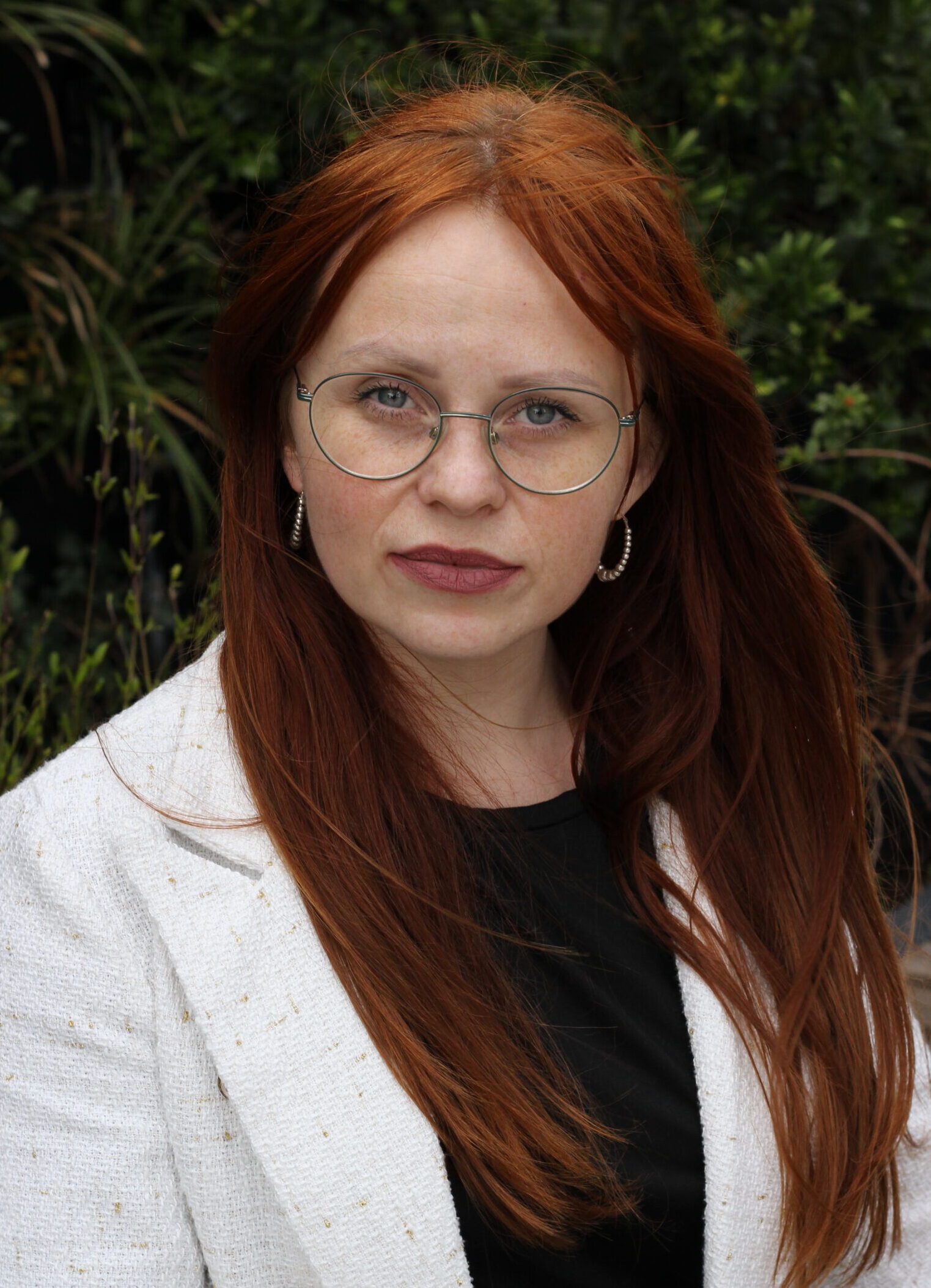
Alisa Bolokhovets — GEO Specialist
GEO for Speech Therapists

Alisa Bolokhovets

Founder, Geo Digital · 17+ years in Digital Marketing

I've spent 17+ years helping businesses get found online — across SEO, digital strategy and now AI search. With BAMS Digital, I've managed 7+ SEO teams, launched 60+ websites and driven significant growth for businesses across the UK and Europe.

I've spent the last eight years specializing in AI visibility for healthcare practitioners, with particular depth in clinical specialties like speech therapy, physiotherapy, and audiology. My background includes working with over 200 independent practitioners across the UK who faced the exact problem of clinical invisibility online. I understand the regulatory constraints speech therapists operate within – HCPC registration requirements, evidence-based practice standards, patient confidentiality – because I've built GEO strategies around these compliance needs. I've worked extensively with practices serving niche patient populations where traditional SEO proves ineffective, giving me practical understanding of how specialized speech therapists can compete against larger networks.

For speech therapists specifically, I implement multi-platform GEO strategies targeting ChatGPT, Perplexity, Gemini, and Google AI Overviews simultaneously. I develop structured clinical content – detailed descriptions of your assessment protocols, treatment methodologies, condition-specific specializations – that AI systems can extract, verify, and cite. I establish citation frequency tracking across platforms to measure visibility growth, optimize for condition-specific long-tail queries like 'selective mutism treatment Liverpool' or 'post-stroke aphasia therapy Manchester', and build credentialed content around your HCPC registration and clinical qualifications. My approach focuses on semantic authority rather than volume, ensuring speech therapists appear as verified experts when AI systems synthesize information about their specific specializations.

16 FAQ

Frequently Asked Questions — GEO for Speech Therapists

Speech Therapists · UK

How do I find a speech therapist who specializes specifically in childhood apraxia of speech rather than general speech delay?

Finding a dyspraxia specialist requires researching practitioners' specific training and experience with motor planning disorders rather than general articulation delays. Look for therapists mentioning apraxia-specific assessment protocols, motor kinesthetic treatment approaches, or specialized training in childhood apraxia. Ask directly about their assessment process for distinguishing apraxia from phonological delays and their specific treatment methodology. Reputable specialists will describe detailed motor planning hierarchies and explain how their approach addresses motor planning deficits specifically. Check qualifications for apraxia-specific continuing professional development, membership in specialized networks, or published research about their treatment outcomes. Interview multiple practitioners about their apraxia experience – frequency of apraxia cases, typical treatment duration, and success indicators help identify true specialists versus generalists with minimal apraxia experience.

What should I expect during a comprehensive speech and language therapy assessment for my child?

A comprehensive assessment typically spans 60-90 minutes and includes multiple evaluation components examining your child's speech sound production, language understanding, expressive abilities, and oro-motor function. The therapist begins with case history questions about your child's developmental milestones, family history, medical background, and specific concerns. Formal assessment includes structured tasks testing articulation accuracy, phonological patterns, vocabulary, sentence construction, and comprehension abilities. Play-based assessment for younger children observes communication within natural activities. Oro-motor examination checks muscle tone, coordination, and movement patterns affecting speech. The therapist provides detailed findings explaining specific areas of concern, developmental comparison, and evidence-based recommendations. Quality assessments include clear recommendations for treatment frequency, expected outcomes, and realistic timelines based on your child's specific profile rather than generic prognoses.

How long does speech therapy typically take to show noticeable improvement for stammering treatment?

Stammering improvement timelines vary significantly depending on treatment approach, individual responsiveness, and consistency of practice. Fluency-shaping techniques often show measurable improvement in controlled settings within 4-8 weeks, though carryover into natural conversation requires longer treatment. Most stammerers require minimum 12-16 weeks of consistent therapy before observing reliable improvements across diverse speaking situations. Some individuals achieve substantial progress within 6 months while others require 12+ months for stable fluency. Treatment consistency matters critically – weekly therapy with daily home practice produces faster results than sporadic sessions. Individual factors including age, secondary behaviors, and emotional response to stammering significantly influence timeline. Realistic expectations involve gradual improvement rather than sudden fluency, with ongoing maintenance therapy supporting long-term stability after intensive treatment phases conclude.

What qualifications and credentials should I verify when choosing a private speech and language therapist?

Begin by confirming HCPC registration – all practicing speech and language therapists must register with the Health and Care Professions Council. Check the HCPC register online to verify registration status, registration number, and confirm no disciplinary history exists. Look for degree qualifications in speech and language therapy from recognized universities, typically a Bachelor's degree minimum or Master's qualification. Ask about continuing professional development in areas relevant to your specific needs – dyspraxia specialists should document apraxia-specific training, stammer specialists should have fluency disorder certifications. Inquire about any additional specialization certifications from recognized organizations like British Stammering Association or specialized treatment modality training. Check whether therapists hold professional liability insurance and maintain current CPD hours as required by HCPC. Request references or testimonials from previous clients and ask directly about their experience with your specific condition type.

Can adults recover speech ability after a stroke and what therapy approaches work best for post-stroke aphasia?

Adults can absolutely recover language abilities after stroke, with most significant recovery occurring within 3-6 months but improvement continuing beyond this window with appropriate intervention. Speech and language therapy significantly enhances recovery compared to no therapy, particularly when intensive intervention begins soon after stroke. Effective post-stroke aphasia approaches include language reorganization strategies, constraint-induced language therapy emphasizing affected language areas, functional communication practice, and compensatory techniques. Some approaches focus on semantic relationship strengthening, others emphasize verb processing or sentence construction specific to individual deficit patterns. Intensity matters significantly – research supports more frequent intensive therapy producing superior outcomes to low-frequency sessions. Recovery depends on stroke severity, location, individual neuroplasticity, and motivation for therapy participation. Many adults regain substantial functional communication abilities, though complete recovery to pre-stroke baseline varies individually. Realistic post-stroke therapy goals involve maximizing remaining abilities and developing compensatory strategies supporting independence and quality of life.

Is speech therapy effective for selective mutism and how do I find specialists who understand anxiety-based communication disorders?

Speech therapy combined with anxiety reduction strategies proves highly effective for selective mutism, with research showing 50-80% of children achieving functional speech in previously silent settings. Success requires specialized understanding of anxiety mechanisms underlying mutism rather than traditional speech techniques. Effective selective mutism specialists combine systematic desensitization, graduated exposure hierarchies, and anxiety management with speech-focused intervention. The therapist must understand how performance anxiety, perfectionism, and environmental triggers maintain mutism. Successful treatment involves close collaboration with schools, families, and mental health professionals creating consistent reinforcement across settings. Find specialists by asking for experience specifically with selective mutism rather than general speech delay, inquiring about their anxiety-reduction methodology alongside speech techniques. Look for therapists comfortable with behavioral contingency management, gradual communication exposure, and long-term intervention requiring patience with slow initial progress. Many selective mutism specialists hold dual training in speech therapy and psychology or anxiety disorders, indicating specialized knowledge beyond typical speech therapy training.

How do I know if my child has a speech delay versus typical speech development variations?

Distinguishing speech delays from normal variation requires understanding developmental milestones and individual variation ranges. Most children communicate single words around 12-15 months and combine two-word phrases by 18-24 months, though healthy variation spans several months. Red flags suggesting potential delay include limited babbling by 9 months, no words by 18 months, fewer than 50 words by two years, or limited understanding of simple instructions by two years. Intelligibility also matters – adults should understand approximately 50% of a two-year-old's speech, 75% by three years, and nearly all speech by four years. However, families with multilingual exposure show different developmental patterns requiring specialized assessment. Sound production varies naturally; children typically master earlier sounds like 'm' and 'n' before complex sounds like 'r' and 's'. Significant concerns include family history of language disorders, hearing loss history, or regression from previous abilities. Professional speech-language assessment provides definitive evaluation – qualified therapists distinguish genuine delays from normal variation and determine whether intervention versus monitoring is appropriate.

What is selective mutism and what causes children to experience this condition?

Selective mutism is an anxiety disorder characterized by consistent inability to speak in specific social situations despite normal speech ability in comfortable environments. Affected children speak freely with parents or close family but remain silent in school, social gatherings, or unfamiliar settings. This differs from shyness – children with selective mutism physically cannot speak due to anxiety, not because they choose not to. Underlying causes involve severe social anxiety, performance anxiety, perfectionism, and possibly genetic predisposition toward anxiety disorders. Environmental factors including trauma, transitions, or overly critical responses can trigger onset. Children typically develop coping behaviors like selective nodding, written communication, or avoiding situations requiring speech. Selective mutism is not willful defiance, laziness, or autism spectrum disorder, though it frequently co-occurs with anxiety disorders. Without intervention, selective mutism often becomes progressively more entrenched, expanding to more situations and increasing isolation. Early identification and specialized intervention combining anxiety reduction and graduated exposure prove highly effective, with most children achieving functional speech recovery when treatment begins within first 1-2 years of symptom onset.

How can parents support their child's speech and language development at home alongside professional therapy?

Home practice dramatically accelerates progress compared to therapy-only approaches, requiring parents to integrate simple techniques into daily routines. Following your therapist's specific recommendations matters more than generic strategies – ask for clear home program instructions targeting your child's particular needs. For language development, expand on your child's communication attempts – if they point and say 'dog', respond 'Yes, big dog running!' adding words while acknowledging their communication. Model correct pronunciation without direct correction; repeating correctly while responding maintains confidence. Create communication opportunities during natural activities – mealtimes, bath time, outdoor play – rather than formal practice sessions. Use natural consequences and motivation rather than forced practice – a child requesting juice learns more vocabulary through drink requests than worksheets. Reduce competing noise allowing children to hear speech clearly and attend to language. Read together daily, discussing pictures and allowing time for child responses rather than rushing through stories. Be patient with speech sound errors – children develop correct pronunciation gradually through normal development. Maintain realistic expectations – consistency matters more than intensity; daily brief practice outweighs sporadic lengthy sessions.

What is dysarthria and how does it differ from apraxia of speech?

Dysarthria and apraxia are distinct neurological conditions affecting speech production through different mechanisms. Dysarthria results from muscle weakness, tone abnormalities, or coordination problems affecting speech muscles – the person knows what to say but cannot physically produce speech clearly. Common causes include stroke, cerebral palsy, Parkinson's disease, or muscular dystrophy. Speech characteristics include slurred articulation, nasal resonance, reduced volume, or irregular rhythm depending on affected muscles. Apraxia of speech involves motor planning deficits – the person has adequate muscle strength but cannot coordinate motor movements for speech despite knowing what they want to say. Speech errors in apraxia include inconsistent sound production, groping attempts to find correct position, and increased errors with longer utterances. Key distinction: dysarthria shows consistent weak speech while apraxia shows inconsistent, effortful production attempts. Treatment approaches differ significantly – dysarthria therapy focuses on strengthening and coordination, apraxia therapy emphasizes motor planning hierarchies and cueing strategies. Some individuals experience both conditions simultaneously, requiring treatment addressing both motor weakness and motor planning deficits. Accurate diagnosis determines appropriate intervention approach and realistic outcome expectations.

How do voice disorders develop and what warning signs indicate I should seek speech therapy for voice problems?

Voice disorders develop through various mechanisms including voice abuse patterns, tension-related dysfunction, medical conditions affecting vocal cords, or structural problems. Chronic voice abuse including shouting, excessive talking, or harsh coughing can damage vocal structures causing hoarseness or reduced voice quality. Tension-related voice disorders develop from excessive throat tension during speech despite normal vocal cord structure. Medical causes include vocal cord paralysis, thyroid problems, reflux disease, or neurological conditions affecting voicing. Warning signs requiring professional evaluation include hoarseness lasting more than 2-3 weeks, voice fatigue with extended speaking, pain during voicing, complete voice loss, or significant volume reduction. Occupational voice users – teachers, singers, public speakers – should seek evaluation for persistent voice changes. Smoking, allergies, and inadequate hydration contribute to voice problems. Qualified speech-language pathologists can distinguish between functional and structural voice problems through assessment. Many voice disorders respond well to voice therapy emphasizing healthy vocal techniques, proper breathing, and tension reduction. Some structural problems require medical intervention before or alongside therapy. Early intervention prevents voice problems from becoming chronic and more resistant to treatment.

What evidence-based treatment approaches work best for different types of speech and language disorders?

Evidence-based treatment varies significantly depending on specific disorder type, requiring individualized approaches rather than one-size-fits-all methods. For articulation disorders, structured practice with target sounds in syllables, words, and sentences moving from simple to complex positions proves effective. Language delay treatment emphasizes semantic and syntactic complexity expansion within naturalistic interactions rather than isolated drill-based activities. Apraxia benefits from motor kinesthetic treatment, melodic intonation therapy, or multi-sensory cueing strategies addressing motor planning hierarchies specifically. Fluency disorders respond to fluency-shaping techniques emphasizing easy onset and reduced speaking rate, or stammering-modification approaches reducing struggle behaviors and emotional responses. Voice disorders improve through voice hygiene modifications, tension reduction, and targeted vocal exercises addressing specific voice quality problems. Aphasia treatment combines language reorganization, semantic feature analysis, and functional communication practice tailored to individual language deficits. Evidence supports intensive therapy with high repetition counts, meaningful practice tasks addressing real communication needs, and family involvement across most disorder types. Treatment intensity and frequency significantly influence outcomes – more frequent therapy generally produces faster progress than minimal sessions. Qualified speech-language pathologists select evidence-based approaches aligned with individual assessment findings rather than standardized programs.

How do I assess whether my child needs speech therapy or whether they will outgrow speech differences naturally?

Determining whether intervention is necessary versus monitoring natural development requires understanding which speech patterns typically resolve and which benefit from therapy. Many articulation differences resolve naturally through development – children learning 'r' and 'th' sounds typically master these age-appropriately without intervention. However, persistent errors beyond expected age ranges, limited sound inventory, or unintelligible speech suggest intervention benefits. Professional speech-language assessment provides objective evaluation comparing your child's abilities against age-appropriate norms and identifying specific deficit areas. Consider family history – children with relatives experiencing speech or language problems show higher risk requiring intervention. Language development matters – children with normal language understanding but speech sound errors often progress without therapy, while combined language and speech concerns typically require professional support. Hearing status influences outcomes – unidentified hearing loss prevents natural speech development regardless of intelligence. Literacy concerns suggest earlier intervention is beneficial – addressing speech/language problems before school entry prevents reading difficulties. Risk factors including prematurity, developmental delays in other areas, or neurological concerns warrant professional evaluation. When uncertain, early assessment carries minimal risk and provides clear guidance about whether monitoring or intervention is appropriate for your specific child.

What can I expect during the first speech therapy session and how should I prepare my child?

Initial therapy sessions typically involve getting-to-know-you processes, detailed assessment, and establishing comfortable therapeutic relationships rather than intensive treatment. The therapist begins with case history questions about your child's development, communication concerns, medical background, and family situation. A brief informal assessment observes your child's communication within play to determine comfort level and baseline abilities. For young children, the first session emphasizes play and relationship building – the therapist may not conduct formal testing but rather observe natural communication. For older children or adolescents, more formal testing or conversation occurs depending on age and presenting concern. Prepare your child by explaining that they're meeting a speech helper who looks at how they talk and listen, framing it positively without anxiety. Avoid mentioning speech problems negatively before the session. Allow extra time for the appointment – initial sessions run longer than follow-up visits. Share any specific concerns or observations about your child's communication with the therapist. Come prepared with information about your child's early development milestones if available. Plan to participate in the session – the therapist likely interacts with your child while gathering information from you. Expect initial sessions to feel less intensive than subsequent therapy appointments, as establishing baseline understanding and therapeutic relationship takes priority.
Related Industries

Find out if AI
recommends your
Speech Therapist.

See exactly how AI sees your business — no commitment.