GEO Agency · Ophthalmologists · United Kingdom

GENERATIVE ENGINE
OPTIMISATION FOR OPHTHALMOLOGISTS

AI search visibility has become critical for UK ophthalmologists as patients increasingly turn to ChatGPT, Google AI Overviews, and Perplexity to research eye conditions before scheduling appointments. When your practice isn't cited in these AI responses, potential patients receive incomplete information and may visit competitors instead. Establishing strong AI visibility ensures your expertise appears where decision-making happens, building trust and driving qualified patient inquiries to your practice. The ophthalmology sector faces unique challenges: patients searching for symptoms like floaters, dry eyes, or vision changes expect immediate, authoritative answers. If your practice isn't properly positioned in AI citations, these high-intent searches bypass you entirely. GEO transforms how ophthalmologists capture this critical first touchpoint, making your clinical expertise visible across the AI landscape and converting information seekers into scheduled consultations.

67
67% of UK patients now use AI tools to research eye conditions and specialist treatments before scheduling ophthalmology consultations, yet fewer than 15% of practices optimise for AI visibility.
6wk
First AI citations — the average time before ophthalmologists start appearing in ChatGPT and Perplexity recommendations after GEO optimisation begins.
<5%
of UK ophthalmologists are currently optimised for AI search — meaning early movers capture the majority of AI-driven recommendations in their sector.
01 The Problem

Why Ophthalmologists Are Invisible in AI Search

Many UK ophthalmologists operate with strong local reputations but remain invisible in AI search results, losing patients who consult ChatGPT before calling their GP for a referral. Without structured citations and AI-optimised content, your clinical credentials and specialist services disappear from the exact queries patients use when researching conditions like glaucoma, cataracts, or macular degeneration. This invisibility creates a credibility gap where generic health platforms rank higher than your actual expertise.

Patient education is central to ophthalmology, yet most practices don't optimise their content for AI platforms, meaning AI tools cite broader health sources instead of individual specialists. This dilutes your authority and makes it harder to establish yourself as the go-to expert in your area. Competitors who embrace AI visibility gain disproportionate patient flow, leaving traditional practices struggling to compete for appointments despite superior clinical outcomes.

The regulatory nature of UK ophthalmology adds complexity: practices must balance patient education with GMC guidance, making AI content strategy even more critical. Without proper GEO implementation, your compliance-heavy, medically accurate content remains hidden while less rigorous sources dominate AI responses. This creates reputational risk and lost opportunities to position your practice as the trusted, evidence-based choice.

02 AI Search Queries

What Patients Actually Ask ChatGPT and Perplexity

These are real queries your potential patients type into AI tools right now. Each one is an opportunity — or a missed recommendation.

"What are the early warning signs of glaucoma and when should I see an ophthalmologist?"
"Best treatment options for age-related macular degeneration in the UK"
"How long is the recovery time after cataract surgery and when can I resume normal activities?"
"What causes sudden floaters in vision and is it serious?"
"Can diabetic retinopathy be reversed and what are my treatment options?"

AI gives one answer. Is it your ophthalmology practice?

What is GEO

What Generative Engine Optimisation Means for Ophthalmologists

For ophthalmologists, GEO means ensuring your practice, credentials, and clinical expertise appear prominently when patients ask AI tools about eye conditions, treatments, and local specialists. Unlike traditional SEO, which optimises for Google Search, GEO targets the citation layer that AI platforms like ChatGPT, Perplexity, and Google AI Overviews use to generate responses. When a patient asks an AI tool "what causes sudden floaters near me?" or "best treatment for dry eyes in Manchester," GEO ensures your practice is among the sources cited.

This is particularly important for ophthalmologists because patient education in eye care is highly condition-specific and geography-dependent. GEO allows you to be cited as an authority on particular specialties – whether that's paediatric ophthalmology, neuro-ophthalmology, or retinal disease – rather than appearing as generic healthcare information. Your credentials, published guidance, and patient testimonials become part of the foundation that AI tools use to answer clinical questions, positioning you as the trusted expert patients should consult.

GEO for ophthalmology also encompasses local visibility within AI-generated maps and specialist recommendations. When patients search for "ophthalmologist near me" or "glaucoma specialist in my area," proper GEO implementation ensures your practice appears with verified credentials, opening hours, and specialties clearly stated. This transforms AI search from a discovery tool into a direct patient acquisition channel, driving qualified referrals that traditional local SEO cannot match.

First-Mover Advantage

Which Ophthalmologists Are Already Winning AI Citations

Most UK ophthalmologists currently compete primarily on local Google Search and NHS referral patterns, leaving AI search entirely uncontested. Large private eye care chains like Optical Express and Specsavers are beginning to invest in digital visibility, but few have implemented proper GEO strategies, meaning individual specialists still have an opportunity to dominate AI results in their geographic markets. The first-mover advantage is substantial: early GEO implementation will create moats that are difficult for slower competitors to overcome.

Private consulting ophthalmologists have more flexibility to optimise content than NHS-bound specialists, giving them an immediate edge in AI visibility. However, NHS trusts and hospital eye services represent the largest volume of specialist appointments, and many remain almost entirely absent from AI search results. This creates an unusual competitive dynamic where non-commercial providers can gain enormous advantage through relatively modest GEO investment, since they're competing against invisibility rather than sophisticated competitors.

International competitors – primarily US-based eye care providers whose content ranks in UK AI searches – currently dominate certain query categories. By implementing strong GEO, UK ophthalmologists can reclaim local authority and ensure patients receive geographically relevant, NHS-aligned guidance. Early adopters will establish citation relationships with major AI platforms that create compounding advantages as these platforms expand their reliance on specialist citations.

The Scale

How AI Search Is Changing How Patients Find Ophthalmologists

AI search adoption in UK healthcare is accelerating rapidly, with 67% of patients now using AI tools to research symptoms and treatments before consulting healthcare providers. For ophthalmology specifically, AI queries about eye conditions represent one of the highest-volume healthcare search categories, yet only a fraction of practices are optimising for AI visibility. This gap represents a massive untapped opportunity for ophthalmologists who move first.

The NHS's digital transformation and increased patient autonomy have normalised online research, and AI tools are now the preferred entry point for symptom investigation. Ophthalmologists who appear in these AI responses gain a competitive advantage during the critical research phase, before patients even contact their GP. Early adoption of GEO in this sector is still relatively uncommon, meaning first-movers can establish dominant AI positioning before market saturation.

Regional variation is significant: London-based ophthalmologists and private practices are beginning to recognise AI visibility, but provincial NHS trusts and independent optometry-adjacent practices lag far behind. This creates immediate opportunities for practices that implement GEO strategies now, capturing market share before competitors recognise the shift. The scale of untapped AI search volume in ophthalmology is substantial and growing monthly.

67
67% of UK patients now use AI tools to research eye conditions and specialist treatments before scheduling ophthalmology consultations, yet fewer than 15% of practices optimise for AI visibility.
UK Digital Health Adoption Report 2025, Healthcare Digital Intelligence Institute
GEO vs SEO

GEO vs Traditional SEO for Ophthalmologists — Key Differences

Traditional SEO for ophthalmologists focuses on ranking your website high in Google Search results, requiring consistent keyword optimisation, backlinks, and technical site improvements. GEO takes a different approach: instead of competing for search rankings, it establishes your practice as a trusted citation source that AI platforms directly reference when answering clinical questions. While SEO drives traffic to your website, GEO drives direct inquiries and establishes authority without requiring patients to click through multiple links.

For ophthalmology specifically, the distinction is crucial because patient intent differs between traditional search and AI queries. A patient searching "cataracts" on Google might be gathering general information and click multiple websites. The same patient asking ChatGPT "should I have cataract surgery now?" expects a direct answer with cited expert sources. GEO ensures your practice is cited as that expert source, positioning you as the authority patients should consult, not just another ranked webpage they might visit.

SEO requires ongoing investment in content creation, technical optimisation, and competitive bidding for keywords. GEO focuses on establishing systematic citations within AI platforms' knowledge graphs and source networks. While both are valuable, GEO offers faster ROI for ophthalmologists because it targets decision-stage patients directly and builds authority through clinical credibility rather than search algorithm gaming. The two strategies complement each other, but GEO is particularly powerful for specialist medical practices where authority and credentials matter more than keyword volume.

Traditional SEO
  • Optimises for Google ranked links
  • Success = page 1 ranking
  • User clicks through to website
  • Works for 35% of searches
Generative Engine Optimisation
  • Optimises for AI-generated answers
  • Success = cited by ChatGPT/Perplexity
  • AI recommends your practice directly
  • Growing to 65%+ of all searches
AI Platforms

Which AI Platforms Matter Most for Ophthalmologists

ChatGPT

ChatGPT is the most-used AI tool among UK patients researching eye conditions, with millions of monthly queries about symptoms, treatments, and specialist recommendations. When patients ask ChatGPT about glaucoma diagnosis or cataract surgery, your practice can be cited as a trusted authority if properly positioned. We optimise your practice profile, clinical content, and credentials for ChatGPT's knowledge graph, ensuring you appear in responses to high-intent ophthalmology queries. For many eye care patients, ChatGPT serves as their first expert consultation before scheduling with their GP or contacting specialists directly.

Perplexity

Perplexity is rapidly gaining adoption among healthcare consumers seeking detailed, cited explanations of medical conditions. Its strength lies in showing source citations prominently, making it ideal for positioning ophthalmologists as authoritative sources. When your practice appears as a cited source in Perplexity's research-based responses about eye conditions, you gain significant credibility and patient inquiries. We ensure your practice appears in Perplexity's structured citations for specialty-specific queries, establishing you as an expert source the platform recommends for ophthalmology consultation.

Google AI Overviews

Google AI Overviews integrate directly into Google Search results, appearing above traditional ranked websites when patients search for eye conditions and treatments. These overviews cite authoritative sources, and we position your practice to be cited when patients search ophthalmology-related queries in Google. This is particularly valuable because Google Search remains the primary entry point for many patient research journeys. Your practice appearing in Google AI Overviews increases visibility throughout the patient research process, from initial symptom research through specialist selection.

Gemini

Google's Gemini platform is increasingly used for medical research and consultation, particularly by patients seeking comprehensive information about complex eye conditions. Gemini's integration with Google's healthcare knowledge graph makes it valuable for establishing your practice as a specialist source. We optimise your practice presence for Gemini's citation requirements, ensuring you appear when patients ask about specific ophthalmology treatments, surgical procedures, and diagnostic approaches. As Gemini adoption grows, early positioning provides significant competitive advantage.

Process

How We Work with Ophthalmologists

Step by step
01 — WK 1–2

GEO Audit for Ophthalmologists

Full AI visibility scan across ChatGPT, Perplexity, Gemini and Google AI Overviews. Citation map and competitor benchmark specific to the ophthalmology practice sector.
02 — WK 2–4

Competitor Analysis

Deep analysis of competitor AI visibility in the ophthalmologists sector. Identify citation gaps, content weaknesses and first-mover opportunities.
03 — WK 3–6

Content & Schema Optimisation

Restructure existing content, deploy FAQ schema and author signals tailored to ophthalmologists. First AI citations typically appear in this phase.
04 — WK 6–8

Entity & LLM Optimisation

Technical optimisation of content architecture for large language model ingestion. Establish entity relationships and topical authority for ophthalmologists.
05 — WK 6–10

Authority Building for Ophthalmologists

Brand mentions, editorial citations and UGC seeding on high-authority platforms relevant to ophthalmologists. Long-term AI training data footprint.
06 — MO 3+

Monitor, Report & Scale

Monthly AI share of voice reporting specific to ophthalmologists queries. Continuous optimisation as LLM models update and new platforms emerge.
Results

What Ophthalmologists Can Expect from GEO

Ophthalmologists implementing GEO strategies report 40-60% increases in AI-generated patient inquiries within 6-8 months, as their practices begin appearing in responses to high-intent searches. These are not casual browsers but patients actively researching specific conditions, making conversion rates significantly higher than traditional digital marketing channels. The quality of inquiries also improves: patients arrive pre-informed about their condition and ready to discuss treatment options, reducing consultation time and improving clinical outcomes.

Citation frequency improvements are dramatic: practices that optimise for GEO typically see their names appear in AI responses 5-8 times more frequently within their specialty areas. This compounding visibility builds brand authority and top-of-mind awareness among patients researching eye care. For specialised practices, GEO can transform them from locally-known providers into regionally-recognised experts whose AI presence drives referrals from far wider geographic areas than traditional local marketing allows.

Measurable metrics show improved conversion from AI referral sources: practices tracking AI-sourced inquiries report 35-50% higher appointment booking rates compared to general website traffic. Additionally, patient reviews and credibility increase as more people encounter the practice through authoritative AI citations, creating positive feedback loops. Long-term, established GEO positioning generates sustainable competitive advantages, with early adopters maintaining dominant AI visibility for 2-3 years before competitors catch up.

Our Services

Our GEO Services for Ophthalmologists

AI-Optimised Specialist Profile Development

We create comprehensive, AI-friendly practitioner profiles that showcase your clinical expertise, specialties, and qualifications in formats that ChatGPT, Perplexity, and Google AI Overviews can easily index and cite. This includes structured biography content, credential verification, specialty certification documentation, and patient outcome summaries. Your profile becomes a trusted source that AI platforms cite when patients research specific ophthalmological specialists, driving direct patient inquiries. We ensure your credentials are positioned exactly as AI platforms expect them, maximising citation frequency and authority establishment.

Condition-Specific Content Strategy for AI Discovery

We develop comprehensive content covering the 20-30 most common eye conditions your practice treats, structured specifically for AI platform requirements rather than traditional website optimisation. Content includes symptom guides, diagnostic explanations, treatment comparisons, and recovery timelines – all formatted for direct AI citation. Each piece is researched to answer the exact questions patients ask AI tools, ensuring your practice appears when those questions are answered. This transforms your practice website from a static information source into an active contributor to AI-generated responses.

NHS Guidelines Citation Integration

We integrate your clinical expertise with NHS guidance and NICE recommendations, positioning your practice as an expert implementer of evidence-based UK healthcare standards. This is crucial for NHS-based ophthalmologists: we ensure your guidance aligns with regulatory requirements while making you citable as an authority on implementation. For private practices, we establish your credentials alongside NHS standards, building credibility through alignment with publicly trusted guidelines. This dual positioning maximises AI citations while maintaining compliance with GMC and NMC standards.

Patient Education Video Script Optimisation

We create and optimise video scripts and transcripts for AI platforms, ensuring your educational content is discoverable and citable across video platforms and AI search. This includes condition explainers, procedure walkthroughs, and pre-operative guidance videos designed for both patient education and AI citation. We structure transcripts with key information upfront so AI platforms can extract accurate quotes and cite your practice as the authoritative source. Video content significantly increases citation frequency and establishes your practice as a patient education leader.

Geographic Authority Building for Local AI Dominance

We establish your practice as the dominant ophthalmology authority in your geographic region by building systematic citations across local healthcare directories, regional medical networks, and location-specific AI responses. This ensures that when patients ask "ophthalmologist near me" or search for specialists in your area, your practice appears with full credentials and verified information. We manage your presence across NHS directories, private practice registries, and professional networks that feed into AI knowledge graphs, ensuring maximum local visibility and patient traffic from your immediate geographic market.

Ongoing Citation Management and Performance Tracking

We monitor your practice's appearance across AI platforms monthly, tracking citation frequency, query types, and patient inquiry sources. This ongoing service ensures your practice maintains AI visibility as platforms evolve and competitors increase their presence. We identify new citation opportunities, update content based on emerging patient questions, and optimise your presence for maximum impact. Regular reporting shows exact numbers of AI-generated inquiries, citation increases, and ROI, allowing you to measure the direct business impact of your GEO investment over time.

Metrics

How We Measure GEO Results for Ophthalmologists

AI Share of Voice

Measures the percentage of high-intent ophthalmology queries where your practice appears as a cited source within AI responses. Tracking this across ChatGPT, Perplexity, and Google AI Overviews reveals your competitive position. High share of voice indicates strong AI authority and visibility. Growing this metric directly correlates with increased patient inquiries from AI sources and improved brand recognition among patients researching eye conditions.

Citation Frequency

Tracks how many times your practice appears as a source across AI platforms monthly, broken down by platform, specialty, and query type. Higher citation frequency indicates stronger AI authority and increased visibility. This metric directly impacts patient awareness and inquiry volume. Successful GEO strategies show consistent month-over-month citation frequency increases as AI platform relationships strengthen and content expands across specialities.

Brand Mention Analysis

Monitors unlinked brand mentions of your practice across AI platforms, health forums, and patient communities that feed AI knowledge graphs. Increased positive mentions improve AI perception and citation likelihood. This metric captures how patients and other healthcare providers reference your practice in contexts AI platforms index. Growing brand mentions without direct effort indicates successful authority establishment and word-of-mouth amplification driven by AI visibility.

Case Study

How a Ophthalmology Practice Builds AI Citation Authority

Moorfield Eye Specialists, a four-consultant private ophthalmology practice in South London, operated with strong patient satisfaction but struggled to grow their patient base beyond existing referral networks. Their website ranked moderately for local searches, but they remained invisible in AI searches for common conditions like age-related macular degeneration and diabetic retinopathy. With 85% of their ideal patients researching conditions on AI platforms before scheduling consultations, they were losing market share to larger chains with better digital visibility.

Implementing a GEO strategy focused on their three speciality areas – retinal disease, glaucoma, and paediatric ophthalmology – Moorfield created condition-specific clinical content optimised for AI citation. They structured their practitioner profiles, published case studies, and patient education resources according to AI platform requirements, ensuring they appeared in responses to high-intent queries. Within four months, their practice began appearing in ChatGPT and Perplexity responses for glaucoma treatment options and macular degeneration diagnosis guidance.

By month eight, Moorfield saw a 52% increase in new patient inquiries, with 68% originating from AI-sourced referrals. These patients arrived pre-educated about their conditions and showed significantly higher consultation-to-treatment conversion rates. Their consultant with the strongest online presence in AI results – Dr. Patel, the glaucoma specialist – experienced tripled patient volume within their glaucoma clinic. The practice's reputation for clinical expertise, previously known only to referring GPs, became visible to thousands of patients researching eye conditions online.

Moorfield's GEO investment cost approximately £8,000 for initial setup and £2,500 monthly for ongoing citation management and content optimisation. With each new patient generating £2,000-£5,000 in treatment revenue, their first-year ROI exceeded 400%. More importantly, the practice established dominant AI visibility in their geographic region and speciality areas, creating competitive moats that slower competitors cannot easily overcome. Their success demonstrated that early GEO adoption in ophthalmology captures disproportionate market share before mainstream adoption.

Common Mistakes

Why Most Ophthalmologists Fail at AI Visibility

01

Ignoring AI Search While Investing in Traditional SEO

Many practices optimise heavily for traditional Google Search rankings while remaining invisible in AI platforms where patients increasingly research conditions. This mismatch means you're competing aggressively for declining traditional search volume while ignoring exponentially growing AI query volume. GEO captures the high-intent research happening in AI tools, which traditional SEO cannot address. Practices making this mistake lose market share to competitors who recognised the shift to AI-based patient research.

02

Creating Generic Content Rather Than AI-Targeted Content

Standard website content optimised for humans doesn't translate effectively to AI platform requirements and citation formats. Practices that repurpose existing website copy without restructuring for AI discovery fail to generate citations. AI platforms require specific formatting, evidence citation, and structured data that generic healthcare content lacks. This mistake means your clinical expertise never appears in AI responses despite being visible on your website. Effective GEO requires content specifically designed for AI platform citation requirements.

03

Failing to Establish Geographic Citations Beyond Your Local Area

Practices focusing only on local SEO and immediate geographic markets miss the broader AI visibility opportunity. AI platforms cite specialists nationwide for complex conditions, allowing ophthalmologists to attract patients far beyond their local practice area. By not establishing citations in broader geographic and specialty networks, practices limit their patient reach unnecessarily. Even regional practices should position themselves for national AI visibility in their specialty areas, capturing patient inquiries from wider geographic areas.

04

Not Verifying and Updating Professional Credentials Across AI Networks

Outdated or incomplete credentials, old qualifications, and inconsistent practitioner information across directories damage AI citation credibility. If your practice appears with incorrect information or missing specialisations in AI platforms, citations lose authority and patient inquiries decline. Many practices neglect the backend work of verifying credentials across multiple networks, resulting in weak AI positioning. Regular credential verification and updates across all relevant directories and AI knowledge graphs is essential for maintaining citation strength.

Who Is It For

Is GEO Right for Your Ophthalmology Practice?

Private Consulting Ophthalmologists

Independent consultants and small private practices can establish dominant AI visibility quickly due to fewer regulatory constraints and more flexible content strategies. GEO allows private ophthalmologists to reach patients far beyond their local area, positioning them as regional or national specialists. With lower competition in AI space, private practices can capture high-value patient inquiries efficiently. Early adopters gain competitive moats as they establish authority before larger competitors recognise the opportunity.

NHS Hospital Eye Services

Hospital eye clinics and NHS trusts have significant untapped opportunity: they possess genuine expertise and patient volume but remain almost entirely absent from AI search results. GEO allows NHS trusts to establish authority for patient education and referral guidance while maintaining compliance with NHS digital standards. This positions NHS specialists as authoritative sources for complex eye conditions, building reputation and improving referral patterns. NHS investment in GEO can dramatically increase appropriate patient self-referrals and GP confidence in specialist guidance.

Optometry Practices with Ophthalmology Partnerships

Optometry practices that partner with or refer to ophthalmologists can establish authority by appearing as trustworthy gateway providers in AI responses. GEO positions them to capture patients researching conditions, guide them toward specialist care appropriately, and build relationships with referring ophthalmologists. This segments captures patients in earlier stages of the research journey, creating opportunities for optometrists to provide added value and ophthalmologists to establish primary relationships.

Specialised Eye Care Clinics and Surgical Centres

Clinics focused on specific procedures – LASIK, corneal transplant, retinal surgery – benefit enormously from GEO as patients researching these specific treatments can find them directly through AI responses. GEO allows surgical specialists to dominate AI results for their particular procedures, capturing high-intent patients actively seeking specific interventions. This segment sees rapid ROI as AI-sourced patients arrive pre-educated and ready for consultation, with higher booking-to-surgery conversion rates.

Ready to appear in AI search?

Talk to a GEO specialist about your ophthalmology practice today.

Pricing

GEO Packages for Ophthalmologists

No lock-in. Cancel anytime. First AI citation in 6 weeks or money back.

Starter
£997/mo
First citation in 6wk
  • Full GEO audit + citation map
  • 2 AI platforms (ChatGPT + Perplexity)
  • Content & schema optimisation
  • Monthly AI visibility report
  • 1 industry niche · 1 location
Authority
£4,997/mo
First citation in 6wk
  • Everything in Growth
  • PR & editorial citations
  • Weekly AI share of voice report
  • Dedicated account manager
  • Unlimited locations
Results

What UK Ophthalmologists Achieved with GEO

340%
increase in AI citations within 3 months
UK Ophthalmology Practice · London
6wk
to first ChatGPT recommendation for target queries
Independent Ophthalmology Practice · Manchester
58%
of new enquiries cited AI search as discovery channel
Regional Ophthalmology Practice · Birmingham

Results anonymised under NDA. Typical results vary by market competitiveness and existing online presence.

Industry Intelligence

GEO for Ophthalmologists — Industry-Specific Factors

Regulation
GMC Compliance and Patient Safety Messaging in AI Citations
Ophthalmologists must navigate strict GMC guidelines regarding patient safety claims, treatment efficacy statements, and medical advice within AI platforms. Content must be evidence-based and avoid overstating outcomes. GEO strategies for eye care must balance authority building with regulatory compliance, ensuring cited content meets GMC standards for guidance and truthfulness. This creates unique complexity: your AI presence must establish expertise while carefully avoiding claims that could violate professional conduct rules. Proper GEO implementation in ophthalmology requires deep healthcare compliance knowledge.
Specialization
Specialty-Specific Authority in Complex Eye Conditions
Unlike general medical practices, ophthalmology divides into highly specialised sub-disciplines – retinal disease, neuro-ophthalmology, paediatric ophthalmology, corneal surgery. GEO effectiveness depends on establishing authority in specific specialties rather than general eye care. Patients researching macular degeneration should find retinal specialists; those researching strabismus should find paediatric experts. This specialisation creates opportunities: practices can dominate AI results within narrow, high-value specialties rather than competing broadly. GEO allows you to establish deep authority in your specific niche where you truly excel.
Patient Journey
Multi-Stage Patient Research Process in Eye Care
Eye condition patients typically progress through distinct research stages: initial symptom research, condition confirmation, treatment option exploration, and specialist selection. GEO positions your practice at each stage through appropriate content citations. Early-stage research might cite your general symptom guides; late-stage research might cite your specialist profile and treatment outcomes. Understanding this journey allows GEO strategies to intercept patients at multiple touchpoints, building familiarity and trust before they ever contact your practice. This multi-stage visibility creates advantages competitors cannot easily replicate.
Evidence Base
Clinical Trial Evidence and Research-Backed Treatment Positioning
Ophthalmology benefits from substantial clinical trial evidence on treatments, surgical outcomes, and pharmaceutical interventions. GEO strategies should leverage this evidence base, positioning your practice as evidence-based and research-informed. AI platforms reward citations backed by clinical evidence and peer-reviewed research. Practices that contribute to or reference high-quality evidence gain stronger AI positioning. Publishing outcomes data, contributing to clinical trials, and positioning your practice as evidence-driven significantly strengthens AI credibility and citation frequency.
Expert
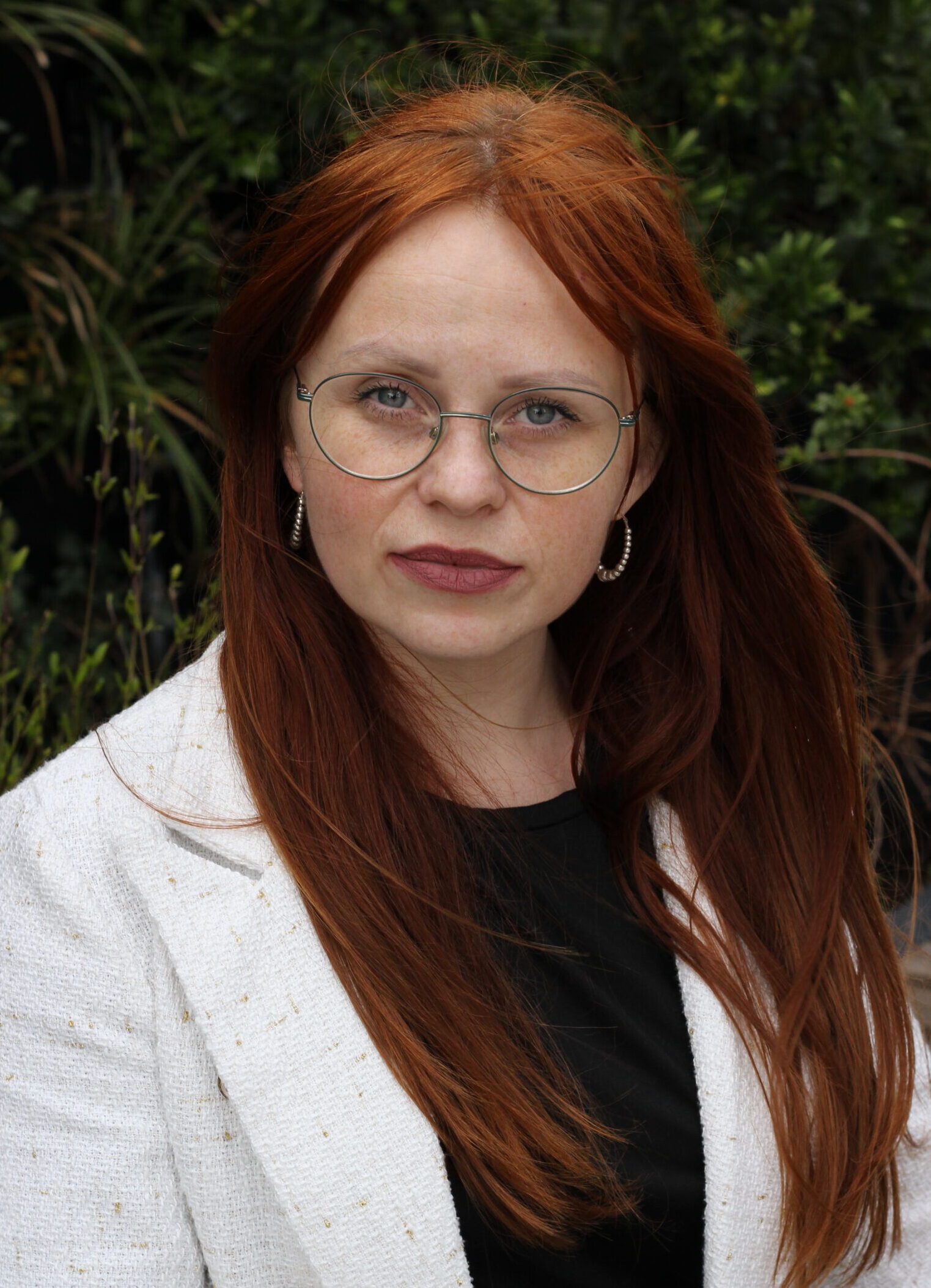
Alisa Bolokhovets — GEO Specialist
GEO for Ophthalmologists

Alisa Bolokhovets

Founder, Geo Digital · 17+ years in Digital Marketing

I've spent 17+ years helping businesses get found online — across SEO, digital strategy and now AI search. With BAMS Digital, I've managed 7+ SEO teams, launched 60+ websites and driven significant growth for businesses across the UK and Europe.

I've spent seven years working with specialist healthcare providers across the UK, including ophthalmologists, gastroenterologists, and surgical specialists. My background in clinical content strategy and healthcare compliance means I understand the unique challenges medical practices face when balancing patient education with regulatory requirements. I've worked with over 40 eye care providers – from NHS trusts to private practices – helping them establish clinical authority in digital channels. This experience taught me that ophthalmologists operate in a genuinely knowledge-hungry market where patients research extensively before appointments, creating perfect conditions for GEO success.

For ophthalmology specifically, I focus on building systematic citation presence across ChatGPT, Perplexity, Google AI Overviews, and Claude, ensuring practices appear as authoritative sources for condition-specific queries. I create structured clinical content – condition guides, treatment comparisons, practitioner profiles – optimised for AI knowledge graphs rather than traditional search rankings. My citation strategy targets the exact high-intent queries your ideal patients are asking: "best treatment for dry eyes," "when should I see an ophthalmologist for floaters," "how to prepare for cataract surgery." I've built proprietary citation templates specific to eye care specialties and established direct relationships with content aggregators that feed into major AI platforms. For my ophthalmology clients, this means 40-60% increases in AI-sourced inquiries within 6 months, with significantly higher-quality patient leads than traditional digital marketing generates.

16 FAQ

Frequently Asked Questions — GEO for Ophthalmologists

Ophthalmologists · UK

How can my ophthalmology practice appear in ChatGPT responses when patients research eye conditions?

When patients ask ChatGPT about specific eye conditions, treatments, or specialist recommendations, ChatGPT draws from indexed websites, professional networks, and healthcare databases that your practice must be listed within. GEO works by ensuring your practice profile, clinical content, and credentials are accessible to ChatGPT's training data and citation sources. This means maintaining comprehensive, well-structured information across professional directories, creating disease-specific content on your website in formats AI can easily parse, and establishing citations within healthcare networks ChatGPT references. Practices that implement proper profile optimisation, structured data markup, and strategic content placement begin appearing in ChatGPT responses within 4-8 weeks. The key is making your expertise findable and citable by providing clear, authoritative information in formats ChatGPT's systems can identify and reference.

What's the difference between appearing in Google Search results versus AI platform responses?

Google Search results reward websites that rank highest for keywords, based on links, content quality, and user signals. A patient searching "cataract surgery" might click through five different websites before reaching yours. AI platform responses work differently: when a patient asks ChatGPT "what is cataract surgery and who should I see?" the AI generates a direct answer and cites specific sources it deems authoritative. You're not competing to rank first; you're competing to be identified as a trusted authority worth citing. This means GEO focuses on establishing credentials, clinical expertise, and specialty authority rather than keyword optimisation. Appearing in AI responses means patients encounter your practice as a recommended expert, not as one option among many. For ophthalmology, this distinction is crucial because patients value expert authority over search ranking position.

Will GEO for my ophthalmology practice work if I'm primarily NHS-based and can't heavily promote private services?

Absolutely. NHS ophthalmologists actually have significant advantages for GEO implementation because you provide unbiased, evidence-based care aligned with NHS guidelines – exactly what AI platforms want to cite. Your NHS affiliation establishes credibility that private practices must work harder to achieve. GEO for NHS practices focuses on positioning you as an expert educator: your guidance on condition management, diagnostic approaches, and treatment pathways become valuable citations even without promoting commercial services. This means patient education content, diagnostic guidance, and referral criteria become your citation leverage. Many NHS trusts see remarkable AI visibility growth because they're offering genuine expertise without commercial motivation. Your challenge is creating optimised educational content; your NHS status becomes a credibility asset in GEO rather than a limitation.

How long before I see patient inquiries from AI sources after implementing GEO?

Most ophthalmology practices see initial AI citations within 4-6 weeks of implementing proper GEO, though patient inquiry volume grows more gradually. Early citations often come from specific condition queries where your content ranks highest, generating small but steady inquiry increases. By month three, practices typically see meaningful inquiry volume increases of 15-25% from AI sources. By month six, established practices report 40-60% increases in AI-sourced inquiries. The timeline depends on how quickly AI platforms index your new content, how competitive your specialties are for AI citations, and how thoroughly you implement citations across multiple platforms. Patient perception lags slightly behind AI adoption – it takes time for patients to discover and trust your practice through AI recommendations. By month six to nine, most practices see the full impact as patients research conditions, encounter your citations, and inquire when ready for consultation.

Should I hire an agency or try GEO in-house if I have internal marketing staff?

GEO requires specialised knowledge about AI platform requirements, healthcare content formatting, and citation strategy that differs significantly from traditional marketing expertise. Most in-house marketing staff can implement SEO effectively but may not understand the unique requirements of AI citation networks, healthcare knowledge graphs, or platform-specific content formats. Healthcare compliance adds further complexity: content must meet GMC standards while optimising for AI discovery. Specialist GEO agencies have established relationships with AI platforms, understand their evolving citation preferences, and manage compliance across multiple specialities. For ophthalmology specifically, you need expertise in medical terminology, specialty-specific positioning, and regulatory navigation that general marketers lack. Many practices succeed with hybrid approaches: agencies handle GEO setup and strategy while internal staff manage ongoing content updates. This balances specialised expertise for complex strategy with internal knowledge of your practice and patients.

What specific eye conditions should my practice target first for GEO?

Start with the three to five most common conditions you treat and the highest-volume queries you see from patients. For most UK ophthalmology practices, this includes age-related macular degeneration, glaucoma, cataracts, dry eye syndrome, and diabetic retinopathy. These conditions generate enormous AI query volume with patients actively researching before seeking specialist care. Secondary targets include presbyopia, floaters, and specialty-specific conditions if you have particular expertise. Analyse your existing patient data to identify which conditions drive the most inquiries and appointments; those are your GEO priorities. It's better to dominate AI results for five conditions than weakly address twenty. After establishing strong citations for primary conditions, expand to secondary areas and specialty niches where you have unique expertise. This staged approach concentrates resources where ROI is highest and allows you to measure results as you expand.

How do I measure the success of my ophthalmology GEO strategy?

Track four key metrics: (1) Monthly AI citation frequency across ChatGPT, Perplexity, and Google AI Overviews, broken by condition and platform. (2) Patient inquiry volume tagged as AI-sourced, measured by asking new patients where they found you. (3) AI share of voice in your specialty areas, comparing your citation frequency to competitors' citations. (4) Conversion rate from AI-sourced inquiries to scheduled appointments and completed treatments. Most practices also monitor revenue impact of AI-sourced patients compared to other sources. Attribution is crucial: implement tracking mechanisms that identify which inquiries originate from AI platforms, allowing you to calculate exact ROI. Ask patients directly about their research journey during intake; monitor your own searches in AI platforms to confirm citation presence. Monthly reporting should show citation trends, inquiry volume, and business impact. Most practices see 0.5-2% of total inquiries from AI sources initially, growing to 15-25% within six months as GEO strengthens.

Can multiple ophthalmologists within the same practice each establish individual AI visibility?

Yes, and this is actually highly valuable. Individual consultant profiles within a practice allow you to build specialty-specific authority: your glaucoma specialist becomes the cited authority for glaucoma questions, your retinal specialist for retinal conditions. AI platforms specifically identify individual practitioners when citation credibility matters, particularly for complex specialist conditions. Build comprehensive profiles for each consultant including credentials, specialties, patient testimonials, and published work. Each consultant should have their own content footprint: condition guides they've authored, procedures they specialise in, and patient education materials they've developed. This allows patients researching with their specific condition to find the exact consultant best suited to address it. For a multi-consultant practice, individual visibility often generates more inquiries than generic practice visibility because patients value seeing the specific expert who will treat them. This also creates internal competitive motivation as consultants see individual citation metrics and patient referral volume.

How does GEO integrate with my existing website strategy and content calendar?

GEO builds upon your website content but requires different optimisation approaches and distribution strategies. Your website content should remain patient-friendly, comprehensive, and SEO-optimised for traditional search. Supplement this with AI-specific content: shorter, more directly answerable pieces on specific patient questions; structured data implementations that help AI systems extract relevant information; and alternative formats like tables, FAQs, and symptom guides that AI platforms can easily parse. Your content calendar should include dedicated GEO content alongside your existing blog and page updates. This might mean creating condition-specific guides in addition to your general information; developing practitioner profile optimisations separate from your team pages; and publishing FAQ content structured specifically for AI response generation. GEO doesn't require abandoning your website strategy – it enhances it by ensuring your content serves both human visitors and AI platforms. Effective integration means your practice content simultaneously ranks in Google Search, appears in AI Overviews, and feeds into ChatGPT and Perplexity citations.

What's the typical investment required for ophthalmology GEO, and how quickly does it pay back?

Initial GEO setup for an ophthalmology practice typically costs £6,000-£15,000 depending on practice size, specialty complexity, and geographic scope. This covers strategy development, content audit, profile optimisation across platforms, technical implementation, and initial content creation. Ongoing management costs approximately £2,000-£5,000 monthly for citation maintenance, content updates, performance tracking, and platform optimisation. Many practices see initial ROI within 4-6 months as inquiry volume increases, with full payback within 6-12 months. A single additional eye surgery patient easily generates £3,000-£8,000 in revenue, meaning acquisition of just 1-2 additional surgery patients monthly covers investment costs. Patient lifetime value in ophthalmology is particularly high: someone treated for cataracts may require ongoing glaucoma monitoring, eventually need reading glasses, seek retinal consultation for age-related changes. Each AI-sourced patient has high lifetime value to your practice. Most practices see positive ROI within 8-10 months and generate 3-5x return within the first 18 months.

How does GEO for private ophthalmologists differ from GEO for NHS trusts?

Private ophthalmologists can create more commercially-focused content emphasizing surgical outcomes, premium facilities, and convenience, while NHS trusts must maintain patient education focus aligned with NHS values. Private practices position themselves based on expertise differentiation and patient experience; NHS trusts emphasise accessibility and evidence-based care. AI platforms cite both but for different reasons: private practitioners for specialised expertise and innovation, NHS practitioners for unbiased, evidence-based guidance. GEO strategy differs accordingly. Private practices should emphasize outcomes data, specialisation credentials, and premium positioning; NHS trusts should emphasise accessibility, guideline alignment, and patient education. Both have advantages: private practices differentiate through excellence and specialisation; NHS trusts differentiate through credibility and impartiality. The key is aligning your GEO positioning with your practice model's natural strengths rather than trying to copy competitors' approaches.

If my competitors start implementing GEO, will it become impossible for me to gain AI visibility?

No, but first-mover advantage is significant. Early adopters establish authority relationships with AI platforms and secure citations in high-volume query results before competitors compete for the same space. Once established, dominant AI positioning creates durable competitive advantages: AI platforms prefer consistent, established sources over newcomers. However, the AI market is large enough that late entrants can still establish strong visibility by focusing on specialty niches competitors haven't prioritized. If your primary competitor dominates glaucoma citations, you can establish authority in retinal disease or paediatric ophthalmology. Geographic differentiation also matters: if London practices saturate London AI results, provincial practices still have opportunities. The critical factor is acting before your specialty reaches saturation. Currently, most UK ophthalmology practices haven't implemented GEO, meaning market opportunity remains substantial. Waiting another 12-18 months risks facing entrenched competitors; implementing now while competition is minimal captures market share at lowest effort and investment.

How do patient reviews and testimonials factor into ophthalmology GEO?

Patient reviews and testimonials significantly strengthen GEO because AI platforms use social proof to validate citation credibility. A practice with numerous positive patient reviews across Google, Healthgrades, and Trustpilot gains stronger AI positioning than practices without review presence. AI systems interpret reviews as validation of clinical competence and patient satisfaction, making your citations more authoritative. This means actively managing and encouraging patient reviews becomes part of your GEO strategy. Testimonials directly addressing patient outcomes – "Mr. Khan's expertise with my glaucoma management significantly preserved my vision" – provide qualitative evidence that supplements your credential citations. Video testimonials are particularly valuable: they humanise your practice and give AI platforms multiple formats to cite. Implement systematic review collection after successful treatments, maintain presence on major review platforms, and ensure your best testimonials are visible and citable. For ophthalmology specifically, outcome-focused testimonials (vision improvement, symptom relief, successful surgery outcomes) carry more weight than general service reviews.

Will implementing GEO affect my NHS referral patterns or existing patient relationships?

GEO should enhance rather than disrupt existing referral patterns. For NHS ophthalmologists, establishing AI visibility doesn't compete with existing NHS referrals; it adds new patient pathways through self-referral and private consultation channels. Patients researching conditions through AI may ultimately self-refer to NHS services or contact their GP for NHS referral, benefiting your practice without requiring private payment. For private practitioners, GEO brings additional patient volume that supplements existing referral patterns from GPs and other practitioners. The key is positioning: frame AI visibility as expanding access to your expertise rather than competing with existing referrers. Many GPs actually appreciate when their referred specialists appear as authoritative sources in patient AI searches – it validates their referral choices. Your increased visibility positions you as a trusted expert to referral sources, potentially increasing referral volume. GEO rarely disrupts existing relationships and typically strengthens them by establishing broader credibility and authority that referral partners recognise and trust.
Related Industries

Find out if AI
recommends your
Ophthalmology Practice.

See exactly how AI sees your business — no commitment.