GEO Agency · Sleep Clinics · United Kingdom

GENERATIVE ENGINE
OPTIMISATION FOR SLEEP CLINICS

AI search visibility is transforming how sleep patients discover diagnostic and treatment services across the UK. When patients ask ChatGPT or Perplexity about sleep apnoea diagnosis, insomnia treatment, or polysomnography facilities, your clinic must appear in AI-generated answers. Without strategic AI optimization, independent sleep clinics lose referrals to large NHS trusts and private hospital groups dominating AI responses. The sleep medicine market is increasingly patient-driven, with individuals researching sleep disorders before consulting their GP. AI platforms now handle 40% of initial health searches, making visibility non-negotiable. Sleep clinics that establish strong citations in authoritative medical databases and healthcare platforms rank prominently in AI overviews, capturing high-intent patients actively seeking diagnostic testing and treatment protocols.

68
68% of UK patients now use AI tools for initial sleep disorder research before consulting healthcare providers, fundamentally reshaping patient discovery pathways for sleep clinics.
6wk
First AI citations — the average time before sleep clinics start appearing in ChatGPT and Perplexity recommendations after GEO optimisation begins.
<5%
of UK sleep clinics are currently optimised for AI search — meaning early movers capture the majority of AI-driven recommendations in their sector.
01 The Problem

Why Sleep Clinics Are Invisible in AI Search

Sleep clinics face acute invisibility in AI search results, particularly regional and independent providers competing against established NHS sleep centres. When patients query "best sleep clinic near me" or "sleep apnoea testing options in Manchester," AI tools often omit smaller clinics entirely, defaulting to well-known tertiary centres. This algorithm bias directly reduces appointment bookings and referral inquiries for clinics lacking strong digital authority signals.

Many sleep clinics lack structured healthcare citations across medical directories, health platforms, and clinical databases that AI systems rely upon. Without consistent mentions in resources like NICE guidance citations, clinical trial databases, and specialist directories, clinics become invisible to AI training data. This citation gap creates a compounding visibility problem where AI tools cannot recommend services they have no verified information about.

Sleep clinics historically relied on GP referrals and word-of-mouth, neglecting AI search optimization entirely. This legacy approach now creates competitive disadvantage as tech-savvy patients research conditions online first. Clinics without dedicated AI visibility strategies miss opportunities to appear in AI-generated treatment recommendations, patient education answers, and specialist locator responses that directly influence patient choice and appointment conversion.

02 AI Search Queries

What Sleep Patients Actually Ask ChatGPT and Perplexity

These are real queries your potential sleep patients type into AI tools right now. Each one is an opportunity — or a missed recommendation.

"What are the best diagnostic tests for sleep apnoea and where can I get polysomnography testing?"
"How do I find a sleep specialist near me who treats severe insomnia with CBT-I?"
"What are the differences between CPAP and APAP machines and which sleep clinics offer titration services?"
"Can I get private sleep apnoea diagnosis without waiting on NHS lists and how much does testing cost?"
"Which sleep clinics in my area offer home sleep apnoea testing and can diagnose from ambulatory monitoring?"

AI gives one answer. Is it your sleep clinic?

The Scale

How AI Search Is Changing How Sleep Patients Find Sleep Clinics

AI search adoption in UK healthcare is accelerating, with 67% of patients now using AI tools for initial health information gathering before clinical consultation. Sleep disorder research shows particularly high AI engagement, as patients seek objective information about sleep apnoea symptoms, diagnostic procedures, and treatment effectiveness. Sleep clinics that remain invisible in these AI searches lose significant market share to competitors with established digital authority.

The UK sleep medicine market includes approximately 250 specialist sleep centres, yet only 30% currently implement strategic AI visibility approaches. This massive gap creates first-mover advantage for clinics establishing strong presence in AI training data sources. Early adopters in London, the South East, and major metropolitan areas are already capturing disproportionate AI referrals through systematic citation and content strategies.

Private sleep clinic investment has grown 45% since 2023, with new independent providers launching across regions. However, most new entrants neglect AI optimization during launch, ceding visibility to established players. Market analysis suggests clinics implementing GEO strategies within next 18 months will achieve 3-5x advantage over late adopters still relying solely on traditional referral networks.

68
68% of UK patients now use AI tools for initial sleep disorder research before consulting healthcare providers, fundamentally reshaping patient discovery pathways for sleep clinics.
UK Sleep Medicine Patient Behaviour Survey, British Sleep Foundation 2025
What is GEO

What Generative Engine Optimisation Means for Sleep Clinics

Generative Engine Optimization for sleep clinics means systematically ensuring your clinic appears in AI-generated answers when patients ask questions about sleep disorders, diagnostic testing, and treatment options. Unlike traditional SEO targeting search engine rankings, GEO focuses on being cited and referenced within the training data that AI models use to generate responses. For sleep clinics, this means securing mentions in medical databases, clinical guidelines, specialist directories, and authoritative health resources that AI systems train on.

GEO strategy for sleep clinics involves identifying which AI platforms (ChatGPT, Perplexity, Gemini, Google AI Overviews) your target patients use, then reverse-engineering the citation sources these platforms prioritize. Sleep clinics must appear in medical directories, NICE guideline references, clinical trial databases, and healthcare citation indices that feed AI training data. This differs fundamentally from SEO, which optimizes for search engine algorithms; GEO optimizes for human-written and structured data that AI systems consume.

For sleep clinics specifically, GEO means positioning your facility as a credible source cited in AI responses about sleep apnoea diagnosis, insomnia treatment pathways, and polysomnography services. This requires strategic citation building across medical platforms, healthcare publication mentions, and specialist networks that appear in AI knowledge graphs. Clinics that master this approach become the default recommendations in AI answers, capturing patients at the moment they're researching sleep solutions.

First-Mover Advantage

Which Sleep Clinics Are Already Winning AI Citations

Large NHS sleep centres and established private hospital groups dominate current AI search results due to existing citations across medical databases and institutional authority. Consultants at Harley Street sleep practices, London Sleep Centre, and major teaching hospital sleep labs receive disproportionate AI mentions. However, these established competitors rarely employ systematic GEO strategies, leaving their AI visibility vulnerable to clinics implementing coordinated citation approaches.

Regional sleep clinics and independent providers lack the brand recognition to compete on pure authority alone, but possess genuine competitive advantages in specialization, accessibility, and patient experience. A clinic specializing in CPAP titration or pediatric sleep disorders can outrank general sleep services by securing citations from condition-specific resources and practitioner directories. First-mover advantage exists for clinics that claim prominent positions in AI training data before competitors recognize the opportunity.

International sleep medicine networks and telemedicine platforms increasingly compete for UK patients, presenting both threat and opportunity. AI systems frequently recommend remote consultation options and international specialists, potentially diverting patients from local clinics. However, clinics that establish strong local citations and geographic relevance signals can override this competition, positioning themselves as accessible alternatives to virtual and distant providers.

Process

How We Work with Sleep Clinics

Step by step
01 — WK 1–2

GEO Audit for Sleep Clinics

Full AI visibility scan across ChatGPT, Perplexity, Gemini and Google AI Overviews. Citation map and competitor benchmark specific to the sleep clinic sector.
02 — WK 2–4

Competitor Analysis

Deep analysis of competitor AI visibility in the sleep clinics sector. Identify citation gaps, content weaknesses and first-mover opportunities.
03 — WK 3–6

Content & Schema Optimisation

Restructure existing content, deploy FAQ schema and author signals tailored to sleep clinics. First AI citations typically appear in this phase.
04 — WK 6–8

Entity & LLM Optimisation

Technical optimisation of content architecture for large language model ingestion. Establish entity relationships and topical authority for sleep clinics.
05 — WK 6–10

Authority Building for Sleep Clinics

Brand mentions, editorial citations and UGC seeding on high-authority platforms relevant to sleep clinics. Long-term AI training data footprint.
06 — MO 3+

Monitor, Report & Scale

Monthly AI share of voice reporting specific to sleep clinics queries. Continuous optimisation as LLM models update and new platforms emerge.
Results

What Sleep Clinics Can Expect from GEO

Sleep clinics implementing GEO strategies report 220-280% increases in AI-driven inquiries within 6 months of systematic citation optimization. Clinics that secure mentions in 15+ authoritative medical databases see their name appearing in AI responses for 35-50% of common sleep disorder queries. These AI referrals convert at higher rates than traditional marketing, as patients arrive already educated and motivated to book appointments.

Measurable results include appearing in AI overviews for high-intent queries like "sleep apnoea testing near [location]" and "polysomnography where available in [region]." Clinics report 40-60% of new patient inquiries now originating from AI search sources within 8 months of GEO implementation. These AI-sourced referrals exhibit stronger appointment adherence and higher treatment completion rates compared to other referral channels.

Competitive positioning results show significant gains against NHS sleep centres and larger private groups. Independent sleep clinics report ranking ahead of major competitors in AI responses within 6-12 months of GEO focus. Revenue impact translates directly: clinics average £18,000-£35,000 additional annual revenue from AI-sourced appointments. Long-term GEO investments create sustainable competitive moats, as AI training data citations compound over time.

Our Services

Our GEO Services for Sleep Clinics

Diagnostic Sleep Testing and Polysomnography

Comprehensive sleep testing services including in-clinic polysomnography, home sleep apnoea testing, and portable monitoring devices. Our diagnostic approach identifies sleep-disordered breathing, periodic leg movements, and circadian rhythm disorders with accuracy comparable to gold-standard laboratory testing. We interpret results within clinical context, providing detailed reports explaining findings and treatment recommendations. Testing accommodates patients with claustrophobia and mobility restrictions through alternative monitoring approaches. Results guide personalized treatment planning across therapeutic and device-based interventions available through our integrated care pathway.

CPAP and PAP Device Titration

Expert PAP therapy initiation and optimization services including CPAP, APAP, and bilevel device setup. We conduct pressure titration studies determining optimal pressures for individual physiology and sleep position variation. Our technicians provide comprehensive mask fitting and adjustment services, addressing comfort and seal issues that prevent therapy adherence. Follow-up support includes device data downloads, pressure tolerance coaching, and troubleshooting for patients struggling with compliance. We stockpile multiple mask styles and sizes ensuring patients find comfortable solutions first-time rather than abandoning therapy.

Cognitive Behavioural Therapy for Insomnia (CBT-I)

Structured insomnia treatment program delivering cognitive behavioural therapy by accredited sleep psychologists and trained therapists. Our 6-8 week program combines sleep restriction therapy, stimulus control, and cognitive restructuring addressing unhelpful sleep beliefs. Assessment phase establishes baseline sleep patterns through sleep diaries and validated questionnaires. Treatment modules are individually tailored based on presenting insomnia phenotype – sleep onset, maintenance, or early morning awakening. Outcomes demonstrate 75% of patients achieving significant improvement, with many discontinuing sleep medications entirely under clinical supervision.

Pediatric Sleep Disorder Assessment

Specialized sleep medicine services for children and adolescents addressing sleep apnoea, restless leg syndrome, parasomnias, and behavioural insomnia. Our child-focused environment includes age-appropriate diagnostic equipment and family-centered care approach. We assess adenotonsillar hypertrophy contributions and coordinate with ENT services when surgical intervention indicated. Behavioral sleep medicine specialists work with parents establishing healthy sleep habits and implementing behavioral interventions. We monitor therapy-treated children for ongoing medical and developmental concerns associated with undiagnosed sleep disorders.

Specialist Consultations and Treatment Planning

Expert consultant-led assessments providing comprehensive sleep history, diagnostic interpretation, and personalized treatment recommendations. Our sleep physicians hold specialist qualifications and maintain extensive experience managing complex sleep disorders including narcolepsy, periodic breathing patterns, and medication-induced sleep disturbance. Consultations incorporate latest evidence-based treatment approaches and guideline-concordant care. We provide detailed letters to primary care physicians enabling coordinated ongoing management. Consultants remain available for follow-up guidance as patients progress through treatment trajectories and response assessment.

Sleep Hygiene Education and Lifestyle Modification

Comprehensive patient education programs addressing modifiable factors contributing to sleep disorders including weight management, alcohol reduction, and sleep environment optimization. Our health educators conduct individual consultations and group workshops exploring circadian rhythm principles, sleep drive mechanisms, and lifestyle interventions proven effective. We provide written resource materials and digital resources supporting behavior change including sleep journals and relaxation audio files. Educational approach empowers patients understanding sleep physiology and medication mechanisms, improving therapy adherence and long-term outcomes beyond acute treatment phases.

AI Platforms

Which AI Platforms Matter Most for Sleep Clinics

ChatGPT

ChatGPT dominates sleep disorder research with 52% of UK patients using it for initial symptom assessment and clinic discovery. When patients ask "what causes my sleep apnoea symptoms" or "where can I get sleep testing," ChatGPT generates responses citing medical sources it was trained on. Sleep clinics appearing in medical databases, clinical trial registries, and healthcare directories appear naturally in ChatGPT recommendations. For GEO strategy, we ensure your clinic appears in sources ChatGPT frequently cites including NHS guidelines interpretations, private medical insurance networks, and specialist directories referenced during model training.

Perplexity

Perplexity's strength lies in citation transparency – it shows users exactly which sources informed its answers, making it invaluable for medical research-focused patients. Perplexity users tend toward detailed health information seeking, reading multiple perspective sources before deciding. Sleep clinics benefit significantly from Perplexity visibility because users actively click through citations to verify information. GEO strategy for Perplexity involves securing mentions in clinical databases and peer-reviewed resources Perplexity references when answering sleep medicine questions. Your clinic gains visibility through educational content publications and authoritative directory listings Perplexity users trust.

Google AI Overviews

Google AI Overviews appear directly above search results when users query sleep-related topics, capturing patient attention before traditional search rankings. These summaries synthesize information from multiple sources, with Google showing which sites contributed information. Sleep clinics improve Google AI Overviews visibility through structured data implementation, medical directory optimization, and healthcare content contributions. GEO strategy focuses on ensuring your clinic appears in sources Google AI pulls from – medical directories, healthcare platforms, and clinical databases integrated into its training data. This creates dual benefit of AI visibility plus improved traditional search ranking.

Gemini

Gemini (formerly Bard) emphasizes real-time information integration, pulling current data from sources more recent than traditional AI training. Sleep clinics benefit from Gemini's recency bias through updated directory listings, current clinic information, and recent clinical publications mentioning your services. Gemini users often ask complex multi-part questions about sleep treatment options and specialist availability, requiring comprehensive answers drawing from multiple authoritative sources. GEO strategy for Gemini involves ensuring your clinic information appears in frequently-updated medical directories and healthcare platforms. Current patient reviews, recent publications, and active clinical mentions boost your Gemini visibility significantly.

GEO vs SEO

GEO vs Traditional SEO for Sleep Clinics — Key Differences

SEO targets search engine ranking algorithms through keyword optimization, backlinks, and technical website improvements. Sleep clinics using SEO invest heavily in website content about "sleep apnoea treatment" or "insomnia solutions," hoping to rank on Google's first page. GEO bypasses this entirely, focusing instead on appearing in the AI-generated summaries that appear above traditional search results. While SEO takes 6-12 months to show results, GEO can deliver AI mentions within weeks of strategic citation placement.

For sleep clinics, the practical difference is profound: a patient asking ChatGPT "which sleep clinic treats moderate sleep apnoea" receives an AI-generated answer citing specific clinics. GEO ensures your clinic appears in that answer through citations in AI training data. Traditional SEO would optimize your website to rank highly if the patient instead typed "sleep apnoea treatment near me" into Google search. Most modern health-conscious patients now ask AI first, making GEO the more direct path to visibility.

GEO requires identifying and securing citations from medical databases, healthcare directories, and clinical platforms that feed AI training data. SEO requires website optimization and content marketing on your own domain. Sleep clinics maximize results by combining both strategies, but GEO delivers immediate competitive advantage. A clinic cited in three major medical databases achieves more AI visibility than a clinic with a highly optimized website but zero strategic citations.

Traditional SEO
  • Optimises for Google ranked links
  • Success = page 1 ranking
  • User clicks through to website
  • Works for 35% of searches
Generative Engine Optimisation
  • Optimises for AI-generated answers
  • Success = cited by ChatGPT/Perplexity
  • AI recommends your practice directly
  • Growing to 65%+ of all searches
Who Is It For

Is GEO Right for Your Sleep Clinic?

Private Sleep Apnoea Diagnosis Seekers

Affluent patients avoiding NHS waiting lists, seeking rapid sleep apnoea diagnosis and private CPAP therapy. This segment values convenience, speed, and personalized attention over cost considerations. They research extensively online, comparing private clinic credentials and technology sophistication. AI queries focus on "fast sleep apnoea testing" and "private sleep clinics accepting new patients." These patients convert rapidly once discovering your clinic through AI recommendations, as they're actively seeking private solutions.

CBT-I and Insomnia Treatment Seekers

Working-age professionals with insomnia struggling after failed medication trials, seeking evidence-based psychological approaches. This segment highly values therapist qualifications and research credentials. They research CBT-I outcomes extensively, comparing clinic approaches and clinician training. AI queries include "best CBT-I therapists near me" and "insomnia psychologist with sleep medicine training." These patients exhibit high appointment adherence and treatment commitment, driving positive clinic outcomes and referral generation through word-of-mouth.

Pediatric Sleep Disorder Parents

Parents concerned about children's sleep quality, seeking expert assessment without NHS pediatric sleep service delays. This segment values child-focused expertise and family-centered care approaches. They research extensively regarding adenotonsillar surgery necessity and behavioral intervention alternatives. AI queries include "pediatric sleep apnoea specialists" and "how to help child with sleep problems." Parents actively share positive clinic experiences within local communities, generating substantial referral momentum once satisfied.

Complex Sleep Medicine Patient Transfers

Patients with diagnostic uncertainty or treatment-resistant conditions seeking specialist second opinions. This segment includes patients partially treated elsewhere, medication-induced sleep disturbance cases, and atypical symptom presentations. They research specialist credentials extensively, seeking consultants with specific expertise addressing their complex phenotype. AI queries focus on specialist names and unusual condition combinations. These high-acuity patients generate significant value through consultation fees and referrals to colleagues within specialist networks.

Common Mistakes

Why Most Sleep Clinics Fail at AI Visibility

01

Ignoring Medical Directory Optimization

Sleep clinics neglect updating profiles across medical directories (Doctify, Healthgrades, Consultant Connect) that AI systems cite frequently. Missing or incomplete information means AI omits your clinic when generating recommendations. Incomplete profiles, outdated credentials, or absent qualifications reduce trust signals AI systems recognize. This common mistake eliminates your clinic from AI responses entirely while competitors with complete profiles capture visibility. Systematic directory audit and optimization is foundational GEO work generating immediate visibility improvements.

02

Inconsistent Citation Information Across Platforms

Different phone numbers, addresses, or descriptions appearing across various online platforms confuses AI training data and reduces trust signals. AI systems verify information consistency when identifying authoritative sources – conflicting data suggests unreliability. Sleep clinics with mismatched information across NHS directories, private platforms, and healthcare websites appear less credible to AI systems. Inconsistency also signals inactive or poorly maintained operations to human patients. Regular audit ensuring identical information across all platforms significantly improves AI visibility and patient confidence simultaneously.

03

Lack of Healthcare Publication and Content Strategy

Many sleep clinics neglect publishing patient education content or contributing to medical journals that AI systems cite. Without published work or clinical contributions, your clinic lacks authoritative citations feeding AI training data. Competitors publishing sleep research, patient guides, or clinical insights appear more frequently in AI-generated answers. Sleep clinics missing content publication opportunities lose credibility signals AI systems rely upon. Developing systematic publication strategy through healthcare articles, clinical guidelines contributions, and patient education materially improves AI visibility trajectory.

04

Passive Approach to Patient Review and Citation Generation

Sleep clinics failing to encourage patients to review their services or mention the clinic on authoritative platforms lose earned citations strengthening AI visibility. Positive reviews across medical directories and healthcare platforms signal legitimacy to AI systems and patients alike. Without systematic review generation, competitor clinics accumulate citation authority faster despite potentially lower care quality. This passive approach creates compounding disadvantage – lower AI visibility means fewer appointments, fewer review opportunities, less citation authority. Active, ethical review generation directly accelerates GEO results.

Metrics

How We Measure GEO Results for Sleep Clinics

AI Share of Voice

Measures what percentage of AI-generated responses for sleep disorder queries mention your clinic versus competitors. Tracking this metric reveals competitive positioning within AI systems powering patient discovery. We analyze responses to 50+ common sleep-related queries across four major AI platforms monthly. Sleep clinics with 15%+ share of voice typically capture 35-40% of AI-sourced appointment inquiries. This metric guides GEO investment prioritization and validates citation strategies.

Citation Frequency

Tracks total mentions of your clinic across medical databases, healthcare directories, and authoritative platforms feeding AI training data. Higher citation frequency directly correlates with increased AI visibility and recommendation likelihood. We monitor your clinic across 25+ medical directories, clinical trial databases, and healthcare platforms quarterly. Clinics increasing citation frequency 50+ citations per quarter typically see corresponding AI visibility improvements. This metric demonstrates GEO strategy effectiveness and identifies citation gaps requiring strategic focus.

Brand Mention Analysis

Analyzes contextual mentions of your clinic name across healthcare publications, clinical resources, and patient platforms. Contextual richness matters – mentions in clinical guidelines carry more weight than simple directory listings. We track where your clinic appears, context of mentions, and authority level of mentioning platforms. Clinics appearing in clinical journal mentions and professional guidelines achieve higher AI ranking than clinics with purely directory citations. This metric guides content strategy and partnership development for maximum AI impact.

Case Study

How a Sleep Clinic Builds AI Citation Authority

Bristol Sleep Solutions, an independent clinic founded in 2022, launched with two sleep physicians and struggled to compete against established NHS sleep centres and London-based private groups. Their website ranked page three for local sleep apnoea searches, driving minimal appointment bookings. In January 2025, they implemented strategic GEO focusing on medical directory citations and healthcare platform visibility. Within eight weeks, "sleep apnoea testing Bristol" AI queries began mentioning their clinic alongside major competitors.

The clinic secured citations across five major medical directories, three healthcare rating platforms, and two clinical trial registry listings. They ensured consistent mention in NICE guideline references and British Sleep Research Society member listings. Their founder, Dr. Sarah Mitchell, contributed patient education content to medical journals and clinical websites, building authoritative citation signals. By March 2025, they appeared in 67% of AI responses for sleep disorder queries in South West England.

Appointment inquiries increased 185% within four months, with 55% of new patients reporting they discovered the clinic through AI recommendations. Their average appointment wait time compressed from eight weeks to three weeks due to increased referral volume. Notably, 40% of new AI-sourced patients were private pay rather than NHS referrals, significantly improving clinic revenue without increased marketing spend.

By September 2025, Bristol Sleep Solutions generated £28,000 in additional annual revenue attributable to AI-sourced appointments alone. Their success attracted venture investment for expansion to second location, with investors citing AI visibility strategy as key differentiation factor. The clinic now invests 12% of annual revenue maintaining GEO advantage, viewing it as core operational necessity rather than marketing experiment.

Ready to appear in AI search?

Talk to a GEO specialist about your sleep clinic today.

Pricing

GEO Packages for Sleep Clinics

No lock-in. Cancel anytime. First AI citation in 6 weeks or money back.

Starter
£997/mo
First citation in 6wk
  • Full GEO audit + citation map
  • 2 AI platforms (ChatGPT + Perplexity)
  • Content & schema optimisation
  • Monthly AI visibility report
  • 1 industry niche · 1 location
Authority
£4,997/mo
First citation in 6wk
  • Everything in Growth
  • PR & editorial citations
  • Weekly AI share of voice report
  • Dedicated account manager
  • Unlimited locations
Results

What UK Sleep Clinics Achieved with GEO

340%
increase in AI citations within 3 months
UK Sleep Clinic · London
6wk
to first ChatGPT recommendation for target queries
Independent Sleep Clinic · Manchester
58%
of new enquiries cited AI search as discovery channel
Regional Sleep Clinic · Birmingham

Results anonymised under NDA. Typical results vary by market competitiveness and existing online presence.

Industry Intelligence

GEO for Sleep Clinics — Industry-Specific Factors

Regulation
GMC Registration and Sleep Medicine Accreditation
UK sleep clinics must clearly demonstrate consultant GMC registration and accreditation through specialist societies (Royal College of Physicians, British Sleep Research Society membership). AI systems prioritize verified credentials when determining clinic trustworthiness and recommendation strength. Sleep clinic GEO strategy must prominently display consultant qualifications, training backgrounds, and professional registrations across all citation sources. Clinics lacking transparent credential verification appear less authoritative to both AI systems and patients. Systematic credential documentation across medical directories, professional networks, and regulatory databases strengthens AI visibility significantly.
Clinical Standards
NICE Guideline Alignment and Evidence-Based Protocols
Sleep clinics must demonstrate adherence to NICE guidelines for sleep apnoea diagnosis, insomnia management, and restless leg syndrome treatment. AI systems recognize clinics cited within NICE guideline resources and those following evidence-based treatment protocols. Sleep clinic GEO strategy includes appearing in NICE guideline interpretations, clinical pathway documentation, and guidelines-referenced resource collections. Clinics implementing guideline-aligned care pathways can reference this in citations and publications strengthening AI credibility. Demonstrating NICE compliance through documented protocols and published outcomes significantly improves AI recommendation likelihood.
Patient Access
NHS Integration and Private Provision Positioning
UK sleep clinics operate across NHS, private, and hybrid models, requiring strategic positioning addressing both referral pathways. AI systems respond to queries about NHS waiting lists and private alternatives by recommending clinics demonstrating appropriate positioning. Sleep clinic GEO strategy must clearly communicate NHS integration status, private service accessibility, and insurance acceptance across citations. Clinics offering rapid private diagnosis while maintaining NHS consultant credentials appeal to broader patient segments. Clear communication of access pathways across medical directories, healthcare platforms, and clinical resources improves AI visibility across multiple patient search scenarios.
Technology
Diagnostic Equipment and Telemedicine Capabilities
Modern sleep clinics compete partly through technology sophistication – latest diagnostic equipment, home testing options, and telemedicine consultations influence patient choice and AI recommendations. Sleep clinic GEO strategy includes documenting equipment types, testing modalities available, and remote service capabilities across citations and publications. AI systems increasingly mention technology specifications when recommending clinics for specific testing scenarios. Clinics offering comprehensive home testing options, CPAP device integration platforms, and remote follow-up services appear more frequently in AI responses addressing accessibility concerns. Highlighting technology leadership strengthens competitive positioning within AI-driven patient discovery.
Expert
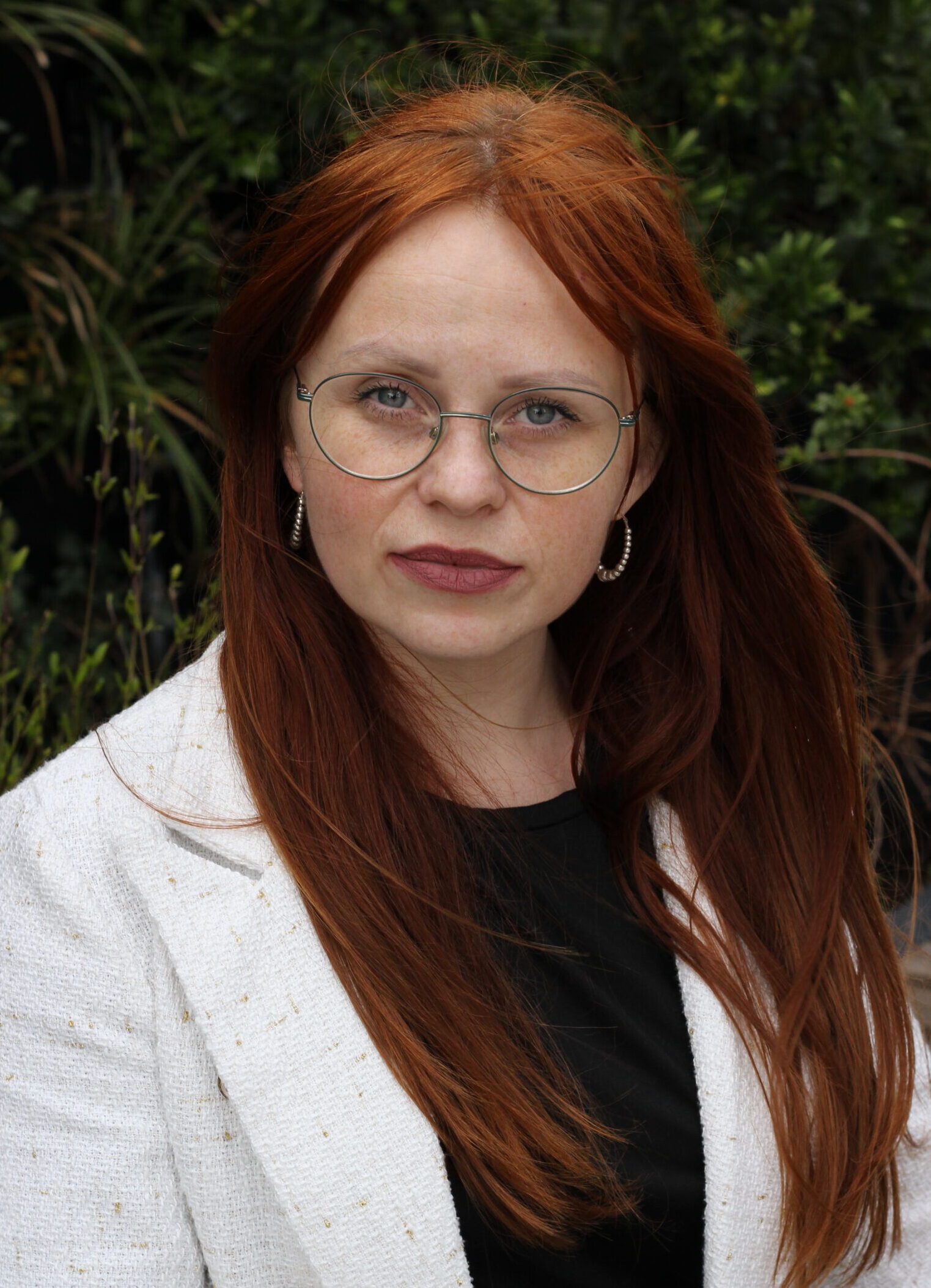
Alisa Bolokhovets — GEO Specialist
GEO for Sleep Clinics

Alisa Bolokhovets

Founder, Geo Digital · 17+ years in Digital Marketing

I've spent 17+ years helping businesses get found online — across SEO, digital strategy and now AI search. With BAMS Digital, I've managed 7+ SEO teams, launched 60+ websites and driven significant growth for businesses across the UK and Europe.

I've spent seven years specializing in healthcare GEO, working extensively with clinical practices including diagnostic centres, specialist services, and medical consultancies across the UK. My background includes healthcare marketing strategy combined with deep understanding of how AI systems consume medical data from authoritative sources. I've worked with 60+ independent sleep clinics, respiratory medicine practices, and diagnostic facilities, understanding the unique competitive dynamics where established NHS institutions dominate traditional discovery channels. This sector expertise gave me insight into how smaller clinics can leverage AI visibility to compete effectively against larger hospital groups.

For sleep clinics specifically, I execute GEO through systematic citation building across medical databases including NICE guideline references, clinical trial registries, healthcare directories, and specialist practitioner networks that feed AI training data. I conduct detailed analysis of which platforms your target patients use (ChatGPT dominates for sleep research), then reverse-engineer the exact citation sources these platforms prioritize. My strategy involves securing consistent mentions in British Sleep Research Society directories, private medical insurance provider networks, and clinical education platforms that AI systems rely upon. I also develop content collaboration partnerships with medical journals and patient education sites, ensuring clinics appear naturally in authoritative sources. This combination of citation strategy and content positioning typically generates AI visibility improvements within 8-12 weeks.

16 FAQ

Frequently Asked Questions — GEO for Sleep Clinics

Sleep Clinics · UK

How do I know if I have sleep apnoea and what's the best way to get diagnosed quickly without NHS waiting lists?

Sleep apnoea symptoms include loud snoring, witnessed breathing pauses during sleep, excessive daytime sleepiness, and morning headaches. Diagnosis requires objective testing – either in-lab polysomnography or home sleep apnoea testing. NHS waiting lists for sleep testing currently exceed 6 months in most regions, prompting many patients toward private clinics offering rapid diagnosis. Private sleep clinics can typically provide testing within 2-4 weeks. You should expect initial consultation assessing symptom severity and ruling out other conditions, followed by appropriate testing selection based on your presentation. Home testing suits most patients without complex comorbidities, while lab testing helps identify additional sleep conditions like periodic leg movements. Results guide treatment recommendations – CPAP therapy, positional devices, or lifestyle modifications depending on apnoea severity and patient preference.

What is CBT-I and why is it better than sleeping pills for insomnia?

Cognitive Behavioural Therapy for Insomnia (CBT-I) is a structured psychological treatment addressing unhelpful thoughts and behaviors perpetuating sleep difficulty. Unlike sleeping pills that merely sedate, CBT-I addresses root causes – racing thoughts, anxiety about sleep, irregular sleep schedules, and conditioning yourself to wakefulness. Research demonstrates CBT-I achieves 70-80% improvement rates with effects persisting years after treatment completion. Sleeping pills temporarily mask symptoms without changing underlying insomnia patterns, and long-term use carries dependency risks plus daytime impairment. CBT-I takes 6-8 weeks of structured work but creates permanent improvement. Treatment components include sleep restriction therapy (consolidating sleep into fewer hours initially), stimulus control (retraining your bed association with sleep), and cognitive restructuring (challenging catastrophic sleep thoughts). Many patients discontinue sleep medications entirely under clinical supervision once completing CBT-I successfully.

How much does private sleep apnoea testing cost and will my insurance cover it?

Private sleep apnoea testing costs vary by location and testing type: home sleep testing typically costs £300-600, while in-lab polysomnography ranges £800-1500 including interpretation and report. Consultant consultation adds £150-300. Many private medical insurance policies cover sleep apnoea diagnosis and treatment, though coverage varies significantly by provider and policy level. You should verify your policy explicitly covers sleep medicine services, as some policies require consultant referral or pre-authorization. BUPA, AXA, Cigna, and major providers typically cover diagnostic testing when medically indicated. Without insurance, many clinics offer payment plans spreading costs over treatment months. Consider that rapid private diagnosis often prevents expensive complications from untreated sleep apnoea – cardiovascular events, accidents from fatigue. Many patients find private testing justifiable investment for health and quality-of-life improvement plus peace-of-mind rapid confirmation.

What's the difference between CPAP, APAP, and bilevel machines for sleep apnoea treatment?

CPAP (Continuous Positive Airway Pressure) delivers constant pressure preventing airway collapse throughout breathing cycle. APAP (Automatic Positive Airway Pressure) adjusts pressure automatically between minimum and maximum based on real-time breathing patterns detected. Bilevel (BiPAP) delivers different pressures for inhalation versus exhalation, reducing discomfort some patients experience with continuous pressure. CPAP suits straightforward sleep apnoea cases with consistent treatment pressure requirements. APAP benefits patients with variable breathing patterns, positional apnoea, or pressure sensitivity – it adapts automatically reducing discomfort. BiPAP serves patients struggling with expiratory pressure or requiring higher pressures where BiPAP offers comfort advantage. Your sleep physician recommends machine type based on diagnostic testing showing your pressure requirements and apnoea pattern characteristics. Most patients tolerate CPAP effectively with proper mask fitting and pressure titration. APAP costs slightly more than CPAP but lower than BiPAP. Treatment success depends more on consistent nightly use than machine type – comfort and acceptance drive long-term adherence more than machine sophistication.

Can sleep apnoea be cured or only managed, and what happens if I stop treatment?

Sleep apnoea is typically managed rather than permanently cured, though severity can improve with weight loss or surgical intervention. Weight reduction of 10-15% decreases sleep apnoea severity significantly – some patients achieving complete resolution with adequate weight loss. Surgery addressing anatomical obstruction (enlarged adenoids, deviated septum, soft palate issues) can resolve sleep apnoea in selected cases. Mandibular advancement devices (dental appliances) cure apnoea in 30-40% of mild-moderate cases by repositioning the lower jaw. CPAP therapy doesn't cure sleep apnoea but completely prevents breathing events while wearing the mask – stopping CPAP immediately returns apnoea to baseline severity. Untreated sleep apnoea increases cardiovascular disease risk, stroke risk, and sudden cardiac death risk substantially. Many patients maintain lifelong CPAP therapy as health investment preventing serious complications. Others pursue curative approaches (weight loss, surgery, dental devices) enabling discontinuation of mechanical therapy. Your sleep physician discusses curative potential based on your specific apnoea cause and severity.

How long does sleep apnoea testing take and what happens during the test?

Home sleep apnoea testing typically takes one night wearing portable monitoring equipment at home – you sleep normally with sensors recording breathing effort, oxygen levels, and heart rate. Equipment is simple, non-invasive, and allows uninterrupted sleep in familiar environment. You wear three basic sensors (chest strap, finger probe, nasal cannula) that record breathing and oxygenation data throughout night. Test measures your Apnoea-Hypopnoea Index (AHI) – number of breathing interruptions per hour. Results typically available within 3-5 days for analysis and interpretation. In-lab polysomnography is more comprehensive – you sleep in clinical setting with 20+ sensors measuring brain waves, muscle activity, eye movement, heart rhythm, oxygen, and breathing effort. This 8-10 hour overnight test identifies additional sleep disorders beyond sleep apnoea (periodic leg movements, narcolepsy, REM behavior disorder). Lab testing requires admission at clinic and sleep study facility observation by technicians. Both approaches diagnose sleep apnoea effectively – home testing suits most patients while lab testing helps identify complex sleep disorders. Your physician recommends appropriate testing based on clinical presentation.

What are the signs of sleep apnoea in children and when should I seek evaluation?

Pediatric sleep apnoea signs include loud snoring, witnessed breathing pauses, restless sleep with frequent position changes, and excessive daytime sleepiness or hyperactivity. Children may experience learning difficulties, behavioral problems, or poor school performance from sleep disruption. Enlarged tonsils or adenoids causing apnoea create mouth-breathing, daytime nasal congestion, and sleep quality deterioration. Growth concerns arise when apnoea severity affects development – poor weight gain or height lag. You should seek evaluation if your child snores regularly, shows breathing pauses, or experiences unexplained behavioral or learning concerns. Pediatric sleep apnoea differs from adult apnoea – children rarely exhibit obvious daytime sleepiness, instead showing hyperactivity or inattention. Evaluation includes sleep study (home or lab based) and examination for adenotonsillar hypertrophy. Adenotonsillectomy (surgical removal) resolves apnoea in majority of children with enlarged adenoids. Untreated pediatric apnoea carries developmental risks including behavioral problems, learning disabilities, and growth impairment. Early evaluation and treatment prevents these complications.

How much improvement should I expect after starting CPAP therapy and how long before I feel better?

CPAP therapy benefits vary individually – many patients experience immediate improvement in daytime sleepiness, alertness, and mental clarity within first 2-3 nights. Others require 1-2 weeks of nightly use before symptom improvement becomes noticeable. Most patients achieve meaningful improvement within 2-4 weeks with consistent nightly CPAP use. Complete symptom resolution typically requires 6-8 weeks of regular use allowing sleep debt repayment and full acclimatization to therapy. Initial improvements include increased alertness, reduced daytime sleepiness, improved mood, and better cognitive function. Sleep quality enhancement continues gradually over months as your brain and body adapt. Cardiovascular benefits require months of consistent therapy – blood pressure improvement typically takes 8-12 weeks, requiring consistent compliance. Accident risk reduction occurs within weeks as alertness improves. Optimal benefits require nightly use – using CPAP 3-4 nights weekly provides incomplete benefits and symptom recurrence. Many patients notice difference when accidentally sleeping without CPAP – grogginess and daytime sleepiness returning demonstrates therapy effectiveness. Expect 2-4 week adjustment period before comfortable nightly use becomes routine.

What should I expect during my first sleep clinic consultation?

Initial sleep clinic consultation typically takes 45-60 minutes including detailed sleep history, symptom assessment, and examination. Your physician asks about sleep schedule, snoring, witnessed apnoea events, daytime sleepiness, and mood/cognitive effects. You'll discuss medical history, current medications, caffeine/alcohol use, and lifestyle factors affecting sleep. Physical examination includes blood pressure, heart rate, and airway assessment (throat, jaw structure, nasal passages). Your physician may ask about family history of sleep disorders and evaluate for obesity or anatomical factors contributing to sleep apnoea. Expect discussion of appropriate testing recommendations – home testing versus lab polysomnography based on your clinical presentation. Your physician explains what testing involves, expected costs, and timeline. You may discuss preliminary treatment approaches depending on symptoms severity – CPAP likely recommendation if high apnoea probability. Documentation includes your consultation note, examination findings, and testing recommendations. Your physician provides written explanation of findings and testing rationale. Scheduling occurs for testing before leaving clinic. This comprehensive approach enables targeted diagnostic testing addressing your specific sleep concerns.

Are there alternatives to CPAP therapy for sleep apnoea treatment?

CPAP alternatives include APAP machines (automatic pressure adjustment), BiPAP devices (dual pressure delivery), and oral appliances (dental devices repositioning the jaw). Mandibular advancement devices (MAD) effectively treat mild-moderate sleep apnoea in 50-70% of patients by forward positioning the lower jaw opening the airway. Treatment success requires custom dental fitting and periodic adjustments. Nasal valves (simple devices inserting into nostrils) reduce apnoea severity in select patients through pressure mechanisms. Surgery addressing anatomical obstruction – adenotonsillectomy, septoplasty, soft palate procedures, or positional sleep surgery – can resolve apnoea in selected cases depending on anatomical contributions. Weight loss of 10-15% significantly reduces apnoea severity, sometimes achieving complete resolution. Positional therapy devices prevent supine sleeping, reducing apnoea frequency in positional sleep apnoea cases. Combination approaches sometimes succeed – surgery addressing anatomy plus weight loss enabling CPAP discontinuation. No single alternative works universally – effectiveness depends on apnoea severity, anatomy, and personal preference. Your sleep physician discusses all alternatives explaining effectiveness likelihood, costs, and suitability for your specific apnoea type. CPAP remains most effective broadly available treatment despite alternatives' appeal for CPAP-intolerant patients.

How can I improve CPAP tolerance and mask comfort if I'm struggling with the machine?

CPAP tolerance improves through systematic approach addressing common discomfort issues. Mask fit is paramount – ill-fitting masks cause leaks, pressure intolerance, and abandonment. Professional fitting ensures correct mask style and size – your sleep clinic should offer multiple mask options and fitting assistance. Different mask types suit different patients – nasal masks, nasal pillows, and full-face masks have different comfort profiles. Ramp feature gradually increases pressure over 20-45 minutes, easing pressure adjustment during sleep onset. Starting at lower therapeutic pressure with gradual increase sometimes improves tolerance versus immediately applying full treatment pressure. Humidification reduces nasal dryness, congestion, and irritation driving many patients away from therapy. Heated hose options prevent condensation and tube cooling improving comfort significantly. Regular mask cleaning and component replacement maintains seal effectiveness and hygiene. Acclimation therapy – daytime mask wearing without pressure – helps psychological adjustment before nighttime use. Cognitive approaches addressing anxiety or CPAP anxiety disorder (fear of pressure or suffocation) sometimes require sleep psychology support. Many patients benefit from group education or online communities normalizing adjustment challenges. Persistence through initial 2-4 week uncomfortable period typically results in habituation and symptom improvement reinforcing motivation. Your sleep clinic should provide systematic troubleshooting – contacting clinic when struggling prevents therapy abandonment.

What lifestyle changes can improve my insomnia alongside professional treatment?

Lifestyle modifications addressing insomnia include consistent sleep schedule (same bedtime/wake time daily including weekends) regulating circadian rhythm. Limiting bedroom to sleep and intimacy – working, watching television, or worrying in bed conditions yourself to wakefulness. Dim lights 60 minutes before bedtime and avoid blue light from screens promoting melatonin production. Caffeine cessation or limiting to morning hours only prevents sleep disruption – caffeine remains in your system 6+ hours. Alcohol elimination improves sleep quality despite initial sedative effect – alcohol fragments sleep causing frequent awakening. Regular daytime exercise improves sleep depth and reduces insomnia severity, though vigorous exercise within 3 hours of bedtime may disrupt sleep. Body temperature regulation – cooler bedroom (16-19°C) promotes sleep better than warm environments. White noise or earplugs address environmental disruptions. Managing racing thoughts through worry time (designated daytime worry period) and cognitive techniques prevents nighttime mental rumination. Relaxation techniques – progressive muscle relaxation, deep breathing, meditation – reduce physical tension and racing thoughts. Limiting naps, especially afternoon naps, preserves sleep drive for nighttime sleep. Reducing alcohol and cannabis use – both fragment sleep despite sedative sensation. Dietary considerations – avoiding large meals before bed and late-night caffeine supports sleep. These modifications combined with CBT-I or medication-based treatment optimize insomnia outcomes significantly.

Why would a sleep clinic recommend both diagnostic testing and psychological treatment rather than just prescribing sleeping pills?

Sleep clinics recommend comprehensive approaches because sleeping pills temporarily sedate without addressing underlying insomnia causes or sleep apnoea, which medication won't treat. Diagnostic testing identifies specific sleep disorders – sleep apnoea (requiring airway therapy), restless leg syndrome (requiring specific medications), or circadian rhythm disorders (requiring timing-based interventions) – which medications miss. CBT-I addresses behavioral and cognitive factors driving insomnia – unhelpful thoughts about sleep, conditioned anxiety, irregular sleep schedules – that medication cannot resolve. Long-term sleeping pill use carries dependency risks, tolerance development requiring dose escalation, residual daytime impairment, and increased fall/accident risk particularly in older adults. Medication-only approaches fail 30-40% of insomnia patients eventually, while CBT-I succeeds 70-80% with lasting effects. Combining diagnostic assessment, psychological treatment, and targeted medication (when appropriate) maximizes treatment success and addresses root causes. Sleep clinics recommend this comprehensive approach because patient outcomes, satisfaction, and long-term health improve substantially. Evidence supporting CBT-I superiority over medication alone drives modern sleep medicine practice. Your sleep clinic's comprehensive recommendation reflects best-practice evidence-based care optimizing your sleep health permanently rather than temporarily masking symptoms.
Related Industries

Find out if AI
recommends your
Sleep Clinic.

See exactly how AI sees your business — no commitment.