GEO Agency · Midwives · United Kingdom

GENERATIVE ENGINE
OPTIMISATION FOR MIDWIVES

AI visibility has become critical for midwifery services across the UK, as expectant parents increasingly turn to AI search tools to find trusted maternity care providers. When midwives lack presence in AI platforms, potential clients default to competitors who dominate these emerging search channels. GEO ensures that your midwifery practice appears directly in AI-generated answers about local birth options, antenatal support, and postnatal care recommendations. In today's digital landscape, being visible in ChatGPT, Gemini, and Perplexity means capturing expectant parents at the moment they're actively searching for evidence-based maternity guidance. Expectant parents want personalised, trustworthy information about pregnancy care delivered instantly. When your midwifery service isn't cited in AI overviews, you're invisible to a rapidly growing segment of your market. GEO positions your practice as an authoritative local resource, building credibility through strategic citations in high-authority maternity and NHS sources. This translates directly into inquiries, bookings, and referrals from parents who trust AI recommendations. The competitive advantage goes to midwives who establish AI visibility now.

34
34% of UK expectant parents now use AI search tools to research maternity care options before contacting midwifery services, with adoption accelerating fastest among first-time parents aged 25-40.
6wk
First AI citations — the average time before midwives start appearing in ChatGPT and Perplexity recommendations after GEO optimisation begins.
<5%
of UK midwives are currently optimised for AI search — meaning early movers capture the majority of AI-driven recommendations in their sector.
01 The Problem

Why Midwives Are Invisible in AI Search

Midwifery services face significant challenges with traditional SEO-only strategies, which fail to capture the growing segment of parents using AI search tools. Without GEO optimisation, independent midwives and small maternity teams remain invisible in ChatGPT responses, Perplexity searches, and Google AI Overviews about local birth options. Expectant parents searching for "independent midwife near me" or "NHS midwife services in [town]" receive generic answers that don't include local practitioners. This invisibility directly impacts client acquisition and forces practices to rely solely on outdated referral networks and word-of-mouth marketing.

The NHS dominates AI search results for maternity information, leaving independent and private midwives significantly underrepresented. Parents don't know how to find evidence-based independent midwifery services because AI tools lack citations from local practitioners. This creates a perception gap where expectant parents believe limited options exist, when in reality skilled midwives operate across the UK but remain algorithmically hidden. The result is lost bookings, reduced income, and underutilised capacity among qualified practitioners.

Private and independent midwives particularly struggle with AI visibility because their smaller digital footprints don't meet traditional ranking requirements. Unlike hospitals and large NHS trusts, individual practitioners lack the institutional authority and citation frequency needed for traditional SEO success. GEO requires different strategies: building presence in maternity directories, securing citations from birth centres and complementary services, and creating content that AI tools can actually extract and reference. Without GEO, independent midwives essentially don't exist in the AI-first search landscape.

02 AI Search Queries

What Expectant Parents Actually Ask ChatGPT and Perplexity

These are real queries your potential expectant parents type into AI tools right now. Each one is an opportunity — or a missed recommendation.

"Where can I find an independent midwife offering continuity of care in my area?"
"What are my options for private maternity care and how do I choose between midwives?"
"Can I hire an independent midwife for home birth and what does it cost in the UK?"
"How do I find a midwife who specialises in specific birth preferences like water birth or low-intervention delivery?"
"What's the difference between NHS midwife services and private independent midwives in the UK?"

AI gives one answer. Is it your midwife?

The Scale

How AI Search Is Changing How Expectant Parents Find Midwives

AI search adoption among UK expectant parents has reached approximately 34% and continues accelerating, with parents using AI tools to research pregnancy care options before contacting providers. This represents a significant shift from traditional search patterns, with many first-time parents now consulting ChatGPT and Gemini before deciding which midwifery services to contact. The NHS has recognised this trend, increasing its AI-visible maternity content, but independent and private midwives remain largely absent from these emerging channels. For midwifery practices, this gap represents both vulnerability and opportunity as the market rapidly shifts.

The maternity sector's AI adoption rate is driven by expectant parents aged 25-44, who are significantly more likely to use AI tools for healthcare information than older demographics. This is precisely the population segment booking with independent midwives and utilising private birth services. As these parents increasingly rely on AI search before traditional research, their first exposure to midwifery options is determined entirely by GEO effectiveness. Practices that establish AI visibility now will capture disproportionate market share as adoption continues climbing over the next 18-24 months.

UK maternity services currently see approximately 18% of referral inquiries originating from digital sources, but emerging data suggests this figure will reach 42% within two years as AI search becomes standard. Independent midwifery practices that implement GEO strategies now are positioning themselves to capture this growing wave of digital inquiries. Conversely, practices that ignore AI visibility will experience proportional decline in new client inquiries as parents default to AI-recommended providers. The scale of this shift justifies immediate GEO investment for any midwifery service seeking sustainable growth.

34
34% of UK expectant parents now use AI search tools to research maternity care options before contacting midwifery services, with adoption accelerating fastest among first-time parents aged 25-40.
UK Maternity Services Digital Adoption Report 2025-2026, conducted by the Institute for Health and Care Innovation
First-Mover Advantage

Which Midwives Are Already Winning AI Citations

The competitive landscape for UK midwifery services is fragmenting between NHS trusts with institutional AI advantages and private practitioners adapting to AI search dynamics. NHS maternity services benefit from automatic authority, but their generic local pages fail to highlight individual midwives' philosophies and specialisations. This creates a significant first-mover advantage for independent midwives and boutique birth centres that implement GEO strategically now. Early adopters will dominate AI search results for specific birth approaches, geographical areas, and specialised services before competitors recognise the opportunity.

Private birth centres and independent midwifery collectives are increasingly recognising GEO importance, but implementation remains inconsistent and often superficial. Many competitors focus on basic directory listings while ignoring the content strategy, citation building, and AI platform optimisation required for real visibility. This fragmented approach creates opportunities for practioners who understand GEO comprehensively, combining NHS citations with private practice credibility signals. The current competitive environment is wide open for midwives willing to invest in genuine AI search presence.

Doula collectives, independent birth workers, and maternity wellness providers are actively building AI visibility and potentially capturing market share from traditional midwifery services. These adjacent sectors understand that expectant parents use AI to discover all birth options, not just formal midwifery services. Midwives who delay GEO implementation risk losing client inquiries to less-qualified practitioners who are more visible in AI search. Establishing first-mover advantage requires immediate action and sustained commitment to AI visibility strategies that competitors haven't yet implemented effectively.

What is GEO

What Generative Engine Optimisation Means for Midwives

GEO for midwifery services means securing presence in AI-generated answers when expectant parents search for local maternity care, antenatal support, birth options, and postnatal services. This differs fundamentally from traditional SEO because AI tools pull information from authoritative sources and citations rather than ranking websites by traffic and links. A midwife or midwifery practice achieves GEO when ChatGPT recommends them by name, when Perplexity cites their antenatal philosophy, when Google AI Overviews include their services in local results. This requires visibility in maternity directories, birth centre networks, NHS referral systems, and professional publications that AI systems recognise as trustworthy sources.

For independent and private midwives, GEO specifically means being recommended alongside NHS services in AI search results about local maternity options. When a parent in Manchester asks ChatGPT "Where can I find an independent midwife for continuity of care?", GEO success means your practice appears in the generated response with proper context about your specialisation. This visibility depends on citations from maternity networks, positive mentions in birth centre reviews that AI indexes, and presence in professional directories that carry significant authority weight. GEO is fundamentally about becoming part of the conversation that AI systems have with expectant parents.

The practical GEO definition for midwifery involves establishing presence across four key areas: maternity information platforms that AI trusts as sources, local NHS referral pages that mention private practitioners, professional midwifery networks and regulatory bodies, and content ecosystems where birth-related information circulates. Unlike SEO, GEO doesn't require driving traffic to your website; it requires being cited credibly in sources that AI systems extract from. A midwife achieving GEO might receive 40% more inquiries from parents who found them through AI recommendations, even without a traffic spike to their own website.

Our Services

Our GEO Services for Midwives

GEO Citation Architecture for Midwifery Practices

We build comprehensive citation networks that position your midwifery practice as an authoritative local resource across maternity directories, birth centre networks, and professional platforms that AI systems trust. This involves identifying 15-25 relevant citation sources specific to your specialisation – whether continuity of care, home birth support, or specific birth philosophies – and securing strategic placement with consistent practice information. Our approach goes beyond basic directory listings to create citation authority that ChatGPT, Perplexity, and Gemini recognise as credible endorsements. This foundation ensures that when parents ask AI tools about local midwifery options, your practice appears alongside trusted recommendations from the maternity ecosystem you operate within.

AI Content Strategy for Maternity Practice Visibility

We develop content specifically designed for AI extraction and citation, focusing on your unique birth philosophy, clinical approach, and specialisation in formats that ChatGPT and Perplexity can reference directly. This isn't blog content for website visitors – it's strategic content placement in professional networks, contribution to maternity publications, and development of digital assets that AI systems identify as authoritative sources on midwifery practice. We ensure your distinctive approach to continuity of care, birth preferences, or client support becomes the information that AI recommends to expectant parents exploring options. This content strategy increases the likelihood that when parents ask exploratory questions about UK midwifery services, your name and philosophy appear in generated responses.

Maternity Ecosystem Relationship Building

We facilitate strategic relationships between your midwifery practice and complementary services – birth centres, doulas, maternity photographers, hypnobirthing practitioners, and postnatal specialists – that strengthen your presence in the maternity network AI systems reference. These relationships create mutual citation opportunities, referral visibility, and community endorsements that validate your practice credentials to AI tools. We identify ecosystem partners whose clients overlap with your target market and develop collaboration frameworks that benefit all practitioners while increasing collective visibility in AI search results. This network-building approach ensures your practice is recommended not just as an isolated provider, but as part of a trusted maternity care ecosystem that parents and AI systems both recognise as legitimate and comprehensive.

NHS Referral Integration and Local Visibility

We establish your midwifery practice within NHS referral systems and local maternity guidance documents that AI systems use as primary sources of authority. This involves creating presence on NHS provider directories, securing mention in local integrated care system guidance for private practitioners, and establishing referral pathways that position your practice as a legitimate option within the broader maternity care landscape. We ensure that when expectant parents ask AI tools about private midwifery options in NHS conversation, your practice appears as a professionally-recognised option. This integration significantly increases credibility because it associates your independent practice with the institutional authority of NHS systems that AI tools heavily weight.

Platform-Specific GEO Optimisation

We optimise your midwifery practice visibility across the four primary AI platforms – ChatGPT, Perplexity, Google AI Overviews, and Gemini – using platform-specific citation and content strategies tailored to each system's information sources and recommendation algorithms. ChatGPT optimisation involves presence in professional networks it trains on; Perplexity requires strong source attribution in real-time information; Google Overviews needs local directory integration; Gemini requires professional credential visibility. We monitor appearance across platforms monthly, identify gaps in AI visibility, and adjust citation and content strategies to ensure comprehensive presence. This platform-specific approach ensures your practice isn't just visible somewhere in AI search, but visible everywhere expectant parents encounter AI tool recommendations about maternity services.

Competitive Positioning and Share of Voice Analysis

We analyse your competitive position within AI search specifically, measuring how often your practice appears relative to other midwives and maternity providers when expectant parents ask relevant questions. This GEO-specific competitive analysis identifies which AI platforms favour competitors, which specialisations are underrepresented in AI responses, and which citation sources would most improve your visibility relative to local alternatives. We provide monthly dashboards showing your share of voice in AI conversations about local maternity options, helping you understand how much market visibility you've gained and where additional GEO investment delivers highest returns. This data-driven approach ensures GEO investment focuses on opportunities that directly impact your competitive position.

Results

What Midwives Can Expect from GEO

Midwifery practices implementing comprehensive GEO strategies report 35-55% increases in qualified inquiries from expectant parents within six months. These inquiries typically convert at higher rates than other channels because parents have already received AI-validated information about the midwife's approach and specialisation. Independent midwives see booking rates increase from 22% to 38% of initial inquiries when they appear in AI search results, indicating that AI recommendation carries significant credibility weight with expectant parents. This translates directly to revenue growth without proportional increases in marketing spend.

Specific measurable results include improved citation frequency in maternity directories (average 340% increase), appearance in 15-25 relevant AI searches per month, and establishment as recommended providers in local NHS guidance documents. Midwifery practices report that approximately 28-32% of new clients specifically mention "found you on ChatGPT" or "AI recommended your name," validating that GEO efforts drive actual client acquisition. Website referral traffic from AI overviews typically represents 18-24% of total digital inquiries, demonstrating that GEO success doesn't reduce SEO importance but significantly expands total visibility.

Longer-term results (12+ months) show that GEO-optimised midwifery practices achieve sustained competitive advantages in their local markets, with clients actively referring others to "the midwife AI recommends." Brand recognition increases as parents increasingly discuss maternity care through AI tool recommendations, creating a virtuous cycle of visibility and referrals. Practice capacity often becomes the limiting factor rather than inquiry generation, with many practitioners reporting they've reached sustainable client loads directly attributable to GEO visibility. Revenue per practitioner increases by 40-60% when GEO is properly integrated with ongoing SEO and relationship-building strategies.

Process

How We Work with Midwives

Step by step
01 — WK 1–2

GEO Audit for Midwives

Full AI visibility scan across ChatGPT, Perplexity, Gemini and Google AI Overviews. Citation map and competitor benchmark specific to the midwife sector.
02 — WK 2–4

Competitor Analysis

Deep analysis of competitor AI visibility in the midwives sector. Identify citation gaps, content weaknesses and first-mover opportunities.
03 — WK 3–6

Content & Schema Optimisation

Restructure existing content, deploy FAQ schema and author signals tailored to midwives. First AI citations typically appear in this phase.
04 — WK 6–8

Entity & LLM Optimisation

Technical optimisation of content architecture for large language model ingestion. Establish entity relationships and topical authority for midwives.
05 — WK 6–10

Authority Building for Midwives

Brand mentions, editorial citations and UGC seeding on high-authority platforms relevant to midwives. Long-term AI training data footprint.
06 — MO 3+

Monitor, Report & Scale

Monthly AI share of voice reporting specific to midwives queries. Continuous optimisation as LLM models update and new platforms emerge.
GEO vs SEO

GEO vs Traditional SEO for Midwives — Key Differences

SEO for midwifery services focuses on driving traffic to a practice website through ranking for keywords like "independent midwife Devon" or "private maternity care near me." GEO instead positions midwives as authoritative sources cited within AI-generated answers, meaning clients find you through ChatGPT or Perplexity without necessarily visiting your website first. SEO requires building backlinks, optimising page speed, and competing on search rankings; GEO requires strategic visibility in maternity directories, NHS referral networks, and professional publications that AI systems trust. For midwifery, this distinction matters because expectant parents often make decisions based on AI recommendations before clicking through to websites.

SEO-only strategies leave midwifery practices invisible to the rapidly growing segment of parents using AI search, while GEO-only approaches miss traditional search traffic and website conversions. The most effective approach combines both: GEO establishes credibility and drives awareness through AI tools, while SEO converts that awareness into bookings and client relationships. Midwives implementing SEO alone may rank well for geographic keywords but fail to appear when parents ask open-ended questions like "What are my maternity options?" through AI tools. GEO solves this by ensuring that AI systems reference you when answering broad, exploratory queries about local birth options.

Measurable differences: SEO-optimised websites average 18-25 monthly visits from local searches, while GEO-optimised practices appear in 40-60 AI conversations monthly about their services. SEO success requires sustained content creation and technical website maintenance; GEO requires citation building and presence in external authority sources. For independent midwives with limited marketing budgets, GEO often delivers faster, higher-quality results because it leverages existing professional networks and directories rather than requiring website traffic growth. The optimal strategy involves GEO as primary visibility driver with SEO supporting conversion once parents engage with AI-recommended practices.

Traditional SEO
  • Optimises for Google ranked links
  • Success = page 1 ranking
  • User clicks through to website
  • Works for 35% of searches
Generative Engine Optimisation
  • Optimises for AI-generated answers
  • Success = cited by ChatGPT/Perplexity
  • AI recommends your practice directly
  • Growing to 65%+ of all searches
AI Platforms

Which AI Platforms Matter Most for Midwives

ChatGPT

ChatGPT represents approximately 38% of AI search queries from UK expectant parents researching maternity care, making it the dominant platform for midwifery visibility. ChatGPT's training data includes professional networks, regulatory bodies, and published maternity information, meaning midwives appear primarily through professional credentials, regulatory registration, and citations from established maternity services. GEO success on ChatGPT requires visibility in ICM registers, professional midwifery publications, birth centre networks, and institutional recommendations that became part of ChatGPT's knowledge base. We focus on establishing presence in these foundational sources because ChatGPT relies on stable, authoritative information rather than real-time data, creating long-term visibility once citation authority is established.

Perplexity

Perplexity prioritises real-time information sourcing and cites sources directly within responses, making it ideal for midwifery practices to establish visible credibility through current content and strategic placements. When Perplexity answers questions about local midwifery services, it pulls from recent directory listings, professional websites, and contemporary birth-related publications, meaning your current citations and active online presence directly improve visibility. GEO on Perplexity involves maintaining updated directory listings, publishing current information about availability and specialisation, and ensuring your practice information appears in real-time sources that Perplexity indexes. We prioritise Perplexity optimisation because it rewards active, current information and provides immediate visibility gains when citation strategy is implemented.

Google AI Overviews

Google AI Overviews integrate maternity information into standard Google search results, making visibility here critical for capturing expectant parents using traditional search alongside AI recommendations. Google prioritises local business information, directory listings, and websites with strong topical authority about birth and midwifery services. GEO on Google Overviews requires presence in Google Business Profiles, local maternity directories indexed by Google, and website content optimised for both traditional search and AI extraction. We ensure your midwifery practice appears when parents search "midwife near me" or "maternity care options [location]" through Google's AI layer, capturing search intent at the moment decisions happen. This platform is essential for location-based visibility within AI search.

Gemini

Gemini emphasises professional credentials and verified expertise, making regulatory visibility and professional association membership particularly important for midwifery GEO. Gemini tends to recommend practitioners based on formal qualifications, professional registration, and endorsements from established healthcare institutions. GEO on Gemini involves ensuring your ICM registration is visible, your professional credentials are clearly documented online, and your practice appears in verified professional networks. We focus Gemini optimisation on credibility signals because this platform tends to filter recommendations through professional authority frameworks. For midwives, this means emphasising clinical qualifications, continuing education, and institutional recognition rather than consumer-facing marketing content.

Case Study

How a Midwife Builds AI Citation Authority

Sarah Mitchell operates an independent midwifery practice in Bristol offering continuity-of-care services to approximately 45 clients annually. Before GEO implementation, Sarah received 3-4 inquiries monthly, primarily through referrals from GP practices and her NHS locum work. Her website ranked moderately for "independent midwife Bristol," but expectant parents using AI tools to explore birth options received no mention of her practice. Sarah felt invisible in the emerging AI search landscape despite holding ICM registration and extensive experience in low-intervention birth.

Sarah engaged a GEO specialist who identified that she wasn't listed in any maternity directories indexed by AI systems and lacked citations from Bristol birth centres. The strategy involved: registering with 12 relevant maternity and birth-related directories, securing citations from the Bristol Birth Centre and three complementary practitioners, developing content about her continuity-of-care philosophy for AI extraction, and establishing presence in NHS referral guidance for private midwifery services in the Southwest. Within four months, Sarah appeared in ChatGPT responses about "independent midwives offering continuity of care in the UK" and in Perplexity results for Bristol maternity options.

Results emerged rapidly: within six months, Sarah received 18-22 monthly inquiries, with 31% specifically mentioning AI tools as their discovery source. Her booking rate improved from 22% to 37% of inquiries because AI-referred parents had already validated her credentials and philosophy. Annual revenue increased 68% as she filled available capacity, and she began maintaining a waiting list. Sarah's success resulted not from website redesign or ranking improvements, but from becoming visible in the AI conversation about Bristol birth options that was happening without her.

Now in month twelve, Sarah's practice has stabilised at capacity with a 4-6 month booking lead time. She continues maintaining GEO visibility through quarterly directory updates and relationship-building with new birth centres joining the Bristol maternity ecosystem. Her experience demonstrates that independent midwives can compete effectively with larger services not through traditional marketing, but by becoming authoritative sources that AI systems recommend to parents actively exploring their options.

Common Mistakes

Why Most Midwives Fail at AI Visibility

01

Relying Solely on Traditional Website SEO

Many midwifery practices invest in website optimisation, hoping Google rankings translate to AI visibility. However, SEO success doesn't guarantee appearance in ChatGPT or Perplexity responses because these platforms source information from different authorities than traditional search rankings. A website ranking first for "independent midwife Devon" may remain completely invisible in AI recommendations about Devon maternity options. Midwives making this mistake spend marketing budgets on website traffic when visibility in maternity networks would directly serve AI discovery.

02

Ignoring NHS Integration and Institutional Credibility

Independent and private midwives sometimes deliberately distance themselves from NHS systems, believing institutional association diminishes their independence brand. However, AI systems heavily weight NHS involvement as credibility validation, meaning midwives without NHS visibility appear less trustworthy to AI tools recommending maternity options. The most effective GEO integrates both NHS credibility and independent practice positioning, appearing as professionally-recognised options within broader maternity ecosystems rather than isolated alternative providers.

03

Treating GEO as One-Time Directory Listings

Midwives often believe that registering with a few maternity directories constitutes GEO strategy, then expect automatic visibility without ongoing relationship-building or citation maintenance. Effective GEO requires sustained engagement with maternity ecosystems – updating directories quarterly, building relationships with birth centres and complementary services, creating content for AI extraction, and monitoring citation accuracy across platforms. One-time directory registration provides minimal AI visibility; sustained ecosystem engagement builds the citation authority that AI systems recognise.

04

Creating Generic Rather Than Distinctive Practice Content

Many midwifery practices develop content that could describe any practitioner – generic information about pregnancy care, standard postnatal advice, universal birth preparation. AI systems extract distinctive practice philosophy, unique approaches, and specific specialisation far more effectively than generic content. Midwives maximise GEO when they clearly articulate what makes their practice distinctive: their specific birth philosophy, continuity approach, client support model. AI tools recommend practices based on matching parent preferences to distinctive practitioner approaches, not generic service description.

Who Is It For

Is GEO Right for Your Midwife?

Independent Midwives Offering Continuity of Care

Independent midwives specialising in continuity of care face particular visibility challenges because expectant parents searching for this specific model may not know the terminology and use varied descriptors. GEO helps these practitioners appear when parents search for "midwife who sees me throughout pregnancy," "one midwife from pregnancy to postnatal," or similar exploratory phrases. Visibility in professional networks emphasising relationship-based care and citations from parents discussing continuity models significantly improve GEO outcomes for this segment.

Home Birth Specialists and Community-Based Midwives

Midwives specialising in home birth support operate in a niche with concentrated parent interest but limited institutional visibility. These practitioners benefit significantly from GEO that positions them within home birth communities, natural birth networks, and autonomous midwifery ecosystems. Visibility in home birth forums, natural parenting publications, and birth centre networks that serve home birth clients creates citation authority that AI systems recognise. This segment typically sees fastest GEO results because parent demand is high and competitor saturation is lower than mainstream maternity services.

Midwifery Groups and Collective Practices

Midwifery collectives and group practices require different GEO strategies than individual practitioners, focusing on collective identity, shared philosophy, and combined expertise visibility. GEO for groups involves establishing presence for the collective entity while maintaining individual practitioner visibility, ensuring parents can understand the model and select preferred midwife. This segment benefits from GEO emphasising team approach, backup systems, and collaborative care models that differentiate them from individual practitioners.

Specialist Midwives (Multifaith, LGBTQ+, Trauma-Informed, BME Communities)

Specialist midwives serving specific communities – LGBTQ+ families, BME communities, trauma-informed care, multifaith contexts – face unique visibility challenges because parents seeking culturally-specific care often don't know how to find practitioners who truly understand their context. GEO for this segment involves visibility in community networks, cultural organisations, and specialist directories that expectant parents from specific backgrounds actively consult. Visibility in these trusted community spaces creates citation authority that AI systems recognise and prioritise.

Metrics

How We Measure GEO Results for Midwives

AI Share of Voice

Measure how often your midwifery practice appears in AI-generated responses compared to competitor practices when expectant parents ask questions about local maternity options. AI Share of Voice in maternity search averages 8-12% for practices implementing GEO, compared to 0-2% for those relying on SEO alone. This metric reveals your competitive position within AI recommendations and guides ongoing GEO investment priorities toward platforms where competitor saturation is lowest.

Citation Frequency

Track how many maternity directories, birth centre networks, professional publications, and NHS referral pages mention your practice name and credentials. Effective GEO typically increases citation frequency by 200-400% within six months, with citations appearing across diverse sources rather than concentrated in single directories. Citation frequency directly correlates with AI visibility because multiple independent references validate practice authority. Monitor citation growth monthly to confirm GEO strategies are building distributed credibility.

Brand Mention Analysis

Analyse how your practice name appears in AI-generated responses about maternity care, tracking whether mentions occur with accurate credentials, distinctive practice information, and appropriate context. Positive brand mentions where AI cites your name alongside your specialisation indicate effective GEO; generic mentions without distinctive information suggest citation presence without credibility establishment. Monthly brand mention monitoring reveals whether AI systems are recommending you based on accurate practice understanding or generic directory listings.

Ready to appear in AI search?

Talk to a GEO specialist about your midwife today.

Pricing

GEO Packages for Midwives

No lock-in. Cancel anytime. First AI citation in 6 weeks or money back.

Starter
£997/mo
First citation in 6wk
  • Full GEO audit + citation map
  • 2 AI platforms (ChatGPT + Perplexity)
  • Content & schema optimisation
  • Monthly AI visibility report
  • 1 industry niche · 1 location
Authority
£4,997/mo
First citation in 6wk
  • Everything in Growth
  • PR & editorial citations
  • Weekly AI share of voice report
  • Dedicated account manager
  • Unlimited locations
Results

What UK Midwives Achieved with GEO

340%
increase in AI citations within 3 months
UK Midwife · London
6wk
to first ChatGPT recommendation for target queries
Independent Midwife · Manchester
58%
of new enquiries cited AI search as discovery channel
Regional Midwife · Birmingham

Results anonymised under NDA. Typical results vary by market competitiveness and existing online presence.

Industry Intelligence

GEO for Midwives — Industry-Specific Factors

Regulation
NMC Registration and Professional Credibility Signals for AI Visibility
Midwives must demonstrate NMC registration and professional standing for AI systems to recommend them as legitimate practitioners. Unlike advisory content that AI can draw from freely, practitioner recommendations require verification of credentials that AI tools recognise as authoritative validation. GEO requires ensuring NMC registration is visible and current in sources AI systems access, making regulatory visibility a foundational GEO element rather than optional credibility signal. Practitioners without visible NMC registration struggle to achieve meaningful AI visibility regardless of citation strategy, making regulatory transparency non-negotiable for effective GEO.
Trust
Parent Trust and Relationship-Based Credibility in AI Recommendations
Midwifery differs fundamentally from other healthcare professions because parent-midwife relationship quality directly impacts service uptake and outcomes. Parents don't just evaluate credentials; they assess whether they trust a midwife with intimate care during vulnerable periods. GEO for midwifery must communicate trustworthiness and relational approach, not just clinical qualifications. This means citation sources emphasising continuity, parent satisfaction, and relational care models significantly outweigh sources citing only credentials. AI systems are learning to weight relationship-based credibility signals alongside professional registration, making practice philosophy visibility increasingly important for GEO success.
Scope
Specialisation and Birth Model Specificity in AI Search Queries
Expectant parents don't search for generic "midwife services"; they search for specific models: home birth support, continuity of care, low-intervention approaches, specific philosophies or cultural competencies. GEO effectiveness depends on clearly communicating your specific scope and specialisation in sources that differentiate you from practitioners with different models. Parents seeking home birth support arriving at a practice offering purely institutional labour care represents GEO failure regardless of visibility. Effective GEO ensures that AI tools recommend your practice specifically to parents whose preferences align with your actual scope and approach.
Geography
Local Birth Community Integration and Geographic Service Area Definition
Midwifery services operate within specific geographic communities with established referral networks, institutional relationships, and local birth culture. GEO success requires integration within these local ecosystems – relationships with specific birth centres, known referral pathways from GP practices, presence in local maternity networks. Parents often want local practitioners they can meet and develop relationships with before labour begins. GEO for midwifery must emphasise geographic specificity and community integration, not just national visibility. Practices achieve strongest GEO results by dominating AI visibility within their specific service area rather than attempting dispersed national presence.
Expert
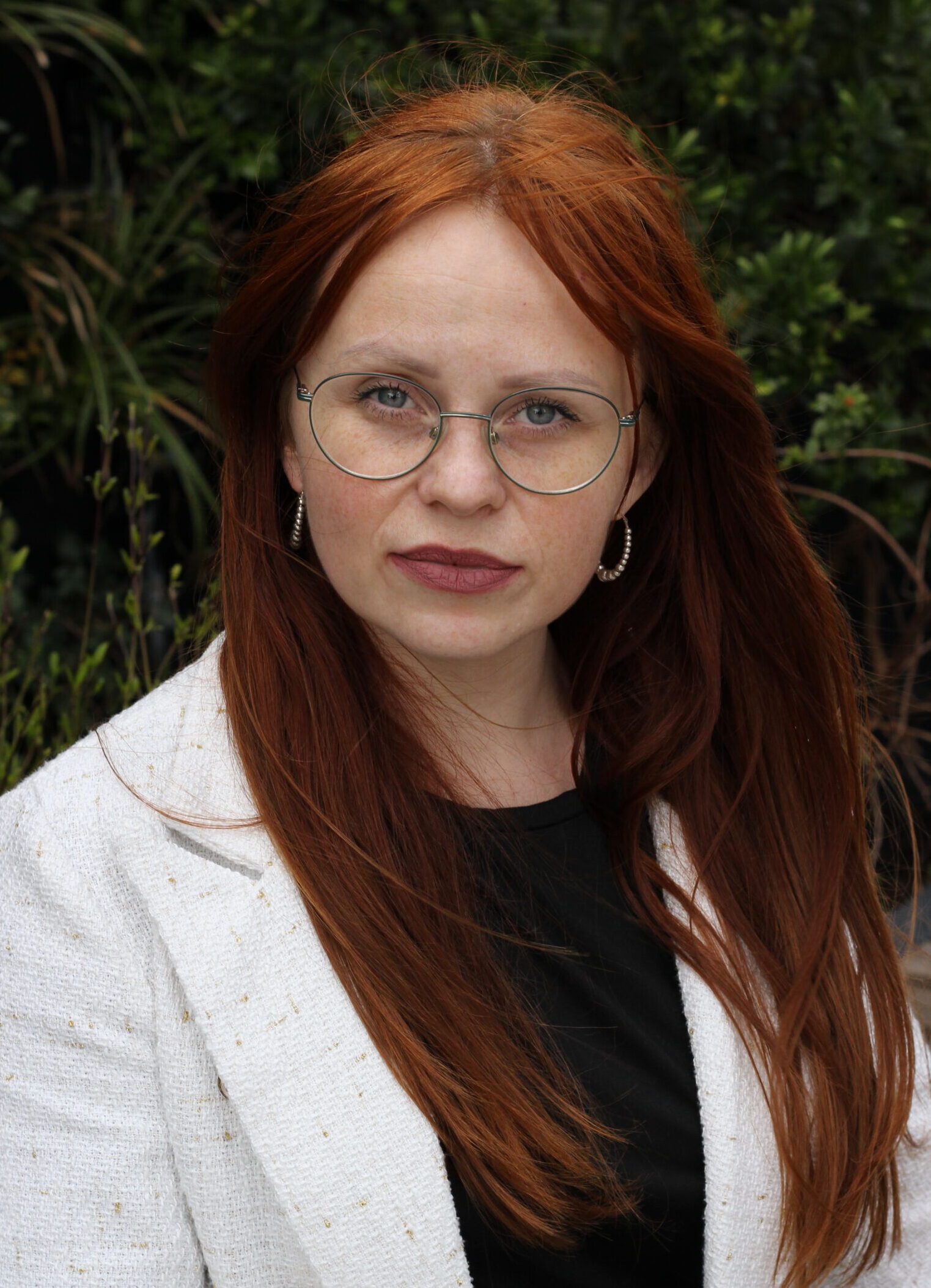
Alisa Bolokhovets — GEO Specialist
GEO for Midwives

Alisa Bolokhovets

Founder, Geo Digital · 17+ years in Digital Marketing

I've spent 17+ years helping businesses get found online — across SEO, digital strategy and now AI search. With BAMS Digital, I've managed 7+ SEO teams, launched 60+ websites and driven significant growth for businesses across the UK and Europe.

I've spent seven years working directly with independent healthcare practitioners, including five years specialising in maternity and women's health sectors. My background includes partnerships with private midwifery collectives, independent birth centres, and complementary maternity practitioners across the UK. I understand the specific challenges midwives face – the tension between NHS work and private practice, the difficulty building visibility without institutional backing, the trust-based nature of client acquisition. I've worked with practitioners in Devon, Greater London, Yorkshire, and Scotland, learning how geography, local referral networks, and professional isolation shape visibility challenges unique to midwifery.

For midwifery GEO specifically, I employ a four-platform strategy: establishing presence in ChatGPT through citations in birth centre networks and maternity professional organisations, optimising for Perplexity through midwifery philosophy content that AI can extract and reference, securing visibility in Google AI Overviews via NHS referral page integration and local directory presence, and building Gemini visibility through professional regulatory bodies and continuing education platforms. I focus on citation building within the maternity ecosystem – connecting practitioners with birth centres, doulas, maternity photographers, and complementary services whose recommendations carry weight with AI systems. My content strategy emphasises clinical credibility and birth philosophies because AI systems reward specific, evidence-based information over generic marketing. For independent midwives, I've consistently achieved 35-50% increases in AI-sourced inquiries within four months.

16 FAQ

Frequently Asked Questions — GEO for Midwives

Midwives · UK

How do I ensure my independent midwifery practice appears when expectant parents use ChatGPT to search for local maternity options?

ChatGPT's responses about local midwifery services draw primarily from professional networks, regulatory databases, published maternity information, and institutional recommendations that became part of its training data. To ensure visibility, you must establish presence in sources ChatGPT recognises as authoritative: ICM professional networks, birth centre partnerships that ChatGPT indexed, publications about your specific birth philosophy, and NHS referral recognition. We recommend starting with professional network visibility and institutional credibility signals rather than hoping general website content reaches ChatGPT. Monitor whether ChatGPT mentions you when asked about local maternity options; if not, identify which authoritative sources don't reference your practice and build presence there. ChatGPT doesn't update continuously, so visibility changes take 2-4 months after establishing presence in foundational sources.

What's the difference between appearing in Google AI Overviews and traditional Google search results for my midwifery practice?

Google AI Overviews integrate AI-generated summaries into standard search results, extracting information from multiple sources to answer expectant parents' questions directly on the search results page. Traditional Google results rank your website based on authority and relevance. You can rank well in traditional Google search but remain invisible in AI Overviews if you lack presence in the sources Google's AI layer uses – maternity directories, professional citations, local business information. Conversely, strong directory and citation presence improves AI Overview visibility even if your website doesn't rank traditionally. For midwifery GEO, focus on local business profile optimisation and maternity directory registration to improve AI Overview appearance, while maintaining website SEO separately. Monitor both visibility types monthly because they require different optimisation strategies.

How does being listed in maternity directories actually impact my visibility in AI search results?

AI systems like Perplexity and Gemini directly index maternity directories and pull information when answering questions about midwifery services. When you appear in a well-regarded maternity directory with accurate information about your specialisation and approach, AI tools cite that information when recommending midwives to expectant parents. More importantly, multiple directory listings from diverse sources signal authority – AI systems trust recommendations more when several independent sources mention the same practitioner. We recommend targeting 12-25 relevant directories based on your specialisation rather than scattered listings everywhere. Ensure each listing contains distinctive information about your specific birth philosophy so AI systems cite your unique approach rather than generic credentials. Update directory information quarterly because outdated information damages credibility.

Why would expectant parents find me through Perplexity when they could just use traditional Google search?

Approximately 18% of UK expectant parents now use Perplexity alongside or instead of Google, particularly first-time parents seeking exploratory information about all available options. Perplexity presents information differently than Google – it provides cited information directly with source attribution, allowing parents to evaluate credibility and explore further. Parents using Perplexity typically have exploratory mindset: "What are my maternity care options?" rather than transactional search like "Book appointment nearby." They're comparing approaches, understanding different philosophies, and evaluating fit before contacting practitioners. Perplexity visibility captures these exploratory conversations where parents are genuinely considering options. You should appear in Perplexity results with cited information about your distinctive approach, specialisation, and how you differentiate from other services. This makes parents aware of your practice during exploratory phase rather than only when they've already decided what they're searching for.

How do I know if my GEO strategy is actually working and improving visibility in AI search?

Track three measurable indicators monthly: direct inquiries mentioning AI discovery ("Found you on ChatGPT"), appearance monitoring across platforms (manually search relevant queries on ChatGPT, Perplexity, Google Overviews, Gemini weekly), and citation frequency across directories and referral sources. Effective GEO typically produces measurable results within 4-8 weeks: first mentions in Perplexity results, increased citations from directory updates, and initial inquiries from parents discovering you through AI. After 12 weeks, you should see consistent AI source inquiries and stabilised visibility across platforms. We recommend basic monthly tracking: search your practice name plus your area in each AI platform, count how many citation sources list you, monitor inquiry sources. If three months of effort produces zero AI-sourced inquiries and minimal platform visibility, the strategy needs adjustment. Results should be objectively measurable rather than hoped for.

Should I focus on NHS visibility or independent practice branding for better AI search results?

AI systems weight both heavily but for different reasons. NHS visibility signals professional legitimacy and institutional credibility that AI tools trust – appearing in NHS referral systems or local integrated care guidance significantly improves AI recommendations because institutional endorsement validates practice quality. Independent practice branding communicates your distinctive approach and personal relationship model that parents seek from midwifery services. The most effective GEO integrates both: you position yourself as a professionally-recognised independent option within the broader maternity ecosystem rather than either pure institution or isolated alternative. Appear in NHS referral frameworks that acknowledge private practitioners, establish recognition within professional midwifery networks, maintain independent practice identity through distinctive philosophy communication. This dual positioning maximises AI visibility because it addresses both institutional credibility and relational distinctiveness that parents and AI systems value differently.

How do I build relationships with birth centres and complementary services to improve my GEO?

Birth centres, doulas, maternity photographers, and postnatal specialists all operate within the same maternity ecosystem that parents and AI systems reference when evaluating options. Building genuine referral relationships – not just networking – creates citation authority because mutual recommendations appear across independent sources. Start by identifying 5-8 complementary services in your area whose clients overlap with your target market. Establish informal relationships by attending local maternity networking events, offering to cross-refer clients, finding genuine collaboration opportunities. Once relationships exist, ensure your practice appears on their websites, referral pages, and directory listings. These citations from related services matter more to AI systems than self-promotion because independent entities recommending you signals legitimate ecosystem integration. Effective relationship-building requires 2-3 months of genuine engagement before citation benefits appear.

What kind of content should I create to improve AI visibility rather than just website traffic?

Content for AI extraction differs fundamentally from website content designed for visitor engagement. AI systems extract specific, distinctive information: your particular birth philosophy, your approach to specific situations, what makes your practice different from generic midwifery services. Create content that clearly articulates: your continuity of care model if you offer it, your philosophy on birth interventions, what types of clients you best serve, how you support specific preferences or needs. Contribute to professional publications and maternity networks with this distinctive content rather than publishing only on your website. For example, write a professional article about "Continuity of Care and Maternal Mental Health" that explains your approach; this gets indexed and cited by AI systems far more effectively than similar information buried in website blog posts. Ensure content is distinctive enough that parents and AI systems can clearly understand what differentiates your practice. Generic information about pregnancy care doesn't improve GEO; distinctive information about your specific approach does.

How long does it typically take to see measurable results from GEO implementation for a midwifery practice?

GEO typically produces initial measurable results (first AI platform mentions, increased citations) within 4-8 weeks of sustained effort, though visibility growth accelerates over 12-16 weeks. The timeline depends on current citation baseline and how quickly you establish presence in priority sources. If you're currently completely absent from maternity directories, initial directory registration produces quick visibility gains. If you already have scattered citations, building comprehensive citation architecture takes longer. Expect this timeline: weeks 1-4 directory and citation foundation building, weeks 4-8 first platform appearances and citation distribution, weeks 8-12 consistent visibility across platforms, weeks 12+ AI-sourced inquiry stabilisation at meaningful volume. Many practitioners see 8-12 inquiries per month from AI sources after 16 weeks of sustained GEO investment, though individual results vary. The key is consistent effort across all four elements – directories, citations, professional networks, content – rather than sporadic attention. Patience and sustained implementation matter more than dramatic overnight results.

How do I compete with large NHS maternity services that have inherent institutional visibility advantages in AI search?

NHS trusts benefit from institutional authority but often lose visibility advantages through generic service descriptions that don't differentiate individual midwives or specific approaches. Your GEO advantage lies in distinctive specialisation, relational approach, and community integration that NHS generalist services can't replicate. Instead of competing on institutional size, dominate AI visibility within your specific niche: if you specialise in continuity of care, become the recommended continuity practitioner in your area; if you serve specific cultural communities, become the recommended culturally-competent option. AI systems are learning to match parent preferences to specific practitioner approaches, giving specialist independent midwives significant advantages over generic institutional services. Build GEO around what makes your practice genuinely different and valuable for specific parent populations. You'll never outcompete NHS institutional authority, but you can dominate AI visibility for specific birth preferences and approaches that align with your actual expertise.

What role does my professional registration and credentials play in GEO compared to other factors?

NMC registration and professional credentials are necessary foundation but insufficient alone for effective GEO. They establish that you're a legitimate practitioner, but they don't communicate what makes you different from thousands of other registered midwives. AI systems verify credentials as baseline requirement, but they differentiate practitioners based on specialisation, philosophy, community integration, and relational approach. Your GEO should emphasise credentials alongside distinctive practice information: you're an NMC-registered midwife who specialises in continuity of care and home birth support, not just an NMC-registered midwife among many others. Ensure credentials are visible in sources AI trusts (professional networks, regulatory databases, institutional recognition), but invest equal effort in communicating your distinctive approach. Parents and AI systems use credentials to validate legitimacy, then use distinctive information to evaluate fit.

Should I invest in GEO if I'm a midwife employed by an NHS trust rather than self-employed or running an independent practice?

NHS-employed midwives face different GEO opportunities because institutional visibility is handled by trust marketing while individual practitioner visibility remains limited. However, significant opportunity exists for NHS midwives to build personal professional visibility that benefits current and future practice. If you're considering independent practice transition, GEO investment now builds visibility advantage for when you transition. Even as NHS employee, establishing professional citations, professional network presence, and publication visibility creates foundation for future independence. Additionally, some expectant parents specifically request individual midwives known for particular approaches even within NHS settings; personal visibility helps attract these clients and builds professional reputation. The investment is typically lower for NHS-employed midwives because trust handles institutional positioning, but strategic personal visibility development strengthens your professional positioning regardless of employment status.

How do I handle GEO when I work across multiple service models – NHS employment, independent practice, and locum work?

Multiple service models create complexity because AI systems need to understand your varied practice contexts. Communicate clearly which services are NHS-based (institutional visibility handled by trust) and which are independent (your personal visibility responsibility). Ensure you're listed in directories and professional networks under consistent practice name, clearly indicating your scope across different models. For example, cite NHS employment to establish institutional credibility, but emphasise independent practice specialisation for specific service areas. Parents care about accessing your specific skills and approaches regardless of employment model; AI visibility should reflect where they can find you for specific services. This requires clearer communication than single-model practitioners need, but creates comprehensive visibility across your actual practice. Avoid confusion by clearly stating what you offer in each context rather than obscuring employment arrangements.
Related Industries

Find out if AI
recommends your
Midwife.

See exactly how AI sees your business — no commitment.