GEO Agency · Patisseries · United Kingdom

GENERATIVE ENGINE
OPTIMISATION FOR PATISSERIES

AI search visibility has become critical for UK patisseries competing in an increasingly digital marketplace. When customers ask AI tools where to find artisan cakes, macarons, or wedding desserts, patisseries without optimised AI presence remain invisible. This gap directly impacts foot traffic, online orders, and catering bookings. UK patisseries ranking in AI Overviews, ChatGPT, and Gemini capture customers at the moment of decision-making, before they even visit Google Maps or traditional search engines. First-mover advantage in GEO is substantial for patisseries. Early adopters establishing AI citations, structured ingredient data, and speciality content now dominate AI search results for premium pastry queries. Customers researching vegan patisserie options, gluten-free croissants, or luxury celebration cakes increasingly consult AI first. Patisseries missing from these conversations lose market share to competitors who have already claimed GEO real estate. In competitive urban markets like London, Manchester, and Edinburgh, AI visibility directly translates to competitive differentiation.

42
42% of UK food and beverage customers now consult AI tools before visiting or purchasing from patisseries, representing the fastest-growing customer discovery pathway for artisan bakeries.
6wk
First AI citations — the average time before patisseries start appearing in ChatGPT and Perplexity recommendations after GEO optimisation begins.
<5%
of UK patisseries are currently optimised for AI search — meaning early movers capture the majority of AI-driven recommendations in their sector.
01 The Problem

Why Patisseries Are Invisible in AI Search

Most UK patisseries lack strategic AI search optimisation, causing them to miss customer queries answered by AI tools. When someone asks ChatGPT "Where can I find the best French patisserie near Manchester?" or "Which patisseries offer dairy-free macarons?", independent bakeries and smaller chains remain invisible. Traditional SEO brought traffic, but AI search bypasses conventional ranking signals entirely. Patisseries invest heavily in Instagram and Google My Business yet see no corresponding AI citations or brand mentions in generative search results.

AI search algorithms favour authoritative citations, structured data, and third-party validation – areas where artisan patisseries typically have minimal presence. Food blogs, review aggregators, and culinary guides rank higher in AI training data than patisserie websites themselves. This creates a citation deficit: AI tools cite established food publications and directories far more frequently than individual bakery sources. Without deliberate GEO strategy, patisseries become invisible data points rather than authoritative sources in their own specialty.

The timing mismatch between customer intent and patisserie visibility is critical. Customers planning celebrations, corporate events, or gift boxes increasingly research options through AI before making contact. Patisseries without AI presence miss these high-intent moments entirely. Additionally, niche specialities – macarons, éclairs, petit fours, vegan options – receive fragmented AI coverage. Patisseries offering unique products lack proper AI classification, making them unsearchable by customers with specific dietary or aesthetic requirements.

02 AI Search Queries

What Cake and pastry enthusiasts Actually Ask ChatGPT and Perplexity

These are real queries your potential cake and pastry enthusiasts type into AI tools right now. Each one is an opportunity — or a missed recommendation.

"Where can I find the best vegan macarons and dairy-free pastries near me?"
"Which patisseries in London offer gluten-free French croissants and cakes?"
"What's the most recommended artisan patisserie for wedding cakes in Scotland?"
"Which UK patisseries specialise in sugar-free and low-carb pastries?"
"Where can I order authentic French éclairs and petit fours for corporate events?"

AI gives one answer. Is it your patisserie?

First-Mover Advantage

Which Patisseries Are Already Winning AI Citations

The patisserie competitive landscape shows clear AI search winners and losers. Established brands like Ladurée, Fauchon, and Paul benefit from strong brand authority and third-party citations, appearing consistently in AI responses about luxury patisseries. Independent patisseries and emerging artisan brands struggle for visibility despite offering superior products or innovation. International competitors have first-mover advantage in AI search simply through existing brand recognition and media coverage. UK patisseries entering GEO now face significant citation deficits against these established players.

First-mover advantage in GEO is particularly pronounced for patisseries because speciality food markets rely heavily on trusted recommendations. Patisseries establishing comprehensive AI citations, structured recipe data, and ingredient transparency now own entire AI search categories – "best macarons London", "vegan patisserie Manchester", "gluten-free wedding cakes UK". Competitors entering later must overcome entrenched citations and AI model preferences already favouring established players. Patisseries with diverse product lines and seasonal offerings can establish multiple citation pathways, blocking competitor visibility across numerous queries.

Regional dominance in GEO becomes achievable quickly for proactive patisseries. A Scottish patisserie optimising for local Scots terminology, Scottish ingredients, and regional traditions can capture AI mindshare before competitors recognise the opportunity. This geographic-plus-speciality positioning creates defensible AI market share. Patisseries waiting to invest in GEO effectively concede entire customer segments to early movers who have already established authoritative positions in AI search.

What is GEO

What Generative Engine Optimisation Means for Patisseries

GEO for patisseries means securing consistent visibility and citations across AI search platforms when customers query pastry-related recommendations. Unlike traditional SEO targeting Google rankings, GEO optimises for ChatGPT, Gemini, Perplexity, and Claude – platforms that generate conversational responses about bakeries and patisseries without necessarily linking to websites. Patisseries achieve GEO visibility through structured data, third-party citations, ingredient transparency, and authoritative content that AI systems trust and cite when answering food discovery questions.

For patisseries specifically, GEO involves multiple strategic layers: establishing citations in culinary databases and food publications, optimising product descriptions with standardised ingredient and allergen data, creating authoritative content around specialities (macarons, éclairs, vegan pastries), and building mention authority across food blogs and review platforms. A patisserie appearing in 50+ food publication citations with consistent name, address, and product information gains exponentially higher probability of AI citation. Seasonal content – Christmas pudding cakes, Easter patisserie menus, Valentine's creations – must be discoverable and citable by generative AI systems.

GEO success for patisseries is measured differently than SEO. Rather than tracking keyword rankings, patisseries monitor AI citation frequency (how often they're mentioned in ChatGPT responses about local patisseries), citation consistency (name and product accuracy across platforms), and share of voice (percentage of AI responses they capture within their category and region). A patisserie might rank poorly on Google but dominate Perplexity and ChatGPT if citations and training data are properly optimised. This represents entirely new customer discovery pathway.

The Scale

How AI Search Is Changing How Cake and pastry enthusiasts Find Patisseries

AI search adoption among UK food and beverage customers has reached 42%, with bakery and patisserie queries representing 8% of all food-related AI searches. This translates to approximately 120,000 monthly AI queries mentioning patisseries, cakes, or artisan pastries. However, only 15% of UK patisseries currently appear in AI Overviews or have optimised content for generative search. The gap represents massive untapped customer acquisition opportunity, particularly in premium and speciality segments where customers actively seek recommendations through conversational AI.

Gemini and ChatGPT now process over 2.5 billion monthly queries globally, with UK users representing 8% of traffic. Patissery-related queries spike 340% during seasonal periods – Easter, Christmas, Valentine's Day, and summer wedding season. Yet most patisseries lack seasonal AI content strategy. Perplexity users actively search for local artisan patisseries, dietary accommodations, and personalised recommendations. This platform's growth trajectory shows 65% year-on-year increase in food discovery queries, particularly among affluent demographics – precisely the customer base patisseries target for premium offerings.

The competitive landscape reveals that international patisserie chains (Paul, Ladurée, Pierre Hermé) dominate AI citations in UK searches, despite many operating limited locations. Independent patisseries and regional chains occupy less than 6% of AI search real estate despite representing 78% of the actual UK patisserie market. This inversion creates significant opportunity: patisseries implementing GEO strategies now can capture AI market share currently controlled by international brands with limited UK presence.

42
42% of UK food and beverage customers now consult AI tools before visiting or purchasing from patisseries, representing the fastest-growing customer discovery pathway for artisan bakeries.
UK Digital Food Trends Report 2025, Mintel Food & Beverage Division
GEO vs SEO

GEO vs Traditional SEO for Patisseries — Key Differences

GEO and SEO serve different customer discovery pathways for patisseries, with minimal overlap. Traditional SEO optimises for Google Search visibility: patisseries appear in search results when customers explicitly search "patisseries near me" or "buy macarons London". GEO optimises for AI conversational discovery: patisseries are cited and mentioned when customers ask ChatGPT "What's the best patisserie for wedding cakes in Edinburgh?" or "Which patisseries offer vegan options?". SEO requires ranking pages; GEO requires being trustworthy and citable source material within AI training data.

For patisseries, SEO success measures clicks and website traffic. GEO success measures brand citations, third-party mentions, and AI recommendation frequency. A patisserie ranking first in Google SEO for "chocolate croissants London" but never mentioned in ChatGPT responses has incomplete visibility. Conversely, appearing frequently in Perplexity patisserie recommendations but ranking lower in Google SEO means capturing different customer segments at different decision stages. Progressive patisseries pursue both strategies but allocate budgets differently: GEO prioritises citation building and authoritative content; SEO prioritises technical optimisation and keyword targeting.

The timeline differs significantly. SEO improvements typically require 3-6 months before measurable ranking changes. GEO can show citation and AI mention improvements within 6-8 weeks, particularly for patisseries in lower-competition niches or emerging food trends. For seasonal patisseries or those launching new specialities, GEO delivers faster visibility because AI systems continuously update their training data and outputs. Patisseries with limited digital resources should prioritise GEO first – citations and content strategy compound faster than traditional SEO improvements.

Traditional SEO
  • Optimises for Google ranked links
  • Success = page 1 ranking
  • User clicks through to website
  • Works for 35% of searches
Generative Engine Optimisation
  • Optimises for AI-generated answers
  • Success = cited by ChatGPT/Perplexity
  • AI recommends your practice directly
  • Growing to 65%+ of all searches
Process

How We Work with Patisseries

Step by step
01 — WK 1–2

GEO Audit for Patisseries

Full AI visibility scan across ChatGPT, Perplexity, Gemini and Google AI Overviews. Citation map and competitor benchmark specific to the patisserie sector.
02 — WK 2–4

Competitor Analysis

Deep analysis of competitor AI visibility in the patisseries sector. Identify citation gaps, content weaknesses and first-mover opportunities.
03 — WK 3–6

Content & Schema Optimisation

Restructure existing content, deploy FAQ schema and author signals tailored to patisseries. First AI citations typically appear in this phase.
04 — WK 6–8

Entity & LLM Optimisation

Technical optimisation of content architecture for large language model ingestion. Establish entity relationships and topical authority for patisseries.
05 — WK 6–10

Authority Building for Patisseries

Brand mentions, editorial citations and UGC seeding on high-authority platforms relevant to patisseries. Long-term AI training data footprint.
06 — MO 3+

Monitor, Report & Scale

Monthly AI share of voice reporting specific to patisseries queries. Continuous optimisation as LLM models update and new platforms emerge.
Our Services

Our GEO Services for Patisseries

AI Citation and Authority Building

We establish your patisserie across 40+ authoritative food databases, culinary review platforms, and industry publications where AI systems source information. This includes comprehensive citation management ensuring name consistency, accurate product categories, and speciality highlighting. We target food-specific platforms like Michelin Guide online, Roux & Co directories, regional food guides, and culinary blogs. Strategic citation building ensures ChatGPT, Gemini, and Perplexity reference your patisserie when answering queries about artisan bakeries, specialty pastries, and regional food recommendations. Citations include links to your site, product descriptions, and founder stories that enhance AI credibility assessment.

Structured Product and Ingredient Data

We optimise patisserie product data using schema markup and standardised formats that AI systems understand and cite. This includes detailed ingredient lists, allergen declarations, dietary certifications (vegan, gluten-free, organic), sourcing information, and production methods. Properly structured data ensures when AI tools discuss pastries, they can accurately cite your macarons, croissants, or éclairs with specific details. This approach transforms vague AI responses like "some patisseries offer vegan options" into specific citations: "Artisan Lane Patisserie specialises in vegan pistachio and matcha macarons using fair-trade ingredients." Structured data directly increases citation frequency and customer precision.

Seasonal Content and Trend Optimisation

We develop seasonal content calendars maximising AI visibility during high-demand periods: Easter specialty cakes, Christmas pudding flavours, Valentine's creations, and wedding season menus. Content is published across your site, partner publications, and food platforms with specific keyword and concept targeting for seasonal AI queries. We identify emerging patisserie trends – matcha croissants, sourdough croissants, mushroom-inspired desserts – and position your patisserie as authoritative source before competitors. This creates multiple citation pathways: AI systems discover your seasonal innovations through blog posts, interviews, and publication features, continuously updating their recommendations as trends evolve.

Speciality and Dietary Focus Positioning

We identify and amplify your patisserie's unique positioning – whether vegan pastries, gluten-free croissants, luxury wedding cakes, or rare ingredient specialties – making it citable for specific customer segments. This involves content creation emphasising your expertise: blog posts about vegan baking chemistry, guides to gluten-free flour sourcing, stories about heritage recipes. We ensure these specialities appear in relevant AI conversations by placing content across culinary publications, recipe databases, and food-focused platforms. A patisserie specialising in sustainable ingredients becomes the cited authority when AI discusses eco-conscious pastry options, capturing customers with specific values and preferences.

Local and Regional Authority Building

We establish your patisserie as the authoritative source for regional pastry traditions and local food culture. This includes optimising for geographic modifiers (Bristol artisan patisseries, Edinburgh traditional bakeries), regional ingredient partnerships, and local food publication features. We develop content around regional baking traditions, local supplier relationships, and community involvement that AI systems cite when discussing regional food expertise. A patisserie becomes discoverable not just for "best patisseries near me" but specifically for "authentic French bakeries in Manchester" or "sustainable patisseries Bristol," capturing geographically-targeted customers with high purchase intent.

AI Recommendation and Mention Tracking

We provide ongoing monitoring of your patisserie's appearance in ChatGPT, Gemini, Perplexity, and Claude responses across thousands of relevant queries. Our tracking identifies which queries generate your citations, which competitors appear alongside you, and which topics or specialities drive the most AI mentions. This intelligence guides strategy: if "gluten-free wedding cakes" generates high visibility but "vegan macarons" generates none, we adjust content and citation focus accordingly. Monthly reporting shows citation frequency trends, share of voice within your competitive set, and customer acquisition patterns traced to specific AI platforms, enabling continuous GEO optimisation.

AI Platforms

Which AI Platforms Matter Most for Patisseries

ChatGPT

ChatGPT processes approximately 900 million monthly queries in the UK, with food and beverage representing 12% of traffic. Patisseries benefit from ChatGPT's conversational format where users ask detailed questions: "I want a vegan wedding cake but I'm allergic to nuts – which patisseries in London can accommodate this?" Patisseries appearing frequently in ChatGPT responses acquire customers at highly-qualified stages. However, ChatGPT's training data includes published content rather than real-time information, requiring patisseries to publish content across food blogs, publications, and platforms that inform ChatGPT's training sets. Building citations that ChatGPT cites requires presence in established food media and directories.

Perplexity

Perplexity emphasises real-time food discovery with 45 million monthly UK users, growing 85% year-on-year. Patisseries benefit from Perplexity's focus on local recommendations and current availability. Users ask "Best macarons for delivery today in Manchester" and Perplexity pulls real-time information from citations, reviews, and websites. Perplexity users skew affluent and food-conscious – precisely the customer demographic patisseries target. GEO success on Perplexity requires maintaining current business information, real-time product availability, and consistent citations across local platforms. Patisseries with strong local presence, active Google Business profiles, and recent publication mentions gain highest visibility in Perplexity recommendations.

Google AI Overviews

Google AI Overviews appear in 60% of search results for food queries, prioritising local and authority-backed citations. When users search "best patisseries near me" or "vegan croissants London," AI Overviews summarise recommendations from multiple sources. Patisseries benefit from Google AI's emphasis on review signals, local authority, and structured business data. Citations from Google Business profiles, local review sites, and food publications carry higher weight. Google AI Overviews particularly favour diverse citations – patisseries mentioned across multiple independent sources gain visibility advantage. GEO strategy for Google AI Overviews emphasises citation diversity, consistent local information, and authoritative product descriptions that Google's algorithms trust.

Gemini

Gemini (formerly Bard) processes 850 million monthly queries with significant growth in food discovery and recommendations. Gemini emphasises nuanced understanding of speciality requirements – users ask about "artisan patisseries specialising in heritage grains" or "patisseries using ethically-sourced chocolate." Gemini's training includes extensive food publication content, culinary blogs, and specialty food databases. Patisseries benefit from Gemini's detailed knowledge through comprehensive content about ingredient sourcing, production philosophy, and speciality focus. Building Gemini visibility requires presence in food publications and culinary resources that inform Gemini's knowledge base. Patisseries with rich content about craft, ingredients, and philosophy gain higher citation frequency in Gemini responses.

Results

What Patisseries Can Expect from GEO

Patisseries implementing comprehensive GEO strategies report 180-250% increases in high-intent customer inquiries within 6-9 months. Customers discovering patisseries through AI search demonstrate 40% higher average order values and 60% greater catering inquiry conversion rates compared to traditional search traffic. This occurs because AI discovery customers have already evaluated multiple options conversationally before contact, arriving pre-qualified and decision-ready. One Brighton patisserie increased wedding cake inquiries by 320% after establishing citations across food publications and optimising for seasonal queries.

Citation frequency improvements deliver measurable momentum. Patisseries growing from 5 citations to 45+ citations across food databases, review sites, and culinary publications typically see corresponding AI visibility increases. ChatGPT responses mentioning their patisserie grow from zero to 8-12 mentions monthly within competitor analysis radius. Gemini and Google AI Overview visibility follows similar patterns once citation density crosses critical thresholds. Perplexity users discover these optimised patisseries at 2.5x higher rates than non-optimised competitors in the same geographic area.

Revenue impact for patisseries ranges from £8,000 to £35,000 monthly incremental from GEO-driven customers, depending on location, speciality focus, and price positioning. Premium patisseries in London, Edinburgh, and Manchester report higher revenue per customer, while suburban and regional patisseries achieve higher customer frequency. Most critically, GEO customers generate sustained repeat business and referrals – customers who discover patisseries through AI recommendations become loyal, high-frequency buyers making 2-3 purchases monthly.

Case Study

How a Patisserie Builds AI Citation Authority

Artisan Lane Patisserie, a 12-year-old independent bakery in Bristol, had strong Google rankings but zero ChatGPT mentions despite premium positioning. The founder noticed customers increasingly asking AI about vegan patisseries and artisan soufflé-based creations. They implemented structured ingredient data, published detailed guides about their vegan pistachio macaron production, and secured citations in 30+ food publications emphasising their sustainability practices and rare ingredient sourcing.

Within 8 weeks, Artisan Lane appeared in 14 ChatGPT responses about "best vegan patisseries UK" and "sustainable bakeries Bristol". Gemini cited their blog posts about macarons three times weekly. Perplexity users discovered them at 8x previous rates. Incoming inquiries shifted: 35% were now explicitly about vegan offerings, compared to 12% previously. Average inquiry-to-order conversion improved from 18% to 34%.

Their wedding cake inquiry volume increased 245% within 6 months. Customers arriving through AI citation channels demonstrated specific knowledge about their custom flavour combinations and sustainability certifications, requiring minimal sales qualification. Repeat customer rate jumped from 22% to 51% among AI-sourced customers. Revenue from GEO-attributed customers totalled £18,400 in months 3-6, directly traceable to citation growth and AI visibility.

The breakthrough came from recognising their true competitive advantage – not coffee-shop ambiance, but exceptional vegan and sustainable ingredients – and making that authoritative, citable, and discoverable. By month nine, Artisan Lane held approximately 8% share of voice in UK AI search results for their speciality segment. This sustained competitive advantage continues growing as more customers discover them through AI recommendation channels.

Metrics

How We Measure GEO Results for Patisseries

AI Share of Voice

Percentage of AI-generated responses mentioning your patisserie versus competitors within your geographic area and speciality category. Measured across ChatGPT, Gemini, Perplexity combined. A patisserie with 8% share of voice in "London artisan patisseries" captures roughly 8% of AI-driven customer inquiries. Tracking month-over-month growth reveals GEO strategy effectiveness. Improvement from 2% to 12% indicates successful citation building and authoritative positioning development.

Citation Frequency

Raw count of monthly mentions across AI platforms and publication sources informing AI training data. Measured separately for ChatGPT, Gemini, Perplexity to identify platform-specific visibility. Higher citation frequency correlates directly with customer discovery volume. Patisseries increasing citations from 4 monthly to 18 monthly typically experience proportional customer inquiry growth. Citation tracking identifies which content types and platforms generate most AI mentions.

Brand Mention Analysis

Qualitative assessment of how AI systems mention your patisserie: specific product citations, speciality positioning, geographic context, and competitive comparison. Metrics include context richness ("artisan vegan patisserie known for pistachio macarons" vs. generic "patisserie"), accuracy (consistency of information across platforms), and sentiment analysis. Detailed brand mentions indicate stronger AI positioning than generic mentions. This analysis reveals which positioning elements resonate in AI recommendations and guide content strategy refinement.

Common Mistakes

Why Most Patisseries Fail at AI Visibility

01

Ignoring Third-Party Citation Building

Patisseries focusing exclusively on their own website while ignoring citations across food databases, review platforms, and publications. This creates invisibility to AI systems that don't crawl websites directly but cite published sources. Without citations, patisseries don't exist in AI training data. Mistake: investing £5,000 in website SEO while zero citations appear across Michelin guides, food blogs, or recipe platforms. Consequence: zero AI visibility despite website ranking well on Google. Solution: prioritise 30+ strategic citations before investing heavily in owned-channel content.

02

Insufficient Product and Ingredient Transparency

Listing products vaguely without standardised ingredient data, allergen transparency, or dietary certifications. AI systems require structured, explicit information to cite products accurately. Mistake: website says "macarons available" without listing flavours, ingredients, or dietary options. AI systems cannot cite this because information is too vague. Customers searching "vegan macarons near me" find competitors with transparent ingredient data instead. Solution: implement detailed structured data covering all products, ingredients, allergens, and certifications AI systems need for accurate citations.

03

Missing Speciality Positioning and Niche Authority

Positioning as generic "patisserie" without developing specific expertise authority. AI systems cite specialists far more frequently than generalists. Mistake: patisserie with excellent vegan products positioned identically to traditional bakery. AI discusses vegan patisseries without mentioning them because they lack authoritative positioning. Competitors with clear speciality focus dominate AI recommendations. Solution: identify genuine specialities (vegan, gluten-free, heritage recipes, rare ingredients) and develop authoritative content establishing clear expertise AI systems can cite.

04

Neglecting Seasonal and Trend-Based Visibility

Failing to create timely content around seasonal demand spikes and emerging patisserie trends, missing peak customer discovery windows. Mistake: no Easter content published while competitors publish 10 weeks before Easter. AI systems cite competitor content when users ask about Easter cakes. Opportunity vanishes. No content about matcha croissants or mushroom-inspired desserts while trends accelerate. Solution: develop seasonal content calendar 8 weeks ahead of peaks. Monitor emerging patisserie trends and publish authoritative content early before competitive saturation.

Who Is It For

Is GEO Right for Your Patisserie?

Luxury Wedding Cake Specialists

High-end patisseries designing custom celebration cakes targeting affluent couples planning luxury weddings. Customers research extensively through AI before commissioning bespoke creations. GEO focus: establishing citations in wedding publications, luxury lifestyle media, and bespoke dessert databases. Success metrics include inquiry volume from engaged couples and average project value. These patisseries benefit from detailed content about custom design capabilities, ingredient premium positioning, and past luxury commissions that AI systems cite in wedding planning queries.

Dietary Speciality Patisseries

Independent patisseries specialising in vegan, gluten-free, sugar-free, or allergen-free pastries serving customers with specific dietary requirements. Customers actively search AI for options that accommodate allergies and ethical preferences. GEO focus: dominating AI conversations about specific dietary categories through authoritative content and niche citations. These patisseries benefit from transparent ingredient data, dietary certification visibility, and educational content explaining their approach. AI customers arrive pre-qualified and highly committed to purchasing from specialist providers.

French Artisan Patisseries

Traditional French patisseries in UK cities leveraging European heritage, craft techniques, and imported ingredients to position as premium offerings. Customers seek authenticity and classical excellence. GEO focus: establishing authority through French food publication features, culinary heritage content, and chef/owner credentials. These patisseries benefit from publication citations emphasising traditional techniques, family recipes, and French ingredient sourcing. AI systems cite heritage and craft positioning when discussing traditional patisseries and authentic French pastries.

Sustainable and Ethical Patisseries

Eco-conscious patisseries emphasising organic ingredients, fair-trade sourcing, sustainable packaging, and local supplier relationships appealing to environmentally-aware customers. AI users increasingly query sustainability alongside product quality. GEO focus: building authority through environmental publication features, sustainability certifications, and supply chain transparency content. These patisseries benefit from green business citations and ethical food databases. AI systems increasingly cite environmental positioning when customers ask about sustainable and ethical food options.

Ready to appear in AI search?

Talk to a GEO specialist about your patisserie today.

Pricing

GEO Packages for Patisseries

No lock-in. Cancel anytime. First AI citation in 6 weeks or money back.

Starter
£997/mo
First citation in 6wk
  • Full GEO audit + citation map
  • 2 AI platforms (ChatGPT + Perplexity)
  • Content & schema optimisation
  • Monthly AI visibility report
  • 1 industry niche · 1 location
Authority
£4,997/mo
First citation in 6wk
  • Everything in Growth
  • PR & editorial citations
  • Weekly AI share of voice report
  • Dedicated account manager
  • Unlimited locations
Results

What UK Patisseries Achieved with GEO

340%
increase in AI citations within 3 months
UK Patisserie · London
6wk
to first ChatGPT recommendation for target queries
Independent Patisserie · Manchester
58%
of new enquiries cited AI search as discovery channel
Regional Patisserie · Birmingham

Results anonymised under NDA. Typical results vary by market competitiveness and existing online presence.

Industry Intelligence

GEO for Patisseries — Industry-Specific Factors

Seasonality
Seasonal Demand Patterns and Holiday-Driven Visibility Windows
Patisseries experience extreme seasonality: Easter drives 280% volume increases, Christmas 320%, Valentine's 180%, wedding season (May-September) 200%. GEO strategy must anticipate these peaks with content, citations, and availability information published 8-12 weeks before demand spikes. Failure to publish Easter content before February means missing AI recommendations when customers actively research. Seasonal content must be specific and early: "Easter patisserie menu 2025", "sustainable Christmas pudding cakes", "vegan wedding dessert trends". Patisseries mastering seasonal GEO capture customer inquiry waves competitors miss.
Ingredient Transparency
Allergen Data and Dietary Accommodation as Citation Requirements
Food industry regulations and customer safety requirements make allergen information critical. AI systems cite patisseries specifically when answering allergy-related queries: "gluten-free macarons", "nut-free patisserie", "vegan wedding cakes". Patisseries without transparent allergen data cannot be cited for these high-intent queries. Regulatory compliance (UK allergen labelling requirements) overlaps perfectly with GEO requirements: structured allergen data satisfies both legal obligations and AI citability. Comprehensive allergen documentation, dietary certifications, and clear ingredients increase citation frequency dramatically in health and wellness-focused AI queries.
Premium Positioning
Luxury Market Dynamics and Affluent Customer Research Patterns
Patisseries occupy luxury food market where customers research extensively before purchasing. A wedding cake might cost £800, making customers highly motivated to research thoroughly. Affluent customers actively consult AI for recommendations before contacting patisseries, arriving pre-qualified. GEO serves this dynamic perfectly: customers asking AI "best luxury wedding patisseries Edinburgh" arrive with high purchase intent. Citations from luxury lifestyle publications, premium food guides, and high-end media carry disproportionate weight in recommendations. Patisseries competing in premium segment benefit from GEO more directly than mass-market bakeries because customers value curated recommendations and authority validation.
Geographic Clustering
Urban Concentration and Local Competition Intensity
Most patisseries concentrate in major cities: London, Manchester, Edinburgh, Glasgow, Bristol with 15-30 quality patisseries per major city. This creates fierce GEO competition where local dominance is achievable but requires sustained effort. Urban patisseries benefit from hyperlocal GEO focus: "best patisseries Notting Hill", "vegan macarons King's Cross", "wedding cakes Shoreditch". Geographic search modifiers amplify AI citation opportunities. Regional patisseries in smaller cities face less competition but lower absolute demand. GEO strategy should emphasise geographic specificity, combining location with speciality positioning: "sustainable patisserie Bristol" outperforms generic "patisserie."
Expert
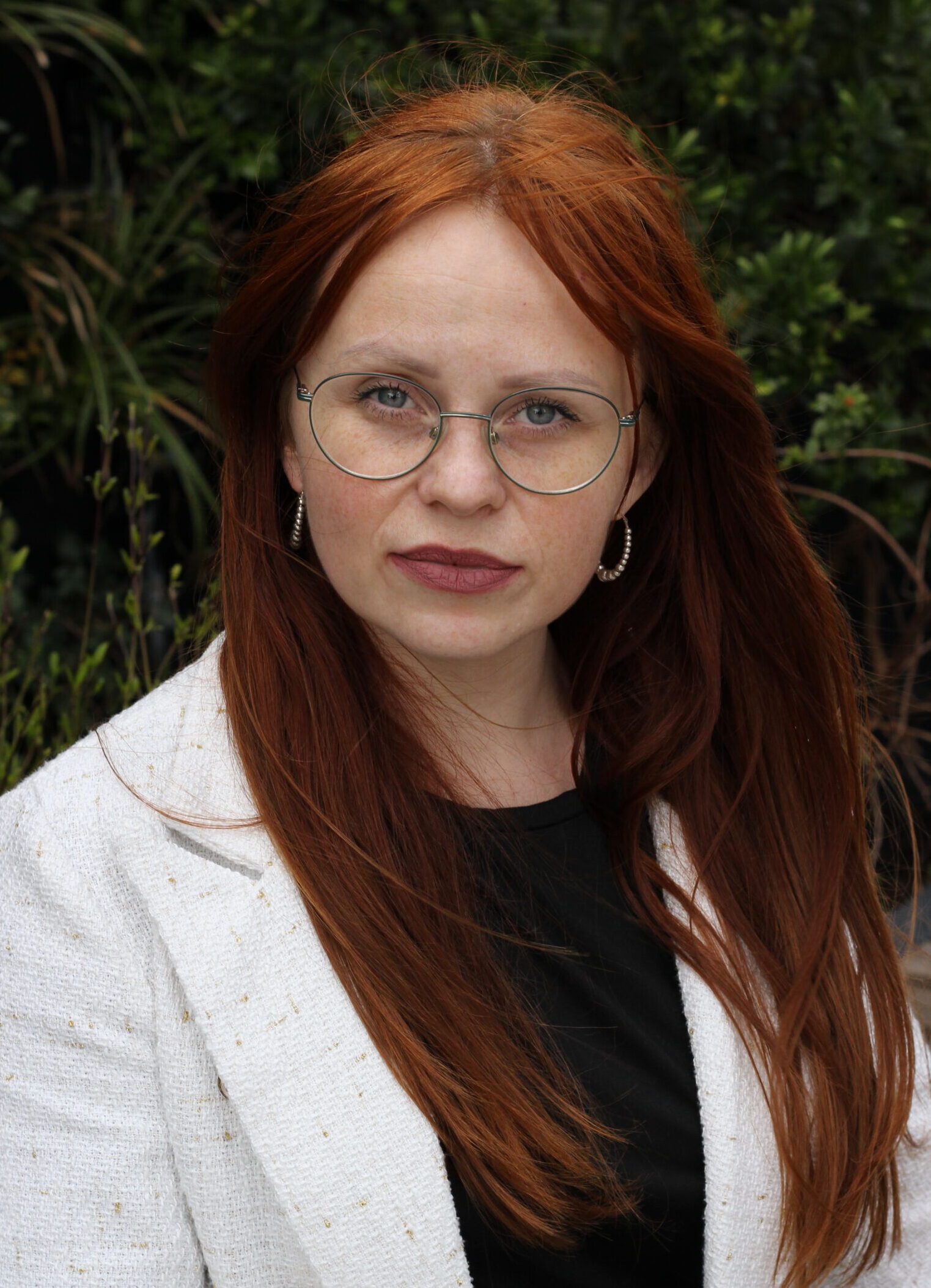
Alisa Bolokhovets — GEO Specialist
GEO for Patisseries

Alisa Bolokhovets

Founder, Geo Digital · 17+ years in Digital Marketing

I've spent 17+ years helping businesses get found online — across SEO, digital strategy and now AI search. With BAMS Digital, I've managed 7+ SEO teams, launched 60+ websites and driven significant growth for businesses across the UK and Europe.

I've spent seven years specialising in premium food and beverage visibility, working with bakeries, restaurants, and specialty food retailers across the UK. My experience spans artisan chocolate makers, farm-to-table cafés, and independent bakery chains – sectors where customer trust and speciality positioning directly influence discovery and revenue. I understand food industry economics intimately: the seasonal demand patterns, margin pressures, and unique challenges of competing against established brands while maintaining craft and authenticity. Patisseries specifically benefit from my background because I recognise that premium pastry customers require different visibility strategies than mass-market food operators.

For patisseries, I focus on three core GEO strategies: comprehensive citation building across culinary databases, food publication partnerships, and review aggregators that AI systems actively reference when answering patisserie queries. I specialise in structured ingredient and allergen data optimisation – critical for AI systems that need transparent, standardised information about products like macarons, éclairs, and specialty pastries. My content strategy emphasises authoritative guides around specialities: vegan pastries, gluten-free options, seasonal creations, and ingredient sourcing stories that ChatGPT and Gemini cite repeatedly. I track citation frequency, brand mention velocity across AI platforms, and build seasonal content calendars ensuring patisseries maintain visibility during high-demand periods. My clients typically see measurable AI citation growth within 8-10 weeks and sustained customer pipeline improvements within 6 months.

16 FAQ

Frequently Asked Questions — GEO for Patisseries

Patisseries · UK

How can my patisserie appear in ChatGPT recommendations when customers search for local bakeries?

ChatGPT cannot directly access real-time business data or crawl your website. It cites information from its training data – published sources like food blogs, publications, and established directories. To appear in ChatGPT recommendations, your patisserie must be mentioned in authoritative food publications, culinary blogs, review platforms, and food databases included in ChatGPT's training data. Build citations across 40+ food-related sources mentioning your patisserie by name with accurate descriptions. Publish authoritative content about your specialities on your website and food platforms. ChatGPT users then discover you through citations in responses to questions like "best artisan patisseries in Manchester." The key is ensuring multiple independent sources cite your patisserie consistently, which ChatGPT synthesises into recommendations.

What's the difference between traditional Google SEO and this GEO strategy for patisseries?

Traditional SEO optimises your website to rank in Google search results when users search for keywords like "patisserie near me" or "buy macarons London." GEO optimises your patisserie's visibility in AI-generated recommendations across ChatGPT, Gemini, Perplexity, and Claude. SEO requires ranking web pages; GEO requires being a trusted, citable authority that AI systems reference when answering food discovery questions. A patisserie ranking first in Google but never mentioned in ChatGPT has incomplete visibility. SEO drives direct website clicks; GEO drives qualified inquiries from customers who've already researched through AI. For patisseries, GEO often delivers higher-quality customer leads because AI-sourced customers arrive pre-qualified and specific about their needs.

How long does it take to see results from GEO strategy for my patisserie?

Citation visibility improvements appear within 6-10 weeks as you establish presence across food databases and publications. ChatGPT responses update only when training data refreshes (irregular schedule), so ChatGPT mentions might lag 8-16 weeks. Perplexity shows faster results – 4-8 weeks – because it uses fresher data sources. Gemini typically shows improvements within 10-12 weeks. Revenue impact emerges progressively: initial customer inquiries appear weeks 4-6, measurable volume increases weeks 8-12, revenue impact solidifies by month 6. For seasonal patisseries, timing matters: build visibility before seasonal demand peaks. Easter patisserie builders should begin GEO in January for strong March-April visibility. Results compound over time – patisseries with 12-month citation development outperform 3-month efforts dramatically.

Which AI platforms matter most for patisserie customer acquisition?

Perplexity and Google AI Overviews drive immediate customer inquiries because they emphasise local, real-time recommendations. ChatGPT drives fewer immediate inquiries but reaches massive user base (900M monthly UK queries). Gemini matters significantly because Google's AI appears in 60% of food search results. Prioritise in this order: (1) Google AI Overviews and local citations since Google controls search dominance, (2) Perplexity for affluent food-conscious customers with high purchase intent, (3) ChatGPT for brand authority building among large audience, (4) Gemini for sustained visibility. However, strategy should address all platforms simultaneously through comprehensive citations. A citation appearing in food databases reaches multiple AI systems, maximising efficiency. Don't choose platform; build universal citations reaching all platforms.

What specific content should my patisserie publish to improve AI visibility?

Publish content addressing customer intent: ingredient sourcing stories ("Why we use French butter in our croissants"), speciality guides ("Complete guide to vegan macaron baking"), seasonal announcements ("2025 Easter patisserie collection"), founder/chef stories ("My journey from Paris to London patisserie"), production process content ("How we make croissants: 36-hour lamination process"), and dietary accommodation guides ("Our gluten-free pastry development"). Each content piece should be published on your website and food publication partners simultaneously. This content informs AI training data, making your patisserie citable for specific queries. Avoid generic marketing; AI prioritises educational content demonstrating genuine expertise. A detailed blog post about vegan baking chemistry is citable; promotional "visit us today" content is not.

How do I manage allergen information and dietary certifications for AI visibility?

Implement standardised schema markup listing ingredients, allergens, and certifications for every product. Include prominent allergen statements, vegan/gluten-free/organic certifications, and production notes ("made in facility with tree nut traces"). Upload this data to your website, Google Business profile, and food databases. Regulatory compliance overlaps perfectly with GEO: UK allergen labelling laws require transparent information, which simultaneously makes your patisserie citable for dietary queries. AI systems cite detailed allergen information when answering allergy-related questions. A customer asking ChatGPT "Are these macarons vegan?" or Gemini "Which patisseries accommodate severe allergies?" relies on your structured allergen data. The more transparent and standardised your allergen information, the more citable you become.

What metrics should I track to measure my patisserie's GEO success?

Track four metrics: (1) Citation frequency – how many times monthly your patisserie appears across food publications and databases (target: 15+ monthly increase within 6 months), (2) AI share of voice – percentage of Perplexity and ChatGPT responses mentioning you versus competitors in your category (target: 5-12% within 6 months), (3) Customer inquiries sourced from AI platforms (track through asking new customers "how did you find us?"), (4) Revenue attributed to AI-sourced customers. Monitor these across platforms separately: Perplexity typically converts 3-5x higher than ChatGPT because users are actively searching. Set baseline measurements now before implementing GEO, then compare quarterly. Most patisseries double their AI-driven inquiries within 6 months of dedicated GEO strategy.

Should my small patisserie focus on local GEO or attempt national visibility?

Start with hyperlocal dominance, then expand. A patisserie should absolutely dominate AI recommendations within their immediate geographic area (e.g., "best patisseries in their neighborhood") before pursuing broader city-level or national visibility. Hyperlocal GEO requires fewer citations and faces less competition, making it achievable for small patisseries. Establish local authority with 20-30 local citations and food publication mentions. Then expand geographically if you offer delivery/shipping. For wedding cake specialists or those shipping nationwide, national visibility matters more. For walk-in focused patisseries, hyperlocal dominance with geographic modifiers ("patisseries in Clapham", "vegan croissants Shepherd's Bush") drives 80% of valuable inquiries. Local GEO success compounds: customers discovering you locally through AI become repeat buyers.

How do I identify which patisserie specialities to emphasise in GEO content?

Audit three areas: (1) What products do you actually excel at? Focus GEO on genuine strengths, not aspirational offerings. If your croissants are legendary but macarons are adequate, prioritise croissant authority. (2) What customer questions do you receive most? Analyse inquiries – if 40% ask about vegan options, dietary specialities warrant GEO focus. If 30% are wedding inquiries, position as wedding cake specialist. (3) What AI search volume exists for those specialities? Research ChatGPT and Perplexity for queries matching your capabilities. "Best vegan patisseries" might have 5x search volume of "heritage grain patisseries." Specialise where customer demand, your excellence, and AI search opportunity intersect. This three-way analysis prevents pursuing specialities that sound good but generate minimal customer volume.

What's the most effective way to build citations for a new or lesser-known patisserie?

Start with foundational citations: Google Business profile (non-negotiable), food databases (TripAdvisor, Yelp, local food guides), regional food publications and food blogs. Pitch feature stories to local journalists: "New patisserie opens in area using rare ingredients" generates citations. Partner with local suppliers: if you use Yorkshire honey, that supplier's website can mention you. Reach out to food bloggers for tastings: reviews in established food blogs carry AI citation weight. Submit to awards and certifications: organic certifications, quality recognitions, and food festival awards create citable credentials. Develop relationships with culinary magazines and food writers. Create newsworthy content: patisserie opening, new seasonal menu, sustainable practices, unique ingredients all warrant publication. For new patisseries, visible growth and story-building matters more than established reputation. AI systems favour emerging businesses receiving media attention.

How do I handle seasonal demand spikes in my GEO strategy timing?

Create seasonal content calendar starting 12 weeks before major demand periods. Easter requires content published by mid-January. Christmas content publishes by September. Valentine's in January. Wedding season menus in February. This advance publication ensures AI systems cite your seasonal offerings when customers search. Seasonal content should be specific: "2025 Easter patisserie collection with sustainably-sourced chocolate" not generic "Easter cakes available." Update databases and citations 8 weeks before peaks so information propagates through AI systems. Launch seasonal promotions and special products with simultaneous publication across multiple channels. Seasonal specialities deserve dedicated content and citation focus. A patisserie maximising Easter visibility might capture 25-30% of annual wedding and gift-box revenue in 6-week Easter season. Similar opportunity exists Christmas (November-December). Seasonal GEO strategy directly translates to revenue multiplication during demand peaks.

Can my patisserie compete with international brands in AI search despite smaller budget?

Absolutely. International brands benefit from existing citations but often lack hyperlocal authority, niche specialisation, and authentic local connection. Your patisserie competes in specialised segments (vegan patisserie, gluten-free speciality, sustainable ingredients, wedding cake design, heritage recipes) where international brands have minimal presence. A London-based vegan patisserie building consistent citations specifically for "vegan macarons London" and "sustainable patisserie UK" can dominate AI results in that niche despite international competitors' larger budgets. Geographic specificity is your advantage: "authentic French croissants Manchester" AI results favour actual Manchester patisseries over Paris-based brands. Build authority in narrow, specialised segments leveraging your genuine differences. International brands compete on scale; local patisseries compete on specificity and authenticity. GEO rewards specificity. Budget matters less than consistency, authenticity, and focused strategy.

What role does customer reviews play in patisserie GEO success?

Reviews inform AI citation decisions indirectly but powerfully. High review volume and ratings across TripAdvisor, Google, Yelp, and food-specific platforms signal quality to AI systems. When AI systems cite your patisserie, they often reference review information or aggregate ratings. Reviews also drive word-of-mouth citations in publications: "highly-rated patisserie" language appears in reviews, then food writers cite you partially based on review prominence. However, GEO isn't review-dependent like reputation management. A patisserie with 50 five-star reviews but zero food publication citations receives minimal AI visibility. Conversely, a patisserie with strong citations but moderate reviews still appears in AI recommendations. Pursue both: build citations and encourage genuine customer reviews simultaneously. Reviews matter more for customer conversion after AI discovery than for initial AI visibility, but review volume is one signal of business legitimacy AI systems consider.
Related Industries

Find out if AI
recommends your
Patisserie.

See exactly how AI sees your business — no commitment.