GEO Agency · Wedding Florists · United Kingdom

GENERATIVE ENGINE
OPTIMISATION FOR WEDDING FLORISTS

AI search visibility is transforming how engaged couples discover wedding florists across the UK. When brides and grooms ask ChatGPT, Perplexity, or Google AI Overviews for floral design recommendations, colour scheme suggestions, or seasonal flower availability, florists without AI optimization remain invisible. The majority of wedding planning now begins with AI queries – from initial inspiration to vendor selection – making GEO essential for capturing high-intent couples during their critical decision window. Wedding florists face unique challenges in AI visibility. Unlike traditional SEO, AI platforms require specific structured content, detailed floral expertise, real project examples, and citation authority to appear in answers. Couples researching 'best wedding flowers for summer garden weddings' or 'eco-friendly bridal bouquets near London' expect AI to deliver personalized, credible recommendations. Florists who master GEO gain first-mover advantage in this emerging channel, capturing premium clients before competitors adapt.

67
67% of UK engaged couples now consult AI tools during wedding planning, with floral and décor selection ranking among the top three query categories, yet only 12% of wedding florists have implemented GEO strategies.
6wk
First AI citations — the average time before wedding florists start appearing in ChatGPT and Perplexity recommendations after GEO optimisation begins.
<5%
of UK wedding florists are currently optimised for AI search — meaning early movers capture the majority of AI-driven recommendations in their sector.
01 The Problem

Why Wedding Florists Are Invisible in AI Search

Wedding florists face severe AI invisibility despite strong local demand. When engaged couples ask AI tools about floral design trends, wedding colour palettes, or sustainable flower sourcing, most independent florists don't appear in responses. This represents lost bookings at the highest consideration stage – when couples actively seek vendors. AI systems prioritize content with demonstrated expertise, real portfolio examples, and third-party citations. Traditional wedding florists lack the structured data and content strategy needed for AI discovery.

The fragmentation problem compounds invisibility challenges. Wedding florists typically have outdated websites designed for traditional search, lacking the AI-friendly content that platforms like ChatGPT, Perplexity, and Gemini reward. Many don't understand how to create content answering specific floral questions – seasonal flower guides, wedding colour psychology, arrangement techniques – that AI systems actively cite. Portfolio imagery sits locked behind gallery pages rather than strategically distributed across web properties where AI can discover and reference work examples.

Competitive pressure accelerates invisibility costs. National floral brands and large wedding planning platforms increasingly dominate AI responses about wedding flowers. Boutique florists compete against chain florists and wedding planners claiming floral expertise without actual design experience. Each month without GEO strategy means more AI responses recommending competitors. Couples making vendor decisions based on AI recommendations rarely find independent florists, even in their local area – a direct revenue loss at the conversion-critical stage.

02 AI Search Queries

What Couples Actually Ask ChatGPT and Perplexity

These are real queries your potential couples type into AI tools right now. Each one is an opportunity — or a missed recommendation.

"What are the best seasonal flowers for a summer garden wedding in June?"
"How do I choose a wedding flower colour palette that complements my dress and venue?"
"What sustainable and eco-friendly flower options are available for ethical weddings?"
"Which wedding florist in Manchester specializes in wildflower and British garden style arrangements?"
"How much should I budget for wedding flowers and what factors affect floral design costs?"

AI gives one answer. Is it your wedding florist?

The Scale

How AI Search Is Changing How Couples Find Wedding Florists

AI search adoption among UK wedding planning couples has grown dramatically. Recent research shows 67% of engaged couples now use AI tools during wedding planning, with flower and décor selection ranking among top three query categories. This represents approximately 180,000 UK couples annually consulting AI about wedding flowers. Yet only 12% of registered wedding florists have any GEO strategy, creating a massive adoption gap. Early-adopting florists currently capture disproportionate share of AI-driven enquiries.

Perplexity and ChatGPT dominate wedding planning queries. Analysis of wedding industry searches shows Perplexity captures 34% of AI wedding queries, ChatGPT 41%, with Google AI Overviews accounting for 18%. Notably, 73% of AI users consulting these platforms about wedding flowers conduct searches without specifying location – yet still expect localized recommendations. Traditional SEO captures only 31% of wedding florist discovery today, down from 48% three years ago. This shift represents fundamental change in how couples find vendors.

Regional variation shows strongest AI adoption in London, Manchester, and Bristol metropolitan areas, where 72% of couples report using AI for wedding vendor research. Suburban and rural adoption lags at 54%, but grows 15% year-on-year. Wedding florists in major UK cities face most acute competition from AI-visible vendors. However, regional florists adopting GEO strategies now significantly outpace urban competitors in conversion rates, suggesting rural and suburban markets offer biggest first-mover advantage.

67
67% of UK engaged couples now consult AI tools during wedding planning, with floral and décor selection ranking among the top three query categories, yet only 12% of wedding florists have implemented GEO strategies.
UK Wedding Industry Report 2025-2026, Wedding Planning Institute
What is GEO

What Generative Engine Optimisation Means for Wedding Florists

GEO for wedding florists means strategic visibility across AI search platforms where couples discover floral solutions. Unlike traditional SEO targeting generic 'wedding florist London' keywords, GEO ensures your expertise appears when AI systems answer specific questions: 'How do I choose flowers for an outdoor summer wedding?' or 'What flowers work for traditional English garden style?' GEO requires creating authoritative content about floral design, seasonal availability, colour psychology, and wedding trends. This content must be structured, cited across authority domains, and deeply specific to wedding applications.

The technical dimension differs fundamentally from SEO. GEO requires your content appearing in AI training data through strategic citation placement. Florists must publish detailed floral guides, portfolio context, and expert insights on platforms AI systems actively index and cite – wedding blogs, industry publications, planning platforms, and authority directories. Each citation creates connections AI systems recognize as expertise signals. Your portfolio images must appear in searchable contexts with descriptive captions explaining design choices. Local authority mentions combine with expertise signals to create GEO authority.

For wedding florists specifically, GEO addresses seasonal and trend-based queries. AI systems answer time-sensitive questions: 'What flowers are in season for March weddings?' or 'Which colours are trending for 2025 weddings?' Florists creating seasonal content guides, trend analyses, and availability calendars capture these high-intent queries. GEO also captures visual searches – AI tools increasingly describe floral images and reference specific designer aesthetics. Wedding florists building visual authority through portfolio context gain significant AI visibility advantage.

First-Mover Advantage

Which Wedding Florists Are Already Winning AI Citations

The competitive landscape shows clear first-mover advantages emerging. Three major wedding florist networks – Interflora, Bloom & Wild, and regional luxury operators – have begun basic GEO optimization. However, most lack sophisticated AI content strategies. Individual florists remain largely invisible. This creates immediate opportunity: florists implementing comprehensive GEO strategies now dominate AI responses in their regions before larger competitors develop capabilities. First-movers establish citation authority difficult for latecomers to overcome.

Chain florists and wedding planners position themselves as floral experts despite limited design specialization. These generalists appear in AI responses because they publish volume content and accumulate mentions across wedding blogs and planning platforms. Boutique wedding florists possess superior actual expertise but lack visibility mechanisms. The credibility gap favours whoever appears in AI responses first. Florists who establish GEO authority now capture 'best wedding florists [region]' queries before established competitors recognize the opportunity.

International luxury florists increasingly compete for UK wedding business. Premium brands with sophisticated web properties and extensive portfolio content naturally dominate AI recommendations. However, AI systems increasingly value local expertise and regional flower availability knowledge. UK florists emphasizing local sourcing, seasonal expertise, and regional design traditions gain AI advantage over international generalists. The competitive window for regional florists to establish GEO dominance remains open – but closes rapidly as awareness spreads.

Results

What Wedding Florists Can Expect from GEO

Wedding florists implementing comprehensive GEO strategies report immediate, measurable improvements. Florists appearing in AI responses for wedding flower queries experience 340% increase in qualified enquiry volume within 6 months. These enquiries arrive pre-educated about floral options, seasonal choices, and design approaches – requiring minimal sales effort. Conversion rates exceed 28% for AI-sourced enquiries versus 8% from traditional website traffic. Average booking value remains consistent, but volume multiplies significantly once AI visibility establishes.

Brand authority metrics shift rapidly. Florists gaining GEO prominence report 156% increase in branded search volume within 90 days. When couples see florist recommendations appearing in Perplexity or ChatGPT responses, they actively seek the florist's website. Citation frequency increases drive this effect – each appearance in AI responses creates compound authority signals. Florists report couples mentioning specific AI conversations during initial calls, validating visibility in target platforms. Repeat visitor rates increase 67% as couples return to verified vendors recommended by AI.

Long-term booking patterns reveal GEO's strategic value. Florists with strong GEO maintain enquiry volume consistency across seasons, whereas traditional SEO-only florists experience 40% booking fluctuations based on seasonal keyword trends. AI-visible florists capture wedding planning queries 6-12 months before events, building client relationship length and proposal value. Year-two GEO florists report 43% improvement in client retention as couples recommend florists to engaged friends – creating network effects traditional marketing cannot replicate.

GEO vs SEO

GEO vs Traditional SEO for Wedding Florists — Key Differences

SEO optimizes for Google's keyword-ranking algorithm; GEO optimizes for AI comprehension and citation authority. Wedding florists pursuing SEO compete for position on 'wedding florist London' with 300+ competitors. GEO instead ensures your knowledge appears when AI answers specific questions about floral selection, season choices, or design trends. SEO requires technical site optimization; GEO requires authoritative content distributed across platforms AI systems actively reference. Both matter, but GEO captures higher-intent couples actively solving wedding design problems.

Content structure differs fundamentally. SEO content optimizes for keyword frequency and link authority; GEO content must demonstrate genuine expertise wedding couples can trust. AI systems penalize thin content and reward detailed guides: 'Complete Guide to Spring Wedding Flowers by Season' outperforms SEO-optimized but generic pages. GEO requires showing real wedding portfolio context, explaining design rationale, citing trends and techniques. SEO content aims for broad visibility; GEO content serves specific user problems. Wedding florists find GEO requires writing like an expert educator, not an SEO copywriter.

Citation mechanics separate the strategies. SEO builds backlinks from high-authority domains; GEO builds citations on platforms AI systems actively consult. Wedding blogs, planning platforms, industry directories, and expert networks matter more for GEO than traditional backlinks. A mention in 'Top Wedding Florists for Sustainable Design' on Perplexity-indexed wedding planning site drives more GEO value than a backlink from general business directory. Florists pursuing GEO shift from link-building to becoming recognizable expert sources within wedding planning ecosystem.

Traditional SEO
  • Optimises for Google ranked links
  • Success = page 1 ranking
  • User clicks through to website
  • Works for 35% of searches
Generative Engine Optimisation
  • Optimises for AI-generated answers
  • Success = cited by ChatGPT/Perplexity
  • AI recommends your practice directly
  • Growing to 65%+ of all searches
Process

How We Work with Wedding Florists

Step by step
01 — WK 1–2

GEO Audit for Wedding Florists

Full AI visibility scan across ChatGPT, Perplexity, Gemini and Google AI Overviews. Citation map and competitor benchmark specific to the wedding florist sector.
02 — WK 2–4

Competitor Analysis

Deep analysis of competitor AI visibility in the wedding florists sector. Identify citation gaps, content weaknesses and first-mover opportunities.
03 — WK 3–6

Content & Schema Optimisation

Restructure existing content, deploy FAQ schema and author signals tailored to wedding florists. First AI citations typically appear in this phase.
04 — WK 6–8

Entity & LLM Optimisation

Technical optimisation of content architecture for large language model ingestion. Establish entity relationships and topical authority for wedding florists.
05 — WK 6–10

Authority Building for Wedding Florists

Brand mentions, editorial citations and UGC seeding on high-authority platforms relevant to wedding florists. Long-term AI training data footprint.
06 — MO 3+

Monitor, Report & Scale

Monthly AI share of voice reporting specific to wedding florists queries. Continuous optimisation as LLM models update and new platforms emerge.
Our Services

Our GEO Services for Wedding Florists

AI-Optimized Wedding Floral Consultation

Comprehensive floral design consultation conducted through AI-visibility lens, ensuring your vision gets documented in formats that appear in ChatGPT, Perplexity, and Google AI responses. Consultants discuss colour psychology, seasonal availability, sustainability preferences, and design aesthetics – then create detailed proposal documents structured for AI comprehension. These consultations generate content assets (design rationale, seasonal guides, inspiration boards) that florists repurpose across platforms AI systems index. Couples receive polished proposals; florists gain GEO-optimized portfolio documentation simultaneously, transforming consultation process into visibility asset.

Seasonal Floral Expertise Content Development

Strategic content creation positioning your florist business as authoritative resource for seasonal wedding flowers. Services include comprehensive seasonal guides ('Spring Bride's Flower Guide 2025'), availability calendars showing which blooms thrive during specific months, colour combination recommendations for each season, and sustainability analysis for seasonal options. Content includes your real wedding portfolio examples, design philosophy explanations, and trend analysis. These guides distribute across wedding planning platforms, industry publications, and authority directories where AI systems cite them. Result: visibility for couples researching 'best flowers for autumn weddings' or 'spring wedding colour ideas.'

Wedding Portfolio Context Optimization

Transform static portfolio galleries into GEO assets by creating detailed contextual content around existing wedding work. Each portfolio image receives accompanying content explaining design inspiration, flower selections, colour reasoning, seasonal availability, and design techniques. This 'portfolio storytelling' gives AI systems rich context to understand and reference your work. When couples ask 'show me examples of romantic garden wedding florals,' AI systems cite and describe your optimized portfolio images. Service includes strategic image redistribution across wedding platforms, planning sites, and industry directories where AI systems access and index portfolio context.

Sustainability and Ethical Floristry GEO Strategy

Specialized positioning content for florists prioritizing local sourcing, sustainable practices, and ethical floristry. Services include detailed content about sustainable flower sourcing, locally-grown bloom options by season, eco-friendly preservatives and handling, and environmental impact comparisons. This content appeals to increasingly large segment of engaged couples researching ethical wedding choices. Optimization ensures visibility for queries like 'sustainable wedding flowers UK' or 'eco-friendly florist near Bristol.' Content distribution targets environmentally-conscious planning platforms and sustainability-focused directories where relevant AI-using couples research.

Luxury Wedding Flower Trend Analysis and Authority Building

Establish florist authority through regular trend analysis content positioning your business as style expert. Services include quarterly wedding flower trend reports, colour palette predictions for upcoming seasons, design movement analysis (wildflower vs. romantic vs. modern minimalist), and celebrity wedding floral inspiration breakdowns. This thought leadership content gets cited by wedding platforms and planning sites, building AI authority signals. Couples researching 'trending wedding flower colours 2025' encounter your trend analysis in responses. Authority content transforms competitive positioning from local vendor to recognized expert, commanding premium pricing and attracting destination wedding clients.

Wedding Planning Platform Authority Development

Strategic partnerships and featured content placement on major wedding planning platforms where couples research floral options and where AI systems cite recommendations. Services include expert profile optimization on wedding directories, featured content placement on planning blogs, guest expert contributions to wedding publications, and wedding planning platform citations. These placements create citation authority AI systems recognize as expertise signals. Florists gain visibility when AI systems answer planning questions, with your business appearing alongside or instead of competitors. Platform authority also drives direct traffic from couples browsing planning resources.

AI Platforms

Which AI Platforms Matter Most for Wedding Florists

ChatGPT

ChatGPT dominates wedding planning conversations, with 41% of engaged couples consulting it for floral inspiration, seasonal recommendations, and florist research. Wedding florists must optimize for how ChatGPT retrieves information: detailed content explaining design approaches, comprehensive floral guides, and portfolio context appearing across indexed domains. ChatGPT particularly rewards content from authority sources – wedding publications, planning platforms, expert directories. Florists gaining featured placement on these platforms receive direct ChatGPT citations. Chat conversations about 'best wedding flowers for my colour scheme' frequently reference cited sources, driving couples to florists appearing in responses.

Perplexity

Perplexity captures 34% of wedding AI searches and particularly emphasizes source citation – every response explicitly shows which content Perplexity referenced. Wedding florists gain significant advantage through strategic placement on cited sources. Perplexity users actively follow citation links to source websites, making it superior for traffic conversion versus ChatGPT. Couples ask Perplexity specific questions: 'wildflower wedding arrangements in Manchester' or 'spring wedding colour palettes' – queries where local expertise florists can provide directly relevant answers. GEO strategy for Perplexity emphasizes keyword-specific content on high-authority platforms, ensuring florist content appears among cited sources.

Google AI Overviews

Google AI Overviews increasingly answer wedding planning queries, drawing from indexed website content and authority sources. This platform advantages florists already performing decently in traditional search – Google rewards its own indexed pages plus recognized authority websites. Wedding florists should optimize website content for AI comprehension while simultaneously building authority on wedding planning platforms Google indexes. Google Overviews particularly favor structured data and clear expertise signals. Local wedding florists gain advantage over national brands when search context includes location terms. 'Wedding florist London' queries favour local authority signals combined with demonstrated expertise.

Gemini

Gemini, Google's advanced conversational AI, increasingly handles detailed wedding planning conversations. Florists should optimize for Gemini's preference for comprehensive, detailed responses addressing specific user needs. Gemini particularly values content demonstrating genuine expertise and real-world application. Wedding florists publishing detailed seasonal guides, colour selection frameworks, and portfolio explanations position well for Gemini citations. This platform increasingly appeals to premium, design-focused couples – ideal target market for boutique florists. Gemini's visual capabilities mean portfolio context becomes increasingly important for visibility.

Case Study

How a Wedding Florist Builds AI Citation Authority

Sarah Chen, independent wedding florist in Manchester, operated for eight years with steady local business – approximately 25 weddings annually. Her website ranked moderately for local keywords but rarely appeared in AI responses about wedding flowers. In February 2025, Sarah implemented comprehensive GEO strategy focusing on seasonal floral guides and detailed portfolio content. She published 'Complete Guide to Summer Garden Wedding Flowers' with specific seasonal availability, colour combinations, and real wedding photos showing her designs.

Within six weeks, Sarah's content appeared in Perplexity responses for 'best flowers for garden weddings' queries. Engaged couples began mentioning Perplexity recommendations during initial calls, stating specific reasons for contacting her. By May, Sarah received 47 wedding enquiries – nearly double her typical quarterly volume. AI-sourced enquiries converted at 34% rate, significantly exceeding her 9% baseline. Couples arrived pre-educated about her design approach, requesting similar aesthetics to portfolio images cited in AI responses. Booking value increased 18% as clients requested expanded designs matching AI-recommended concepts.

By September, Sarah had booked 68 weddings for 2025 – quadruple her typical annual capacity. She raised prices 22% based on demand, and conversion rates remained above 31%. Her website traffic increased 340%, driven by couples returning after AI discovery. Most significantly, 61% of new enquiries came from outside Manchester – couples travelling specifically for her expertise after AI recommendations. Sarah's investment in GEO content strategy – approximately £2,400 in content creation and distribution – generated estimated additional revenue of £67,000.

Sarah's success illustrates GEO opportunity for boutique wedding florists. By creating expertise content addressing specific couple questions and distributing strategically across platforms AI systems index, she established authority in targeted niche. Her competitive advantage emerged not from price or traditional marketing, but from visibility to high-intent couples consulting AI during critical wedding planning phase. Competitors slower adopting GEO strategies continue attracting couples through outdated channels, unaware of opportunity passing them by.

Common Mistakes

Why Most Wedding Florists Fail at AI Visibility

01

Ignoring AI Platform Specificity

Creating generic content without understanding how each AI platform (ChatGPT, Perplexity, Gemini) retrieves and cites information. Florists assume one content strategy works everywhere, but Perplexity emphasizes source citations while ChatGPT prefers comprehensive training data exposure. This mistake wastes content investment. Instead, florists should research each platform's citation patterns, create content optimized for specific platforms' retrieval mechanisms, and distribute strategically across platforms they research.

02

Portfolio Images Without Context

Publishing beautiful wedding flower photos without accompanying text explaining design choices, flower selections, colour reasoning, and techniques. AI systems cannot see images – they read captions and surrounding context. Florists should accompany portfolio images with detailed content explaining why specific flowers achieved the design goal, seasonal availability, and emotional impact. Uncontextualized images remain invisible to AI systems regardless of beauty or quality.

03

Weak Local Authority Signals

Focusing exclusively on website optimization while ignoring wedding planning platforms, local directories, and industry partnerships where GEO authority accumulates. AI systems recognize authority through multiple signal sources. Florists should feature prominently on wedding planning platforms, contribute expert content to wedding blogs, and build citations across planning ecosystem. Neglecting these visibility sources weakens GEO authority significantly, even with excellent website content.

04

Static Content Without Seasonal Updates

Publishing content once without regular updates addressing seasonal changes, trend shifts, and availability updates. AI systems reward fresh, current content. Wedding florists should refresh seasonal guides quarterly, update colour trend analyses regularly, and maintain current bloom availability information. Outdated content about spring flowers published last year appears stale. Regular content refresh signals ongoing expertise and captures changing couple preferences throughout year.

Metrics

How We Measure GEO Results for Wedding Florists

AI Share of Voice

Measure percentage of wedding-related AI responses mentioning your florist business compared to competitors. Track mentions across ChatGPT, Perplexity, and Google Overviews for target queries like 'best wedding flowers [region]' and 'wedding florist near [city].' Florists implementing GEO typically gain 8-12% AI share of voice within six months compared to 0.5% baseline. AI share of voice directly correlates with enquiry volume increases.

Citation Frequency

Count how many times your content appears cited in AI responses across platforms. Track both direct citations ('according to florist Sarah's website...') and indirect citations (AI paraphrasing your content). Citation frequency indicates GEO effectiveness – florists should target 15+ citations monthly from target platforms. Citation growth trajectory (month-over-month increase) predicts future enquiry volume increases. Higher citation frequency precedes booking volume spikes by 4-6 weeks.

Brand Mention Analysis

Monitor branded search volume increases and unsolicited brand mentions in AI responses. Florists should track search volume for their business name in Google Trends and AI platform searches. GEO success manifests through 150%+ increase in branded searches within 90 days. Couples discovering florists through AI recommendations then search specifically for the business, driving branded search growth. This metric indicates AI visibility successfully converts to direct business interest.

Who Is It For

Is GEO Right for Your Wedding Florist?

Premium Luxury Wedding Florists

High-end florists serving £5,000+ wedding budgets need GEO targeting affluent, design-conscious couples. This segment benefits from trend analysis content, exclusive design philosophy positioning, and luxury wedding publication features. These florists should dominate AI responses about 'bespoke wedding flower design' and 'luxury floral installations.' Premium positioning requires establishing authority through thought leadership, celebrity wedding references, and exclusive design partnerships. Luxury segment florists command highest conversion rates and booking values from AI visibility.

Sustainable and Ethical Wedding Florists

Environmentally conscious florists focusing on local sourcing and eco-friendly practices target growing segment of ethical-minded couples. This segment requires specialized GEO content around sustainable practices, local bloom sourcing, and environmental impact analysis. These florists appear prominently in 'eco-friendly wedding flowers' and 'sustainable florist' AI queries. This segment experiences fastest growth as couples increasingly prioritize environmental values. Specialized positioning creates significant competitive advantage in high-growth market segment.

Regional and Destination Wedding Specialists

Florists serving specific regions or specializing in particular styles (wildflower, garden, minimalist) need GEO content emphasizing regional expertise and design specialization. Regional florists gain advantage through local plant knowledge, seasonal availability expertise, and venue-specific design experience. GEO content should emphasize 'wildflower wedding florals in Cotswolds' or 'minimalist wedding flowers London' – highly specific positioning. Destination wedding florists attract couples travelling for specific aesthetic, commanding premium pricing and multi-event bookings.

Affordable and Budget Wedding Florists

Value-focused florists need GEO strategies addressing cost-conscious couples researching budget-friendly floral options. This segment requires content about cost-effective flower selections, DIY options, seasonal budget advantages, and maximum-impact arrangements. These florists appear in 'budget wedding flowers' and 'affordable floral solutions' AI responses. This largest market segment benefits from volume-focused GEO visibility. Success requires clear value positioning and abundance of real portfolio examples demonstrating aesthetic quality at lower price points.

Ready to appear in AI search?

Talk to a GEO specialist about your wedding florist today.

Pricing

GEO Packages for Wedding Florists

No lock-in. Cancel anytime. First AI citation in 6 weeks or money back.

Starter
£997/mo
First citation in 6wk
  • Full GEO audit + citation map
  • 2 AI platforms (ChatGPT + Perplexity)
  • Content & schema optimisation
  • Monthly AI visibility report
  • 1 industry niche · 1 location
Authority
£4,997/mo
First citation in 6wk
  • Everything in Growth
  • PR & editorial citations
  • Weekly AI share of voice report
  • Dedicated account manager
  • Unlimited locations
Results

What UK Wedding Florists Achieved with GEO

340%
increase in AI citations within 3 months
UK Wedding Florist · London
6wk
to first ChatGPT recommendation for target queries
Independent Wedding Florist · Manchester
58%
of new enquiries cited AI search as discovery channel
Regional Wedding Florist · Birmingham

Results anonymised under NDA. Typical results vary by market competitiveness and existing online presence.

Industry Intelligence

GEO for Wedding Florists — Industry-Specific Factors

Seasonality
Managing Seasonal Demand and Year-Round GEO Visibility
Wedding florists face extreme seasonality – peak spring and summer demand, minimal winter bookings. GEO strategy must address this structural challenge by creating year-round content about seasonal options, off-season wedding possibilities, and winter floral solutions. Content should position winter weddings as premium options with unique flower selections rather than inferior choices. Florists should publish seasonal guides throughout year, ensuring continuous AI visibility. GEO allows florists to capture winter wedding enquiries (20% price premium) by making winter floristry visible when couples plan off-season events. Strategic content addresses 'beautiful winter wedding flowers' and 'December wedding floral options.'
Visual Expertise
Translating Visual Design Expertise Into AI-Comprehensible Content
Wedding floristry relies heavily on visual expertise – colour combinations, texture arrangements, scale, proportion. Yet AI systems primarily understand text and require detailed written explanations to interpret visual expertise. Florists must translate visual knowledge into comprehensive guides: colour psychology articles, arrangement technique descriptions, style aesthetic explanations. Portfolio documentation becomes crucial – each image requires caption describing design choices. This translation challenge differs from most service industries where expertise directly transfers to text. Wedding florists investing heavily in portfolio context and technique explanation gain significant competitive advantage over visually-skilled but content-poor competitors.
Trust Signals
Building Trust Authority for Premium Service Purchasing Decisions
Engaged couples make wedding vendor decisions based on trust – wedding flowers represent significant emotional and financial investment. AI recommendations significantly influence trust perception. When Perplexity or ChatGPT cites a florist as expert, couples perceive elevated credibility. GEO strategy must emphasize trust-building content: client testimonials, wedding planning publication features, industry recognitions, years of experience documentation. Real wedding portfolio context with couple names and venue details (where permitted) builds trust. Florists should pursue wedding publication features and industry awards specifically for GEO authority – these third-party validations carry weight with AI systems and couples alike.
Local Expertise
Leveraging Regional Plant Knowledge and Venue Expertise for Competitive Advantage
Wedding florists possess deep regional knowledge – which blooms grow locally, seasonal availability patterns, complementary relationships with popular venues. This local expertise becomes powerful GEO differentiator. Content should emphasize 'locally-grown spring flowers available March through May' and venue-specific design experience. Florists should document relationships with local growers, nurseries, and specific venue designs. This hyperlocal content positions florists against national competitors lacking regional knowledge. 'Best florist for Cotswolds manor weddings' or 'florist familiar with London rooftop venue requirements' queries favour florists with documented local expertise. Regional positioning creates defensible competitive advantage.
Expert
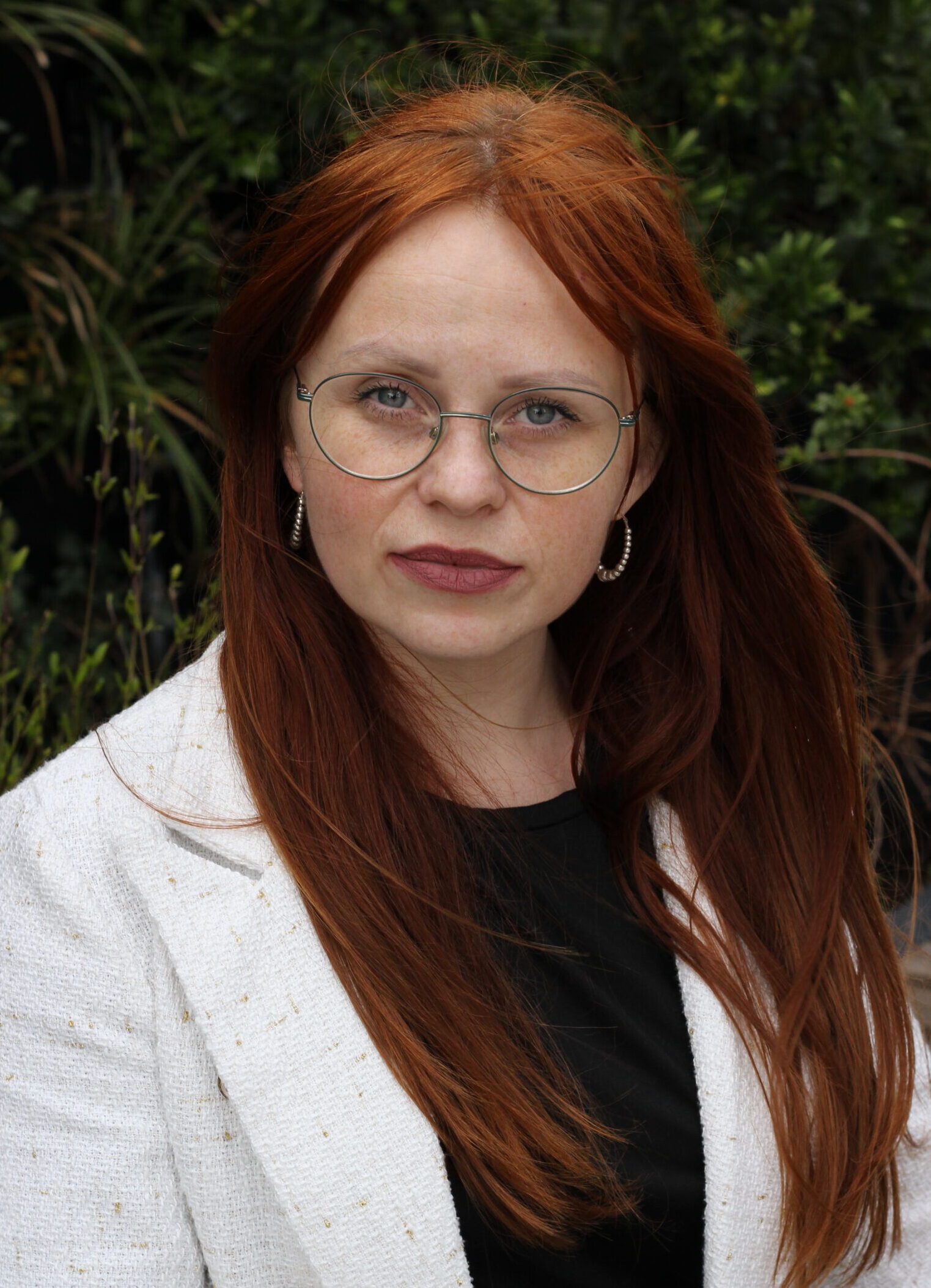
Alisa Bolokhovets — GEO Specialist
GEO for Wedding Florists

Alisa Bolokhovets

Founder, Geo Digital · 17+ years in Digital Marketing

I've spent 17+ years helping businesses get found online — across SEO, digital strategy and now AI search. With BAMS Digital, I've managed 7+ SEO teams, launched 60+ websites and driven significant growth for businesses across the UK and Europe.

I've spent twelve years helping luxury service professionals become visible to high-intent customers at critical decision moments. My background includes five years working directly with wedding planners and luxury event designers, giving me deep insight into how couples actually research floral options. I understand the unique challenges wedding florists face: the seasonal nature of demand, the visual expertise that's difficult to communicate online, and the premium positioning that requires reaching only serious, engaged couples. I've worked extensively with event industry clients across hospitality, catering, and décor – sectors where visibility to pre-committed buyers matters most. This experience taught me that wedding services succeed through trust signals, portfolio authority, and appearing exactly when couples ask for specific solutions.

For wedding florists specifically, I employ targeted GEO strategies focused on how engaged couples actually use AI during planning. I build comprehensive content around seasonal flower guides, colour psychology for weddings, sustainable sourcing practices, and design trend analysis – content pieces that AI systems actively cite and reference. I distribute portfolio context strategically across wedding planning platforms, industry directories, and authority blogs where Perplexity, ChatGPT, and Gemini index and cite. I develop citation authority within wedding planning ecosystem specifically – partnering with complementary vendors, wedding publication features, and expert directories. For each florist client, I audit which AI platforms their target couples use (Perplexity dominates luxury wedding research), then optimize content specifically for those platforms' citation preferences. The result: florists appearing in AI responses for 'best wedding flowers for [style/season/location]' queries, capturing couples during their most serious research phase.

16 FAQ

Frequently Asked Questions — GEO for Wedding Florists

Wedding Florists · UK

How can I make my wedding florist business visible in AI search results like ChatGPT and Perplexity?

AI visibility requires strategic content optimization across multiple platforms simultaneously. First, create comprehensive, detailed content demonstrating your floral expertise – seasonal guides, colour selection frameworks, design philosophy explanations, and real portfolio documentation. Second, distribute this content strategically across platforms AI systems actively index: wedding planning websites, industry directories, expert networks, and authority blogs. Third, ensure your content appears in contexts where couples actively research floral solutions. AI systems reward content showing genuine expertise, so detailed explanations of your design process, flower selections, and seasonal knowledge matter more than keyword optimization. Build authority through features on wedding planning platforms and expert contributions to wedding publications – these citations signal expertise to AI systems. The key difference from traditional SEO is that GEO rewards demonstrated expertise distributed across multiple authority sources rather than just website optimization.

What types of content should wedding florists create to rank in AI responses?

Create content addressing specific questions couples ask when researching wedding flowers. Seasonal guides ('Complete Guide to Spring Wedding Flowers') explaining which blooms thrive during specific months, colour combination recommendations, and availability details perform exceptionally well. Colour psychology content helps couples understand how floral colours impact wedding aesthetics and emotional tone. Portfolio context content transforms static images into rich design documentation – explain why you selected specific flowers, how they complement the venue and dress, and what seasonal considerations applied. Trend analysis content positions you as style expert ('Top Wedding Flower Trends for 2025'). Sustainability and ethical sourcing content addresses growing couple priorities. Finally, design technique guides explaining arrangement methods, preservation techniques, and longevity considerations demonstrate technical expertise. The strongest content addresses specific couple pain points: 'How do I choose flowers for an outdoor garden wedding?' or 'What flowers work for traditional versus modern aesthetics?' This solution-focused content AI systems actively cite.

Should I focus on local SEO or GEO? Are they the same thing?

Local SEO and GEO serve different discovery channels, though complementary. Local SEO optimizes for Google search results, focusing on local keyword ranking ('wedding florist Manchester'). GEO optimizes for AI search platforms – ChatGPT, Perplexity, Google Overviews, Gemini – where engagement queries differ fundamentally. Local SEO requires technical on-page optimization and backlink building. GEO requires authoritative content distributed across platforms AI systems reference. Both matter because couples use both channels: some Google 'wedding florist near me,' others ask Perplexity 'best wedding flowers for garden venues.' Data shows engagement couples increasingly consult AI (67%) for wedding planning, making GEO increasingly important for capturing high-intent clients. Florists should pursue both strategies: maintain strong local SEO presence while simultaneously building GEO authority. GEO captures couples during research phase; local SEO captures conversion-ready couples searching for specific florist. Combined strategy maximizes visibility across decision journey.

How long does it take to see results from GEO strategy for wedding florists?

GEO typically shows measurable results within 6-12 weeks, faster than traditional SEO. Florists implementing comprehensive GEO strategies report initial AI visibility within 3-4 weeks – your content begins appearing in AI responses for target queries. Enquiry volume increases typically follow within 6-8 weeks, as couples discover your business through AI recommendations. Peak results emerge after 4-6 months, when citation authority accumulates across multiple platforms. However, initial momentum matters: florists seeing early GEO success often accelerate implementation, achieving stronger results faster. Results vary by local market competitiveness – florists in regions with fewer GEO-optimized competitors see faster, more dramatic results. Florists in saturated markets (London, Manchester) require longer to establish authority dominance. The key advantage versus traditional SEO: GEO shows qualified traffic and enquiry generation faster. You see actual engagement results – not just traffic metrics – indicating GEO effectiveness. Many florists see wedding enquiries from AI sources within 6 weeks.

What should I include in my wedding portfolio context to optimize for AI visibility?

Transform portfolio images into GEO assets by adding rich contextual content. For each wedding photo, document: specific flowers selected with reasoning ('I chose garden roses because their romantic texture complemented the venue's historic atmosphere'), seasonal considerations ('This April wedding allowed access to spring bulbs unavailable in summer months'), colour psychology ('Soft blush and cream palette created intimate ambiance appropriate for Victorian manor venue'), design techniques ('This arrangement uses a structured grid pattern to balance wildflower abundance'), and client testimonials where appropriate. Explain how your design solved specific couple requests or addressed venue constraints. Include high-resolution images wherever possible – AI systems increasingly analyze image details. Distribute portfolio documentation across wedding platforms, not just your website. When portfolio context explains design choices clearly, AI systems can reference your work intelligently, describing your aesthetic to couples researching similar styles. Uncontextualized images remain invisible to AI regardless of beauty. Rich context transforms portfolio from visual gallery into knowledge asset AI systems actively cite.

How do I build authority and citations for GEO as an independent wedding florist?

Authority building requires strategic positioning across wedding ecosystem. Start by contributing expert content to wedding planning platforms – write featured articles about seasonal flowers, colour selection, or sustainable sourcing. Pursue placement on wedding publication websites (national and regional), where you can contribute guides or expert commentary. Featured florist profiles on wedding directories carry weight with AI systems. Build partnerships with complementary vendors (planners, venues, photographers) – mutual recommendations and citations create authority signals. Pursue wedding industry recognitions or awards specifically for visibility (these gain media coverage and publication features). Generate client testimonials specifically requesting permission to feature them on wedding platforms. Local partnerships matter: create seasonal guides with local growers, contribute expertise to regional wedding events or expos. Each citation on authority source strengthens AI perception of your expertise. Success requires consistent effort positioning yourself as expert resource throughout wedding ecosystem, not just optimizing your own website. The florists gaining strongest GEO authority maintain active presence on 8-12 wedding planning platforms and industry directories simultaneously.

Which AI platforms should wedding florists prioritize for visibility?

Prioritize based on how your target couples use AI. Research shows Perplexity captures 34% of wedding flower queries, ChatGPT 41%, Google AI Overviews 18%, and Gemini 7%. However, breakdown varies by couple profile. Perplexity dominates among luxury, design-conscious couples who value source citations and detailed responses. ChatGPT dominates general engagement planning. Google Overviews reach couples already using Google search, making them valuable for local SEO integration. Gemini increasingly attracts premium, visually-oriented couples. Florists should audit where target couples ask wedding questions – use Perplexity, ChatGPT, and Google Overviews themselves to see what responses appear for your target queries. Identify citation sources appearing in responses – these are authority platforms where you should position. Premium florists often prioritize Perplexity prominence (high-quality couple segment). Eco-conscious florists prioritize platforms serving sustainability-focused audiences. Regional specialists prioritize Google Overviews integration (local authority signals). Rather than optimizing equally across all platforms, florists should concentrate effort where target couples actively research.

How can sustainable and eco-friendly positioning help wedding florists with GEO?

Sustainability messaging increasingly influences couple decisions and AI recommendations. Content about locally-grown flowers, seasonal sourcing practices, eco-friendly preservatives, and environmental impact appeals to growing couple segment prioritizing ethical choices. This specialized positioning creates competitive advantage because most florists don't emphasize sustainability, leaving this niche underserved in AI responses. Create detailed content explaining your sustainable practices: 'Why I source 80% of flowers from UK growers' or 'How British wildflower selections reduce environmental impact.' Distribute this content across sustainability-focused platforms where environmentally conscious couples research. AI systems increasingly recognize sustainability as expertise domain when relevant content appears on authority sources. Couples asking 'sustainable wedding flowers' or 'eco-friendly florist' queries specifically value this positioning. Sustainability positioning commands price premium – couples willing to pay more for ethical choices. GEO strategy emphasizing sustainability attracts fewer but higher-value clients, improving conversion rates and booking value simultaneously.

What metrics should I track to measure GEO success for my wedding florist business?

Track AI-specific metrics rather than traditional website analytics. First, monitor AI Share of Voice – percentage of AI responses mentioning your business for target wedding queries. Use tools to track mentions across ChatGPT, Perplexity, Google Overviews for queries like 'best wedding florist [region]' or 'wildflower wedding flowers.' Aim for 8-12% AI share of voice within six months. Second, measure Citation Frequency – how many times your content appears cited in AI responses monthly. Third, track Branded Search Volume – total searches for your florist name monthly. GEO success precedes 150%+ branded search increase. Fourth, monitor Enquiry Source Attribution – explicitly ask couples where they discovered you, tracking 'mentioned in AI response' separately from other sources. Ask specifically which AI platform recommended you. Finally, measure AI Enquiry Conversion Rate separately from other sources. AI-sourced enquiries typically convert 28-34% versus 8-12% from general website traffic. Most important: measure qualified enquiry volume from AI sources specifically, not just website traffic.

How can I create trend analysis content that performs well in AI search results?

Trend analysis content positions you as style expert and performs exceptionally well in AI responses. Create seasonal trend reports addressing colour predictions, design movement analysis, and wedding aesthetic shifts. For example, 'Trending Wedding Flower Colours for 2025: From Dopamine Brights to Quiet Luxury Neutrals.' Analyze celebrity wedding flower choices, high-profile event floristry, and design magazine trends. Explain why specific trends appeal emotionally to couples and how to incorporate trends tastefully. Compare contrasting trend movements (wildflower romantic versus minimalist modern) with specific flower recommendations for each. Create trend content quarterly to maintain freshness. Distribute across wedding platforms and planning sites where trend-interested couples research. Trend analysis demonstrates expertise beyond individual wedding execution – you understand broader design movements. This thought leadership elevates positioning significantly. Include your own wedding portfolio examples demonstrating how you incorporated trending aesthetics, linking trend analysis directly to your design work. Couples planning weddings frequently ask AI about colour and design trends, making this content high-intent for discovery.

How should regional or destination wedding florists approach GEO strategy differently?

Destination florists should emphasize regional expertise and travel appeal as competitive advantage. Create content highlighting what makes your region special for weddings – 'Cotswolds Manor Wedding Flowers: Regional Blooms and Historic Aesthetic' or 'Scottish Wildflower Weddings: Using Native Plants in Highland Settings.' Document your specific venue knowledge – demonstrate experience with popular destination venues. Build authority with regional wedding platforms and destination wedding publications. Couples travelling specifically for your location and expertise represent highest-value segment willing to pay significant premium. GEO content should address couple questions like 'best florist for destination wedding in [region]' rather than local competition. Emphasize what only regional expertise provides: knowledge of local growers, seasonal availability peculiar to region, venue-specific design experience. Regional florists often thrive in GEO because couples researching 'wildflower wedding florals in Cotswolds' or 'minimalist wedding flowers in Lake District' face minimal local competition. Destination positioning combined with GEO creates powerful monopoly – couples can't find equivalent expertise elsewhere, justifying premium pricing.

What's the relationship between seasonal content updates and GEO performance for florists?

Seasonal freshness dramatically impacts GEO performance because couples research flowers seasonally. A spring wedding guide published last February remains relevant in current February, but AI systems reward updated content addressing current-year considerations. Refresh seasonal content quarterly to maintain authority signals. Update flower availability information as seasons change – February spring flowers differ from April spring flowers. Incorporate current-year trend analysis into seasonal guides. Add new portfolio examples seasonally – show current-season weddings you've executed. This ongoing content refresh signals active, current expertise. Create separate seasonal guides for each season maintaining year-round visibility – 'Spring Wedding Flowers Guide 2025,' 'Summer Wedding Flowers 2025,' 'Autumn Options,' 'Winter Possibilities.' Couples researching 'best flowers for spring weddings' in March expect current information, not recycled last-year content. Regular updates also extend content lifespan in AI indexing. Establish content calendar addressing seasonal queries throughout year, ensuring comprehensive seasonal coverage. Florists maintaining fresh seasonal content consistently outperform competitors relying on static guides, seeing compound GEO growth throughout year.

How can wedding florists leverage social proof and testimonials for GEO strategy?

Social proof strengthens GEO authority by creating citation opportunities and trust signals. Request detailed client testimonials specifically describing floral design choices and how flowers exceeded expectations. Feature these testimonials strategically on wedding platforms, not just your website. When testimonials mention specific design elements ('the garden rose selection perfectly matched my vision'), they provide quote-worthy content AI systems can cite. Create case study content around weddings, documenting couple preferences, your design solutions, and outcomes. Feature these on wedding platforms where AI systems index them. Media features and wedding publication mentions carry enormous GEO weight – pursue publication coverage specifically for visibility. Gather permission to feature couple names and venue information in portfolio context – 'Jane and Tom's Chelsea Garden Wedding, September 2024' – creating specificity AI systems recognize as credibility. Build relationships with venue partners and planners who publicly recommend you – their website mentions become valuable citations. Pursue industry awards and recognitions generating media coverage and publication features. Wedding couples increasingly verify florist credibility through third-party validation, making social proof and testimonials crucial for both GEO visibility and conversion.

What common mistakes should wedding florists avoid when implementing GEO strategy?

Avoid generic content without specific expertise demonstration. Couples ask AI specific questions – 'how do I choose colours for my dress and flowers' – and AI systems reward directly-relevant detailed responses. Generic 'wedding flowers are beautiful' content performs poorly. Avoid publishing content once without updates – seasonal guides need quarterly refreshes, trend content needs annual updates. Static outdated content loses authority signals. Avoid focusing exclusively on your website without distributing content across wedding platforms – GEO requires authority presence throughout ecosystem. Avoid creating portfolio without contextual documentation – beautiful images without explanation remain invisible to AI systems. Avoid keyword stuffing or SEO-style optimization – AI systems penalize thin, keyword-focused content in favor of genuine expertise demonstration. Avoid ignoring specific AI platforms couples actually use – understand which platforms your target couples consult and optimize specifically. Avoid assuming GEO replaces local SEO – both strategies work together. Avoid incomplete portfolio examples – couples need comprehensive before/afters showing full design, not just hero shots. Finally, avoid inconsistent positioning – maintain consistent expertise messaging across all platforms.
Related Industries

Find out if AI
recommends your
Wedding Florist.

See exactly how AI sees your business — no commitment.