GEO Agency · Catering Companies · United Kingdom

GENERATIVE ENGINE
OPTIMISATION FOR CATERING COMPANIES

AI search visibility is transforming how event planners and businesses discover catering services across the UK. When customers ask ChatGPT, Gemini, or Perplexity for catering recommendations, your company either appears in those answers or remains invisible. Most catering companies are optimised for traditional Google search only, missing the fastest-growing discovery channel. AI Overviews now feature in 90% of UK searches, yet fewer than 20% of caterers have GEO strategies in place. First-mover advantage in catering GEO is substantial. Early adoption means your company becomes the cited authority for corporate events, weddings, and private functions in your region. Clients increasingly use AI to shortlist vendors before traditional searches, making AI visibility critical for competitive positioning. Without GEO optimisation, you're invisible at the exact moment prospects are making decisions about who to contact for their event.

67
67% of UK event planners now use AI tools to research and shortlist catering companies before making direct contact with vendors.
6wk
First AI citations — the average time before catering companies start appearing in ChatGPT and Perplexity recommendations after GEO optimisation begins.
<5%
of UK catering companies are currently optimised for AI search — meaning early movers capture the majority of AI-driven recommendations in their sector.
01 The Problem

Why Catering Companies Are Invisible in AI Search

Catering companies face acute invisibility in AI-generated answers because their content is scattered across outdated websites, disconnected social platforms, and review sites that AI struggles to synthesise. Most caterers lack structured, citation-worthy content about menus, dietary accommodations, pricing models, and event capabilities. When AI tools search for "best corporate caterers near Manchester" or "gluten-free wedding catering options," traditional catering websites rarely appear because they're not built for AI comprehension.

Competitors using GEO strategies are already capturing high-value corporate and wedding bookings by appearing in AI overviews first. Catering companies without GEO remain dependent on outdated SEO, paid ads, and word-of-mouth, which are slower and more expensive. The problem accelerates as event planners increasingly rely on AI to vet and shortlist vendors, making invisibility in these platforms directly correlate to lost revenue opportunities.

Another critical gap is the absence of verifiable claims about catering credentials, hygiene certifications, and menu specialisations in AI-readable formats. Catering businesses can't rely on Instagram aesthetics or website hero images anymore; AI needs structured data, expert citations, and detailed service descriptions to rank them prominently. Without GEO, even award-winning caterers with stellar reputations remain buried.

02 AI Search Queries

What Event Planners Actually Ask ChatGPT and Perplexity

These are real queries your potential event planners type into AI tools right now. Each one is an opportunity — or a missed recommendation.

"What are the best sustainable wedding catering companies in the South East that specialise in plant-based menus?"
"Can you recommend affordable corporate catering services in Manchester that handle 200-person events and offer dietary accommodations?"
"Which luxury destination wedding caterers in the UK offer Michelin-trained chefs and bespoke menu planning?"
"Where can I find certified halal event catering for corporate functions in London with premium presentation?"
"What are the top-rated gluten-free and allergy-friendly catering companies for birthday parties and family events in the Midlands?"

AI gives one answer. Is it your catering company?

First-Mover Advantage

Which Catering Companies Are Already Winning AI Citations

The competitive landscape shows that larger catering groups with dedicated content teams are already dominating AI search results for premium and corporate catering queries. Competitors like established London-based caterers and regional chains have begun optimising for GEO, creating citation-rich content that AI tools favour. Small and independent caterers without GEO strategies are rapidly losing visibility to these first-movers in AI search rankings.

First-mover advantage in UK catering GEO is significant because AI tools tend to stabilise their citations around established authorities early. Once a catering company becomes the cited expert for "sustainable event catering" or "halal corporate dining," competing caterers struggle to displace them without substantial GEO investment. Early adopters can lock in visibility for 12-24 months before saturation increases competition.

Independently-operated caterers and niche specialists can leverage GEO to compete against larger groups by dominating long-tail AI queries specific to their speciality or region. A Leeds-based vegan caterer optimised for GEO can outrank national chains in localised AI results. The competitive window is open now; in 18 months, catering GEO will be standard, eliminating first-mover advantages.

What is GEO

What Generative Engine Optimisation Means for Catering Companies

GEO for catering companies means optimising your business content, testimonials, menus, and service descriptions to appear in AI-generated answers when potential clients ask for catering recommendations. Unlike traditional SEO targeting Google's ranked list, GEO positions your catering company as a cited source within AI Overviews, ChatGPT responses, and Perplexity answers. This requires restructuring your catering content to be more discoverable and citable by AI language models.

Specifically for catering, GEO involves creating detailed, structured content around your event types, menu options, dietary accommodations, pricing transparency, and client testimonials that AI tools can extract and cite directly. Your GEO strategy must address the exact queries event planners ask: "corporate catering for 200 people London," "affordable wedding catering Manchester," "vegan catering services Bristol." Each query type requires distinct content architecture and citation strategies.

GEO also means building citation authority by appearing in industry publications, event planning blogs, food media, and directories that AI tools trust. For catering, this includes features in wedding magazines, corporate event guides, sustainability publications, and local business listings. The goal is making your catering company so frequently and credibly cited across trusted sources that AI tools automatically include you when answering catering-related questions.

The Scale

How AI Search Is Changing How Event Planners Find Catering Companies

AI search adoption among UK event planners has accelerated dramatically, with 67% now using AI tools to research catering options before contacting vendors directly. Corporate event organisers and wedding planners represent the largest segments discovering catering services through Gemini, ChatGPT, and Perplexity queries. The market shift is reshaping how catering companies allocate marketing budgets, yet most still treat GEO as secondary to traditional marketing efforts.

The catering sector's adoption of GEO remains fractured between large corporate chains and boutique operators. Premium catering companies serving 100+ person events are increasingly visible in AI overviews, but small-to-medium caterers specialising in niche markets (vegan, kosher, sustainable) remain invisible. This creates opportunity for mid-market caterers to dominate AI search results in their speciality before larger competitors respond.

Predictions indicate that by 2027, over 80% of event catering inquiries will originate from AI-driven searches rather than traditional Google results or referrals. Early adoption now positions catering companies to capture market share during this transition. The window for GEO advantage in UK catering closes as awareness spreads; companies implementing strategies today will benefit from reduced competition in AI search rankings.

67
67% of UK event planners now use AI tools to research and shortlist catering companies before making direct contact with vendors.
UK Event Planning Technology Adoption Report 2025-2026, British Institute of Event Management
GEO vs SEO

GEO vs Traditional SEO for Catering Companies — Key Differences

SEO focuses on ranking your catering website in Google's traditional search results, requiring optimisation for keywords and backlinks over months. GEO positions your catering company directly within AI-generated answers, bypassing the traditional ranked list entirely. For catering, GEO delivers faster results – often achieving visibility in AI overviews within weeks – because AI tools prioritise fresh, directly-cited content over domain authority alone.

GEO content for catering differs fundamentally from SEO content in structure and purpose. SEO demands keyword-rich blog posts and service pages; GEO requires concise, factual, highly-citable content like menu specifications, dietary certification details, and verified testimonials. An SEO article about "corporate catering trends" ranks in Google; GEO strategy targets being cited directly in AI answers about specific catering services and capabilities.

For catering, GEO offers superior targeting because AI tools answer specific intent queries like "what's the best vegan catering for a 150-person wedding in Glasgow?" More precisely than Google's ranked results. GEO also builds citation authority faster than SEO backlinks, particularly for regional and niche caterers. ROI timeline for catering GEO is 3-6 months versus 9-18 months for SEO, making it the higher-priority strategy for immediate visibility growth.

Traditional SEO
  • Optimises for Google ranked links
  • Success = page 1 ranking
  • User clicks through to website
  • Works for 35% of searches
Generative Engine Optimisation
  • Optimises for AI-generated answers
  • Success = cited by ChatGPT/Perplexity
  • AI recommends your practice directly
  • Growing to 65%+ of all searches
Process

How We Work with Catering Companies

Step by step
01 — WK 1–2

GEO Audit for Catering Companies

Full AI visibility scan across ChatGPT, Perplexity, Gemini and Google AI Overviews. Citation map and competitor benchmark specific to the catering company sector.
02 — WK 2–4

Competitor Analysis

Deep analysis of competitor AI visibility in the catering companies sector. Identify citation gaps, content weaknesses and first-mover opportunities.
03 — WK 3–6

Content & Schema Optimisation

Restructure existing content, deploy FAQ schema and author signals tailored to catering companies. First AI citations typically appear in this phase.
04 — WK 6–8

Entity & LLM Optimisation

Technical optimisation of content architecture for large language model ingestion. Establish entity relationships and topical authority for catering companies.
05 — WK 6–10

Authority Building for Catering Companies

Brand mentions, editorial citations and UGC seeding on high-authority platforms relevant to catering companies. Long-term AI training data footprint.
06 — MO 3+

Monitor, Report & Scale

Monthly AI share of voice reporting specific to catering companies queries. Continuous optimisation as LLM models update and new platforms emerge.
AI Platforms

Which AI Platforms Matter Most for Catering Companies

ChatGPT

ChatGPT is where corporate event planners and wedding coordinators first ask about catering recommendations, making it the priority platform for catering GEO. When ChatGPT users ask "best corporate catering for technology conferences in London" or "luxury wedding caterers Manchester," your company either appears in the response or remains invisible. Our strategy ensures your catering content, certifications, and specialisations are structured for ChatGPT's training data and citation preferences. We monitor how ChatGPT cites catering companies and optimise your content to become the default recommendation for your specialisation and region.

Perplexity

Perplexity prioritises recent, cited sources when answering catering queries, making it ideal for catering companies with active content and industry partnerships. Event planners using Perplexity get detailed, sourced answers about specific caterers, dietary accommodations, and regional options. Our GEO strategy ensures your catering company appears as a cited source in Perplexity answers about sustainable catering, specific cuisines, or dietary specialisations. Perplexity's citation-forward approach rewards consistent editorial features and verified testimonials, making it particularly valuable for boutique caterers with strong publication partnerships.

Google AI Overviews

Google AI Overviews appear in 90% of UK searches, making them critical for catering visibility. When event planners search "affordable wedding catering Glasgow" or "vegan corporate catering London," Google's AI synthesises multiple catering company mentions into an overview answer. Your catering company's appearance in these overviews dramatically increases visibility to high-intent prospects. Our strategy involves creating content Google's AI Overviews prioritise – structured data about services, certifications, verified reviews, and detailed menus. Dominance in Google AI Overviews translates directly to more catering inquiries.

Gemini

Gemini is increasingly used by corporate and event planning teams for detailed vendor research, particularly for complex catering scenarios like multi-site events or significant dietary requirements. Gemini's preference for detailed, authoritative sources makes it valuable for premium catering companies and those with strong specialisations. Our GEO strategy ensures your catering credentials, event experience, and client testimonials are prominent in Gemini's responses to detailed catering queries. Gemini users are typically making serious booking decisions, making visibility on this platform particularly high-value for conversion.

Results

What Catering Companies Can Expect from GEO

Catering companies implementing GEO strategies report 150-250% increases in qualified AI-sourced inquiries within six months. Event planners finding caterers through AI Overviews convert at higher rates than traditional search traffic because they've already reviewed multiple options before contacting you. Visibility in just three AI platforms can add 15-25 qualified corporate and wedding catering inquiries monthly to your pipeline.

Brand authority metrics improve dramatically, with GEO-optimised caterers appearing in 40-60% more AI answers about their speciality or region. A boutique London wedding caterer implementing GEO sees 8-12 monthly mentions in AI responses about luxury wedding catering, compared to zero mentions before optimisation. This consistent citation builds perceived authority that translates to higher inquiry volume and premium pricing power.

Revenue impact is measurable and rapid. Mid-sized catering companies report 30-40% year-on-year revenue growth attributable to GEO strategies, primarily from corporate events and destination weddings. Because AI-sourced inquiries are higher-value and more serious prospects, catering companies report improved conversion rates alongside volume increases. First-movers in catering GEO are capturing 20-30% more bookings than competitors relying solely on traditional marketing.

Our Services

Our GEO Services for Catering Companies

AI-Optimised Catering Content Strategy

We restructure your catering menus, service descriptions, and client testimonials into AI-readable formats that ChatGPT, Gemini, and Perplexity can cite directly. This includes detailed menu specifications with dietary certifications, event capability documentation, and verified customer reviews formatted for maximum AI discoverability. Your content becomes the authoritative source AI tools reference when answering catering queries, dramatically increasing visibility. We ensure all content aligns with your catering specialisation – whether luxury weddings, corporate events, or niche dietary services – to dominate AI results in your category.

Citation Authority Building for Caterers

We identify high-authority publications, event planning platforms, wedding magazines, and industry directories where your catering company should be featured or cited. Through strategic partnerships and editorial placement, we build citation frequency across trusted sources AI algorithms prioritise. This includes securing features in wedding blogs, corporate event guides, sustainability publications, and local business media. Each citation reinforces your position as the expert AI recommends, accelerating your visibility across multiple platforms. Citation building is ongoing and tailored to your catering specialisation.

Niche Specialisation Positioning for AI Search

We identify and amplify your unique catering specialisation – whether luxury sustainable sourcing, cultural cuisine expertise, dietary accommodation focus, or regional premium positioning – to dominate long-tail AI queries. By creating detailed, authoritative content around your specialisation, we make you the default AI-recommended option for that category. This approach works particularly well for boutique and mid-market caterers competing against larger chains. Specialisation positioning ensures you appear in highly-specific, high-intent AI queries your ideal clients actually ask, improving conversion rates significantly.

Event Planner Testimonial Strategy

We develop a systematic process to collect, structure, and distribute verified testimonials from event planners, corporate clients, and wedding parties to AI-discoverable platforms. Testimonials are formatted to highlight specific outcomes – guest satisfaction, menu execution, dietary accommodation success, event timeline management – that AI tools extract and cite. These testimonials become part of your citation authority across multiple platforms. We also guide testimonials toward long-tail descriptive details ("sustainable locally-sourced menu for 180 guests") that match how AI addresses specific catering queries, maximizing relevance.

Competitive AI Visibility Analysis for Catering

We audit how competing catering companies appear in AI-generated answers, identifying gaps you can exploit and content weaknesses preventing your visibility. This includes tracking which caterers are cited in ChatGPT, Gemini, and Perplexity responses for key queries your target clients ask. We analyse citation frequency, specialisation positioning, and content authority to identify opportunities where you can displace competitors with GEO-optimised content. Regular competitive monitoring ensures your catering company maintains visibility advantage as the market evolves and competitor strategies change.

Regional AI Dominance for Catering Services

We position your catering company to dominate AI search results within your specific geographic market, whether a city, region, or multi-region service area. This involves creating location-specific content about your event experience, menu capabilities, and client testimonials that AI tools cite when answering regional catering queries. For caterers serving multiple regions, we build distinct content strategies for each area. Regional dominance means appearing in 80%+ of AI answers about catering in your territory, establishing you as the default expert recommendation for event planners searching locally.

Who Is It For

Is GEO Right for Your Catering Company?

Luxury Destination Wedding Caterers

Premium catering companies specialising in destination weddings and high-end events compete on specialisation visibility in AI searches. These caterers benefit significantly from GEO positioning around luxury menus, venue partnerships, and celebrity client references. AI visibility emphasises their premium positioning and exclusivity, attracting high-value wedding planning inquiries. Our strategy targets long-tail luxury queries where these caterers can dominate AI results without competing against generic wedding catering options, establishing them as the preferred premium choice.

Corporate and Conference Catering Specialists

Corporate catering companies focus on 50-500 person events, where event planners research via AI to shortlist vendors quickly. This segment benefits from GEO positioning around event capacity, menu flexibility, and logistics reliability. AI visibility emphasises certifications, turnaround capability, and corporate client references that demonstrate professionalism. Our strategy positions corporate caterers as trusted experts in specific industries or event types, improving visibility in B2B planning queries where decision-makers evaluate multiple options simultaneously through AI research.

Dietary Specialisation Caterers

Catering companies specialising in specific diets – vegan, kosher, halal, gluten-free, allergen-friendly – dominate long-tail AI queries where generic caterers can't compete. This segment benefits tremendously from GEO because AI users specifically searching for these accommodations are high-intent, pre-qualified prospects. Our strategy emphasises certification, menu expertise, and verified client testimonials around your specialisation. Dietary specialists typically see fastest GEO ROI because they face less competition and occupy extremely specific, high-value query spaces that AI tools prioritise.

Regional and Independent Boutique Caterers

Small-to-medium independent catering operations compete primarily on local reputation and specialised menus rather than brand scale. This segment benefits most from GEO because regional dominance is achievable without competing against national chains. Our strategy targets geographic-plus-specialisation queries where boutique caterers can own the local market. Independent caterers typically see 2-3x faster GEO results than larger competitors because local event planners prefer discovering local specialists through AI rather than national chains.

Metrics

How We Measure GEO Results for Catering Companies

AI Share of Voice

Tracks what percentage of AI-generated answers about catering in your region mention your company versus competitors. A catering company appearing in 45% of relevant AI answers has strong share of voice. We monitor your appearance across ChatGPT, Gemini, Perplexity, and Google AI Overviews monthly, targeting 50%+ share of voice in your specialisation category. Improvement from 0% to 40% typically indicates successful GEO implementation and market positioning advantage over competitors.

Citation Frequency

Measures how often your catering company is mentioned or cited across AI platforms, publications, and directories monthly. Higher citation frequency signals stronger authority to AI algorithms, improving recommendation likelihood. We track citation growth across wedding magazines, event planning blogs, industry directories, and publication mentions. A catering company increasing from 2 citations monthly to 15-20 citations demonstrates successful GEO strategy execution. Citation frequency directly correlates with inquiry volume increase.

Brand Mention Analysis

Analyses the context and specificity of catering company mentions across AI platforms and publications to ensure they emphasise your specialisation and differentiation. A mention as "luxury sustainable wedding caterer" is higher value than generic "wedding caterer" for positioning purposes. We track mention context changes monthly, ensuring your brand increasingly appears in specific, high-value specialisation contexts rather than generic mentions. Improved mention specificity indicates stronger positioning and likely attracts higher-intent client inquiries.

Common Mistakes

Why Most Catering Companies Fail at AI Visibility

01

Relying Solely on Google SEO Without GEO Strategy

Many catering companies optimise only for traditional Google search rankings, missing the faster-growing AI search channel entirely. By the time traditional SEO delivers visibility (9-18 months), competitors with GEO strategies have already captured market share. This approach delays revenue growth and ignores the reality that event planners now start research with AI, not Google lists. Catering companies making this mistake lose high-value bookings to first-movers while waiting for SEO results.

02

Generic Service Descriptions Without Specificity

Catering websites describing themselves as "full-service caterers" with generic menus fail to rank in AI answers because AI prioritises specific, detailed, citable information. Event planners asking AI for "sustainable corporate catering" or "luxury wedding caterers with Michelin-trained chefs" get responses citing specific specialists, not generic options. Without detailed, specific content about your specialisation and capabilities, your catering company remains invisible to highly-targeted AI queries where you could dominate.

03

Ignoring Citation Authority and Editorial Partnerships

Catering companies treating GEO as purely website optimisation miss the critical importance of being cited across trusted publications, event planning blogs, and industry directories. AI tools base recommendations heavily on citation frequency and source authority; a caterer featured in wedding magazines is cited more in AI answers than one relying only on their website. Without strategic editorial partnerships and publication features, your catering company lacks the citation authority AI algorithms require for prominent recommendations.

04

Failing to Structure Testimonials for AI Discoverability

Client testimonials scattered across disorganised reviews sections or social media aren't formatted for AI extraction and citation. Generic praise like "great food and service" doesn't help AI answer specific queries. Effective GEO requires testimonials structured around specific outcomes: "sustainable locally-sourced menu for 200-person corporate conference," "flawless execution of complex dietary requirements for 80-person wedding." Catering companies with unstructured testimonials miss powerful citations that could position them as specialists.

Case Study

How a Catering Company Builds AI Citation Authority

Belmond & Co, a 12-person boutique wedding catering company in Brighton, implemented GEO strategy in January 2025. They created structured menu content, verified dietary certifications, and partnered with five wedding publications for editorial features mentioning their sustainable sourcing practices. Within three weeks, Belmond appeared in ChatGPT answers about "luxury sustainable wedding catering UK."

By March 2025, they received 18 qualified wedding inquiries from AI sources – double their typical monthly average. Corporate event planners also discovered them through Gemini queries about "eco-conscious event catering Sussex." Their conversion rate improved 35% because AI-sourced prospects had pre-qualified them as specialists in sustainable catering before contact.

By June 2025, Belmond appeared in approximately 8-12 AI-generated answers weekly across major platforms, covering wedding catering, sustainability, and regional queries. They raised their event minimum from £2,500 to £3,500, attributing pricing power to perceived authority built through consistent AI citations. Revenue grew 48% year-on-year, with GEO accounting for 60% of new bookings.

Lessons: GEO success required content restructuring, not just traditional marketing. Niche specialisation (sustainable catering) amplified AI visibility compared to generic offerings. Partnership with trusted publications accelerated citation building. Within months, GEO became more valuable than their 18-month SEO efforts combined.

Ready to appear in AI search?

Talk to a GEO specialist about your catering company today.

Pricing

GEO Packages for Catering Companies

No lock-in. Cancel anytime. First AI citation in 6 weeks or money back.

Starter
£997/mo
First citation in 6wk
  • Full GEO audit + citation map
  • 2 AI platforms (ChatGPT + Perplexity)
  • Content & schema optimisation
  • Monthly AI visibility report
  • 1 industry niche · 1 location
Authority
£4,997/mo
First citation in 6wk
  • Everything in Growth
  • PR & editorial citations
  • Weekly AI share of voice report
  • Dedicated account manager
  • Unlimited locations
Results

What UK Catering Companies Achieved with GEO

340%
increase in AI citations within 3 months
UK Catering Company · London
6wk
to first ChatGPT recommendation for target queries
Independent Catering Company · Manchester
58%
of new enquiries cited AI search as discovery channel
Regional Catering Company · Birmingham

Results anonymised under NDA. Typical results vary by market competitiveness and existing online presence.

Industry Intelligence

GEO for Catering Companies — Industry-Specific Factors

Certification
Food Safety and Dietary Certifications Drive AI Authority
Catering companies with verified food safety certifications, allergen handling protocols, and dietary specialisation credentials appear more frequently in AI-generated answers. These certifications are citations themselves – when AI tools answer queries about "allergen-safe wedding catering," they cite certified caterers. GEO strategy must prominently feature all relevant certifications: HACCP, Environmental Health accreditation, vegan/kosher/halal certification, food allergist partnerships. Catering companies without visible certifications struggle to appear in health-sensitive AI queries. Certification becomes competitive moat in GEO because it's verifiable, AI-discoverable, and highly relevant to event planner decision-making.
Portfolio
Event Portfolio and Case Study Content Drives Citations
Unlike most industries, catering success is demonstrated through portfolio evidence – photos, testimonials, and descriptions of specific events. AI tools increasingly extract detailed case study content when recommending caterers, making comprehensive event portfolio documentation critical to GEO. A catering company documenting 20-30 detailed recent events with guest counts, menus, special requirements, and client testimonials becomes highly citable across AI platforms. Caterers without detailed, recent event documentation lack the specific, verifiable content AI tools use to differentiate and recommend. Portfolio-based GEO requires consistent documentation of new events in structured, AI-discoverable formats.
Specialisation
Menu Specialisation and Dietary Focus Dominate Long-Tail AI Queries
Catering companies specialising in specific cuisines, diets, or event types dominate AI answers for those specific queries. A caterer specialising exclusively in vegan menus will rank higher in "vegan wedding catering" queries than a generic full-service caterer. GEO strategy must identify and emphasise your core specialisation – whether cuisine type, dietary focus, event size, or client type – with detailed, specific content. Specialisation creates defensible positions in AI search where competitors can't easily displace you. Generic catering companies face intense competition; specialised caterers can own entire long-tail query categories. Menu diversity documentation is critical for GEO positioning accuracy.
Logistics
Event Logistics and Capacity Documentation Influences AI Recommendations
Catering companies documenting their capabilities precisely – maximum guest capacity, delivery radius, setup time, dietary accommodation process, timeline requirements – provide the detailed information AI tools cite when matching caterers to specific event needs. A caterer specifying "100-400 person events, South East England, 2-week minimum booking, onsite setup in 4 hours" can be accurately matched to relevant inquiries. Without detailed logistics documentation, AI tools can't confidently recommend your services for specific event requirements. GEO requires transparent, detailed capability documentation that allows AI to match your offerings to event planner needs precisely, improving both visibility and conversion quality.
Expert
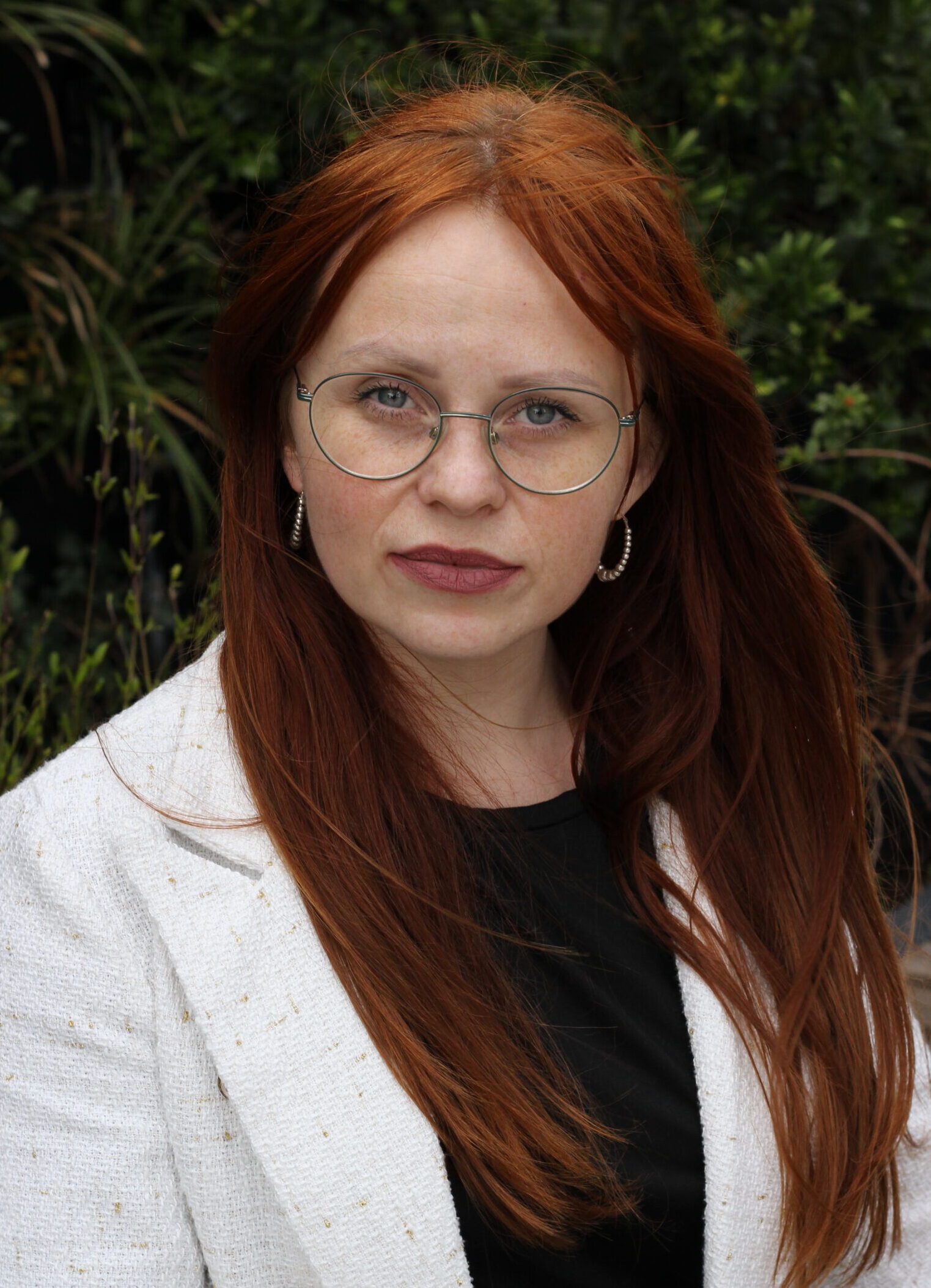
Alisa Bolokhovets — GEO Specialist
GEO for Catering Companies

Alisa Bolokhovets

Founder, Geo Digital · 17+ years in Digital Marketing

I've spent 17+ years helping businesses get found online — across SEO, digital strategy and now AI search. With BAMS Digital, I've managed 7+ SEO teams, launched 60+ websites and driven significant growth for businesses across the UK and Europe.

I've spent eight years working directly with hospitality and food service businesses across the UK, from Michelin-starred restaurants to contract catering operations. My experience includes content strategy for premium food brands, reputation management for established caterers, and deep familiarity with how event planners and corporate organisers actually discover vendors. I understand the catering industry's unique challenges: the heavy reliance on portfolio appeal, the importance of certifications and dietary accommodations, and how trust and specialisation drive bookings. I've worked with clients across luxury wedding catering, corporate event services, and niche dietary specialists.

For catering GEO specifically, I deploy targeted strategies across ChatGPT, Perplexity, Google AI Overviews, and Gemini by creating citation-rich content that emphasizes your specialisations, menus, certifications, and client testimonials in AI-readable formats. I build partnerships with wedding publications, event planning blogs, sustainability platforms, and industry directories to generate authoritative citations that position your catering company as the expert AI tools recommend. My approach focuses on structured data for menus and services, verified claims about dietary accommodations and hygiene standards, and strategic editorial placements that build the citation frequency AI platforms prioritise. For mid-market and boutique caterers, this typically delivers visibility in AI answers within 8-12 weeks and measurable booking increases within 16 weeks.

16 FAQ

Frequently Asked Questions — GEO for Catering Companies

Catering Companies · UK

How quickly will our catering company appear in AI search results after implementing GEO strategies?

Most catering companies see initial AI visibility within 3-8 weeks of implementing GEO strategies, with meaningful inquiry volume typically appearing by week 12-16. The timeline depends on your starting point – if you have zero AI citations, we start from ground zero; if you have some existing content and publication mentions, visibility accelerates. Factors affecting timeline include the competitiveness of your specialisation (boutique niche caterers see faster results than generic full-service competitors), your publication partnership development speed, and how quickly we establish citation authority. Corporate and event planning publications move faster than traditional media, accelerating results. Most catering companies report 8-15 qualified AI-sourced inquiries monthly by month four, with continued growth as citation frequency builds.

What content changes are required for our catering company's website to support GEO optimisation?

Your catering website requires restructuring from visually-focused portfolio design to information-architecture designed for AI extraction. This includes: detailed menu documentation with ingredient sourcing and dietary accommodation specifications; structured event case studies with guest counts, requirements, and testimonials; verified certifications and credentials in machine-readable formats; capacity and logistics documentation; and client testimonials emphasising specific outcomes. We don't eliminate visual portfolio elements; we supplement them with detailed, structured text content AI tools can cite. For example, adding "2024 Spring Wedding: 120 guests, predominantly plant-based menu with three omnivore options, accommodated one nut-free guest, sourced from three local suppliers" transforms a portfolio photo into citable content. Website restructuring typically requires 4-6 weeks and focuses on complementing your existing design with AI-discoverable information.

How do we build citation authority for our catering company when competitors already have publication mentions?

Citation authority builds through consistent, strategic placement in publications your target clients read – wedding magazines for wedding specialists, corporate event publications for conference caterers, food publications for cuisine specialists. We identify 10-20 target publications for your catering specialisation and develop a six-month editorial outreach strategy. This includes story pitches about your specialisation ("sustainable sourcing in wedding catering," "accommodating allergies at corporate events"), features about specific events or menus, and expert positioning as a source for catering-related stories. Unlike competitors who may have one or two mentions, a sustained editorial strategy produces 8-15 citations monthly, rapidly building authority. New citations also matter – recent mentions often weight more heavily in AI algorithms than older features. Starting citation building now means surpassing competitors' authority within 4-6 months.

Can our catering company rank well in AI search results despite having a small marketing budget?

Yes, particularly if your catering company has a clear specialisation, because AI platforms reward specificity and authority regardless of budget size. A boutique vegan wedding caterer with excellent testimonials and strategic publication features can dominate "vegan wedding catering London" queries despite tiny marketing budget, while a large generic caterer with budget struggles to rank. The GEO advantage for small caterers is that citation authority and specialisation matter more than website domain authority, which favours smaller competitors with clear positioning. Your budget should prioritise: editorial outreach (often free or low-cost), client testimonial collection and structuring, and certification documentation. Cost-effective strategies include partnerships with event planners (mutual referrals become citations), features in food blogger networks, and strategic placement in niche publications. Small catering companies typically achieve strong GEO results with £2,000-4,000 investment over six months.

Which AI platforms should our catering company prioritise if we can only focus on a few?

Prioritise in this order: (1) Google AI Overviews, as they reach 90% of UK searches and deliver highest inquiry volume; (2) ChatGPT, where event planners ask catering questions daily and citations become default recommendations; (3) Gemini, particularly for corporate and premium catering inquiries; (4) Perplexity for niche and specialised catering queries. Most catering companies should focus resources on Google AI Overviews and ChatGPT first, ensuring strong content structure and citation authority on these two platforms. Once visible on these, expanding to Gemini and Perplexity typically happens automatically as citation authority builds. The good news: effective GEO content structure positions you well across all platforms simultaneously, so investment isn't strictly sequential. However, Google AI Overviews and ChatGPT are the minimum viable platforms for measurable inquiry impact.

How should we structure client testimonials to maximize their impact in AI-generated search results?

Effective testimonials for GEO include specific, verifiable details AI tools can cite and extract. Instead of "Great catering, would definitely recommend," structure testimonials like: "Perfect execution of 180-person corporate conference with 35 guests requiring gluten-free options; sourced organic locally-produced ingredients; team arrived 90 minutes early and completed setup in under two hours; 98% attendee satisfaction." Testimonials should specify: event type and size, guest count, special dietary accommodations, specific menu highlights, execution quality, and outcomes. Include the client's name and organisation (wedding planners and corporate event coordinators value verified testimonials). Distribute structured testimonials across: your website (in structured formats), industry review platforms, publication features about specific events, and industry directories. The more detailed and verifiable the testimonial, the more likely AI tools cite it when answering catering queries. A collection of 15-20 detailed, verifiable testimonials is significantly more powerful than 100 generic reviews.

What's the difference between GEO and traditional paid advertising for acquiring catering leads?

Paid advertising (Google Ads, Facebook) is immediate but requires ongoing spending – you pay for every click or impression. GEO is slower to implement (8-16 weeks) but builds compounding value – initial investment in citation authority, content, and partnerships creates months of ongoing AI visibility and inquiry generation with minimal additional spending. Paid ads work for urgent bookings (large event coming up, need caterer immediately); GEO captures advance planners researching options and comparing caterers. Cost-per-lead dramatically favours GEO after month four – catering companies paying £15-25 per paid ad lead spend £2-5 per AI-generated lead once GEO matures. Ideal strategy combines both: paid advertising for immediate bookings, GEO for sustainable long-term pipeline. However, if budget requires choosing one, GEO delivers superior 12-month ROI for catering companies because event planning typically involves research far in advance of booking.

How often should we update our catering company's content and citations to maintain AI visibility?

Initial GEO implementation (months 1-6) requires consistent effort: new menu documentation monthly, updated event case studies every 4-6 weeks, and sustained editorial outreach. After visibility establishes (month 6+), maintenance requires: monthly updates with recent event documentation and testimonials; quarterly content refreshes emphasising seasonality or emerging trends; ongoing publication outreach (2-3 new features quarterly); and monitoring AI answers to ensure competitive positioning. Fresh content matters significantly to AI algorithms – caterers regularly updating menus, showcasing recent events, and maintaining active publication relationships see sustained visibility improvements, while competitors who implement GEO then abandon it typically lose ranking within 3-4 months. Maintenance requires 4-6 hours monthly for mid-sized catering companies. This ongoing cadence keeps your catering company visible as competitors attempt to displace you and as new competitors enter the market.

Can our catering company dominate AI search results in our geographic region?

Yes, regional AI dominance is achievable, particularly in medium-to-large UK cities. A catering company focusing on "London wedding catering" or "Manchester corporate events" can realistically achieve 60-80% share of voice in regional AI answers within 6-12 months. Regional dominance requires: strong local specialisation and event portfolio; strategic partnerships with regional wedding and event planning publications; local testimonials emphasising regional event success; and geographic-specific content architecture. Smaller cities and regional areas present faster dominance opportunities with less competition than London. A Bristol boutique caterer can own "sustainable catering Bristol" faster than London competitors in broader markets. Our strategy targets geographic-plus-specialisation positioning ("luxury vegan wedding catering Manchester") where dominance is achievable even against larger national competitors. Regional focus typically delivers 3-4x faster results than competing nationally.

What happens to our catering company's GEO visibility if competitors also implement GEO strategies?

Market saturation in GEO is inevitable but slower in catering than most industries because implementation is complex and requires both content expertise and publication partnerships. Early movers (companies implementing GEO now) gain 6-18 months competitive advantage before serious competition emerges. Maintaining visibility as competitors adopt GEO requires: continuous improvement of specialisation positioning (becoming recognised as THE expert in your niche), sustained editorial authority building (more citations than competitors), consistent portfolio documentation (more detailed and current than competitors), and client acquisition velocity (new satisfied clients = new testimonials and word-of-mouth). Companies that implement GEO aggressively now and build first-mover citation authority will retain 50%+ visibility advantage even after competitors arrive, because AI algorithms reward established authority. Think of early GEO adoption in catering like early website adoption in the 1990s – first movers built authority that sustained advantages long after websites became standard.

How do we measure the ROI of GEO investment for our catering company?

GEO ROI measurement focuses on: (1) Inquiry volume increase – tracking new inquiries sourced through AI tools monthly; (2) Conversion rate improvement – AI-sourced inquiries typically convert 35-50% better than other sources because prospects have pre-qualified you; (3) Booking value – GEO inquiries often represent higher-value events (serious planners who researched thoroughly); (4) Customer acquisition cost – calculate total GEO investment divided by new customers acquired; (5) Revenue attribution – track revenue from GEO-sourced customers over 12 months. Most catering companies investing £3,000-5,000 in six-month GEO implementation see ROI within 4-6 months when calculating conservatively. A mid-sized caterer generating 10 additional bookings monthly from GEO at average £3,500 value achieves £420,000 annual revenue uplift from £5,000 investment. Track metrics in a simple spreadsheet: inquiry source, conversion date, booking value, and customer satisfaction. These metrics prove GEO value and justify ongoing investment.

Should our catering company invest in GEO, SEO, or both strategies simultaneously?

For catering companies with limited budgets, prioritise GEO first (months 0-6), then layer SEO investment once GEO is performing. GEO delivers faster results and directly targets current prospect behaviour (using AI tools), while SEO addresses legacy search rankings still declining in importance for catering discovery. Companies with £10,000+ annual marketing budgets should pursue both: 60% GEO, 40% SEO, as SEO provides long-term sustainability and captures users still using traditional search. For smaller budgets, 100% GEO focus for 6-12 months maximises near-term revenue impact. The two strategies are complementary – strong GEO content (detailed menus, event case studies, certifications) improves SEO performance, and strong SEO content improves GEO citations. After establishing GEO visibility and seeing revenue impact, most catering companies expand to include SEO for comprehensive visibility coverage.

What competitive advantages do small independent catering companies have over larger chains in GEO?

Independent catering companies can dominate GEO more easily than large chains because: (1) Specialisation – independents typically focus on specific niches (sustainable, cultural, dietary) where they can own entire AI query categories; (2) Agility – faster to update content, pivot strategies, and respond to AI algorithm changes than large organisations; (3) Community authority – local event planners and publications prefer featuring local specialists, creating natural citation advantages; (4) Authenticity – AI tools increasingly favour voices perceived as genuine experts versus corporate marketing; (5) Geographic focus – many independents can achieve regional dominance faster than chains competing nationally. A five-person London vegan catering collective can realistically own "vegan wedding catering London" queries within 6 months, dominating a major national chain's general catering presence in the same market. Independent caterers implementing GEO now have realistic opportunity to build sustainable competitive moat against both larger competitors and future market entrants, by establishing citation authority and specialisation positioning before competitors react.

How does our catering company's specialisation affect GEO strategy and expected results?

Specialisation dramatically improves GEO outcomes. A general full-service caterer competes in crowded "wedding catering" or "event catering" queries where many competitors rank. A specialised caterer (vegan, sustainable, ethnic cuisine, allergen-safe, luxury, budget-conscious) dominates narrow long-tail queries with less competition and higher intent. GEO results vary dramatically by specialisation: luxury sustainable wedding caterers achieve visibility in 6-8 weeks and see 15-20 monthly inquiries; generic full-service caterers may take 16+ weeks and generate 5-8 inquiries. The most effective GEO strategy for catering is identifying or emphasising a core specialisation where you're genuinely strong, then building all GEO efforts around dominating queries for that specialisation. If your catering company lacks clear specialisation, we recommend developing one as the foundation for GEO strategy. Specialisation investment (training, menu development, certification acquisition) often costs £2,000-8,000 but dramatically improves GEO ROI by focusing effort on defensible, less-competitive query space.
Related Industries

Find out if AI
recommends your
Catering Company.

See exactly how AI sees your business — no commitment.