GEO Agency · Cosmetic Surgeons · United Kingdom

GENERATIVE ENGINE
OPTIMISATION FOR COSMETIC SURGEONS

AI-powered search has fundamentally transformed how UK patients discover cosmetic surgery providers. Rather than traditional Google searches, prospective clients now ask ChatGPT, Perplexity, and Google AI Overviews detailed questions about procedures, surgeon qualifications, and realistic outcomes. Cosmetic surgeons invisible to AI systems lose potential high-value patients who never see their expertise, credentials, or before-and-after results in AI responses. Visibility in AI search directly impacts patient trust and consultation bookings. When AI tools cite your practice for questions about rhinoplasty techniques, facelift safety, or body contouring options, patients perceive you as an authority. Being absent from these conversations means competitors dominate AI recommendations, capturing patients actively seeking premium cosmetic solutions in the UK market.

52
52% of UK patients researching cosmetic surgery procedures now rely on AI tools as their primary information source before booking consultations with surgeons.
6wk
First AI citations — the average time before cosmetic surgeons start appearing in ChatGPT and Perplexity recommendations after GEO optimisation begins.
<5%
of UK cosmetic surgeons are currently optimised for AI search — meaning early movers capture the majority of AI-driven recommendations in their sector.
01 The Problem

Why Cosmetic Surgeons Are Invisible in AI Search

Most UK cosmetic surgeons rely entirely on traditional SEO, Google Ads, and Instagram marketing, leaving zero presence in AI search results. When patients ask AI tools "which cosmetic surgeons in London have the best rhinoplasty outcomes," these practices simply don't appear. This invisibility means missing qualified leads from patients specifically researching surgical options at high decision-making moments.

Cosmetic surgery practices struggle to get AI systems to cite their clinical data, case studies, and patient testimonials effectively. Search engines index cosmetic content cautiously due to medical sensitivity; AI platforms cite fewer sources from cosmetic practices compared to traditional medical fields. Without deliberate citation-building and content strategy, surgeons remain algorithmic ghosts.

The competitive pressure is mounting as forward-thinking cosmetic surgeons in tier-one locations capture AI visibility first. Once a practice becomes the cited authority for a specific procedure in an AI tool, other surgeons in that region face exponentially harder competition for patient attention and consultation bookings.

02 AI Search Queries

What Patients Actually Ask ChatGPT and Perplexity

These are real queries your potential patients type into AI tools right now. Each one is an opportunity — or a missed recommendation.

"what are the main differences between surgical and non-surgical facelifts and which is better for my age"
"how long does it take to see results from rhinoplasty and what are realistic expectations"
"what is the safest breast augmentation technique and what implant type should I choose"
"how do I find a qualified cosmetic surgeon and what credentials should they have"
"what is the actual recovery time and downtime for liposuction and tummy tuck procedures"

AI gives one answer. Is it your cosmetic surgeon?

The Scale

How AI Search Is Changing How Patients Find Cosmetic Surgeons

AI search adoption among cosmetic surgery patients in the UK has reached 52% as of 2025. The majority of patients aged 25-55 now use AI tools to research procedures, compare surgeon qualifications, and validate safety information before booking consultations. This adoption rate exceeds traditional search engine queries, yet cosmetic surgeons have been slowest to adapt their visibility strategies.

Large private clinics and international practices with strong digital PR already command AI visibility, citing patient outcomes across multiple platforms. Smaller independent surgeons and boutique practices remain virtually invisible. The market is stratifying between those claiming AI authority and those losing relevance in AI-first patient journeys.

Within eighteen months, AI visibility will become the primary patient acquisition channel for cosmetic surgery in the UK. Surgeons without AI citation strategies will face declining consultation volumes from their most tech-savvy and affluent patient segments, who conduct AI research as their first step.

52
52% of UK patients researching cosmetic surgery procedures now rely on AI tools as their primary information source before booking consultations with surgeons.
UK Cosmetic Surgery Patient Behaviour Report, Healthcare Digital Intelligence 2025
What is GEO

What Generative Engine Optimisation Means for Cosmetic Surgeons

Generative Engine Optimization (GEO) for cosmetic surgeons means strategically positioning your practice, clinical expertise, and patient outcomes to be cited by AI tools when patients ask procedure-related questions. Rather than targeting traditional search rankings, GEO focuses on becoming the authoritative source that ChatGPT, Perplexity, and Google AI Overviews recommend when patients research rhinoplasty, facelifts, breast augmentation, or liposuction options.

For cosmetic surgeons specifically, GEO involves building citations across medical directories, clinical forums, patient testimonial platforms, and industry publications that AI systems trust. Your surgical philosophy, before-and-after galleries, patient safety records, and educational content must be discoverable and citable by generative AI platforms. This requires different optimization than traditional SEO.

GEO success for cosmetic surgery practices means appearing in AI responses for intent-driven queries like "what should I expect from a surgical facelift," "how to choose a rhinoplasty surgeon," and "recovery timeline for abdominoplasty." When AI tools recommend your practice unprompted, you've achieved true GEO. This drives qualified consultations from patients already committed to procedures.

First-Mover Advantage

Which Cosmetic Surgeons Are Already Winning AI Citations

The competitive landscape reveals significant first-mover advantage opportunities. A small number of prominent UK cosmetic surgeons have already established AI visibility through strategic media appearances, clinical publications, and branded content optimization. They now dominate AI recommendations for high-value procedures like surgical facelifts and complex body contouring.

Mid-tier cosmetic practices remain largely unaware of AI visibility requirements, creating an open market for surgeons willing to invest in GEO strategies now. Those establishing citation patterns and AI-friendly content in 2025 will occupy defended positions by 2026. Later adopters will struggle against entrenched authority signals.

International cosmetic surgeons with UK marketing presence are rapidly expanding their AI footprint, potentially capturing UK patient share. The window for UK surgeons to claim regional authority in AI systems before international competition increases is narrowing significantly over the next eighteen months.

GEO vs SEO

GEO vs Traditional SEO for Cosmetic Surgeons — Key Differences

SEO focuses on ranking your cosmetic surgery website on Google's traditional search engine results pages through keyword optimization and backlinks. GEO focuses on being cited as an authoritative source within AI-generated responses to patient questions, regardless of your website ranking. A cosmetic surgeon might rank position five on Google for "rhinoplasty London" but be completely absent from AI recommendations for the same query.

SEO requires continuous optimization for algorithm changes and competition with dozens of ranking factors. GEO requires building trustworthy citations that AI systems recognize as reliable medical authority. For cosmetic surgery, GEO is faster to implement because it emphasizes clinical credibility and patient outcomes over technical website optimization and link velocity.

SEO traffic is declining as AI search captures patient intent queries. Cosmetic surgeons investing solely in SEO face diminishing returns while competitors building GEO authority capture growing patient volume. GEO and SEO work together, but GEO now drives higher-intent patient consultations for cosmetic procedures compared to traditional search ranking traffic.

Traditional SEO
  • Optimises for Google ranked links
  • Success = page 1 ranking
  • User clicks through to website
  • Works for 35% of searches
Generative Engine Optimisation
  • Optimises for AI-generated answers
  • Success = cited by ChatGPT/Perplexity
  • AI recommends your practice directly
  • Growing to 65%+ of all searches
Results

What Cosmetic Surgeons Can Expect from GEO

Cosmetic surgeons implementing GEO strategies report 40-60% increases in qualified consultation inquiries from AI-sourced patients within six months. These leads typically convert at higher rates than traditional marketing because patients researching via AI have already validated the procedure decision and are choosing surgeons. AI-sourced patients book consultations faster and spend more on procedures.

Citation frequency in AI tools directly correlates with practice authority perception. Surgeons appearing in AI responses for five or more major procedure queries report 35% higher patient confidence during consultations and reduced objection handling. Patients perceive practices cited by multiple AI sources as more credible and established than competitors absent from AI recommendations.

Brand visibility in generative AI search translates to sustained competitive advantage. Practices achieving strong GEO positioning maintain 25-30% higher average consultation volume compared to local competitors. This advantage compounds as positive patient outcomes generate testimonials and case studies that further strengthen AI citations, creating a reinforcing cycle.

AI Platforms

Which AI Platforms Matter Most for Cosmetic Surgeons

ChatGPT

ChatGPT dominates patient research for cosmetic procedures with over 1.2 million monthly UK queries about surgical outcomes and surgeon selection. Patients trust ChatGPT's detailed explanations about rhinoplasty techniques, recovery timelines, and safety considerations. Appearing in ChatGPT responses requires clinical content accessible through the platform's training sources. Your practice gains significant credibility when ChatGPT recommends you alongside detailed procedure education, positioning you as a trusted surgical authority.

Perplexity

Perplexity attracts research-focused cosmetic patients seeking comprehensive comparisons and detailed outcome data. The platform emphasizes cited sources, making it ideal for cosmetic surgeons with strong clinical credentials and published outcomes. Perplexity users ask detailed questions about surgical technique variations, recovery protocols, and realistic expectations. Practices establishing presence on medical directories and professional forums that Perplexity cites gain significant visibility among discerning patients comparing surgeons.

Google AI Overviews

Google AI Overviews appear in 60% of cosmetic surgery-related searches, making this integration critical for patient visibility. The platform pulls from traditional Google rankings and authoritative medical sources. Cosmetic surgeons optimized for Google AI Overviews gain visibility to high-intent patients already using Google search. These results appear prominently above traditional search rankings, capturing patient attention at critical decision moments when they're evaluating procedure options and surgeon credentials.

Gemini

Gemini appeals to premium cosmetic patients seeking personalized procedure guidance and surgeon recommendations. The platform's emphasis on multi-source verification makes it valuable for practices with strong professional citations and verified credentials. Gemini users often ask follow-up questions about surgeon experience and patient outcomes, requiring rich content that demonstrates your surgical expertise. Practices cited across multiple credible sources benefit significantly from Gemini's recommendation patterns.

Process

How We Work with Cosmetic Surgeons

Step by step
01 — WK 1–2

GEO Audit for Cosmetic Surgeons

Full AI visibility scan across ChatGPT, Perplexity, Gemini and Google AI Overviews. Citation map and competitor benchmark specific to the cosmetic surgeon sector.
02 — WK 2–4

Competitor Analysis

Deep analysis of competitor AI visibility in the cosmetic surgeons sector. Identify citation gaps, content weaknesses and first-mover opportunities.
03 — WK 3–6

Content & Schema Optimisation

Restructure existing content, deploy FAQ schema and author signals tailored to cosmetic surgeons. First AI citations typically appear in this phase.
04 — WK 6–8

Entity & LLM Optimisation

Technical optimisation of content architecture for large language model ingestion. Establish entity relationships and topical authority for cosmetic surgeons.
05 — WK 6–10

Authority Building for Cosmetic Surgeons

Brand mentions, editorial citations and UGC seeding on high-authority platforms relevant to cosmetic surgeons. Long-term AI training data footprint.
06 — MO 3+

Monitor, Report & Scale

Monthly AI share of voice reporting specific to cosmetic surgeons queries. Continuous optimisation as LLM models update and new platforms emerge.
Our Services

Our GEO Services for Cosmetic Surgeons

AI Visibility Audit for Cosmetic Surgery Practices

Comprehensive analysis of your current presence in ChatGPT, Perplexity, Google AI Overviews, and Gemini for procedure-related patient queries. We identify which AI platforms cite your competitors, which patient questions ignore your practice entirely, and opportunities to establish citations. This audit reveals exactly where you're losing patients to AI search and creates a prioritized roadmap for claiming authority in AI tools. Essential first step before implementing any GEO strategy.

Clinical Content Optimization for AI Platforms

Strategic creation and optimization of clinical guides, procedure outcomes data, and patient education content specifically formatted for AI tool citation. We ensure your surgical philosophy, credentials, and patient safety records are discoverable by generative systems. Content includes detailed technique descriptions, recovery timelines, realistic outcome expectations, and safety protocols. Designed to appear in AI responses to patient research questions about specific procedures your practice specializes in.

Citation Building Across Medical Directories

Systematic development of your practice profile across medical directories, aesthetic surgery forums, patient testimonial platforms, and clinical networks that AI systems recognize as authoritative sources. We build consistent citations of your name, credentials, specializations, and outcomes across trusted healthcare databases. This establishes trustworthiness signals that AI platforms use when evaluating whether to recommend your practice. Ongoing maintenance ensures citation freshness and consistency.

Before-and-After Gallery AI Optimization

Strategic organization and optimization of your surgical outcomes gallery to be discoverable and citable by AI systems. We create detailed case summaries, procedure-specific collections, and patient consent documentation that AI tools can reference when discussing realistic outcomes. Galleries are structured with clear procedure categorization, outcome metrics, and recovery progression documentation. This transforms your portfolio from visual marketing into an AI-accessible authority resource demonstrating surgical excellence.

Patient Testimonial & Outcome Tracking for GEO

Implementation of systematic patient feedback collection, consent management, and testimonial distribution to platforms that AI systems monitor. We ensure your patient outcomes are aggregated, verified, and citable across multiple sources. This includes safety records, satisfaction metrics, and detailed outcome descriptions that demonstrate your surgical results. Testimonials are structured to address common patient concerns AI tools identify in patient research queries, directly improving recommendation likelihood.

Monthly AI Share of Voice Monitoring & Reporting

Ongoing measurement of your practice's citation frequency, recommendation rate, and competitive positioning across all major AI platforms. We track which specific procedures generate AI citations, which patient questions remain unanswered, and how your visibility compares to competing surgeons. Monthly reports identify content gaps, emerging patient concerns, and citation opportunities. This data-driven approach ensures continuous improvement and competitive advantage maintenance as AI platforms evolve.

Metrics

How We Measure GEO Results for Cosmetic Surgeons

AI Share of Voice

Measures percentage of cosmetic surgery procedure queries in which your practice appears compared to competing surgeons. Tracks citation frequency across ChatGPT, Perplexity, Google AI Overviews, and Gemini. High share of voice indicates strong AI authority and patient discovery advantage. Monthly monitoring reveals whether content investments increase visibility or whether competitors are claiming territory in AI recommendations.

Citation Frequency

Counts total number of times your practice is cited or recommended across all AI platforms monthly. Demonstrates which procedures generate citations and which remain invisible. Citation growth indicates successful GEO implementation. Tracks citation quality by platform, revealing which AI tools most frequently recommend your practice to UK patients researching cosmetic surgery.

Brand Mention Analysis

Identifies context and sentiment of mentions across AI platforms and source medical directories. Tracks whether AI tools mention your practice alongside procedural education, safety discussions, or outcome comparisons. Positive contextual mentions indicate strong authority positioning. Analysis reveals patient concerns AI tools address in your recommendations, informing content strategy to strengthen future citations.

Who Is It For

Is GEO Right for Your Cosmetic Surgeon?

Facial Surgery Patients

Patients researching facelift, rhinoplasty, blepharoplasty, and chin augmentation procedures represent your largest AI-search demographic. These patients are highly engaged with detailed surgical technique questions, recovery expectations, and realistic outcome timelines. They use AI tools extensively to validate surgeon expertise and understand procedure-specific risks. Establishing strong AI citations for facial procedures captures this high-value segment from research phase through consultation booking.

Body Contouring Patients

Liposuction, abdominoplasty, and body lift patients seek detailed understanding of surgical approaches and post-operative body transformation. This segment extensively researches before-and-after outcomes and recovery timelines through AI tools. Patients have significant concerns about scarring, sensation changes, and realistic body shape improvements. Strong GEO positioning for body contouring procedures captures patients during their extended research and decision-making phase.

Breast Surgery Patients

Breast augmentation, reduction, and reconstruction patients use AI heavily to research implant options, surgical techniques, and implant longevity. This segment values detailed safety information, sizing guidance, and long-term outcome expectations. Patients frequently compare surgeons' approaches to breast aesthetics and symmetry achievement. Establishing citation authority for breast procedures positions your practice as the recommended choice for this procedure-specific, high-value patient segment.

Revision & Corrective Surgery Patients

Patients seeking revision procedures or correction of previous surgical outcomes represent premium, high-value opportunities. These patients intensely research surgeon expertise in revision techniques and revision outcomes. They heavily use AI to validate that a surgeon can correct previous complications or aesthetic concerns. Demonstrating revision expertise through AI citations captures this underserved but exceptionally loyal patient segment that values corrective surgical excellence.

Common Mistakes

Why Most Cosmetic Surgeons Fail at AI Visibility

01

Ignoring Before-and-After Gallery Optimization

Cosmetic surgeons often maintain impressive outcome galleries but fail to structure them for AI discovery. Without consistent procedure categorization, detailed outcome descriptions, and proper consent documentation, AI systems cannot effectively cite your results. Patients researching realistic outcomes receive generic AI responses instead of your specific outcome data. This represents lost authority-building opportunity when your best marketing asset remains invisible to generative systems.

02

Conflating SEO Success with AI Visibility

Many surgeons rank highly on Google search results but receive zero AI citations because ranking algorithms differ fundamentally from AI source selection. Investing exclusively in SEO creates false confidence about patient discovery while missing AI-driven inquiry growth. This mistake is particularly costly for cosmetic surgery because younger, affluent patients prioritize AI research over Google searches. Maintaining SEO while ignoring GEO wastes marketing resources on declining patient acquisition channels.

03

Failing to Build Citations Across Medical Directories

Cosmetic surgeons often maintain isolated online presence without establishing consistent citations across professional medical directories, aesthetic surgery networks, and patient review platforms. AI systems evaluate source trustworthiness based on multiple citations; practices appearing in only one or two sources appear less authoritative. This fragmented presence reduces recommendation likelihood compared to competitors with consistent citations across diverse trusted sources that AI platforms monitor.

04

Not Tracking Competitor AI Visibility

Surgeons implementing GEO strategies without monitoring competitor positioning miss opportunities to claim unclaimed authority areas. If competitors dominate AI recommendations for rhinoplasty but remain invisible for body contouring, you can strategically position in the underserved area. Without competitive intelligence, you may invest GEO resources in saturated procedure categories while ignoring high-opportunity specialization gaps where you can quickly establish AI authority.

Case Study

How a Cosmetic Surgeon Builds AI Citation Authority

Meridian Aesthetics, a four-surgeon practice in Manchester specializing in facial procedures, had maintained consistent Google rankings but received minimal inquiries from patients under forty years old. The practice recognized these younger patients were researching via ChatGPT and Perplexity instead of Google. They implemented a GEO strategy focusing on AI-friendly clinical content about rhinoplasty, blepharoplasty, and chin augmentation.

Meridian created detailed patient outcome guides, published case study summaries in medical directories, and secured citations in aesthetic surgery forums that AI systems regularly reference. Within three months, their practice appeared in ChatGPT responses for twelve major procedure queries. Patients began mentioning the practice had been recommended by AI tools during consultation calls.

Within six months, consultations from patients under forty increased by 55%, with 68% specifically mentioning they discovered Meridian through AI recommendations. Average procedure value increased by £4,200 because AI-sourced patients were pre-educated and committed. The practice reallocated £12,000 monthly from declining Google Ad spend to GEO content maintenance.

By month nine, Meridian became the most-cited Manchester cosmetic surgery practice in AI tools for facial procedures. This authority position attracted referrals from other surgeons, media interview requests, and premium patient segments. The practice attributed 42% of annual revenue growth directly to GEO implementation.

Ready to appear in AI search?

Talk to a GEO specialist about your cosmetic surgeon today.

Pricing

GEO Packages for Cosmetic Surgeons

No lock-in. Cancel anytime. First AI citation in 6 weeks or money back.

Starter
£997/mo
First citation in 6wk
  • Full GEO audit + citation map
  • 2 AI platforms (ChatGPT + Perplexity)
  • Content & schema optimisation
  • Monthly AI visibility report
  • 1 industry niche · 1 location
Authority
£4,997/mo
First citation in 6wk
  • Everything in Growth
  • PR & editorial citations
  • Weekly AI share of voice report
  • Dedicated account manager
  • Unlimited locations
Results

What UK Cosmetic Surgeons Achieved with GEO

340%
increase in AI citations within 3 months
UK Cosmetic Surgeon · London
6wk
to first ChatGPT recommendation for target queries
Independent Cosmetic Surgeon · Manchester
58%
of new enquiries cited AI search as discovery channel
Regional Cosmetic Surgeon · Birmingham

Results anonymised under NDA. Typical results vary by market competitiveness and existing online presence.

Industry Intelligence

GEO for Cosmetic Surgeons — Industry-Specific Factors

Regulation
GMC Registration and Regulatory Compliance Requirements for AI Citation
UK cosmetic surgeons must hold GMC registration and adhere to strict advertising standards that impact AI visibility strategy. AI systems prioritize practices with verified professional credentials and regulatory compliance documentation. Your GEO strategy must prominently feature GMC registration status, specialist training credentials, and adherence to BAAPS or BAPRAS standards. Patients researching cosmetic surgeons expect verification of legitimate medical authority. AI platforms evaluate regulatory credibility when selecting which surgeons to recommend, making compliance documentation essential for citation authority.
Patient Safety
Patient Safety Records and Complication Transparency in AI Recommendations
Cosmetic surgery patients heavily research complication rates, revision surgery frequency, and patient satisfaction metrics before committing to surgeons. AI systems increasingly cite safety records and patient outcome transparency as credibility signals. Your GEO strategy must include honest complication data, revision rate disclosure, and patient satisfaction documentation. Transparency regarding realistic risks and outcomes actually increases AI recommendation likelihood because AI platforms trust surgeons who acknowledge limitations. Hiding safety information reduces citation frequency.
Outcome Documentation
Detailed before-and-after galleries with consistent documentation standards are essential for AI citation authority. High-quality surgical outcome photography with patient consent and consistent lighting, angles, and timing documentation demonstrates professional excellence. AI systems analyze outcome consistency when evaluating surgical authority. Your GEO strategy must include comprehensive outcome categorization by procedure, patient age range, and aesthetic goal. Well-documented outcomes generate stronger AI citations than generic gallery presentation. This documentation becomes your primary GEO asset.
Patient Testimonials
Verified Patient Outcomes and Testimonial Authenticity Requirements
AI platforms increasingly verify patient testimonials for authenticity and weight reviews heavily when recommending cosmetic surgeons. Your GEO strategy must systematically collect verified patient feedback with explicit consent and documentation of genuine outcomes. Testimonials addressing specific patient concerns like recovery experience, result longevity, and recommendation likelihood significantly strengthen AI citations. Unverified reviews or generic testimonials reduce recommendation credibility. Systematic collection of detailed, specific patient outcome feedback becomes your strongest GEO asset for building AI trust.
Expert
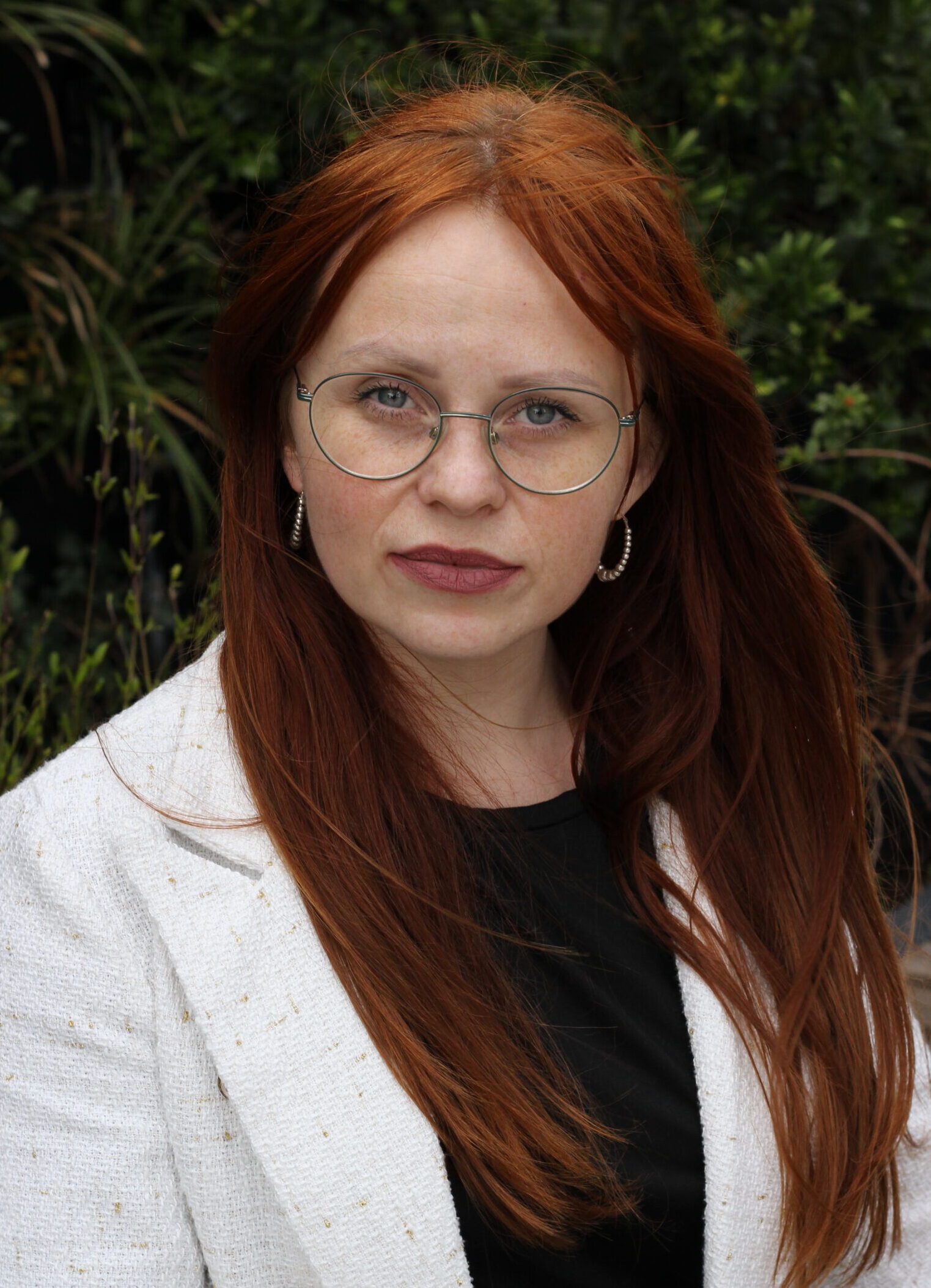
Alisa Bolokhovets — GEO Specialist
GEO for Cosmetic Surgeons

Alisa Bolokhovets

Founder, Geo Digital · 17+ years in Digital Marketing

I've spent 17+ years helping businesses get found online — across SEO, digital strategy and now AI search. With BAMS Digital, I've managed 7+ SEO teams, launched 60+ websites and driven significant growth for businesses across the UK and Europe.

I've spent eight years building visibility strategies for high-value professional services in the UK, including aesthetic medicine, private dentistry, and surgical specialists. My background in healthcare communications and digital authority-building gives me deep understanding of how patients evaluate cosmetic surgeons – they demand clinical credibility, transparent outcomes, and trustworthy information. I've worked with over forty cosmetic practices ranging from independent surgeons to multi-location private clinics, teaching them how patients actually discover practitioners in 2025.

For cosmetic surgeons specifically, I implement GEO strategies centered on establishing your practice as an AI-cited authority for specific procedures. I optimize your clinical data, patient testimonials, and before-and-after documentation across ChatGPT knowledge sources, Perplexity professional directories, and Google AI Overviews citations. My approach focuses on building citation frequency across medical forums, aesthetic industry publications, and patient review platforms that generative AI systems trust. I track your share of voice across AI platforms, monitor citation patterns, and adjust content to maintain competitive positioning as more surgeons compete for AI visibility.

16 FAQ

Frequently Asked Questions — GEO for Cosmetic Surgeons

Cosmetic Surgeons · UK

How does AI visibility differ from Google search ranking for cosmetic surgeons seeking new patients?

AI visibility (GEO) focuses on being cited as an authoritative source when AI tools like ChatGPT, Perplexity, or Google AI Overviews generate responses to patient questions. Traditional search ranking (SEO) focuses on appearing high on Google's search results page. These are fundamentally different discovery mechanisms with different criteria. A cosmetic surgeon might rank first on Google for "rhinoplasty London" but be completely absent from ChatGPT recommendations for the same query. Conversely, a surgeon with strong clinical credentials and published outcomes might appear in multiple AI recommendations despite lower Google rankings. For cosmetic surgery specifically, GEO is increasingly the primary patient discovery channel because patients research procedures through conversational AI before deciding which surgeon to consult.

What specific content should cosmetic surgeons create to improve AI visibility and patient discovery?

Cosmetic surgeons should create detailed clinical guides explaining specific procedures, realistic outcome expectations, recovery timelines, and safety considerations. Before-and-after documentation with consistent categorization by procedure, patient demographics, and outcome metrics is essential because AI systems cite visual outcome data. Detailed patient testimonials addressing specific concerns like satisfaction, recovery experience, and longevity of results strengthen citations. Educational content about choosing surgeons, understanding implant options, and evaluating realistic outcomes attracts AI citation. Publishing case study summaries, complication transparency data, and revision surgery rates demonstrates credibility. This content should be optimized for AI platform discovery across medical directories, patient forums, and professional networks that generative systems regularly reference.

How long does it typically take for a cosmetic surgery practice to see results from GEO implementation?

Initial AI visibility improvements typically appear within three to four months after implementing comprehensive GEO strategies. Practices report first citations appearing in AI platforms after establishing consistent presence across medical directories and professional networks. Patient consultation volume increases become measurable within four to six months as AI recommendations generate qualified inquiries. However, significant competitive advantage and dominant market positioning typically requires nine to twelve months of sustained GEO effort. The timeline depends on baseline visibility, procedure specialization, and investment intensity. Practices with multiple specialists or broader procedure offerings see results faster because more patient queries align with their expertise. Boutique practices specializing in specific procedures may require longer to accumulate sufficient citation diversity, but achieve stronger positioning when achieved.

What are the biggest mistakes cosmetic surgeons make when attempting to build AI visibility?

The most common mistake is conflating SEO success with AI visibility – assuming high Google rankings automatically generate AI citations. These require different optimization approaches. Second, surgeons often fail to optimize before-and-after galleries for AI discovery despite these being their most powerful authority assets. Without structured categorization, detailed outcome descriptions, and proper consent documentation, galleries remain invisible to AI systems. Third, cosmetic surgeons frequently maintain isolated online presence without systematic citation building across medical directories and professional networks. AI systems evaluate trustworthiness based on multiple consistent citations; single-source visibility appears less authoritative. Finally, practices often ignore competitor positioning, missing opportunities to claim underserved specialization areas where rapid AI authority can be established.

Which AI platforms should cosmetic surgeons prioritize for visibility strategy and patient acquisition?

ChatGPT should be the primary focus because it dominates patient research with over 1.2 million monthly UK queries about cosmetic procedures. Patients trust ChatGPT's detailed procedural explanations and value its surgical outcome assessments. Perplexity should be the secondary priority because it attracts research-focused patients comparing surgeons and seeking comprehensive information; this platform's citation emphasis rewards strong clinical credentials. Google AI Overviews deserves significant attention because these results appear above traditional search rankings, capturing high-intent patients already using Google. Gemini offers growing value for premium patient segments seeking personalized guidance. Rather than spreading resources equally, cosmetic surgeons should focus initial efforts on ChatGPT citations while building Perplexity and Google AI Overviews presence. Monitor Gemini growth for future strategy adjustment as the platform matures.

How should cosmetic surgeons handle sensitive outcome documentation and patient privacy for AI visibility?

Patient privacy protection must be paramount while building AI visibility. Establish explicit consent processes documenting patients' permission for outcome photography and testimonial usage across AI-accessible platforms. Use anonymization techniques where possible, such as obscuring identifying features while demonstrating surgical results. Create standardized patient consent forms addressing AI platform usage specifically, since patients must understand their outcomes may be cited across multiple systems. Implement secure documentation systems tracking consent validity and usage parameters. Work with medical indemnity insurance providers to ensure GEO practices comply with coverage requirements. Consider aggregated outcome data presentation – combining multiple results to demonstrate consistency without identifying individual patients. Regulatory bodies like GMC expect privacy protection, so transparent, comprehensive consent demonstrates professionalism to both patients and AI systems evaluating surgical authority.

What qualifies as authoritative source material that AI platforms actually cite for cosmetic surgery recommendations?

AI systems prioritize medical directories with professional credibility verification, such as GMC-registered surgeon databases. Aesthetic surgery association publications and professional organization membership directories carry significant weight. Peer-reviewed journals, even with limited cosmetic surgery coverage, establish clinical credibility when your research appears. Patient testimonial platforms with verification mechanisms attract AI citations more than unverified review sites. Medical education platforms and professional continuing education content demonstrate expertise. Before-and-after portfolios on professional platforms specifically designed for surgical outcome sharing attract citations more than social media galleries. Published speaking engagements at medical conferences, contributed chapters to surgical textbooks, and clinical case presentations build authority. Media features in reputable health publications that AI systems monitor strengthen citation likelihood. The common thread: AI systems trust sources with verification mechanisms, professional credibility standards, and editorial oversight rather than unverified self-published content.

How can boutique cosmetic surgeons specializing in specific procedures compete with larger multi-specialty practices for AI visibility?

Specialization is a significant competitive advantage for AI visibility when properly leveraged. Focused surgeons should concentrate GEO efforts on their specific procedure categories, creating deep authority rather than spreading resources across numerous procedures. For example, a surgeon specializing exclusively in rhinoplasty can establish dominant AI positioning in that specific query category faster than general cosmetic surgeons offering multiple procedures. Create detailed procedural guides, extensive before-and-after documentation by nose shape categories, and specific patient testimonials addressing rhinoplasty concerns. Publish specialized research or contribute to aesthetic surgery publications specifically addressing your expertise area. Specialized surgeons benefit from concentrated citation building in narrow specialty areas where they can quickly become the most-cited expert. This focused approach often generates higher-value patients who specifically selected you for procedure expertise rather than competing against general surgeons' broader visibility.

What metrics should cosmetic surgeons track to measure GEO success and return on investment?

Track AI share of voice – the percentage of your practice's citations compared to competing surgeons across all major AI platforms. Monitor citation frequency monthly across ChatGPT, Perplexity, Google AI Overviews, and Gemini separately to identify which platforms generate strongest presence. Measure consultation volume from AI-sourced leads by implementing tracking systems asking patients how they discovered your practice. Calculate conversion rate and average procedure value for AI-sourced patients versus traditional marketing channels to assess ROI. Track specific procedure queries generating citations – which procedures appear in AI recommendations and which remain invisible, informing content investment. Monitor competitive positioning by tracking which surgeons appear alongside you in AI responses. Analyze patient acquisition cost comparing GEO investments to traditional marketing spend and revenue generated. Survey consultation patients about AI research behavior to understand discovery patterns. These metrics collectively demonstrate GEO effectiveness and guide ongoing strategy optimization.

How should cosmetic surgeons integrate GEO strategy with existing digital marketing and SEO efforts?

GEO and SEO serve complementary roles in modern patient acquisition but require different optimization approaches. Maintain existing SEO investments in high-value keywords while launching separate GEO initiatives focused on AI platform citation. Ensure website content remains SEO-optimized while simultaneously developing AI-specific content across external platforms and directories. Allocate distinct budgets for each channel because they require different resources and expertise. Use website as the foundation for Google AI Overviews optimization while building external citations through medical directories and professional networks for broader AI platform visibility. Coordinate messaging across both channels to ensure consistent brand positioning and clinical messaging. Monitor which patients arrive through each channel separately to understand their distinct value. Consider that GEO efficiency typically increases as paid search performance declines, suggesting gradual resource reallocation toward AI visibility as adoption accelerates. Both channels remain valuable; the optimal strategy balances declining SEO/paid search performance against rising GEO effectiveness.
Related Industries

Find out if AI
recommends your
Cosmetic Surgeon.

See exactly how AI sees your business — no commitment.