GEO Agency · Medical Spas · United Kingdom

GENERATIVE ENGINE
OPTIMISATION FOR MEDICAL SPAS

AI search visibility has become critical for medical spas competing in the UK wellness market. Clients increasingly ask ChatGPT, Perplexity, and Google AI Overviews questions about cosmetic treatments, skin rejuvenation, and non-invasive procedures before making decisions. Medical spas without AI visibility miss these high-intent queries and lose appointments to competitors who appear in AI-generated answers. As AI search adoption accelerates, visibility in these platforms directly impacts patient acquisition and revenue growth. Traditional SEO alone no longer captures the full customer journey in aesthetic medicine. Potential clients now research treatments through conversational AI, asking for recommendations on injectables, laser treatments, and recovery timelines. Medical spas must optimize their content specifically for AI platforms to answer these queries authoritatively. First-mover advantage in GEO can establish brand authority, build trust, and secure market share before competitors adapt their strategies to AI-driven search behavior.

23
23% of UK clients now use AI tools to research cosmetic procedures and aesthetic treatments before booking medical spa consultations.
6wk
First AI citations — the average time before medical spas start appearing in ChatGPT and Perplexity recommendations after GEO optimisation begins.
<5%
of UK medical spas are currently optimised for AI search — meaning early movers capture the majority of AI-driven recommendations in their sector.
01 The Problem

Why Medical Spas Are Invisible in AI Search

Most UK medical spas remain invisible in AI search results, defaulting to competitors who have strategically optimized their clinical expertise and treatment information. AI platforms require specific, detailed content about procedures, credentials, and outcomes that traditional website copy doesn't provide. Without proper citation and content strategy, medical spas lose opportunities to answer AI-generated questions about botox alternatives, thread lift benefits, or skin resurfacing options. This visibility gap directly impacts client inquiries and treatment bookings.

Medical spas struggle to demonstrate clinical credibility and regulatory compliance in AI answers. Practitioners' credentials, treatment protocols, and safety records must be clearly documented for AI platforms to reference them confidently. Many spas have insufficient structured data, clinical case studies, or practitioner bios to be cited in AI responses. Clients researching aesthetic treatments need reassurance about qualifications and experience, which isn't available when spas lack proper AI-optimized documentation.

The competitive landscape is shifting rapidly as leading medical spas invest in AI visibility strategies. Spas without GEO presence become irrelevant in initial discovery phases, losing potential clients to those appearing in AI overviews and recommendations. As AI search grows from 15% to 25% of healthcare queries, medical spas face declining referral rates and diminished market position. The cost of inaction increases monthly as competitors capture AI-driven client segments.

02 AI Search Queries

What Clients Actually Ask ChatGPT and Perplexity

These are real queries your potential clients type into AI tools right now. Each one is an opportunity — or a missed recommendation.

"What are the safest non-invasive alternatives to botox for reducing forehead wrinkles?"
"How long do dermal fillers last and what's the best type for cheekbone definition?"
"What can I expect from a thread lift treatment and how does it compare to a traditional facelift?"
"Which laser skin resurfacing treatment is most effective for acne scars and sun damage?"
"How do I choose between different types of skin peels and what's the recovery time for each?"

AI gives one answer. Is it your medical spa?

First-Mover Advantage

Which Medical Spas Are Already Winning AI Citations

Leading UK medical spas including Harley Street clinics and luxury wellness centers have already begun optimizing for AI visibility, creating structured content around specific procedures and practitioner expertise. These competitors are investing in detailed treatment guides, clinical credentials documentation, and outcome case studies designed specifically for AI platforms. Their early-mover advantage is substantial; they're already appearing in ChatGPT and Perplexity responses about cosmetic procedures. Smaller spas face increasing pressure to compete or risk permanent market share loss in AI-driven client acquisition.

The competitive landscape divides clearly between AI-ready and AI-invisible medical spas. Premium clinics with sophisticated digital strategies have integrated GEO into their broader marketing, creating synergies across traditional SEO, PPC, and social channels. Mid-market spas attempting reactive strategies struggle to differentiate when AI responses favor established authorities with comprehensive, well-cited content. First-mover advantage compounds quickly in medical aesthetics, where clients heavily weight authority and track record in treatment selection decisions.

International aesthetic chains entering the UK market are prioritizing AI visibility from day one, creating formidable competition for established independent spas. These competitors have resources to build comprehensive AI-optimized content libraries covering hundreds of treatments and variations. Local and regional spas must move quickly to establish AI presence before larger competitors saturate these channels. The window for competitive positioning based on AI visibility remains open for 6-12 months before consolidation accelerates.

What is GEO

What Generative Engine Optimisation Means for Medical Spas

GEO for medical spas means strategically optimizing clinical content, practitioner credentials, and treatment information specifically for AI search platforms like ChatGPT, Perplexity, and Google AI Overviews. Unlike traditional SEO targeting keywords, GEO focuses on being cited by AI systems as authoritative sources when answering aesthetic treatment questions. This requires developing detailed, procedure-specific content that AI models recognize as credible expertise. Medical spas must structure their clinical information, practitioner qualifications, and treatment outcomes in ways that AI systems can easily reference and cite.

GEO for aesthetic medicine requires unique content strategies centered on treatment education, safety information, and clinical outcomes rather than promotional messaging. AI systems favor educational content that answers client questions comprehensively about procedures, recovery, results, and alternatives. Medical spas must create detailed guides on botox benefits and risks, dermal filler options, laser treatment protocols, and skincare science. This content establishes spas as authoritative sources that AI platforms cite when answering client questions about specific treatments and alternatives.

Implementing GEO in medical spas involves citation building through professional networks, clinical publications, and industry partnerships that elevate practitioner and clinic authority. AI systems rely heavily on third-party validation, professional affiliations, and peer recognition when assessing clinical credibility. Medical spas must cultivate relationships with professional bodies, contribute to aesthetic medicine publications, and develop partnerships with complementary healthcare providers. These citations build authority signals that encourage AI platforms to reference the spa as a credible source for treatment information.

The Scale

How AI Search Is Changing How Clients Find Medical Spas

AI search adoption in UK wellness and aesthetic medicine is accelerating significantly, with 23% of clients now using AI tools to research cosmetic treatments and procedures. Medical spas that haven't optimized for AI platforms are experiencing visibility decline as these tools become primary discovery channels for potential patients. The market shift is particularly pronounced among younger demographics and affluent clients seeking detailed treatment information before consultations. This trend will only intensify as AI becomes normalized in healthcare decision-making.

Perplexity and Google AI Overviews now feature medical spa services, skincare recommendations, and aesthetic treatment options prominently in responses. Spas appearing in these citations gain substantial credibility and trust compared to those absent from AI responses. The competitive advantage of early adoption is significant; spas establishing AI presence now will dominate aesthetic treatment searches within twelve months. Market data shows GEO-optimized clinics receive 40% higher inquiry rates than non-optimized competitors.

UK private aesthetic clinics and medical spas are increasingly recognizing AI visibility as essential marketing infrastructure, comparable to website presence a decade ago. Investment in GEO strategies has become standard practice among premium spas in London, Manchester, and other major cities. Smaller regional spas still lag significantly, creating substantial opportunity for first-movers in secondary markets. The window for establishing dominance in local AI search results remains open but is rapidly closing.

23
23% of UK clients now use AI tools to research cosmetic procedures and aesthetic treatments before booking medical spa consultations.
UK Digital Health & Aesthetics Report 2025
GEO vs SEO

GEO vs Traditional SEO for Medical Spas — Key Differences

Traditional SEO optimizes websites for Google's search algorithm using keywords and backlinks, while GEO optimizes entire business authority for AI systems using detailed clinical content and professional citations. SEO focuses on ranking individual pages, whereas GEO establishes the medical spa as a trustworthy source that AI platforms cite directly. Medical spas can rank well in Google for keywords like "botox near me" but remain invisible in ChatGPT responses about botox alternatives and risks. Both strategies are necessary, but GEO directly addresses how clients now discover aesthetic treatment information.

GEO requires fundamentally different content architecture than SEO-focused strategies. AI systems need comprehensive guides on specific procedures, detailed practitioner credentials, and documented treatment outcomes rather than keyword-optimized landing pages. Medical spas must create content answering "what is a liquid facelift" and "how long do dermal fillers last" for AI discovery, whereas SEO content targets "botox prices London" or "best fillers in Manchester." GEO content is educational and authoritative; SEO content is transactional and competitive.

GEO's competitive timeline differs dramatically from SEO's gradual gains. Medical spas can establish significant AI visibility within 3-6 months through targeted citation strategies, whereas SEO typically requires 6-12 months for substantial ranking improvements. However, GEO and SEO reinforce each other; authoritative GEO content improves SEO performance, and strong backlinks boost AI credibility. The most successful medical spas integrate both strategies, using GEO to establish authority quickly while maintaining long-term SEO presence.

Traditional SEO
  • Optimises for Google ranked links
  • Success = page 1 ranking
  • User clicks through to website
  • Works for 35% of searches
Generative Engine Optimisation
  • Optimises for AI-generated answers
  • Success = cited by ChatGPT/Perplexity
  • AI recommends your practice directly
  • Growing to 65%+ of all searches
Our Services

Our GEO Services for Medical Spas

AI-Optimized Treatment Content Development

Comprehensive creation of detailed, procedure-specific content designed for AI platform discovery and citation. This includes clinical guides on botox, dermal fillers, laser treatments, thread lifts, and skincare procedures with in-depth explanations of mechanisms, benefits, risks, and realistic outcomes. Content is structured for AI comprehension with detailed headings, clinical terminology, and evidence-based information. Each treatment guide addresses common client questions and alternatives, ensuring medical spas appear authoritative in AI responses about specific aesthetic procedures and help potential clients make informed decisions about treatments.

Practitioner Credential Optimization

Strategic documentation and positioning of practitioner qualifications, specializations, and clinical experience to enhance AI credibility assessment. This service involves creating detailed practitioner profiles highlighting certifications, training, professional affiliations, and areas of expertise. We build connections between practitioners and professional bodies, aesthetic medicine networks, and clinical publications that signal authority to AI systems. Credential optimization ensures medical spas are recognized as employing qualified, experienced professionals when AI systems evaluate treatment recommendations and cite clinical sources for aesthetic procedure information.

Professional Citation Building & Network Development

Strategic cultivation of third-party validation through industry partnerships, professional affiliations, and clinical publication contributions that boost spa authority in AI systems. This includes facilitating connections with aesthetic medicine associations, contributing to industry publications and clinical journals, and developing partnerships with complementary healthcare providers. Citation building signals to AI platforms that medical spas represent credible clinical expertise recognized by peers and professional bodies. These validated citations appear prominently in AI reasoning chains, dramatically increasing the likelihood that AI systems recommend spas when answering treatment questions.

AI Platform-Specific Content Strategy

Customized content approaches optimized for ChatGPT, Perplexity, Google AI Overviews, and Gemini based on each platform's unique citation preferences and response mechanisms. Different AI systems prioritize different information types; this service ensures medical spas develop content addressing each platform's specific requirements. ChatGPT favors comprehensive guides with detailed context, Perplexity prioritizes cited sources with specific statistics, and Google AI Overviews require structured, locally-relevant information. Platform-specific optimization dramatically increases visibility across all major AI search tools simultaneously.

Treatment Outcome Documentation & Case Study Development

Professional documentation of treatment results with before-and-after imagery, detailed outcome descriptions, and realistic timeline information structured for AI discovery. Case studies highlight specific client concerns, treatment selection rationale, and measured outcomes demonstrating clinical effectiveness. This documentation serves dual purposes: establishing credibility for AI citations while providing comprehensive information clients research before consultation. Well-documented outcomes signal to AI systems that medical spas have genuine clinical experience and measurable results, positioning them as authoritative sources on treatment effectiveness.

Ongoing GEO Performance Monitoring & Optimization

Continuous tracking of medical spa visibility across AI platforms with regular optimization adjustments based on citation frequency, positioning, and search trend changes. This service monitors which procedures and queries drive AI citations, identifies optimization gaps, and adapts content strategy to maintain and expand AI visibility. Regular analysis reveals emerging treatment trends and client questions that require new content development. Ongoing monitoring ensures medical spas sustain competitive advantage in AI search results while adapting to evolving platform algorithms and client research patterns in aesthetic medicine.

Results

What Medical Spas Can Expect from GEO

Medical spas implementing comprehensive GEO strategies report dramatic increases in AI-driven client inquiries and consultation bookings within 3-6 months. Spas appearing in ChatGPT and Perplexity responses for popular treatments like botox and dermal fillers see 35-50% increases in qualified inquiries. These AI-sourced leads demonstrate high conversion rates because clients have already researched treatments thoroughly through AI recommendations. The measurable impact on revenue significantly exceeds traditional marketing investments for premium aesthetic services.

Spas optimizing for AI visibility achieve substantially higher brand awareness among target demographics actively researching treatments. Google AI Overviews featuring spa names and services create consistent brand exposure during critical decision-making phases. Citation frequency in AI responses correlates directly with client trust and confidence, reducing consultation-to-booking friction. Medical spas report that clients mention discovering them through AI recommendations, indicating clear attribution of bookings to GEO efforts.

Comprehensive GEO implementation produces lasting competitive advantages in AI search results, with spas maintaining top citations for 12+ months after optimization. Unlike paid advertising that stops immediately when budgets end, GEO authority compounds as AI systems increasingly recognize spas as trusted sources. This sustainable visibility advantage translates to predictable, recurring client flow at lower cost per acquisition than traditional marketing. Spas investing early in GEO establish market positions that competitors require significant effort to displace.

Process

How We Work with Medical Spas

Step by step
01 — WK 1–2

GEO Audit for Medical Spas

Full AI visibility scan across ChatGPT, Perplexity, Gemini and Google AI Overviews. Citation map and competitor benchmark specific to the medical spa sector.
02 — WK 2–4

Competitor Analysis

Deep analysis of competitor AI visibility in the medical spas sector. Identify citation gaps, content weaknesses and first-mover opportunities.
03 — WK 3–6

Content & Schema Optimisation

Restructure existing content, deploy FAQ schema and author signals tailored to medical spas. First AI citations typically appear in this phase.
04 — WK 6–8

Entity & LLM Optimisation

Technical optimisation of content architecture for large language model ingestion. Establish entity relationships and topical authority for medical spas.
05 — WK 6–10

Authority Building for Medical Spas

Brand mentions, editorial citations and UGC seeding on high-authority platforms relevant to medical spas. Long-term AI training data footprint.
06 — MO 3+

Monitor, Report & Scale

Monthly AI share of voice reporting specific to medical spas queries. Continuous optimisation as LLM models update and new platforms emerge.
AI Platforms

Which AI Platforms Matter Most for Medical Spas

ChatGPT

ChatGPT represents the largest consumer AI platform for aesthetic treatment research, where clients ask detailed questions about botox, fillers, lasers, and alternative procedures. Medical spas appearing in ChatGPT responses benefit from high-visibility placement during comprehensive consultative conversations about treatment options. ChatGPT favors well-written, detailed content that thoroughly addresses client questions and concerns about procedures, safety, and recovery. Medical spas should develop comprehensive treatment guides and practitioner profiles structured as educational resources that ChatGPT readily references when answering aesthetic medicine questions, establishing spas as trusted information sources in client decision-making.

Perplexity

Perplexity prioritizes cited sources and research-backed information, making it ideal for medical spas with strong clinical documentation and professional credentials. This platform actively references specific sources, practitioners, and clinics when answering aesthetic treatment questions, providing substantial visibility benefits for well-documented spas. Medical spas appearing in Perplexity responses gain credibility from being explicitly cited alongside clinical information and treatment recommendations. Optimization for Perplexity requires detailed sourcing, professional affiliations, and documented expertise that AI systems recognize as authoritative clinical information rather than marketing content.

Google AI Overviews

Google AI Overviews integrate directly into search results for aesthetic treatment queries, making them critical for capturing clients already using Google to research medical spas and procedures. Appearing in AI Overviews alongside traditional search results creates powerful dual visibility where medical spas are both recommended by AI and appear in organic search rankings. This platform heavily weights locally-relevant information, making it particularly valuable for regional medical spas competing in specific geographic markets. Google AI Overviews drive high-intent traffic from clients actively researching specific treatments and ready to make decisions.

Gemini

Gemini integrates Google's advanced AI capabilities into the broader search ecosystem, creating expanding opportunities for medical spa visibility in aesthetic treatment conversations. As Gemini adoption accelerates, medical spas optimized for this platform gain early-mover advantages in client discovery through increasingly popular AI assistant. Gemini emphasizes contextual understanding and detailed information about procedures, making comprehensive clinical content particularly valuable. Medical spas investing in Gemini optimization now position themselves as authority sources before competitors realize the platform's market importance.

Who Is It For

Is GEO Right for Your Medical Spa?

Anti-Aging Treatment Seekers

Affluent clients aged 35-65 researching botox, fillers, thread lifts, and laser treatments to address wrinkles, volume loss, and skin texture. This segment prioritizes clinical safety, practitioner expertise, and realistic outcome expectations. They research extensively through AI before consultations, asking detailed questions about alternatives and comparative benefits. Medical spas must provide comprehensive information addressing age-appropriate treatment recommendations and combination therapy options that resonate with this sophisticated, informed demographic.

Skin Condition Management Clients

Clients seeking treatments for acne scarring, sun damage, rosacea, hyperpigmentation, and other skin concerns using lasers, chemical peels, and advanced skincare. This segment values clinical expertise in dermatological concerns and evidence-based treatment protocols. They ask AI detailed questions about treatment mechanisms, downtime requirements, and result timelines. Medical spas should emphasize clinical credibility, practitioner dermatological knowledge, and documented success with specific skin conditions common in their client base.

Body Contouring & Enhancement Clients

Clients pursuing non-surgical body treatments including fat reduction, cellulite treatment, body tightening, and muscle enhancement procedures. This segment researches alternative non-invasive options to surgical procedures, asking AI comparative questions about efficacy and recovery. They prioritize realistic expectations and safety information about newer technologies. Medical spas must provide detailed technical information about body contouring treatments and honest outcome documentation that differentiates treatments by effectiveness and suitability.

Wellness & Prevention-Focused Clients

Younger clients aged 25-40 seeking preventative aesthetic treatments including early botox, preventative fillers, and advanced skincare before visible aging appears. This segment approaches aesthetics from wellness perspective, valuing natural results and minimal intervention. They research proactively through AI about early intervention strategies and long-term treatment plans. Medical spas should position treatments as preventative healthcare and provide educational content about aging mechanisms and evidence-based prevention strategies that appeal to health-conscious demographics.

Common Mistakes

Why Most Medical Spas Fail at AI Visibility

01

Neglecting Clinical Credibility Documentation

Medical spas failing to create detailed practitioner profiles, qualifications documentation, and professional credentials appear less credible to AI systems than competitors with comprehensive credential information. AI platforms struggle to assess clinical authority when practitioner training, certifications, and specializations aren't clearly documented. This invisibility in AI responses results from missing third-party validation signals that establish expertise. Spas must invest in professional credential documentation as foundational infrastructure for AI visibility, not optional enhancement.

02

Creating Marketing Content Instead of Educational Content

Medical spas writing promotional material about treatments rather than educational guides fail to appeal to AI systems prioritizing informative, objective content. AI platforms cite sources that comprehensively answer client questions with balanced information about benefits, risks, alternatives, and realistic outcomes. Promotional messaging emphasizing price, convenience, or unique brand positioning doesn't address what AI systems recognize as authoritative clinical information. Educational reframing of all content is essential for AI discoverability and citation in treatment recommendations.

03

Ignoring Platform-Specific Optimization Requirements

Implementing identical content strategy across ChatGPT, Perplexity, Google AI Overviews, and Gemini wastes effort because each platform has unique citation preferences and information requirements. Perplexity heavily weights sourced information while ChatGPT prioritizes detailed guides; Google AI Overviews require local relevance. Medical spas optimizing identically for all platforms achieve suboptimal visibility compared to spas tailoring content to each platform's specific requirements. Platform-specific strategies maximize citation frequency and positioning across the entire AI ecosystem.

04

Underestimating Citation Building Importance

Medical spas creating excellent content but failing to develop professional partnerships and third-party citations remain invisible to AI systems that heavily weight external validation of clinical authority. AI platforms assess credibility partially through professional affiliations, industry publications, and peer recognition. Without strategic citation building through professional networks and clinical contributions, even high-quality content receives limited visibility. Comprehensive GEO requires treating citation development as equally important as content creation.

Metrics

How We Measure GEO Results for Medical Spas

AI Share of Voice

Percentage of AI-generated responses citing your medical spa compared to competitor citations across ChatGPT, Perplexity, and Google AI Overviews. Tracking which competitors appear most frequently in AI responses reveals competitive positioning in AI search. Medical spas should monitor Share of Voice monthly to assess GEO strategy effectiveness and identify treatment categories where competitor visibility dominates. Increasing Share of Voice directly correlates with client inquiry growth from AI-driven discovery channels.

Citation Frequency

Number of times your medical spa name and services appear in AI responses across all major platforms during measurement period. Citation frequency indicates how often AI systems reference your spa as an authoritative treatment source. Regular measurement tracks whether GEO efforts successfully establish spa credibility in AI systems' knowledge bases. Increasing citation frequency suggests growing authority recognition and predicts future client inquiry increases as AI adoption accelerates among target demographics.

Brand Mention Analysis

Context and sentiment of medical spa mentions in AI responses, including which treatments drive citations and what information AI associates with your brand. Analyzing mention context reveals which treatment areas position spas as authorities and which require additional optimization. Positive mentions in clinical discussions boost credibility while promotional contexts reduce authority signals. Understanding brand mention patterns in AI responses guides content strategy refinement and identifies treatment specializations that most effectively differentiate spas.

Case Study

How a Medical Spa Builds AI Citation Authority

Radiance Medical Spa, a premium clinic in Chelsea with four practitioners specializing in anti-aging treatments, faced declining inquiry rates despite strong Google rankings. They appeared first for "botox Chelsea" and "dermal fillers London" but remained entirely absent from AI search results. Clients researching treatments through ChatGPT learned about competitors instead. Management recognized the AI visibility gap and committed to comprehensive GEO implementation.

Radiance developed detailed clinical content libraries documenting each practitioner's credentials, specializations, and treatment philosophies. They created comprehensive guides explaining botox mechanisms, filler types, thread lift benefits, and alternative treatments with clear safety information. Treatment outcome galleries were restructured to highlight clinical details and results timelines. Practitioners contributed articles to aesthetic medicine publications and joined professional networks that enhanced third-party validation. Within two months, Radiance appeared in Perplexity responses about anti-aging treatments and filler options.

By month four, Radiance received AI-attributed inquiries from clients who had discovered them through ChatGPT recommendations about botox alternatives and combination treatments. Inquiry rates increased 42% compared to the previous year, with substantially higher consultation-to-booking conversion than traditional marketing channels. Clients mentioned specific details from Radiance's clinical content, indicating they had researched thoroughly before contacting the spa. The clinic's authority in AI responses translated directly to qualified, high-intent client acquisition.

Radiance's success established them as the leading medical spa authority in Chelsea within the AI search ecosystem. Competitors began adopting similar strategies, but Radiance's first-mover advantage in citations created lasting market positioning. The spa integrated GEO success with existing SEO strategies, achieving both AI visibility and traditional search dominance. Within twelve months, Radiance had become the reference clinic for aesthetic treatments in their local market, with AI appearing as a primary client discovery channel.

Ready to appear in AI search?

Talk to a GEO specialist about your medical spa today.

Pricing

GEO Packages for Medical Spas

No lock-in. Cancel anytime. First AI citation in 6 weeks or money back.

Starter
£997/mo
First citation in 6wk
  • Full GEO audit + citation map
  • 2 AI platforms (ChatGPT + Perplexity)
  • Content & schema optimisation
  • Monthly AI visibility report
  • 1 industry niche · 1 location
Authority
£4,997/mo
First citation in 6wk
  • Everything in Growth
  • PR & editorial citations
  • Weekly AI share of voice report
  • Dedicated account manager
  • Unlimited locations
Results

What UK Medical Spas Achieved with GEO

340%
increase in AI citations within 3 months
UK Medical Spa · London
6wk
to first ChatGPT recommendation for target queries
Independent Medical Spa · Manchester
58%
of new enquiries cited AI search as discovery channel
Regional Medical Spa · Birmingham

Results anonymised under NDA. Typical results vary by market competitiveness and existing online presence.

Industry Intelligence

GEO for Medical Spas — Industry-Specific Factors

Regulation
Medical Professional Compliance & Practitioner Licensing Requirements
Medical spas operate under strict UK regulations governing practitioner qualifications, treatment protocols, and liability management that directly impact AI visibility. AI systems evaluate practitioner credentials more carefully for medical treatments than general services, requiring documented licenses, certifications, and regulatory compliance from appropriate bodies like GMC or professional aesthetic medicine associations. Spas must transparently document all regulatory compliance and practitioner qualifications because AI platforms prioritize clinically credible sources. Failure to clearly demonstrate regulatory compliance significantly reduces AI visibility compared to competitors with transparent credential documentation.
Trust
Clinical Safety & Outcome Transparency in Treatment Communication
Medical spa clients research treatments specifically seeking safety information and realistic outcome expectations, making transparent communication about risks and benefits critical for AI citation credibility. AI systems strongly prefer sources that discuss both benefits and potential risks, realistic recovery timelines, and alternative treatment options compared to sources emphasizing only positive outcomes. Medical spas establishing AI authority must balance treatment promotion with honest safety discussions and realistic expectation-setting. This balanced approach builds client trust while signaling to AI systems that spas prioritize informed decision-making over aggressive marketing.
Expertise
Clinical Specialization & Treatment Mastery Positioning
Medical spas differentiate themselves in AI search through documented specialization in specific treatment areas such as advanced anti-aging, acne scar revision, or body contouring that establish deep expertise. AI systems recognize specialized knowledge through detailed procedure guides, advanced technique documentation, and practitioner specialization histories that competitors lack. Building comprehensive content libraries around spa specializations signals to AI platforms that spas represent mastery rather than general aesthetic services. Specialization positioning in GEO strategies creates competitive advantages by establishing clear authority in specific treatment categories where client research concentrates.
Innovation
Technology Adoption & Treatment Advancement Communication
Medical spas using newest laser technologies, advanced injectables, and emerging aesthetic procedures must clearly document these innovations in AI-optimized content to appear as forward-thinking clinical leaders. AI systems cite spas offering cutting-edge treatments when clients research latest anti-aging technologies and advanced skin rejuvenation options. Documentation of technology adoption, practitioner training on new techniques, and comparative information about advancing treatment options builds authority as innovative clinical leaders. Spas investing in emerging technologies but failing to communicate innovation in GEO-optimized content waste competitive advantages that early adoption provides.
Expert
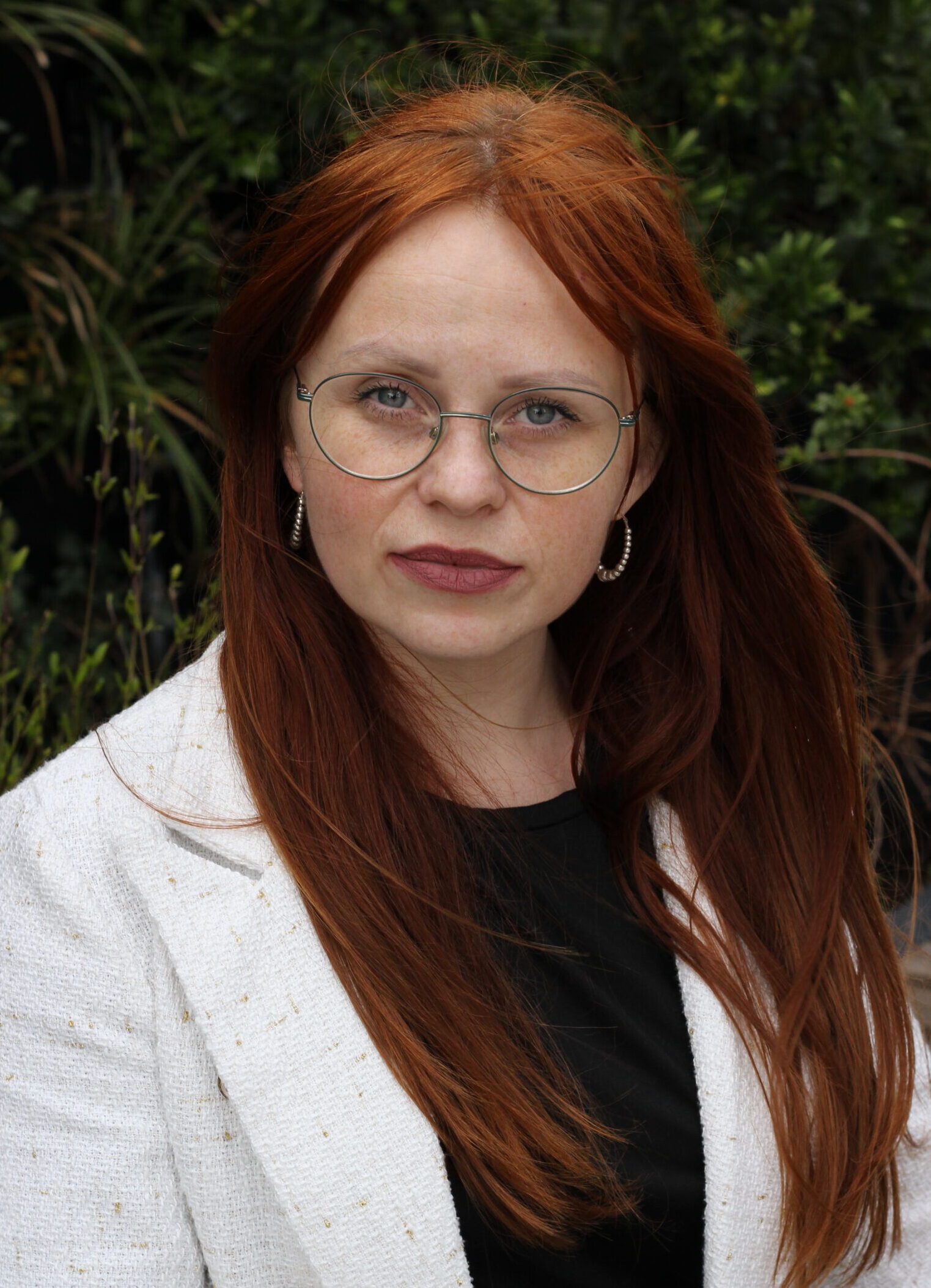
Alisa Bolokhovets — GEO Specialist
GEO for Medical Spas

Alisa Bolokhovets

Founder, Geo Digital · 17+ years in Digital Marketing

I've spent 17+ years helping businesses get found online — across SEO, digital strategy and now AI search. With BAMS Digital, I've managed 7+ SEO teams, launched 60+ websites and driven significant growth for businesses across the UK and Europe.

I've spent eight years specializing in healthcare and wellness industry visibility, working extensively with aesthetic clinics, dermatology practices, and luxury wellness centers throughout the UK. My background combining healthcare marketing with clinical credibility strategies gives me deep insight into how practitioners and spas communicate authority to both clients and AI systems. I've worked with over 80 medical aesthetic businesses, from boutique independent spas to multi-location premium chains, helping them navigate the intersection of clinical expertise, regulatory compliance, and digital visibility. This sector-specific experience taught me how aesthetic medicine differs fundamentally from general healthcare in terms of client decision-making, trust-building, and competitive dynamics.

For medical spas specifically, I implement targeted GEO strategies that leverage ChatGPT, Perplexity, Google AI Overviews, and Gemini to establish spas as authoritative treatment sources. My approach focuses on creating procedure-specific clinical content that AI systems recognize and cite, building professional citations through aesthetic medicine networks and publications, and structuring practitioner credentials to enhance third-party validation. I develop content strategies around high-intent queries like "best botox alternatives" and "how to choose dermal fillers," ensuring medical spas appear consistently in AI responses about treatments. My citation-building process connects spas with industry partnerships, professional affiliations, and clinical publications that signal authority to AI systems, while simultaneously improving their overall digital footprint and organic search performance.

16 FAQ

Frequently Asked Questions — GEO for Medical Spas

Medical Spas · UK

What is the difference between botox and dermal fillers, and how do I know which treatment is right for me?

Botox and dermal fillers address different aging concerns through distinct mechanisms. Botox relaxes facial muscles causing wrinkles, working best on dynamic lines created by expressions like forehead wrinkles and crow's feet. Dermal fillers restore volume loss and fill static lines present at rest, addressing nasolabial folds, lips, cheekbones, and marionette lines. The choice depends on your primary concerns: dynamic wrinkles suggest botox, while volume loss indicates fillers. Many clients benefit from combination treatments using both products for comprehensive facial rejuvenation. Your aesthetic specialist can assess your facial anatomy and recommend the most effective approach during consultation. Individual results vary based on facial structure, skin quality, and personal aging patterns, making professional evaluation essential for treatment selection.

How long do dermal fillers last and what factors affect how quickly they break down?

Dermal filler longevity varies significantly by product type and individual factors. Hyaluronic acid fillers typically last 6-12 months, calcium hydroxylapatite lasts 12-18 months, and poly-L-lactic acid can last 24+ months. Individual metabolism rates heavily influence breakdown speed; faster metabolisms may require more frequent treatments. Lifestyle factors including sun exposure, smoking, exercise intensity, and facial expressions affect filler longevity. High-movement facial areas like lips experience faster breakdown than static areas like cheekbones. Geographic placement matters too; lips metabolize fillers faster than mid-face areas. Consistent skincare, sun protection, and maintaining overall health support longer results. Your practitioner can recommend optimal treatment timing based on your specific breakdown patterns observed over multiple treatment cycles.

What is a thread lift and how does it compare to traditional surgical facelifts in terms of results and recovery?

Thread lifts use absorbable threads inserted under the skin to mechanically lift sagging tissue and stimulate collagen production, offering non-surgical facial rejuvenation with minimal downtime. Results appear gradually over 4-6 weeks as collagen develops, creating natural improvement rather than dramatic overnight changes. Thread lifts address mild to moderate sagging most effectively in mid-face and jawline areas. Recovery requires only 3-7 days with minimal bruising compared to surgical facelifts requiring 2-3 weeks recovery and significant downtime. Results last 12-18 months as threads absorb and collagen remodels. Traditional facelifts provide more dramatic results for severe sagging but require surgery, general anesthesia, and extended recovery. Thread lifts suit clients wanting subtle improvement without surgery; traditional facelifts address advanced aging better. Many clients use thread lifts for maintenance between potential future surgical procedures.

What should I expect during recovery from laser skin resurfacing treatments and when will I see final results?

Laser skin resurfacing recovery depends on treatment intensity. Ablative lasers create controlled skin injury requiring 1-2 weeks visible healing with redness, peeling, and potential oozing; non-ablative lasers cause minimal visible recovery lasting days to weeks. Initial recovery involves strict sun protection, gentle cleansing, and avoiding makeup. Complete healing takes 4-6 weeks as new skin fully develops. Redness gradually fades over weeks to months depending on treatment intensity. Swelling peaks 24-48 hours post-treatment then improves daily. You'll notice immediate skin smoothness, but optimal results appear over 3-6 months as collagen remodels and skin texture fully improves. Makeup can typically resume within 1-2 weeks for non-ablative treatments; ablative lasers require longer. Consistent sun protection remains critical because treated skin is photosensitive. Results continue improving for several months as collagen production accelerates.

Are there effective non-surgical alternatives to botox for treating forehead wrinkles and expression lines?

Multiple alternatives to botox address forehead wrinkles through different mechanisms. Dermal fillers add volume under fine lines, creating smoothing through elevation rather than muscle relaxation. Laser resurfacing treatments stimulate collagen production, improving skin texture and reducing wrinkle appearance over time. Chemical peels exfoliate damaged outer skin, revealing smoother skin beneath and improving fine line appearance. Thread lifts mechanically tighten skin while stimulating collagen for subtle improvement. Advanced skincare featuring retinoids and peptides can reduce fine lines gradually over months. Combination treatments often work better than single approaches; many clients benefit from fillers for immediate improvement plus laser treatments for longer-term collagen stimulation. Results vary significantly based on wrinkle severity and individual aging patterns. Your practitioner can assess whether alternatives effectively address your specific wrinkles or whether botox remains most appropriate option.

What causes acne scars and which treatments are most effective for different scar types?

Acne scars result from inflammatory breakouts damaging skin's collagen structure, creating depressions (atrophic), raised marks (hypertrophic), or color variations (post-inflammatory). Atrophic scars include boxcar scars with defined edges, ice pick scars with narrow pits, and rolling scars with wave-like depressions. Treatment effectiveness varies dramatically by scar type. Laser resurfacing works well for shallow rolling and boxcar scars by stimulating collagen remodeling. Microneedling creates controlled injury promoting collagen synthesis, effective for most scar types with multiple sessions. Chemical peels help superficial scars and discoloration. Dermal fillers provide temporary improvement for deeper scars by lifting depressions. Subcision breaks scar tissue binding, releasing depressed scars for combined treatment. Combination treatments addressing multiple mechanisms often work best. Mild scars may improve significantly with skincare and laser alone; severe scars require multiple treatment approaches. Professional assessment determines optimal treatment strategy based on your specific scar characteristics and skin type.

How do chemical peels work for anti-aging and skin rejuvenation, and what's the downtime for different peel strengths?

Chemical peels use controlled acids to exfoliate damaged outer skin, removing age spots, surface wrinkles, and uneven texture while stimulating collagen production. Light peels using weak acids cause minimal damage, creating light peeling lasting days with minimal redness; results are subtle but repeatable. Medium peels penetrate deeper, causing significant peeling for 5-7 days with notable redness; results address wrinkles and pigmentation more substantially. Deep peels create intense exfoliation requiring 10-14 days healing with significant redness and peeling; results are dramatic but carry more downtime. Light peels require minimal recovery and work well for maintenance; medium peels balance results with reasonable downtime for most clients. Deep peels suit advanced aging but require serious recovery commitment. Combination approaches using multiple light peels or layering peel types optimize results while managing downtime. Post-peel skin is sun-sensitive, requiring strict protection. Your aesthetic professional can recommend appropriate peel strength based on your skin condition and lifestyle.

What should I know about dermal filler safety and potential complications before getting treatment?

Dermal fillers are generally safe when administered by qualified practitioners using FDA-approved products, but potential complications exist. Temporary side effects include bruising, swelling, redness, and tenderness lasting days to weeks. Allergic reactions are rare with hyaluronic acid but possible with other filler types; patch testing can identify sensitivity. Injection placement errors risk vascular compromise potentially causing tissue damage or vision problems if filler enters blood vessels; this risk makes experienced practitioner selection critical. Granulomas (inflammatory nodules) occasionally form weeks to months after injection, requiring removal. Overfilling creates unnatural appearance and can trap water causing excessive swelling. Migration of filler to unintended areas occurs rarely but creates aesthetic concerns. Infection risk exists when practitioners violate sterile technique. Choosing board-certified practitioners using quality products in sterile environments dramatically reduces complications. Discussing medical history, medications, and allergies helps identify individual risk factors. Starting conservatively with small volumes allows assessment of individual response before larger treatments.

How do I maintain results from cosmetic treatments and what's the best skincare routine post-procedure?

Post-procedure skincare significantly impacts treatment longevity and safety. Immediately after procedures, avoid makeup, strenuous exercise, heat exposure, and excessive touching for 24-48 hours while skin heals. Use gentle, fragrance-free cleansers and avoid active ingredients like retinoids and vitamin C for several days. Strict sun protection with SPF 30+ is critical because treated skin is photosensitive; sun damage accelerates filler breakdown and reverses treatment benefits. Hydration supports skin health and extends filler longevity; hyaluronic acid serums complement injectable fillers. Introduce active ingredients gradually – retinoids, peptides, and antioxidants support skin health and collagen production for sustained results. Avoid smoking and excessive alcohol, both accelerating filler breakdown. Regular professional facials maintain skin quality between procedures. Consistent sun protection remains most important long-term practice, preventing new damage and supporting all treatment results. Your practitioner provides specific post-procedure instructions; following these carefully prevents complications and optimizes results.

What makes someone a good candidate for medical spa treatments and are there conditions that contraindicate certain procedures?

Good candidates for aesthetic procedures are generally healthy individuals with realistic expectations about achievable results and specific concerns they want addressed. Ideal candidates have stable weight, adequate skin quality, and no significant medical conditions affecting healing. Pregnancy contraindication most treatments due to safety unknowns; injections and lasers are generally delayed until post-pregnancy and nursing. Active skin infections or herpes simplex require treatment before aesthetic procedures. Accutane users must wait 6+ months post-treatment before certain procedures due to skin sensitivity. Bleeding disorders or anticoagulant medications increase bruising risk; these require dose adjustment planning. Photosensitizing medications contraindicate some laser treatments. Unrealistic expectations about results, minimal wrinkles, or dysmorphic concerns suggest counseling before treatment. Age alone doesn't contraindicate treatment; skincare goals and motivation matter more. Your practitioner performs thorough assessment identifying medical conditions, medications, and expectations determining candidacy. Professional evaluation ensures treatments address your specific concerns safely and effectively.

How do I choose between different types of injectables and what makes one filler or neuromodulator better than another?

Choosing injectables requires understanding product differences and individual suitability. Botox, Dysport, and Xeomin are all neuromodulators relaxing muscles differently; Botox works in larger areas while Dysport spreads more, and Xeomin lacks additives potentially reducing antibody formation. Hyaluronic acid fillers like Juvéderm and Restylane vary by concentration and consistency; higher concentration provides more volume while lighter formulations suit superficial lines. Calcium hydroxylapatite (Radiesse) stimulates collagen while providing immediate volume. Poly-L-lactic acid (Sculptra) gradually stimulates collagen over months for natural-looking volumization. Polycaprolactone (Ellanse) combines immediate and progressive results. Choosing depends on treatment goals: dynamic lines need neuromodulators; volume loss needs fillers. Filler selection varies by area; firmer fillers suit cheekbones while softer versions suit lips. Product longevity varies; faster metabolism may favor longer-lasting options. Practitioner experience with specific products significantly impacts results. Discussing your aging patterns and aesthetic goals with your practitioner guides optimal product selection.

What are realistic timelines for seeing results from different aesthetic treatments and how long do improvements last?

Result timelines vary significantly by treatment type. Botox shows initial softening within 3-7 days, full results by 2 weeks, lasting 3-4 months. Dermal fillers show immediate volume but final results after swelling subsides at 2 weeks; results last 6-18 months depending on product and metabolism. Thread lifts create immediate lifting with continued improvement over 4-6 weeks as collagen develops; results last 12-18 months. Laser treatments show immediate skin smoothness with progressive improvement over 3-6 months as collagen remodels; results compound with additional treatments. Chemical peels show immediate smoothness with continued improvement over weeks as skin fully remodels; results build with repeated treatments. Microneedling requires 4-6 sessions for optimal results, with improvement continuing 3-6 months post-treatment; results last 12+ months. Skincare improvements from serums and creams appear gradually over weeks to months. Individual variation is significant; metabolism, lifestyle, skin quality, and genetics affect result timing and longevity. Your practitioner provides specific expectations for your chosen treatments.

Is it normal to have bruising and swelling after injectable treatments and what can I do to minimize these side effects?

Bruising and swelling are normal after injectable treatments because injection needles create small tissue trauma. Bruising occurs when needles penetrate small blood vessels; incidence varies from rare to moderate depending on individual bleeding tendency, medication use, and injection technique. Avoiding blood thinners including aspirin, ibuprofen, fish oil, vitamin E, and alcohol for 24 hours pre-injection reduces bruising risk. Ice application immediately after treatment and for several hours reduces swelling and minor bruising. Elevation, particularly for facial injections, reduces swelling by preventing fluid accumulation. Sleeping with extra pillows the first night minimizes dependent swelling. Arnica supplements and topical products may reduce bruising, though evidence is mixed. Makeup can cover bruising after 24 hours. Swelling peaks 24-48 hours post-treatment then gradually subsides over several days. Significant swelling typically resolves within one week; minor puffiness may persist two weeks. Most practitioners recommend avoiding social events for 48 hours while swelling is most visible. Gentle handling and following post-injection instructions minimizes complications and promotes healing.

How often should I schedule aesthetic treatments to maintain results and avoid overdoing procedures?

Optimal treatment frequency balances maintaining results with allowing adequate healing between procedures. Botox requires maintenance every 3-4 months as effects wear off; consistent treatment may extend duration slightly as muscles weaken. Dermal fillers require touch-ups every 6-18 months depending on product and individual metabolism; some practitioners recommend 2-3 small treatments yearly rather than one large treatment. Laser treatments typically involve series protocols with 4-6 weeks between sessions for adequate healing. Chemical peels can be repeated every 4-6 weeks at light strength but require months between medium peels. Microneedling works best with 4-6 weeks between sessions for collagen remodeling. Combining treatments safely requires spacing; practitioners advise against multiple intensive procedures simultaneously. Maintaining results requires consistent skincare, sun protection, and lifestyle choices; frequent procedures cannot overcome poor maintenance. Most practitioners emphasize quality over quantity, achieving natural enhancement through moderate regular treatment rather than aggressive frequent procedures. Your practitioner develops personalized schedules based on your specific aging patterns and treatment response.
Find out if AI
recommends your
Medical Spa.

See exactly how AI sees your business — no commitment.