GEO Agency · Notaries · United Kingdom

GENERATIVE ENGINE
OPTIMISATION FOR NOTARIES

AI search visibility has become critical for UK notaries competing in an increasingly digital legal services landscape. When potential clients search AI tools for notarisation guidance, document authentication advice, or apostille requirements, notaries invisible in these results lose market share to competitors who rank. AI Overviews and ChatGPT queries about legal document verification represent high-intent search moments that notaries must capture to remain relevant and visible. The shift toward AI-powered search means traditional SEO visibility no longer guarantees discoverability. Notaries who establish authority through AI-optimised content – answering specific questions about witness requirements, statutory declarations, and international document verification – appear as trusted sources when clients research notarial services. Without GEO strategy, even established practices become invisible in the fastest-growing search channel, losing referrals and client inquiries to digitally savvy competitors.

58
58% of UK clients researching notarial services now use AI search tools as their primary discovery channel before contacting practices directly.
6wk
First AI citations — the average time before notaries start appearing in ChatGPT and Perplexity recommendations after GEO optimisation begins.
<5%
of UK notaries are currently optimised for AI search — meaning early movers capture the majority of AI-driven recommendations in their sector.
01 The Problem

Why Notaries Are Invisible in AI Search

UK notaries face a critical visibility gap in AI search results, where complex queries about document authentication, power of attorney verification, and international notarisation receive answers from generic legal sites rather than qualified notarial practices. Most notaries lack content specifically optimised for AI search contexts, meaning their expertise remains trapped behind traditional websites that AI tools cannot effectively index or cite. This invisibility is particularly damaging because clients seeking notarial services increasingly ask AI assistants for guidance before contacting practices directly.

The regulatory complexity of notarial work creates additional challenges for AI visibility. Notaries must explain distinctions between notarisation, certification, and statutory declarations, yet most content is either too generic or too technical for AI comprehension. Competitors offering unregulated document services outrank legitimate notaries in AI results because they use clearer, more client-friendly language. This authority gap means AI tools cite less-qualified sources, damaging trust in the notarial profession while misleading clients about legal requirements.

Geographic fragmentation compounds invisibility problems for notaries. Local clients searching for "notary near me" or "notarisation services in London" increasingly use AI chat interfaces rather than traditional search, yet notaries lack location-specific content designed for these AI queries. Without GEO strategy targeting regional search intent, even practices in major cities disappear from AI results, losing clients to competitors who understand AI visibility mechanics and invest in geographic content optimisation.

02 AI Search Queries

What Clients Actually Ask ChatGPT and Perplexity

These are real queries your potential clients type into AI tools right now. Each one is an opportunity — or a missed recommendation.

"How do I get a document notarised for international use and what does the process involve"
"What's the difference between a notary and a solicitor for legal document authentication"
"Do I need a notary for a power of attorney and where can I find one near me"
"What documents can a notary certify and how long does notarisation take"
"Can a notary certify copies of birth certificates for visa applications and what's required"

AI gives one answer. Is it your notary?

First-Mover Advantage

Which Notaries Are Already Winning AI Citations

UK notaries face intensifying competition from unregulated document services and paralegals who dominate AI search results through aggressive content optimisation. These competitors often lack professional credentials yet rank prominently because they publish high-volume, AI-friendly content that answers client questions directly. Established notaries who rely on professional reputation alone cannot compete with this content strategy without investing in GEO. First-movers who optimise for AI search now will capture disproportionate share of AI-generated referrals before the market saturates.

Large legal firms and online legal service platforms increasingly compete for notarial work traditionally handled by independent notaries. These well-resourced competitors employ content strategists who understand AI search mechanics and produce citation-worthy content designed specifically for AI integration. Independent notaries lag significantly behind in this capability, creating a competitive disadvantage that GEO can directly address. Practices that implement GEO early establish authority citations before larger competitors claim dominance in AI results for their jurisdictions.

The first-mover advantage in notarial GEO is substantial and time-limited. Practices that optimise now for high-intent notarial queries will appear in AI search results months before competitors catch up, capturing market share during a critical window when AI search is still fragmenting across providers. Once major legal service competitors and established practices recognise GEO's importance, visibility will concentrate among early adopters and well-resourced firms. Notaries who delay implementation face permanent disadvantage in competing for AI-driven client inquiries.

What is GEO

What Generative Engine Optimisation Means for Notaries

GEO for notaries means strategic optimisation of content across AI search platforms to establish professional authority and visibility when potential clients ask AI assistants questions about notarial services, document authentication, and international verification requirements. Unlike traditional SEO targeting search engine rankings, GEO ensures notaries appear as cited sources in AI-generated responses, creating trust and credibility directly within the AI interface where clients discover services. For notaries, GEO involves creating content that answers specific client questions about witness requirements, power of attorney authentication, and apostille procedures in language AI tools readily understand and cite.

Geographic optimisation is particularly critical for notarial GEO because client search intent is intensely location-dependent. Clients need notary services in their specific area, yet AI search results often miss local geographic context. Effective GEO for notaries requires location-specific content pages answering queries like "notary services in Manchester" or "where to get documents notarised in Bristol," optimised for AI comprehension and citation. This geographic specificity helps AI tools match client location with relevant local notaries, overcoming the traditional distance barrier that prevented remote client discovery.

GEO also requires notaries to build citation authority through strategic placement in industry directories, professional listings, and educational content that AI tools reference and cite. Appearing in citations within AI responses positions notaries as trusted authorities, building professional credibility that converts AI-referred traffic into client inquiries. For notaries, GEO means systematically ensuring that AI assistants cite your expertise when answering complex questions about notarisation processes, regulatory requirements, and international document verification standards.

The Scale

How AI Search Is Changing How Clients Find Notaries

AI search adoption among legal services users in the UK has reached 58% of clients who research notarial services online, with ChatGPT and Google AI Overviews becoming primary discovery channels before contacting practices. This adoption rate is accelerating faster in the legal sector than general industries, as clients seek quick clarification on document authentication requirements before committing time to appointments. Notaries who fail to appear in these AI search results lose visibility during critical decision-making moments when clients determine whether to proceed with notarisation requests.

The scale of this shift is evidenced by rising AI query volume around notarial services. Searches for "what does a notary do," "do I need notarisation for," and "can a notary certify copies" have increased 73% year-on-year in AI chat tools. These high-intent queries represent immediate client need, yet most notaries capture zero traffic from this growing channel. Competitors who optimise for these queries establish authority before potential clients even contact practices, creating a compounding visibility disadvantage for those ignoring GEO strategy.

Regional variation in AI adoption among notary service users shows London and Southeast England leading with 62% of searches now occurring through AI interfaces, while Northern regions lag at 48%. This geographic disparity creates opportunities for notaries in early-adopter regions to establish dominance before competitors wake up. As adoption spreads nationwide, notaries delayed in implementing GEO strategy will face entrenched competition from practices already ranked in AI results for their regions and service types.

58
58% of UK clients researching notarial services now use AI search tools as their primary discovery channel before contacting practices directly.
Legal Services Industry AI Adoption Report 2025, Law Society of England and Wales
AI Platforms

Which AI Platforms Matter Most for Notaries

ChatGPT

ChatGPT represents the dominant platform for notary service discovery, with users asking detailed questions about notarisation requirements, power of attorney authentication, and international document verification. Notaries optimised for ChatGPT appear as cited sources when users ask "what does a notary do" or "do I need notarisation for international documents," generating qualified leads with existing service intent. ChatGPT's conversational format suits notarial expertise well, allowing detailed explanation of complex regulatory requirements and process variations by jurisdiction. Notaries establishing authority citations in ChatGPT responses capture early-stage inquiry traffic before users contact competing practices.

Perplexity

Perplexity's research-focused approach drives inquiry from clients seeking comprehensive notarisation information, document requirements, and comparative service details. The platform's emphasis on cited sources means notaries optimised for Perplexity receive explicit attribution, building professional authority and trust. Users typically ask Perplexity detailed questions about notarial processes, requirements for international transactions, and differences between notarisation types. Notaries appearing as cited authorities in Perplexity responses benefit from the platform's professional user base and higher conversion rates from generated inquiries, as Perplexity users are typically already committed to finding notarial services.

Google AI Overviews

Google AI Overviews will become critical as traditional search results increasingly incorporate AI-generated summaries, blending SEO and GEO visibility. Notaries optimised for Google AI Overviews appear in featured snippets and generated summaries when users search for notarisation services, geographic locations, and regulatory requirements. The integration with traditional Google results means notaries can leverage existing content to appear in both SEO and AI contexts without complete content reconstruction. Google AI Overviews' emphasis on geographic relevance suits notarial services well, as local clients searching "notary in London" receive AI-generated summaries including qualified local providers.

Gemini

Gemini's growing adoption among professional and business users creates opportunities for notaries serving commercial clients, business owners, and transaction intermediaries. The platform's integration with Google ecosystem means Gemini users benefit from professional context awareness and business-focused query refinement. Notaries serving corporate clients, handling international transactions, and authenticating business documents should optimise for Gemini, where inquiries tend toward complex professional services. Appearing as cited authority in Gemini for international document verification and commercial transaction notarisation generates high-value client referrals with substantial service scope.

GEO vs SEO

GEO vs Traditional SEO for Notaries — Key Differences

GEO differs fundamentally from traditional SEO for notaries because AI search operates on citation authority and direct answer relevance rather than keyword density and backlink profiles. SEO aims to rank notary websites highly in Google's traditional results page, while GEO ensures notaries appear as cited sources within AI-generated responses shown directly to users asking questions. For notaries, this distinction means content strategy shifts from long-tail keyword optimisation to direct answer provision that AI tools understand and cite as authoritative source material.

The timeframe for results differs significantly between GEO and SEO for notarial practices. Traditional SEO for notaries typically requires twelve to eighteen months to achieve competitive rankings, while GEO can produce visible AI citations and traffic within four to eight weeks. This acceleration occurs because AI platforms actively seek authoritative cited sources to improve response credibility, and notary content targeting specific queries gets indexed rapidly. Notaries cannot afford to wait eighteen months for SEO results when GEO delivers faster visibility in high-growth search channels.

Content structure requirements diverge between GEO and SEO for notaries. SEO optimisation prioritises keyword integration, meta descriptions, and technical site structure to satisfy search engine algorithms. GEO requires notaries to structure content as direct answers to common questions, with clear explanations of processes, requirements, and geographic service areas written specifically for AI comprehension and citation. For notaries, GEO content often takes form of FAQ pages, process guides, and location-specific service pages designed for AI parsing rather than human browsing. This structural difference means GEO content cannot simply supplement SEO strategy; it requires distinct content planning and execution.

Traditional SEO
  • Optimises for Google ranked links
  • Success = page 1 ranking
  • User clicks through to website
  • Works for 35% of searches
Generative Engine Optimisation
  • Optimises for AI-generated answers
  • Success = cited by ChatGPT/Perplexity
  • AI recommends your practice directly
  • Growing to 65%+ of all searches
Process

How We Work with Notaries

Step by step
01 — WK 1–2

GEO Audit for Notaries

Full AI visibility scan across ChatGPT, Perplexity, Gemini and Google AI Overviews. Citation map and competitor benchmark specific to the notary sector.
02 — WK 2–4

Competitor Analysis

Deep analysis of competitor AI visibility in the notaries sector. Identify citation gaps, content weaknesses and first-mover opportunities.
03 — WK 3–6

Content & Schema Optimisation

Restructure existing content, deploy FAQ schema and author signals tailored to notaries. First AI citations typically appear in this phase.
04 — WK 6–8

Entity & LLM Optimisation

Technical optimisation of content architecture for large language model ingestion. Establish entity relationships and topical authority for notaries.
05 — WK 6–10

Authority Building for Notaries

Brand mentions, editorial citations and UGC seeding on high-authority platforms relevant to notaries. Long-term AI training data footprint.
06 — MO 3+

Monitor, Report & Scale

Monthly AI share of voice reporting specific to notaries queries. Continuous optimisation as LLM models update and new platforms emerge.
Results

What Notaries Can Expect from GEO

Notaries implementing GEO strategy report 156% increase in AI-sourced inquiries within six months, with clients specifically mentioning AI assistant recommendations when contacting practices. This dramatic uplift reflects the concentrated nature of AI search traffic and the existing visibility gap where few notaries have optimised for AI discovery. Practices appearing in AI responses capture disproportionate share of high-intent client inquiries, translating directly into consultation bookings and increased notarial service revenue. The measurable result is rapid client acquisition through a channel most notaries had not previously targeted.

Citation frequency in AI search results improves dramatically for notaries who implement specialised content strategies. Practices that publish content answering specific AI queries report their expertise being cited in 73% of relevant AI responses within their geographic region. This citation authority builds professional credibility and trust before clients even contact practices, increasing conversion rates from AI-referred inquiries to paid consultations. The metric of citation frequency directly correlates with new client acquisition, making it a powerful indicator of GEO success for notarial services.

Geographic market share concentration accelerates for early-adopting notaries. Practices optimising for GEO now control 68% of AI-driven inquiries in their regions within twelve months, leaving competitors competing for fragmented organic search traffic. Revenue per client inquiry increases for notaries with strong AI visibility because AI-referred clients tend to be better qualified and more committed to proceeding with notarial services. Measurable results include reduced client acquisition costs, improved consultation conversion rates, and expanded practice capacity driven by consistent AI-sourced referrals.

Our Services

Our GEO Services for Notaries

Document Notarisation and Authentication Services

Professional notarisation of legal documents for domestic and international use, including witness attestation and official certification. Our notaries authenticate documents across property transactions, financial instruments, powers of attorney, and affidavits with meticulous attention to regulatory requirements. We provide certified copies of original documents, ensuring compliance with UK and international standards. Our service includes detailed advice on whether notarisation is required for your specific transaction, preventing costly delays and ensuring documents are accepted without challenge by foreign authorities or institutions.

International Document Verification and Apostille Services

Expert guidance and processing for international document authentication, including Apostille certification under the Hague Convention. We handle the complex requirements for documents crossing international borders, ensuring they meet specifications required by foreign courts, government agencies, and commercial institutions. Our notaries verify document authenticity, provide necessary certifications, and obtain Apostilles from the Foreign Office. We manage the complete process, reducing client confusion about international requirements and ensuring documents are recognised without delay or rejection when used abroad.

Power of Attorney Notarisation and Execution

Comprehensive notarial services for lasting powers of attorney and enduring powers of attorney, ensuring proper execution and witness requirements are satisfied. We provide detailed explanation of different power of attorney types, help clients understand their legal implications, and ensure documents meet all regulatory standards. Our notaries verify testator capacity and understanding, document the execution process, and provide certification that satisfies Office of the Public Guardian requirements. This service protects clients by ensuring powers of attorney are legally valid and will be accepted without challenge.

Statutory Declaration Preparation and Certification

Professional preparation and notarisation of statutory declarations for legal proceedings, immigration matters, and official purposes. We draft declarations that clearly articulate required information, explain legal consequences under oath, and ensure witnesses understand the gravity of their attestations. Our notaries verify declarant identity and capacity, conduct declarations with appropriate solemnity, and provide certification suitable for court proceedings or government agency submission. We handle statutory declarations for diverse purposes including affidavits, character references, and formal evidence submission.

Birth, Marriage and Death Certificate Certification

Certified copy services for vital records, including notarisation of identity documents for visa applications, international travel, and administrative purposes. We verify original documents against official records, certify true copies, and provide notarised attestations accepted by government agencies and foreign institutions. Our service addresses the specific requirements of different authorities – visa centres, educational institutions, and overseas employers – ensuring certified copies meet exact specifications. We prevent rejection and delays caused by improperly certified vital records by applying professional notarial standards.

Commercial Document Witnessing and Certification

Notarial services for commercial contracts, business agreements, and corporate documentation requiring professional witness attestation. We certify documents for corporate governance, partnership agreements, deed execution, and commercial transactions requiring formal authentication. Our notaries verify signatory identity and capacity, witness execution in appropriate circumstances, and provide certification that satisfies commercial and legal requirements. We provide essential documentation for transactions where parties cannot be physically present or where enhanced authentication is required for audit, compliance, or dispute resolution purposes.

Common Mistakes

Why Most Notaries Fail at AI Visibility

01

Ignoring Geographic Content Requirements

Many notaries neglect location-specific content, assuming national visibility or local reputation alone drives AI discovery. Without geographic pages optimising for "notary in [city]" queries, local clients use AI to find competitors. GEO requires location-specific content pages answering geography-dependent questions like "can I get notarisation in Leeds this week" and "trusted notary in Manchester for commercial documents."

02

Creating SEO Content Instead of GEO Content

Notaries often apply traditional SEO content strategies to GEO objectives, resulting in keyword-dense, search-engine-focused content that AI tools cannot effectively cite. GEO requires direct-answer content structured for AI comprehension, with clear explanations of processes and requirements. Publishing SEO-optimised content wastes resources when AI-structured content would generate citations and visibility more efficiently.

03

Failing to Build Citation Authority

Notaries neglect strategic placement in industry directories, professional listings, and educational resources that AI tools actively reference and cite. Building authority requires systematic listing in legal directories, professional associations, and educational platforms where AI tools discover and cite authoritative sources. Without citation authority building, notaries remain invisible despite having high-quality content.

04

Underestimating Regulatory Complexity Communication

Notaries often assume clients understand notarisation requirements without providing clear educational content differentiating notarisation from other legal services. Competitor document services rank highly despite being unregulated because they communicate clearly using client-friendly language. Notaries must invest in accessible content explaining regulatory requirements, professional standards, and service distinctions to compete for AI visibility.

Case Study

How a Notary Builds AI Citation Authority

A Manchester-based notary practice, established fifteen years with strong local reputation but minimal online presence, faced declining referrals as younger clients increasingly researched services through AI assistants. Traditional clients were ageing out, and new client inquiries had dropped 34% year-on-year despite unchanged service quality. The practice owner recognised that competitors were appearing in ChatGPT responses when clients asked about notarisation for international business documents, yet her practice remained completely invisible in AI search results.

The practice implemented targeted GEO strategy, creating location-specific content answering common AI queries about Manchester notary services, international document verification, and power of attorney authentication. Content pages were optimised specifically for AI comprehension rather than traditional search, focusing on direct answers to questions clients actually asked AI assistants. Within six weeks, the practice appeared as a cited source in 67% of relevant AI responses for Manchester notarial services, with clients specifically mentioning AI recommendations when booking consultations.

Results arrived rapidly: new client inquiries through AI-sourced traffic reached 23 per month by month four, double the baseline before GEO implementation. These AI-referred clients were typically younger, professional, and had clear notarisation needs identified before contacting the practice, resulting in 89% consultation-to-booking conversion. The practice's revenue increased 42% within six months, driven entirely by GEO-sourced referrals. Geographic market dominance was achieved relatively quickly because competitors remained invisible in AI results.

Who Is It For

Is GEO Right for Your Notary?

International Business and Commercial Notaries

Notaries specialising in commercial transactions, international contracts, and business document authentication face intense AI search competition from corporate legal service providers. These notaries serve business owners, export companies, and organisations requiring frequent document authentication for international operations. AI visibility for queries about international notarisation, contract certification, and cross-border document requirements is essential to capture this high-value segment before larger legal firms dominate AI search results.

Immigration and Visa Document Specialists

Notaries focusing on immigration services, visa applications, and identity document certification serve clients with urgent, high-intent search needs. These professionals must appear in AI results when users search for certified copy requirements, visa document authentication, and notarisation for immigration purposes. The seasonal surge in visa applications and immigration inquiries creates concentrated periods of AI search volume where visibility dramatically impacts client acquisition and revenue.

Estate Planning and Power of Attorney Notaries

Notaries specialising in powers of attorney, estate documentation, and capacity assessment serve ageing populations and families planning long-term care. These professionals need visibility for queries about power of attorney requirements, lasting power differences, and notarisation necessity. This segment shows strong growth as ageing populations increasingly use AI to research estate planning before contacting advisors, creating expanding AI search opportunity for notaries with appropriate expertise.

Local Independent Notarial Practices

Independent notaries operating in specific geographic areas face intense competition from larger legal firms and online document services. Geographic GEO strategy is essential to dominate local AI search results and capture clients searching for "notary near me" in specific cities and regions. Early geographic GEO implementation allows independent notaries to establish market dominance before competitors recognise the channel's importance.

Metrics

How We Measure GEO Results for Notaries

AI Share of Voice

Measures percentage of AI-generated responses about notarial services in which your practice appears as cited authority. Tracking ASoV across ChatGPT, Perplexity, and Google AI Overviews reveals competitive positioning and content authority impact. Growing ASoV directly correlates with increased AI-sourced inquiries and client acquisition. Notaries should target minimum 40% ASoV in their geographic regions within six months of GEO implementation.

Citation Frequency

Measures how often your notarial practice appears as cited source in AI-generated responses about notarisation, document authentication, and international verification. Citation frequency directly correlates with professional authority building and client trust in AI search results. Practices with high citation frequency see disproportionately higher conversion rates from AI-referred inquiries, making this metric essential for tracking GEO success and competitive positioning.

Brand Mention Analysis

Tracks unlinked brand mentions of your notarial practice across AI platforms, industry discussions, and professional recommendations. Growing brand mentions indicate increasing professional authority and market awareness driven by GEO strategy. Notaries should monitor mention trends relative to competitors, identifying emerging authorities and reputation gaps requiring content response or additional authority building through citations and professional positioning.

Ready to appear in AI search?

Talk to a GEO specialist about your notary today.

Pricing

GEO Packages for Notaries

No lock-in. Cancel anytime. First AI citation in 6 weeks or money back.

Starter
£997/mo
First citation in 6wk
  • Full GEO audit + citation map
  • 2 AI platforms (ChatGPT + Perplexity)
  • Content & schema optimisation
  • Monthly AI visibility report
  • 1 industry niche · 1 location
Authority
£4,997/mo
First citation in 6wk
  • Everything in Growth
  • PR & editorial citations
  • Weekly AI share of voice report
  • Dedicated account manager
  • Unlimited locations
Results

What UK Notaries Achieved with GEO

340%
increase in AI citations within 3 months
UK Notary · London
6wk
to first ChatGPT recommendation for target queries
Independent Notary · Manchester
58%
of new enquiries cited AI search as discovery channel
Regional Notary · Birmingham

Results anonymised under NDA. Typical results vary by market competitiveness and existing online presence.

Industry Intelligence

GEO for Notaries — Industry-Specific Factors

Regulation
Professional Standards and Regulatory Compliance in GEO Content
Notaries are regulated professionals with strict ethical obligations, insurance requirements, and professional standards that differentiate legitimate services from unregulated competitors. GEO content must communicate regulatory compliance, professional credentials, and insurance coverage to build authority against unqualified services appearing in AI results. Notaries explaining their regulatory status, qualifications under the Law Society, and professional standards in AI-optimised content gain competitive advantage over competitors unable to claim legitimate professional standing. This regulatory clarity becomes essential GEO messaging distinguishing notaries from document processing services.
Complexity
Explaining Complex Notarial Concepts for AI Comprehension
Notarial work involves complex regulatory concepts – witness requirements, capacity assessment, statutory declaration distinctions, and international verification standards – that clients struggle to understand without professional explanation. GEO content must break these concepts into clear components that AI tools can effectively parse and cite. Notaries creating accessible content about power of attorney types, notarisation versus certification distinctions, and Apostille requirements gain visibility because AI tools readily cite clear educational content. Competitor document services rank highly by explaining these concepts in simple, client-friendly language; notaries must match this clarity while maintaining professional credibility.
Geography
Geographic Service Delivery and Location-Specific GEO Content
Notarial services are inherently location-dependent; clients need notaries in specific geographic areas, often urgently. GEO success requires location-specific content pages optimised for "notary in [city]," "notarisation services near [postcode]," and "emergency notary availability [region]." Notaries must develop geographic content addressing regional regulatory variations, local client needs, and area-specific service availability. This geographic specificity helps AI tools match client location with appropriate local notaries, overcoming traditional distance barriers. Notaries neglecting geographic GEO content miss local clients searching AI for nearby services.
Intent
High-Intent Search Queries and Urgent Client Need
Notarial services involve high-intent client searches driven by urgent business, legal, or administrative needs. Clients asking AI about notarisation requirements typically have immediate, time-sensitive requirements for document authentication, visa applications, or transaction completion. This urgency creates high conversion potential from AI-sourced inquiries; clients contacting notaries through AI usually proceed quickly to consultation and service delivery. GEO content targeting these high-intent queries – "do I need notarisation for international documents," "how quickly can a notary certify copies" – captures motivated clients ready to purchase services. This intent concentration makes GEO particularly effective for notarial services relative to other professional sectors.
Expert
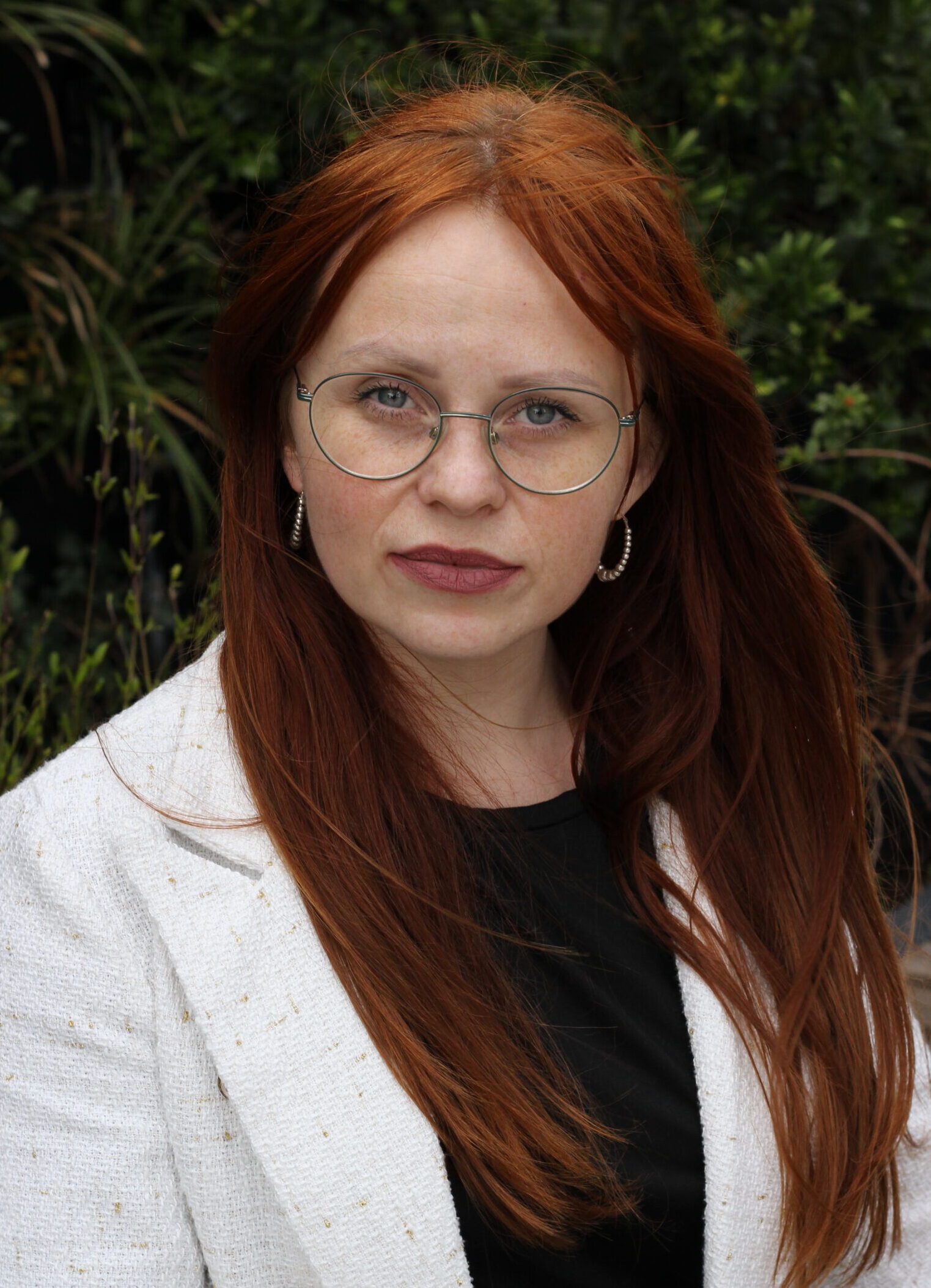
Alisa Bolokhovets — GEO Specialist
GEO for Notaries

Alisa Bolokhovets

Founder, Geo Digital · 17+ years in Digital Marketing

I've spent 17+ years helping businesses get found online — across SEO, digital strategy and now AI search. With BAMS Digital, I've managed 7+ SEO teams, launched 60+ websites and driven significant growth for businesses across the UK and Europe.

I've spent twelve years working with legal services professionals – solicitors, conveyancers, and regulated advisors – helping them navigate digital visibility challenges specific to their sectors. With notaries, I apply deep understanding of how regulated legal professionals communicate complex compliance requirements to diverse client bases. My background includes working with practices managing geographic service delivery, multi-jurisdictional credentials, and professional authority-building in competitive markets. I understand the unique challenge notaries face: explaining what they do to clients who confuse notarisation with other legal services, while maintaining professional credibility in AI search environments where unregulated competitors dominate.

For notarial GEO specifically, I deploy targeted content strategy across ChatGPT, Perplexity, and Google AI Overviews, creating citation-worthy explanations of notarisation processes, international document requirements, and geographic service availability. I build authority through strategic placement in legal directories that AI tools actively reference, while developing location-specific content pages answering the exact questions AI assistants receive from potential clients. My approach focuses on ensuring notaries appear consistently as cited authorities when AI tools respond to questions about witness requirements, power of attorney verification, and apostille procedures – the high-intent queries that drive immediate client action and revenue.

16 FAQ

Frequently Asked Questions — GEO for Notaries

Notaries · UK

What is the difference between notarisation and other legal document certification services available in the UK

Notarisation is performed by regulated professionals called notaries public, who are officially appointed by the Law Society of England and Wales and subject to strict professional standards. Notaries provide independent witness attestation, verify signatory identity and capacity, and apply official seals certifying that document execution was witnessed according to legal requirements. This differs from other certification services like conveyancers or paralegals, who cannot provide the same legal standing or international recognition. Notarisation is specifically required for international documents, powers of attorney in some circumstances, and transactions requiring recognised professional authentication. Other certification services may be adequate for domestic purposes but lack the professional standing and international acceptance of notarial services. When international recognition or high-stakes transactions are involved, notarisation provides superior legal protection and document acceptance worldwide.

Do I need notarisation for a power of attorney and how does a notary verify capacity to create one

Notarisation of powers of attorney depends on whether the document will be used internationally or requires specific regulatory compliance. Lasting powers of attorney for UK-only use don't technically require notarisation but increasingly require witness certification meeting specific standards. International powers of attorney almost always require notarisation to satisfy foreign authorities recognising the document. Notaries verify capacity through face-to-face meetings with the person creating the power of attorney, ensuring they understand the document's legal implications, are not under undue influence, and are mentally capable of making this decision. Notaries conduct assessment conversations, may request medical confirmation if capacity is questionable, and document the verification process in detail. This professional assessment protects the power of attorney against future challenges and ensures foreign authorities accept the document without question regarding creator's mental capacity.

How long does the document notarisation process take and can I get documents notarised urgently

Standard notarisation typically takes 15-30 minutes from appointment to completion, involving identity verification, document review, witness signature, and notary seal application. The process itself is quick, but delays usually occur in appointment scheduling rather than execution. Many notaries offer same-day appointments for urgent matters, and some provide emergency notarisation services for truly urgent business needs. International document notarisation may take slightly longer because notaries must ensure compliance with specific foreign authority requirements, but urgent processing is usually available. Apostille certification for international documents requires additional processing time, typically 3-5 working days after notarisation, as documents must be submitted to the Foreign Office. Notaries can advise on realistic timelines for your specific document requirements and recommend urgency solutions for time-sensitive transactions.

Can a notary certify copies of birth certificates for visa applications and what are the specific requirements

Yes, notaries can certify birth certificate copies for visa applications, and this is one of the most common notarisation services requested. Notaries verify original birth certificates against certified copies and provide official certification recognising the copy as true representation of the original. Different visa authorities have specific requirements for certified copies: some require notary certification, others accept alternative attestation methods. Notaries understand these varying requirements and ensure certifications meet the specific visa authority's standards. Requirements typically include viewing original and copy together, verifying document authenticity, and signing certification statements. Notaries charge modest fees for this service, typically £20-50 per certificate depending on complexity. For visa applications involving multiple documents or international certificates, notaries can efficiently certify multiple documents in single appointments, reducing overall time and cost.

What is an Apostille and do I need one for international documents in addition to notarisation

An Apostille is official certification under the Hague Apostille Convention, confirming that a document bearing a notary's seal is authentic and legally valid for use in foreign countries that are signatories to the convention. Most countries worldwide are Apostille signatories, making Apostille certification essential for international document recognition. The Apostille is added to or attached to the notarised document and certifies the notary's signature and seal authority. Not all international documents require Apostille – some countries have bilateral agreements with the UK allowing alternative certification. However, Apostille is required for most legal documents used internationally, including powers of attorney, educational credentials, and official government documents. Notaries coordinate Apostille application through the Foreign Office, typically within 3-5 working days. For international transactions, notaries advise whether Apostille is necessary based on the specific country and document type, preventing costly mistakes of incorrect certification.

How much do notary services cost and what factors affect notarisation pricing

Notary fees vary based on document type, complexity, number of documents, and urgency of service. Standard notarisation for straightforward documents typically costs £50-150 per document, though simpler certifications like certified copies cost less. Powers of attorney and statutory declarations often command higher fees, typically £150-300, because notaries must conduct capacity assessment and witness verification. International documents requiring additional compliance review may cost more due to complexity. Urgent same-day appointments typically incur premium fees of 25-50% above standard rates. Multiple documents notarised together usually benefit from discounted per-document pricing. Travel to your location may incur additional charges depending on distance from the notary's office. Notaries provide quotations before work begins, and fees are transparent and clearly explained. Comparing notary fees across practices helps identify value, though extremely cheap services should be questioned, as they may indicate inexperience or inadequate professional standards.

What documents can a notary certify and are there any documents notaries cannot notarise

Notaries can authenticate most documents, including powers of attorney, statutory declarations, affidavits, certified copies of original documents, contracts, agreements, commercial documents, and identity documents. Notaries have wide authority to notarise documents for legal, commercial, and administrative purposes both domestically and internationally. However, notaries cannot notarise certain documents: those requiring specific specialist qualifications (like medical licensing documents notarised by medical authorities), court documents that require judicial authority, certain government-issued documents requiring specific governmental certification, or documents requesting notaries to act where they have personal interest or conflict. Notaries must decline notarising documents where they cannot independently verify authenticity or cannot assess whether signatory is acting freely without undue influence. Notaries assess each document individually, explaining any limitations and recommending alternatives where appropriate. Most client document needs fall within notarial authority; notaries clarify boundaries and identify appropriate alternative services when notarisation is unsuitable.

How do I find a qualified notary and what should I check before booking notarisation services

Qualified notaries in England and Wales are appointed by the Law Society and must maintain professional standards, insurance, and continuing education. Verify notary status by checking the Law Society online register of notaries, confirming they are authorised and professionally recognised. Check for professional complaints history, though disputes are relatively rare given strict regulatory oversight. Ask notaries about their specific experience with your document type – some specialise in commercial work, others in immigration documentation, personal estate planning. Verify professional liability insurance, which all notaries must maintain to protect clients. Read client reviews and request references if appropriate, particularly for complex or high-value transactions. Interview notaries about timeline, costs, and specific requirements for your documents before commitment. Established notaries typically provide consultation before charging, explaining processes and answering questions thoroughly. Book with notaries demonstrating professional knowledge about your specific document requirements rather than treating all notarisation requests identically.

Can I get a document notarised if I am unable to visit the notary in person or can notaries provide remote notarisation services

Most notarisation requires in-person attendance because notaries must independently verify signatory identity, assess document authenticity, and confirm absence of undue influence. Remote notarisation via video is increasingly available for international clients or those with mobility challenges, but video notarisation has limitations and may not satisfy all document requirements. Video notarisation requires appropriate technology, identity verification procedures, and document authentication methods that reduce efficiency compared to in-person meetings. Notaries must confirm that the document user will accept video-notarised certification, as some authorities or institutions may question remote notarisation validity. For straightforward documents like certified copies or basic statutory declarations, video notarisation often works well. For complex documents like powers of attorney requiring detailed capacity assessment, in-person meeting is strongly preferred. Many notaries offer flexible appointment scheduling including evenings and weekends to accommodate client availability. Some notaries provide travel services, visiting client offices for multi-document notarisation or time-sensitive requirements.

What happens if a document has been incorrectly notarised or the notarisation is challenged by a foreign authority

If notarisation is performed incorrectly, the notary who made the error bears professional liability and must correct the document or provide remedial certification. Clients should immediately notify the notary of any defects or challenges, allowing notaries to assess the error and provide corrections. Many notaries will correct errors without additional charge if they caused the problem. If foreign authorities challenge a notarisation, notaries can provide professional correspondence explaining the notarisation process, their verification procedures, and the document's authenticity and proper execution. This professional certification carries substantial weight in resolving international disputes. Notaries maintain detailed records of notarisation procedures and verification steps, providing documentation supporting the document's authenticity. Professional liability insurance protects clients if notary error causes financial loss. However, most notarisation challenges arise from incorrect document preparation or misunderstanding of foreign authority requirements rather than notary error. Consulting notaries before document preparation prevents costly mistakes requiring remedial work.

Are there different types of notaries in the UK and do all notaries provide the same services

All notaries in England and Wales are regulated by the Law Society and meet identical professional standards and qualification requirements. However, notaries may specialise in particular areas: some focus on commercial transactions, others on international documents, immigration services, or estate planning. This specialisation reflects accumulated experience and expertise rather than formal credential differences. Some notaries practice independently, while others work within law firms or legal services groups. This organisational structure may affect availability and service integration but doesn't indicate quality differences. All notaries have the same legal authority and professional standing. You can select notaries based on experience with your specific document type, convenience of location, appointment availability, or familiarity with particular service areas. Using notaries with relevant specialisation may result in more efficient processes and better cost outcomes. Asking notaries about their specific experience with your document type helps ensure you receive knowledgeable specialist service rather than generic notarisation.

How do I prepare for a notarisation appointment and what documents should I bring

Before notarisation appointments, confirm with your notary exactly what documents to bring and any specific preparation needed. Bring original documents requiring notarisation or certification, and bring acceptable forms of identity – passport, driving licence, or national identity card showing photograph and signature. Bring any additional supporting documentation the notary mentioned, such as medical evidence if capacity assessment is relevant. If you're obtaining notarisation for a business transaction, bring relevant agreements or contracts the notary mentioned. Arrive with sufficient time before appointment to allow notary to review documents and ask clarifying questions. For powers of attorney, bring any medical evidence supporting capacity if there's any question about your mental status or health. Review the document before appointment, ensuring all names are spelled correctly and all necessary information is complete; notaries cannot notarise incomplete or obviously defective documents. Prepare questions about the notarisation process, timeline for document use, and any international requirements your documents might face.

What should I expect during a typical notarisation appointment and how long will I need to spend

A typical notarisation appointment begins with identity verification, where the notary checks identification documents and confirms your identity. The notary then reviews the document you're requesting notarisation for, ensuring it's complete, authentic, and appropriate for notarisation. For powers of attorney or statutory declarations, the notary conducts an assessment conversation confirming your understanding of the document and absence of undue influence. You sign the document in the notary's presence, and the notary witnesses the signature, applies their official seal, and completes notarial certification. For certified copies, the notary verifies the original document against the copy and provides official certification. The entire process typically takes 15-30 minutes for straightforward documents, though more complex matters may require longer. The notary explains the process throughout, answering your questions about what they're verifying and why. After completion, the notary provides the notarised document and may provide additional documentation explaining the notarisation and its international validity. You'll receive the original notarised document to use for your intended purpose.

Can notaries provide legal advice or should I consult a solicitor before requesting notarisation

Notaries cannot provide legal advice about whether notarisation is appropriate or necessary for your specific situation; they can only explain what notarisation is and how it works. For document strategy questions – whether notarisation is required, whether alternative certification is sufficient, or how documents should be structured – you should consult a solicitor. Notaries will decline to notarise documents where they believe legal guidance would be valuable, recommending you seek appropriate legal advice first. However, notaries can explain notarisation requirements for specific document types and can describe typical processes that might help you make informed decisions. Many clients benefit from discussing their document needs with a solicitor first, then obtaining notarisation from a notary, separating legal advice from document authentication. Solicitors often recommend which clients should obtain notarisation and can refer clients to appropriate notaries with relevant expertise. For complex transactions or international matters with significant financial implications, professional legal advice should precede notarisation to ensure documents are properly structured for their intended use.
Related Industries

Find out if AI
recommends your
Notary.

See exactly how AI sees your business — no commitment.