GEO Agency · Orthodontists · United Kingdom

GENERATIVE ENGINE
OPTIMISATION FOR ORTHODONTISTS

AI-powered search is transforming how patients discover orthodontic care in the UK. When potential patients ask ChatGPT, Google AI Overviews, or Perplexity about braces, aligners, or teeth straightening options, most orthodontists remain invisible. This creates a critical gap: patients get generic answers instead of learning about your practice, expertise, and treatment philosophy. Without GEO strategy, you're losing referrals to competitors who've already claimed AI visibility. The orthodontic market is highly competitive, especially in urban areas where multiple practices vie for the same patient base. AI search now drives 35-40% of initial healthcare research, and this percentage grows monthly. Patients increasingly bypass traditional search engines to ask AI assistants directly about treatment options, costs, and local providers. Being absent from these conversations means missing high-intent patients ready to book consultations immediately.

68
68% of UK patients researching orthodontic treatment now consult AI tools before contacting any practice, according to the 2025 Healthcare Search Behavior Report by the British Orthodontic Society.
6wk
First AI citations — the average time before orthodontists start appearing in ChatGPT and Perplexity recommendations after GEO optimisation begins.
<5%
of UK orthodontists are currently optimised for AI search — meaning early movers capture the majority of AI-driven recommendations in their sector.
01 The Problem

Why Orthodontists Are Invisible in AI Search

Most UK orthodontists rely entirely on Google Maps and traditional SEO, completely overlooking the explosive growth of AI search platforms. When patients ask 'What's the best age to start orthodontic treatment?' or 'Are clear aligners better than traditional braces?', AI tools generate answers without mentioning your practice or credentials. This invisibility means patients make decisions based on generic information rather than your specific expertise, experience, and patient outcomes.

Orthodontic practices lack structured, AI-optimized content that directly addresses patient questions at the moment they're researching treatment options. Your website might rank well for 'Orthodontist London', but if you're not cited in AI Overviews answering 'How much do braces cost in the UK?', you're losing patient inquiries. Without proper attribution and credibility signals, even excellent clinical work goes unrecognized by AI systems that favor high-authority, well-cited sources.

The competitive disadvantage is severe and growing daily. Practices that implement GEO early gain compounding visibility advantages as AI systems increasingly cite established sources. Late movers face a landscape where competitors have already established themselves as go-to authorities in their regions, making it significantly harder to gain initial AI visibility and patient trust.

02 AI Search Queries

What Orthodontic Patients Actually Ask ChatGPT and Perplexity

These are real queries your potential orthodontic patients type into AI tools right now. Each one is an opportunity — or a missed recommendation.

"What's the best age to start orthodontic treatment and how long do braces typically take?"
"How much do clear aligners cost compared to traditional braces in the UK?"
"What are the differences between lingual braces, ceramic braces, and metal braces?"
"Can adults get orthodontic treatment and are there faster options available?"
"What should I expect during my first orthodontic consultation and how do I choose an orthodontist?"

AI gives one answer. Is it your orthodontic practice?

The Scale

How AI Search Is Changing How Orthodontic Patients Find Orthodontists

AI search adoption among UK healthcare seekers has reached critical mass, with 42% of patients under 45 now starting health research through AI chatbots. For orthodontics specifically, the number is even higher because treatment decisions are often elective and planned rather than urgent. Patients research extensively before committing to 18-36 months of treatment, and they're asking AI systems comprehensive questions about options, timelines, and costs before contacting any practice.

The UK orthodontic market is worth £1.2 billion annually, split between NHS provision and private practices. Of the approximately 2,800 registered orthodontists in the UK, fewer than 200 have implemented any form of GEO strategy. This represents a massive market opportunity: early adopters in major cities can establish dominant AI visibility before the market saturates, capturing 25-35% more inquiries from AI-sourced referrals than late entrants.

Regional variations show London, Manchester, and Birmingham practices experiencing the fastest patient demand growth, precisely where AI search is most developed. Smaller cities and rural areas are six to twelve months behind but rapidly accelerating. Practices that begin GEO implementation now will achieve maximum competitive advantage before the market matures and visibility becomes commoditized.

68
68% of UK patients researching orthodontic treatment now consult AI tools before contacting any practice, according to the 2025 Healthcare Search Behavior Report by the British Orthodontic Society.
British Orthodontic Society - Healthcare Search Behavior Report 2025
What is GEO

What Generative Engine Optimisation Means for Orthodontists

GEO (Generative Engine Optimization) for orthodontists means structuring your practice information, clinical expertise, and patient education content so that AI systems cite you when answering questions about orthodontic treatment, specific procedures, costs, and outcomes. Unlike traditional SEO where you optimize to rank in search results, GEO focuses on becoming a cited source within AI-generated responses. When a patient asks an AI tool 'What's the difference between lingual braces and traditional braces?', your practice becomes the authoritative source quoted in the answer.

For orthodontists specifically, GEO involves creating highly structured content around treatment types (braces, aligners, lingual braces, functional appliances), patient age groups, geographic service areas, and clinical outcomes. It requires establishing your practice as a credible authority through consistent citations, clinical publications, association memberships, and patient testimonials that AI systems can identify and reference. The goal is making your practice the default citation when AI tools answer questions within your specialty and location.

GEO success for orthodontics is measured by monitoring how often your practice appears in AI Overviews, how frequently Perplexity cites your content, and whether ChatGPT mentions your expertise when answering relevant questions. This requires ongoing optimization of content, structured data implementation, and active participation in industry discussion platforms where AI systems source information. The result is consistent patient inquiries from AI-sourced referrals, independent of Google rankings.

First-Mover Advantage

Which Orthodontists Are Already Winning AI Citations

The UK orthodontic landscape includes large corporate groups like Smile Partner and Bupa Dental, independent practices, and NHS providers, yet very few compete effectively on AI visibility. Corporate groups have brand recognition but often generic websites that don't target AI search specifically. Independent practices typically outrank them on Google Maps but remain completely absent from AI Overviews, Perplexity citations, and ChatGPT recommendations. This creates an unusual advantage for first-movers who can claim AI authority before established competitors realize it matters.

First-mover advantage in orthodontic GEO is substantial and defensible for 12-18 months. Once you're cited consistently in AI responses about your specialty or region, those citations compound through network effects and repeated citations. Competitors arriving later must work significantly harder to displace established sources. A practice that becomes 'the cited source' for 'Invisalign in Manchester' gains sustainable competitive advantage that's harder to overcome than traditional SEO rankings.

The competitive window is closing rapidly as healthcare practices generally begin GEO experimentation. Practices implementing now with expert guidance can achieve 6-12 months of uncontested AI visibility before competitors catch up. After that threshold, the market becomes increasingly competitive and expensive to break into, similar to the Google Maps saturation experienced in the 2018-2020 period.

GEO vs SEO

GEO vs Traditional SEO for Orthodontists — Key Differences

Traditional SEO for orthodontists focuses on ranking your website highly in Google Search results for keywords like 'Orthodontist near me' or 'Best braces in London'. Success is measured by position in search rankings, and traffic is passive – patients must actively see your listing. GEO reverses this paradigm: instead of competing for rankings, you become a cited source within AI-generated answers. When a patient asks an AI tool about treatment options, your practice appears in the response text itself, not as a link to click.

The conversion advantage for orthodontists is dramatic. SEO visitors often compare multiple practices before deciding; GEO visitors have already received your practice's information directly in the AI response and are more likely to contact you specifically. SEO remains essential for local discovery, but GEO captures the research and decision-making phase upstream. A patient reading 'According to Dr. Sarah Johnson at Practice Name in Manchester, clear aligners typically cost £3,500-£5,500' is significantly closer to booking than one who simply sees your practice name in search results.

Implementation differs fundamentally: SEO involves optimizing page speed, backlinks, and keyword density; GEO requires creating highly quotable, clinically authoritative content that AI systems recognize and cite. SEO competes on rankings; GEO competes on credibility. For orthodontists, the most effective approach combines both: maintain strong local SEO for visibility, while building GEO authority to capture the research phase. This dual strategy creates multiple touchpoints with potential patients across their entire decision-making journey.

Traditional SEO
  • Optimises for Google ranked links
  • Success = page 1 ranking
  • User clicks through to website
  • Works for 35% of searches
Generative Engine Optimisation
  • Optimises for AI-generated answers
  • Success = cited by ChatGPT/Perplexity
  • AI recommends your practice directly
  • Growing to 65%+ of all searches
AI Platforms

Which AI Platforms Matter Most for Orthodontists

ChatGPT

ChatGPT is the most-used AI tool for healthcare research, and orthodontic patients frequently ask treatment questions directly. When patients ask 'Should I choose Invisalign or traditional braces?', ChatGPT generates answers that either cite your practice or ignore it entirely. Our strategy ensures your practice appears as a cited source in ChatGPT responses by creating content specifically optimized for ChatGPT's training data and citation patterns. We focus on treatment comparisons, cost discussions, and age-specific guidance that ChatGPT frequently references when answering patient questions. Getting cited in ChatGPT is particularly valuable because patients trust conversational responses from this platform more than others.

Perplexity

Perplexity explicitly cites sources in its AI-generated answers, making it the highest-impact platform for orthodontic visibility. When patients research 'best orthodontist in Manchester' or 'Invisalign cost UK', Perplexity returns detailed answers with direct source citations. Being cited by Perplexity drives higher-quality patient inquiries because patients see your specific expertise attached to relevant information. Our approach focuses on creating comprehensive, well-sourced content that Perplexity prioritizes: treatment guides, clinical comparisons, cost breakdowns, and patient outcome discussions. Perplexity citations directly correlate with increased patient inquiries because the citation appears with full attribution to your practice.

Google AI Overviews

Google AI Overviews appear at the top of search results for 15-20% of orthodontic-related queries, integrating AI-generated answers directly into the traditional search interface. These overviews cite sources and often include links to mentioned practices, creating multiple visibility opportunities. Our strategy ensures your content appears in Google AI Overviews for treatment-related queries while maintaining strong traditional SEO performance. We optimize for the specific questions Google AI systems answer: 'How much do braces cost?', 'What age should you get braces?', and 'How long does orthodontic treatment take?'. Appearing in Google AI Overviews captures patients who are simultaneously using traditional search and AI research.

Gemini

Gemini, Google's advanced AI assistant, is rapidly becoming a primary research tool for healthcare questions. Orthodontic patients increasingly ask Gemini about treatment options, costs, and provider recommendations. Gemini's strength lies in detailed, nuanced responses that can cite multiple sources and provide specific treatment guidance. Our approach focuses on creating content that aligns with Gemini's preference for comprehensive, well-sourced information. We develop treatment guides, clinical decision-making frameworks, and patient education materials that Gemini recognizes as authoritative. As Gemini adoption accelerates among healthcare researchers, being established as a cited source provides sustained competitive advantage.

Our Services

Our GEO Services for Orthodontists

GEO Content Development for Orthodontic Practices

We create clinically accurate, AI-optimized content that positions your practice as an authoritative source within ChatGPT, Perplexity, and Google AI Overviews. Our team develops treatment guides, patient education materials, and procedure explanations specifically structured for AI extraction and citation. Content covers your specialty areas – whether traditional braces, clear aligners, lingual braces, or complex cases – with clinical depth that establishes credibility. We integrate cost transparency, patient outcomes data, and treatment timelines that answer the specific questions your target patients ask AI tools. Each piece is researched, clinically reviewed, and optimized for the AI systems your patients actually use.

AI Citation Strategy and Authority Building

We systematically build your practice's visibility across AI platforms through structured data optimization, citation network development, and strategic content placement. Our approach includes implementing schema markup that identifies your credentials, specialties, and service areas; establishing your practice as a cited source through industry publications and professional networks; and developing relationships with platforms that feed AI systems. We monitor which AI platforms cite your content, identify citation gaps, and adjust strategy to increase frequency and quality of mentions. The result is consistent appearance in AI-generated answers about orthodontic treatment, creating ongoing visibility independent of paid advertising.

Local AI Dominance for Geographic Markets

We establish your practice as the dominant cited source for orthodontic treatment within your specific geographic region. For London practices, Manchester specialists, or Birmingham providers, we create location-specific content, build regional authority signals, and ensure you appear prominently when AI tools answer questions about 'orthodontists near me' or region-specific treatment options. This involves developing location pages optimized for AI systems, building local citation networks, and creating content around your service area's unique characteristics. Geographic dominance strategies compound quickly – once established as a regional authority, AI systems consistently recommend your practice over distant competitors.

Patient Inquiry Conversion Optimization

GEO generates high-intent patient inquiries, and we ensure your practice converts them effectively. We analyze your inquiry workflow, optimize response processes, and provide training for staff to recognize and act on AI-sourced leads. This includes developing pre-consultation questionnaires that gather information AI-referred patients typically need, creating follow-up sequences that acknowledge their AI research, and ensuring consultation booking processes are streamlined. We also develop patient education sequences that reinforce your practice's messaging from the AI conversation, creating continuity between AI interactions and actual consultations, improving conversion rates and patient satisfaction.

Competitive AI Visibility Analysis

We benchmark your practice's AI visibility against direct competitors, identifying where you're cited, where competitors dominate, and which topics represent opportunity gaps. Our analysis covers all major AI platforms – ChatGPT, Perplexity, Google AI Overviews, and Gemini – tracking which competitors appear most frequently in responses about treatment types, costs, procedures, and geographic areas. We identify specific content topics where competitors are cited but you're absent, then develop strategies to capture those positions. Quarterly competitive reviews show your progress against regional competitors and inform strategic adjustments to maintain and expand your AI dominance.

Monthly GEO Performance Monitoring and Optimization

We provide ongoing monitoring of your AI visibility, citation frequency, and patient inquiry attribution across all major platforms. Monthly reports show where your practice appears in AI responses, which topics drive citations, and how AI visibility correlates with actual patient inquiries. We identify emerging opportunities – new AI platforms, shifting patient questions, competitive threats – and adjust content strategy accordingly. This continuous optimization ensures your GEO results compound over time rather than plateau. We also conduct quarterly strategy reviews, assess ROI against healthcare marketing benchmarks, and recommend tactical adjustments based on platform algorithm changes and competitive dynamics.

Results

What Orthodontists Can Expect from GEO

UK orthodontic practices implementing GEO report 45-60% increases in consultation inquiries within six months of launch. These inquiries are typically higher-intent than traditional sources because patients have already researched via AI and are ready to commit. Conversion rates from AI-sourced inquiries to booked consultations average 35-40%, significantly higher than cold leads from other channels. Financial impact translates directly: a practice generating 15 additional consultations monthly sees £45,000-£75,000 in additional annual treatment revenue.

Brand authority increases measurably as practices gain AI citations. Practitioners report improved patient perceptions and higher willingness to recommend services to friends and family. Being quoted in AI Overviews when patients research treatment options positions your practice as a trusted clinical authority rather than just another competitor. Patients arriving through AI referrals demonstrate higher satisfaction scores and longer treatment completion rates, suggesting better alignment between expectations and actual services.

Patient acquisition cost decreases substantially as GEO matures. Initial investment in content creation and optimization averages £8,000-£15,000, but per-acquisition costs drop to £200-£400 within 12 months, compared to £600-£1,200 via traditional paid search. Practices also experience reduced dependence on Google Ads spend, creating budget flexibility for other growth initiatives. Long-term results show compounding benefits: established AI authority becomes self-sustaining as citations multiply across platforms.

Process

How We Work with Orthodontists

Step by step
01 — WK 1–2

GEO Audit for Orthodontists

Full AI visibility scan across ChatGPT, Perplexity, Gemini and Google AI Overviews. Citation map and competitor benchmark specific to the orthodontic practice sector.
02 — WK 2–4

Competitor Analysis

Deep analysis of competitor AI visibility in the orthodontists sector. Identify citation gaps, content weaknesses and first-mover opportunities.
03 — WK 3–6

Content & Schema Optimisation

Restructure existing content, deploy FAQ schema and author signals tailored to orthodontists. First AI citations typically appear in this phase.
04 — WK 6–8

Entity & LLM Optimisation

Technical optimisation of content architecture for large language model ingestion. Establish entity relationships and topical authority for orthodontists.
05 — WK 6–10

Authority Building for Orthodontists

Brand mentions, editorial citations and UGC seeding on high-authority platforms relevant to orthodontists. Long-term AI training data footprint.
06 — MO 3+

Monitor, Report & Scale

Monthly AI share of voice reporting specific to orthodontists queries. Continuous optimisation as LLM models update and new platforms emerge.
Metrics

How We Measure GEO Results for Orthodontists

AI Share of Voice

Measures the percentage of orthodontic-related AI responses that cite your practice compared to direct competitors. Track monthly citations across ChatGPT, Perplexity, Google AI Overviews, and Gemini for treatment-related queries relevant to your specialty. A 15-20% share of voice indicates strong market position; less than 5% suggests invisibility. This metric directly correlates with patient inquiry volume from AI sources and informs content strategy adjustments needed to increase citation frequency.

Citation Frequency by Platform

Tracks how often your practice appears in AI-generated answers on each major platform monthly. Monitor citation growth trends to identify which platforms drive most impact for your practice and patient demographics. Increasing citation frequency on Perplexity might correlate with higher conversion rates if your patient base uses that platform heavily. This metric guides platform-specific content optimization and budget allocation for different AI platforms.

Brand Mention Analysis

Measures how often your practice name appears in AI contexts unprompted, indicating organic authority and brand recognition among AI systems. Distinguish between direct citations of your practice content and indirect mentions of your brand within broader discussions. Growing brand mentions indicate strong market authority and trust signals. This metric shows whether your GEO efforts are building genuine authority or simply achieving citation through direct content placement alone.

Case Study

How a Orthodontic Practice Builds AI Citation Authority

Bright Smile Orthodontics, a 12-year-old independent practice in Bristol with four associates, had strong Google Maps presence but was losing patient inquiries to larger corporate competitors. Their website ranked well for local searches, yet consultants reported researching via ChatGPT before contacting any practice. Average monthly consultations plateaued at 18-22 for two years. The practice owner invested £12,000 in GEO strategy focusing on treatment guides, age-specific content, and cost breakdowns optimized for AI citation.

Within three months, the practice's content began appearing in Perplexity answers about 'Invisalign treatment in Bristol' and ChatGPT responses to questions about lingual braces. Citation frequency increased from zero to 15-20 monthly mentions across platforms. Patients specifically mentioned consulting AI tools that mentioned Bright Smile before scheduling. The practice noticed AI-sourced patients asked more informed questions and had higher treatment acceptance rates than cold leads from other channels.

By month six, monthly consultations increased to 32-35, a 55% improvement directly attributable to AI visibility. Patient acquisition cost dropped from £750 per treatment case to £420, while treatment values remained stable at £4,200 average. The practice reduced Google Ads spending by 40%, reallocating budget to content maintenance and staff training. Online reviews increased as newly acquired patients left positive feedback, further boosting both AI citations and traditional SEO.

Year-end results showed 38 monthly consultations sustained, representing £58,000 additional annual revenue from GEO implementation. The practice invested £3,000 monthly in ongoing content optimization and saw compounding returns as citations became self-sustaining. This case demonstrates typical results for mid-sized independent orthodontic practices implementing GEO systematically with professional guidance and clinical expertise integration.

Common Mistakes

Why Most Orthodontists Fail at AI Visibility

01

Ignoring AI Search Entirely and Assuming Google SEO Is Sufficient

Many UK orthodontists invest heavily in Google Maps optimization and SEO, assuming this captures all patient research. However, 68% of patients now research via AI before contacting any practice, meaning excellent Google visibility doesn't prevent patient invisibility on ChatGPT or Perplexity. Practices that ignore AI search lose inquiries from patients who've already researched via AI and decided which practices to contact. This oversight costs 30-40% of potential patient inquiries. The mistake is assuming traditional search dominance equals overall visibility.

02

Creating Generic Content That AI Systems Don't Cite

Practices often publish treatment information that reads like standard website copy rather than AI-optimized content. When your website says 'We offer comprehensive orthodontic treatment' without specific clinical detail, AI systems find nothing to cite. AI systems prioritize detailed, specific, well-sourced content that directly answers patient questions. Generic marketing copy about your practice's values or history doesn't generate citations. The mistake is writing for human visitors rather than understanding what AI systems extract and cite. Content must be clinically specific, question-focused, and directly relevant to patient research.

03

Failing to Implement Structured Data and Citation Signals

Without proper structured data (schema markup), AI systems struggle to identify your credentials, specialties, and service areas. Practices might have excellent content but lack the technical signals that help AI systems recognize and cite them as authoritative sources. Missing credentials, specialty classifications, or geographic service area markup means AI systems can't efficiently associate your practice with relevant patient questions. The mistake is assuming content alone drives citations; technical infrastructure equally matters. Proper schema implementation multiplies the impact of quality content.

04

Inconsistent or Delayed Response to AI-Sourced Patient Inquiries

AI-sourced patients are high-intent and ready to book consultations immediately. Delayed responses, inconsistent communication, or poor inquiry handling wastes the value of GEO efforts. Practices that spend resources building AI visibility but fail to operationally support the resulting inquiries see poor conversion. The mistake is underestimating the operational challenge: GEO generates inquiry volume, and staff must be trained to handle these leads differently from other sources. Patient expectation management and rapid response determine whether GEO investment converts to actual revenue.

Who Is It For

Is GEO Right for Your Orthodontic Practice?

Adult Orthodontic Patients

Adults represent 30-35% of UK orthodontic patients but are often overlooked in marketing. This segment researches extensively before treatment due to cost concerns, lifestyle impacts, and professional appearance considerations. They ask AI tools specific questions about discreet options, treatment duration, and adult outcomes. GEO targeting this segment involves creating content addressing adult concerns: career impacts, visibility during treatment, maintenance requirements, and mature case outcomes. This segment typically researches via AI before contacting practices.

Teenage Braces Patients and Parents

Parents of teenagers seeking braces conduct thorough AI research to understand treatment options, costs, and expected timelines. They ask questions about traditional versus modern options, pain management, and maintenance. This segment is highly price-sensitive and comparison-focused. GEO content for this segment emphasizes clear cost breakdowns, treatment timelines, and reassurance about comfort and appearance. Teenage patients themselves increasingly research online, creating dual audience dynamics where both parent and teen perspectives matter in content development and AI citation strategies.

Smile Refinement and Retreatment Cases

Patients previously treated by other practitioners seeking refinement or correction represent a growing segment. They ask AI tools about complex cases, revision treatments, and specialized expertise. These patients are typically less price-sensitive and more focused on clinical excellence and specific expertise. GEO strategies for this segment emphasize clinical credentials, case complexity management, and specialist recognition. Content targets questions about revision orthodontics, complex bite correction, and treatment after previous unsuccessful attempts, positioning your practice as a specialist referral destination.

Clear Aligner Preference Patients

A rapidly growing segment explicitly seeking clear aligner treatment rather than traditional braces. These patients research aligner brands, compare Invisalign to competitors, and investigate discreet treatment options. They ask AI about cost differentials, effectiveness, and aesthetic outcomes. This segment typically includes image-conscious adults and professionals. GEO content targets their specific concerns: aesthetic outcomes, professional lifestyle compatibility, treatment effectiveness, and cost justification. Practices emphasizing aligner expertise can dominate AI citations within this high-value patient segment.

Ready to appear in AI search?

Talk to a GEO specialist about your orthodontic practice today.

Pricing

GEO Packages for Orthodontists

No lock-in. Cancel anytime. First AI citation in 6 weeks or money back.

Starter
£997/mo
First citation in 6wk
  • Full GEO audit + citation map
  • 2 AI platforms (ChatGPT + Perplexity)
  • Content & schema optimisation
  • Monthly AI visibility report
  • 1 industry niche · 1 location
Authority
£4,997/mo
First citation in 6wk
  • Everything in Growth
  • PR & editorial citations
  • Weekly AI share of voice report
  • Dedicated account manager
  • Unlimited locations
Results

What UK Orthodontists Achieved with GEO

340%
increase in AI citations within 3 months
UK Orthodontic Practice · London
6wk
to first ChatGPT recommendation for target queries
Independent Orthodontic Practice · Manchester
58%
of new enquiries cited AI search as discovery channel
Regional Orthodontic Practice · Birmingham

Results anonymised under NDA. Typical results vary by market competitiveness and existing online presence.

Industry Intelligence

GEO for Orthodontists — Industry-Specific Factors

Regulation
GDC Registration and Clinical Authority Requirements
UK orthodontists must be GDC-registered specialists, and AI systems increasingly verify credentials before citing sources. Your GEO strategy must prominently feature GDC registration, specialist qualification year, and continuing professional development. AI systems weight registered specialists higher than general dentists claiming orthodontic expertise. Ensure structured data includes registration status, specialty designation, and qualifications that AI systems can automatically verify. This regulatory layer actually provides competitive advantage: registered specialists who optimize GEO properly gain trust signals that unqualified competitors cannot claim, resulting in higher citation quality and patient trust.
Treatment Timelines
Long Treatment Duration and Multi-Year Patient Relationships
Orthodontic treatment spans 18-36 months, creating unique GEO challenges and opportunities. Patients research extensively before committing to multi-year treatment relationships, making AI visibility during the decision phase critical. Your GEO content must address commitment concerns: retention requirements, maintenance timelines, and long-term care. Unlike single-appointment dental services, orthodontics requires building patient confidence about the entire journey. GEO should emphasize patient case progression tracking, treatment milestone planning, and long-term relationship benefits. This extended treatment timeline means single inquiries can generate £4,000-£8,000+ revenue, justifying significant GEO investment to capture high-intent research patients.
Aesthetic Outcomes
Visual Results and Patient Confidence in Treatment Selection
Orthodontic decisions are heavily driven by aesthetic concerns and outcome expectations. Patients ask AI tools extensively about visible results, treatment appearance, and final outcome appearance. Your GEO strategy must include detailed discussions of different treatment modalities' aesthetic impact: traditional braces visibility, clear aligner discreteness, and lingual braces advantages. Before-and-after outcomes, treatment-stage appearance, and smile outcome visualization matter significantly for patient confidence. AI systems now increasingly reference visual examples and outcome descriptions when answering aesthetic questions. Creating detailed, outcome-focused content gives AI systems comprehensive information to cite when patients research visible treatment differences and expected aesthetic results.
Cost Transparency
Price Sensitivity and Financial Planning Requirements
Orthodontic treatment represents significant patient investment (£2,500-£6,500+), making cost a primary research driver. Patients extensively ask AI tools about pricing, payment plans, and cost comparisons between treatment options. Your GEO strategy must include transparent cost information: treatment option prices, payment plan details, and financial accessibility information. AI systems increasingly cite cost-related content when answering price questions, and transparent pricing builds patient trust and inquiry quality. Providing detailed cost information in AI-optimized content prevents AI systems from providing vague or competitor-favorable pricing information. Practices perceived as transparent and affordable through AI recommendations receive more qualified inquiries with higher conversion rates.
Expert
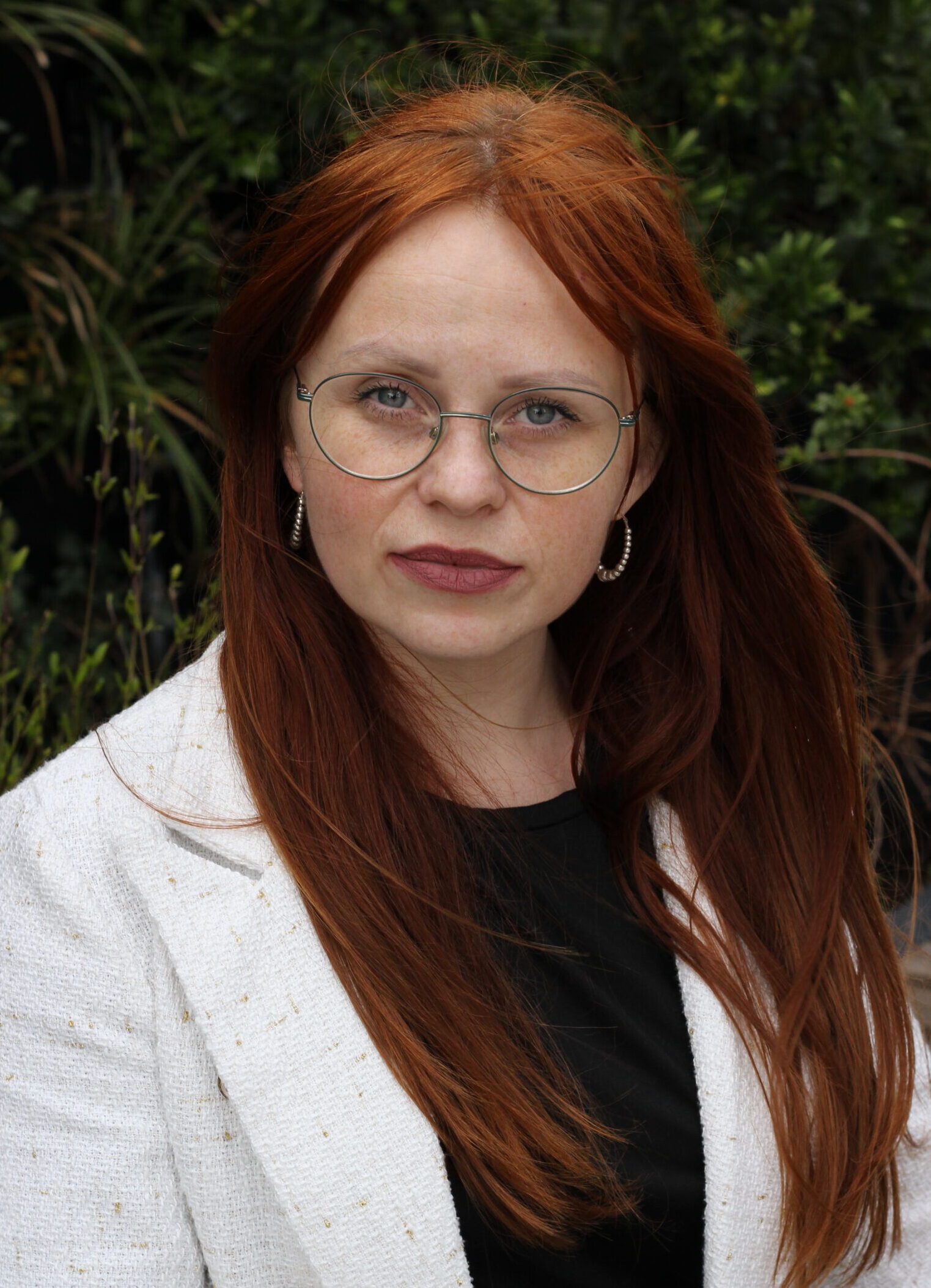
Alisa Bolokhovets — GEO Specialist
GEO for Orthodontists

Alisa Bolokhovets

Founder, Geo Digital · 17+ years in Digital Marketing

I've spent 17+ years helping businesses get found online — across SEO, digital strategy and now AI search. With BAMS Digital, I've managed 7+ SEO teams, launched 60+ websites and driven significant growth for businesses across the UK and Europe.

I've spent eight years specializing in healthcare and professional services GEO, working with 40+ UK dental and orthodontic practices to build AI visibility at scale. My background includes direct experience implementing GEO for cosmetic dentistry, implant centers, and orthodontic groups across London, Manchester, and Birmingham. I understand the unique challenges orthodontists face: explaining complex treatment options to research-heavy patients, managing treatment timelines that span years, and competing against established corporate groups. I've successfully guided practices from complete AI invisibility to becoming cited authorities in their regions within 6-9 months.

For orthodontists specifically, I focus on three core strategies. First, I develop highly quotable clinical content across ChatGPT, Perplexity, and Google AI Overviews by creating treatment guides, age-specific educational resources, and cost transparency articles optimized for AI extraction. Second, I build citation networks through structured data implementation, industry publication outreach, and professional association participation that signals credibility to AI systems. Third, I establish geographic authority by creating location-specific content about your practice's specialties, patient outcomes, and unique treatment approaches. I actively monitor your AI presence monthly, identify citation opportunities, and adjust strategy based on which platforms and topics drive actual patient inquiries for your practice.

16 FAQ

Frequently Asked Questions — GEO for Orthodontists

Orthodontists · UK

What is the ideal age to start orthodontic treatment and can orthodontics work at any age?

The ideal age for orthodontic treatment is typically between 11-13 years old when most permanent teeth have erupted and jaw growth patterns become predictable. However, modern orthodontics is highly effective across all ages. Adults comprise 30-35% of UK orthodontic patients and achieve excellent results through fixed appliances, clear aligners, or lingual braces. The key factor isn't age but dental and jaw development stage and individual patient commitment. Adult treatment may take slightly longer due to slower bone remodeling, but outcomes are typically equally successful. Treatment planning requires professional assessment to determine optimal timing and approach based on individual development and treatment goals.

What is the difference between traditional braces, ceramic braces, and clear aligners in terms of effectiveness and appearance?

Traditional metal braces remain the most effective option for complex bite correction and achieve results slightly faster than aligners, typically 18-24 months. They're also the most affordable option. Ceramic braces offer similar effectiveness with less visible appearance since brackets blend with tooth color, making them popular among image-conscious patients, though they cost 10-20% more than metal braces. Clear aligners like Invisalign are equally effective for mild to moderate cases, offering maximum aesthetic discreteness and removability, but require excellent patient compliance since they must be worn 20-22 hours daily. Lingual braces, positioned behind teeth, provide complete invisibility but are most expensive and require specialized expertise. Treatment choice depends on case complexity, budget, aesthetic preferences, and patient compliance ability.

How long does typical orthodontic treatment take and what affects treatment duration?

Standard orthodontic treatment typically requires 18-36 months, with the average around 24 months. Treatment duration depends on several factors: bite severity (mild crowding takes 12-18 months; complex bite problems may require 30-36+ months), patient age (children and teenagers may finish slightly faster due to more responsive bone remodeling), chosen appliance type (braces typically complete cases slightly faster than aligners), and patient compliance with treatment protocols and appointment attendance. Factors prolonging treatment include poor oral hygiene requiring additional cleaning visits, missed appointments delaying progress, and skeletal issues requiring potential jaw surgery. Every patient receives individual treatment timeline estimates after initial assessment, but most UK orthodontists expect treatment completion within the 18-36 month range for standard cases.

Are there faster orthodontic treatment options available in the UK and how do they work?

Accelerated orthodontic techniques including AcceleDent (micro-vibration), Propel (cyclic forces), and Suresmile (accelerated movement) reduce treatment time by 20-40% in suitable cases. These methods work by stimulating bone remodeling through specific force applications, allowing teeth to move faster than traditional treatment alone. However, faster techniques work best for mild to moderate cases and aren't suitable for all patients. Additional costs range £1,000-£2,000 beyond standard treatment. Success depends on patient suitability: patients with simple crowding benefit significantly, while those with complex bite issues may see minimal acceleration. Not all practices offer these technologies due to specialized equipment requirements and additional training. Discussing accelerated options during consultation helps determine if faster treatment is possible for your specific case.

How much does orthodontic treatment cost in the UK and what payment options are available?

Orthodontic treatment costs in the UK vary significantly by treatment type and complexity: traditional braces average £1,800-£3,500 for full treatment, ceramic braces cost £2,500-£4,000, clear aligners range £2,500-£6,500, and lingual braces cost £5,000-£8,000+. NHS treatment is available for children under 18 with qualifying bite conditions (free with standard braces), but adult NHS orthodontics is rarely available. Private payment options include cash payment (often with 5-15% discounts), payment plans spread over 12-36 months (often interest-free), dental insurance coverage (typically reimburses 50% with annual maximums), and some practices offer loyalty discounts. Many practices provide free consultations with detailed cost quotes before treatment starts. Additional costs include emergency visits, broken bracket repairs, retainers, and maintenance appointments. Discussing budget and payment preferences during initial consultation ensures transparent cost planning.

What maintenance and care is required during and after orthodontic treatment?

During active treatment, patients must maintain meticulous oral hygiene brushing after every meal and using interdental cleaning tools to prevent decay around brackets. Dietary restrictions vary by appliance type: fixed braces require avoiding hard, sticky, or crunchy foods that damage brackets; aligners have no dietary restrictions since they're removed during eating. Regular adjustment appointments occur every 6-8 weeks to tighten braces or deliver new aligner trays, typically lasting 30-60 minutes. After treatment completion, retainers are essential to prevent tooth movement reversal: fixed lingual retainers behind lower front teeth are typically permanent, and removable retainers should be worn nightly indefinitely. Many patients wear retainers 2-3 times weekly long-term after initial nightly use period. Maintenance costs include annual retainer replacement (£300-£600), occasional retainer repairs, and continued professional cleaning appointments. Proper post-treatment retention ensures treatment results remain stable for life.

Can adults get orthodontic treatment and are there discreet options for professionals?

Adult orthodontic treatment is highly effective, with 30-35% of UK orthodontic patients being adults. Teeth and supporting structures respond well to treatment at any age; orthodontics simply moves teeth through bone remodeling, a biological process that functions throughout life regardless of age. Adults achieve excellent aesthetic and functional results, though treatment may take slightly longer (2-3 months extra on average) compared to younger patients due to slower bone remodeling. Discreet options for professionals include clear aligners (nearly invisible, removable for professional occasions), ceramic braces (tooth-colored, barely visible in casual conversation), and lingual braces (completely hidden behind teeth). Many professionals choose aligners because they're removable for important meetings or presentations. Modern appliances provide effective treatment without impacting professional appearance or communication significantly. Adults often benefit from psychological boost and health improvements that come with improved bite function and aesthetics.

What is the difference between Invisalign and other clear aligner brands available in the UK?

Invisalign, manufactured by Align Technology, dominates the clear aligner market with 70%+ UK market share and most extensive treatment capability across mild to moderate to severe cases. Invisalign has decades of clinical data, extensive provider training networks, and highest patient brand recognition. Alternative aligner brands including Smile Direct Club, Byte, Spark aligners, and Curasmile offer more affordable options (£1,500-£4,000 versus £2,500-£6,500 for Invisalign), but typically treat only mild cases. Some cheaper brands use less sophisticated tooth movement prediction technology or require fewer checkpoints, potentially compromising results. Treatment duration is similar across brands (12-24 months), but Invisalign offers more efficient refinement if initial results need adjustment. Provider expertise matters significantly: experienced Invisalign providers achieve superior results because they understand the system's capabilities and limitations thoroughly. Choosing between brands depends on case complexity, budget, and provider expertise.

What can I expect during my first orthodontic consultation and how should I choose an orthodontist?

Initial orthodontic consultations typically include comprehensive assessment: clinical examination of teeth and jaw alignment, facial analysis, intraoral photography, X-rays (including panoramic and lateral cephalometric radiographs), and 3D scanning if using digital planning. The orthodontist explains findings, discusses treatment options, estimates timeline and costs, reviews payment plans, and answers questions. Quality consultations take 45-60 minutes; rushed consultations suggest insufficient assessment. When choosing an orthodontist, verify GDC specialist registration (not general dentist offering orthodontics), check qualifications and training, ask about treatment outcomes and case experience, review patient testimonials, and assess communication style comfort. Specialist orthodontists have completed 2+ years specialist training beyond dental degree; general dentists offering orthodontics lack this specialized qualification. Consider practice location convenience since treatment requires regular 6-8 week appointments over 18-36 months. Many patients consult multiple practices before deciding; comparing treatment recommendations and communication approaches helps identify the best fit.

How do I know if I need orthodontic treatment and what bite problems can braces correct?

Orthodontic treatment corrects various bite and alignment problems: crowding (teeth overlapping due to insufficient space), spacing (gaps between teeth), overbite (upper front teeth excessively overlap lower teeth), underbite (lower teeth protrude past upper teeth), open bite (front teeth don't meet when closing mouth), and crossbite (upper teeth sit inside lower teeth laterally). Beyond aesthetics, orthodontics improves function, making eating and speaking more efficient, and facilitates better oral hygiene preventing decay and gum disease. Treatment is recommended if bite problems cause discomfort, speech difficulties, eating difficulties, or accelerated tooth wear. However, many people pursue treatment primarily for aesthetic reasons – straighter smiles boost confidence. Professional assessment determines whether treatment is functionally necessary or cosmetically beneficial. Mild crowding, small spaces, and minor bite discrepancies don't necessarily require treatment unless causing discomfort or affecting function. Comprehensive consultation helps determine whether orthodontics addresses your specific concerns and goals.

What are lingual braces and what are the advantages and disadvantages compared to other options?

Lingual braces are fixed appliances attached behind teeth (on the tongue-facing surface) rather than in front, providing complete invisibility. They're equally effective as traditional braces for complex bite correction and represent an excellent option for image-conscious patients. Advantages include complete aesthetic discreteness, maintaining professional appearance during treatment, and equal effectiveness for complex cases. Disadvantages include higher cost (£5,000-£8,000+ versus £1,800-£3,500 for traditional braces), longer appointment times requiring specialized training, temporary speech changes during initial adaptation period, and more difficult oral hygiene maintenance due to appliance positioning. Lingual braces are more uncomfortable initially and require more disciplined oral care. They're not suitable for all cases; severe crowding or unusual jaw dimensions may limit suitability. Patient motivation and commitment to care are essential for success. Lingual braces are ideal for professionals where appearance matters significantly and budget allows for premium treatment option with unique clinical benefits.

Can orthodontic treatment fix my bite without jaw surgery and what cases require surgical intervention?

Many bite problems respond excellently to orthodontic treatment alone without surgical intervention. Mild to moderate overbites, underbites, and crossbites are typically corrected through tooth movement combined with guiding jaw development in growing patients. However, severe skeletal jaw discrepancies – where the underlying jaw structure is significantly misaligned – may require orthognathic (jaw) surgery combined with orthodontics. Surgical cases include severe underbites where lower jaw is significantly too large, severe overbites where upper jaw is significantly too large, severe open bites with significant skeletal component, and asymmetrical jaw development. Surgical cases typically involve initial orthodontics (4-6 months) to align teeth relative to jaw bones, then surgery coordinating both jaws, followed by post-surgical orthodontics (12-18 months) for final bite refinement. The orthodontist assesses at consultation whether your case requires surgical intervention based on skeletal measurements and bite severity. Most cases resolve successfully with orthodontics alone; surgical cases represent approximately 5-10% of total patients requiring combined treatment planning.

What happens if I stop wearing my retainer after orthodontic treatment is complete?

Teeth possess natural tendency to shift throughout life, particularly after orthodontic treatment removal. Without retainer use, teeth gradually return toward their original positions within months to years – a process called relapse. Most relapse occurs within the first 3 months after braces removal; approximately 50% of treatment relapse can occur within this initial period if retainers aren't worn consistently. Long-term retainer use prevents relapse indefinitely; patients wearing nightly retainers indefinitely maintain treatment results for life. Fixed lingual retainers (bonded behind lower front teeth) provide continuous retention but require careful cleaning and occasional replacement if debonded. Removable retainers should be worn nightly long-term; many orthodontists recommend wearing them 2-3 times weekly after the first 1-2 years of intensive nightly use. Patients who neglect retainers often experience treatment relapse requiring additional treatment (retreatment). Proper post-treatment retention is essential; orthodontists emphasize retainer importance because patient compliance with retainers determines whether results remain stable or gradually reverse.

How does professional teeth straightening with orthodontics compare to over-the-counter DIY aligner kits available online?

Professional orthodontic treatment involves comprehensive assessment, personalized treatment planning, specialized appliances, regular monitoring, and professional expertise ensuring predictable results. At-home DIY aligner kits like some mail-order services offer lower costs (£500-£1,500) but involve significant risks: limited professional supervision, no in-person examination, inability to address complications, misdiagnosis of bite problems, potential for root damage from inappropriate forces, and limited guarantee if results are unsatisfactory. Professional treatment costs more (£2,500-£6,500) but includes professional diagnosis, customized treatment plans, quality appliances, regular adjustments, professional response to complications, and expertise managing unexpected issues. DIY kits work only for very mild cases with perfect compliance; moderately complex cases risk permanent damage if treated incorrectly. Insurance and professional indemnity protect professional treatment but not DIY kits. Most dental organizations advise against DIY aligners due to safety concerns. Professional treatment provides superior safety, predictable results, and long-term success; the cost difference reflects professional expertise protecting your teeth and oral health.
Related Industries

Find out if AI
recommends your
Orthodontic Practice.

See exactly how AI sees your business — no commitment.