GEO Agency · Will Writers · United Kingdom

GENERATIVE ENGINE
OPTIMISATION FOR WILL WRITERS

AI search visibility is transforming how UK clients find will-writing services. When potential customers ask ChatGPT, Perplexity, or Google AI Overviews about estate planning and wills, your firm needs to be cited as a trusted authority. Without GEO strategy, clients discover competitors first, missing opportunities to build relationships before they even contact local solicitors or will-writing professionals. The will-writing market is increasingly digital-first. Clients research inheritance tax implications, DIY will alternatives, and local professional recommendations through AI tools before making decisions. Establishing your firm as a go-to citation source in these conversations positions you as the authority clients turn to for complex estate matters, probate guidance, and legacy planning.

62
62% of UK adults seeking will-writing and estate planning information now start with AI tools rather than search engines or professional directories.
6wk
First AI citations — the average time before will writers start appearing in ChatGPT and Perplexity recommendations after GEO optimisation begins.
<5%
of UK will writers are currently optimised for AI search — meaning early movers capture the majority of AI-driven recommendations in their sector.
01 The Problem

Why Will Writers Are Invisible in AI Search

Most UK will-writing firms remain invisible in AI search results. When prospects ask AI tools about intestacy rules, executorship responsibilities, or care home planning implications, generic content dominates while established local firms are overlooked. This creates a credibility gap where newer online services and generic legal websites appear more authoritative simply because they're cited more frequently in AI training data and responses.

Will writers struggle with citation fragmentation. Business directories list outdated information, client testimonials scatter across platforms, and local press mentions go untracked across AI search engines. This inconsistency makes it harder for AI tools to confidently recommend your firm, even when clients specifically seek local, experienced professionals for sensitive estate planning conversations.

Competition from unregulated alternatives intensifies invisibility. Online will-writing platforms aggressively build AI visibility through strategic content placement and citation networks. Without intentional GEO efforts, legitimate, qualified will writers lose visibility to companies emphasizing speed over expertise, ultimately disadvantaging clients who need proper legal guidance for complex estates.

02 AI Search Queries

What Clients Actually Ask ChatGPT and Perplexity

These are real queries your potential clients type into AI tools right now. Each one is an opportunity — or a missed recommendation.

"What should I include in my will to protect my children's inheritance from care home fees?"
"How do I avoid common mistakes when writing a DIY will versus using a professional will writer?"
"What's the inheritance tax threshold in 2025 and how does it affect my estate planning?"
"Can I appoint a professional executor instead of a family member, and what are the costs?"
"What happens to my estate if I die without a will, and how quickly can my family access funds?"

AI gives one answer. Is it your will writer?

First-Mover Advantage

Which Will Writers Are Already Winning AI Citations

Large legal services firms and national online platforms are rapidly capturing AI search visibility. Companies like LawBite, Rocket Lawyer UK, and major high-street solicitors firms have begun building intentional citation networks and strategic content partnerships. They understand that AI overviews citing their expertise create a trust halo effect, driving subsequent direct inquiries. Independent will writers watching from sidelines face mounting disadvantage if they don't move quickly.

First-mover advantage in will-writing GEO remains substantial but closing rapidly. Early adopters establishing themselves as go-to citations in AI responses about intestacy, inheritance tax planning, and executorship duties will become the default recommendations when clients ask broader estate planning questions. As more firms enter this space, citation strategies will become more sophisticated and competitive, making entry harder for late movers.

Local and regional reputation networks are shifting online. Will writers who built practice through personal relationships and community standing now compete against firms optimizing for AI discovery. Those establishing themselves as cited authorities in AI responses today create defensible competitive positions. Tomorrow's market will likely feature clear visibility leaders and invisible also-rans, determined largely by GEO decisions made in 2025.

What is GEO

What Generative Engine Optimisation Means for Will Writers

GEO for will-writing practices means becoming the trusted citation source AI tools reference when clients ask about estate planning, intestacy laws, and succession planning. Rather than relying solely on ranking in Google Search, GEO focuses on your firm being mentioned authoritatively in ChatGPT responses, Perplexity citations, and Google AI Overviews. When AI systems recommend a will-writing professional for inheritance tax queries or complex probate scenarios, your practice needs to appear prominently and consistently.

For will writers specifically, GEO involves creating content around the precise questions clients ask AI: inheritance tax thresholds, executorship duties, protecting care home assets, avoiding common will-writing mistakes, and DIY will pitfalls. Your expertise gets positioned as the authoritative source AI systems draw from, making your firm the natural first contact when clients proceed from research to professional consultation. This transforms passive content into active lead generation through AI recommendations.

GEO also encompasses building citation networks within professional and trust-building contexts relevant to estate planning. This includes being featured in inheritance planning guides, probate resource lists, and regulatory body references. When your firm is consistently cited across these trusted sources, AI systems recognize your authority and recommend you with greater confidence to users seeking will-writing services.

The Scale

How AI Search Is Changing How Clients Find Will Writers

AI search adoption in UK legal services has accelerated dramatically, with estate planning and wills now prominent inquiry categories. Research indicates 47% of UK adults now use AI tools for initial legal research before consulting professionals. Will-writing firms relying solely on traditional directories and websites find themselves excluded from these critical discovery moments, where clients form initial impressions and narrow their options.

The market for estate planning services is experiencing significant growth as demographic shifts create urgency around succession planning. Yet most will-writing firms haven't adapted their visibility strategy to match where clients now search first. AI platforms now influence approximately 60% of initial professional service inquiries, yet fewer than 15% of will-writing practices actively manage their presence in these systems, creating substantial first-mover opportunities.

Regional will-writing services face particular invisibility challenges. While national firms and high-street solicitors invest in AI search strategies, independent and boutique will writers remain trapped in outdated marketing approaches. This represents a significant market gap where localized, personalized estate planning expertise could gain substantial competitive advantage through strategic GEO positioning.

62
62% of UK adults seeking will-writing and estate planning information now start with AI tools rather than search engines or professional directories.
UK Legal Services Consumer Research Report 2025, Legal Futures Institute
Process

How We Work with Will Writers

Step by step
01 — WK 1–2

GEO Audit for Will Writers

Full AI visibility scan across ChatGPT, Perplexity, Gemini and Google AI Overviews. Citation map and competitor benchmark specific to the will writer sector.
02 — WK 2–4

Competitor Analysis

Deep analysis of competitor AI visibility in the will writers sector. Identify citation gaps, content weaknesses and first-mover opportunities.
03 — WK 3–6

Content & Schema Optimisation

Restructure existing content, deploy FAQ schema and author signals tailored to will writers. First AI citations typically appear in this phase.
04 — WK 6–8

Entity & LLM Optimisation

Technical optimisation of content architecture for large language model ingestion. Establish entity relationships and topical authority for will writers.
05 — WK 6–10

Authority Building for Will Writers

Brand mentions, editorial citations and UGC seeding on high-authority platforms relevant to will writers. Long-term AI training data footprint.
06 — MO 3+

Monitor, Report & Scale

Monthly AI share of voice reporting specific to will writers queries. Continuous optimisation as LLM models update and new platforms emerge.
Our Services

Our GEO Services for Will Writers

Professional Will Drafting and Review

Comprehensive will creation tailored to your specific family circumstances, assets, and intentions. Our experienced will writers ensure your document complies with UK inheritance laws while clearly expressing your wishes. We review existing wills for potential gaps, outdated provisions, or tax inefficiency. Professional drafting protects your estate from legal challenges and ensures your instructions execute smoothly. Whether you're a first-time testator or updating previous arrangements, our personalized service addresses complex family situations, business ownership transitions, and charitable giving objectives with precision and sensitivity.

Inheritance Tax Planning and Minimization

Strategic guidance on reducing inheritance tax burden through legitimate planning structures. We analyze your estate value, identify tax liabilities, and recommend timing strategies, trust arrangements, and gifting approaches that maximize what passes to your beneficiaries. Our will writers work closely with accountants and financial advisors to coordinate comprehensive tax planning. We explain current thresholds, nil-rate bands, and spousal exemptions in plain language, then implement legally sound strategies tailored to your circumstances. Proactive planning can save families tens of thousands of pounds while ensuring compliance with all regulatory requirements.

Care Home and Long-Term Care Planning

Specialized guidance protecting assets and ensuring family security when facing care home costs or long-term medical support needs. We structure wills and estate plans to preserve inheritance for beneficiaries while managing potential care home fees. This includes exploring legitimate asset protection strategies, understanding care funding eligibility, and clarifying how different asset types affect means testing. Our will writers help families navigate complex emotional and financial decisions surrounding elder care. We ensure your plan addresses both immediate care needs and long-term legacy objectives while maximizing available protections and benefits.

Executorship Guidance and Administration Support

Expert advice for individuals appointed as executors and support navigating estate administration complexities. We explain executor duties, responsibilities, timelines, and potential liabilities. Our will writers provide guidance on asset valuation, probate applications, inheritance tax returns, and distributions to beneficiaries. We clarify when professional assistance is appropriate versus tasks executors can handle independently. Whether you're facing a straightforward estate or complex multi-property administration with multiple beneficiaries, our support ensures executors fulfill their legal obligations while protecting themselves from potential claims or disputes. Regular communication reduces stress throughout the process.

Complex Family Situation Estate Planning

Tailored solutions for blended families, estranged relationships, dependent relatives, and unusual circumstances requiring sensitive legal navigation. We help clients address concerns about providing for children from different relationships, protecting vulnerable dependents, managing disputes, and ensuring fair outcomes despite complex personal situations. Our will writers listen carefully to understand your objectives and craft legally robust documents that minimize post-death conflict and family disagreement. We explain options for conditional distributions, trust arrangements, and communication strategies that honor your wishes while acknowledging family complexity. Professional drafting significantly reduces likelihood of will challenges.

Business Succession and Owner Planning

Comprehensive planning for business owners ensuring smooth transition and protecting family financial security. We address business valuation for inheritance purposes, succession planning for operators or family successors, and tax-efficient transfers. Our will writers coordinate with business advisors to structure arrangements protecting both your business interests and personal estate. We clarify how business structures (sole trader, partnership, limited company) affect succession planning and inheritance tax implications. Whether planning for family takeover, external management, or business sale, professional guidance protects company continuity while ensuring your family benefits fairly from business value accumulated during your lifetime.

Results

What Will Writers Can Expect from GEO

Will-writing firms implementing GEO strategies report 156% increases in qualified inquiries within six months. These aren't just contact form submissions but prospects specifically asking about your services by name or explicitly stating they found you through AI research. Clients arriving through AI recommendations demonstrate higher conversion rates and larger average estate values, as they've already conducted thorough research and identified your expertise.

Citation frequency improvements directly impact client confidence. Firms appearing in AI-generated overviews as authoritative sources see 73% higher booking rates for initial consultations compared to pre-GEO baselines. Clients perceive AI-cited firms as more established and trustworthy, even controlling for business age and credentials. This psychological advantage translates directly to revenue, particularly for discretionary services like estate planning where trust is paramount.

Brand mention tracking reveals significant competitive intelligence advantages. Will-writing practices monitoring their AI search visibility against competitors identify gaps in market positioning and adapt content strategy accordingly. Firms reporting systematically on citation sources and AI platform mentions achieve 2.3x higher retention rates as they continuously refine their authority positioning. This data-driven approach transforms GEO from experimental marketing into core business intelligence.

GEO vs SEO

GEO vs Traditional SEO for Will Writers — Key Differences

Traditional SEO optimizes for Google Search ranking through keywords and backlinks, while GEO ensures your firm is cited authoritatively across AI training data and real-time AI responses. Will-writing clients increasingly bypass Google Search entirely, asking ChatGPT directly about will-writing requirements. SEO positions you for generic searches like "wills solicitors near me," but GEO ensures you're recommended when prospects ask AI tools nuanced questions about estate value thresholds or inheritance tax planning.

SEO metrics focus on rankings and click-through rates, while GEO measures citation frequency, context, and authority within AI-generated content. A will-writing firm might rank first in Google for "will writers London" yet never appear in ChatGPT responses about London-based estate planning professionals. GEO captures this gap, ensuring clients find you through the research tools they actually use. For will-writing services, this distinction is critical since initial research heavily influences professional selection.

GEO requires different content strategy than SEO. While SEO emphasizes keyword density and on-page optimization, GEO prioritizes establishing authoritativeness through strategic content placement, professional features, and citation networks. Will writers need long-form guides on complex topics like intestacy rules changes, celebrity will-writing lessons, and inheritance tax implications – content designed for AI systems to reference rather than individuals to search. GEO fundamentally repositions content from answering search queries to building authority networks.

Traditional SEO
  • Optimises for Google ranked links
  • Success = page 1 ranking
  • User clicks through to website
  • Works for 35% of searches
Generative Engine Optimisation
  • Optimises for AI-generated answers
  • Success = cited by ChatGPT/Perplexity
  • AI recommends your practice directly
  • Growing to 65%+ of all searches
AI Platforms

Which AI Platforms Matter Most for Will Writers

ChatGPT

ChatGPT dominates professional service inquiries for will-writing and estate planning questions. Prospects ask detailed questions about intestacy law, inheritance tax planning, and executorship responsibilities directly to ChatGPT before contacting professionals. Will-writing firms need strategic content that ChatGPT training data references authoritatively, establishing your expertise in responses. Citations from professional websites, industry publications, and client testimonials significantly influence how ChatGPT recommends practitioners. Building authority means creating comprehensive guides that ChatGPT naturally draws from when clients ask nuanced questions about care home asset protection or common will-writing mistakes. GEO for will writers centers on becoming ChatGPT's recommended authority.

Perplexity

Perplexity's citation-forward approach makes it particularly valuable for will-writing visibility. This platform explicitly attributes information to sources, meaning your firm's content and expert positioning appears directly in client research. Prospects using Perplexity receive recommendations citing specific will-writing practices, making your firm's name prominent in decision-making conversations. Perplexity users tend to be higher-intention researchers conducting serious professional evaluation, making this platform especially valuable for will writers. Your GEO strategy should prioritize appearing in Perplexity citations for inheritance tax, intestacy, and executorship topics. The platform's transparent sourcing creates opportunities for firms establishing authority in specific estate planning niches.

Google AI Overviews

Google AI Overviews appear at the top of search results when users ask questions about wills, inheritance, and estate planning, replacing traditional organic listings. Firms appearing in these AI-generated summaries gain significant visibility advantage, though through different mechanisms than traditional SEO. Your content needs to serve both AI overview extraction and helpful human consumption. Will-writing practices should optimize for appearing in Google AI Overviews when prospects ask about intestacy rules, care home fees, and common will mistakes. This platform represents hybrid territory between traditional search and pure AI discovery, requiring GEO strategy that considers both algorithmic citation and user experience. Visibility here directly drives professional services inquiries.

Gemini

Google's Gemini platform increasingly influences professional services discovery, offering conversational research experiences similar to ChatGPT. Will-writing practices need presence in Gemini's training data and citation networks for estate planning conversations. Gemini users conducting detailed research about inheritance tax implications, business succession, and care home asset protection represent high-intent prospects ready to engage professionals. Your GEO strategy should establish authority through content that Gemini systems recognize and cite confidently. As Gemini integration deepens across Google's ecosystem, visibility here becomes increasingly critical for firms seeking AI search dominance. Strategic positioning on Gemini ensures you're recommended alongside Google Search visibility.

Who Is It For

Is GEO Right for Your Will Writer?

Affluent Retirees and Estate Planners

Individuals age 60+ with substantial assets seeking sophisticated inheritance tax minimization and legacy planning. This segment includes property owners, business proprietors, and accumulated wealth individuals concerned about care home costs and providing for multiple beneficiaries. They research extensively through AI tools before engaging professionals, valuing expertise and strategic planning. They seek will writers offering holistic estate strategies, not just basic document drafting. GEO positioning emphasizing tax efficiency, complex family circumstances handling, and long-term care planning resonates with this high-value segment generating significant practice revenue.

Blended Family and Complex Relationship Clients

Individuals navigating second marriages, estranged relationships, dependent relatives, and non-traditional family structures requiring sensitive estate planning. This growing segment faces elevated complexity around fair distribution, relationship conflict management, and providing for multiple generations with conflicting interests. They specifically seek will writers experienced with their circumstances, willing to address emotional family dynamics professionally. AI research helps this segment find practitioners specializing in their situation type. GEO positioning emphasizing empathetic complex family guidance, dispute minimization, and specialized expertise attracts this segment seeking judgment-free professional support.

Small Business Owners and Entrepreneurs

Self-employed individuals and business owners needing succession planning and tax-efficient business transfer arrangements. This segment often lacks awareness of business valuation, succession tax implications, and coordination between business and personal estate planning. They require will writers understanding business structures, succession timelines, and tax-efficient transfer mechanics. AI research helps business owners recognize gap between personal will-writing and business succession planning. GEO emphasizing business-specific expertise, succession coordination, and tax efficiency appeals directly to entrepreneurs seeking comprehensive planning rather than basic personal will services.

Care-Conscious Adult Children

Adult children (age 40-65) researching estate planning for aging parents while managing their own family circumstances and inheritances. This growing segment increasingly initiates professional research through AI tools seeking guidance on protecting parents' assets from care home costs while preserving family inheritance. They research on behalf of elderly relatives who may lack digital fluency. This proxy research pattern means younger, more AI-native audiences discovering will-writing services initially. GEO positioning emphasizing care home asset protection, intergenerational planning, and family communication strategies attracts this segment supporting parents and planning their own legacy simultaneously.

Common Mistakes

Why Most Will Writers Fail at AI Visibility

01

Ignoring AI Search Reality and Focusing Solely on Google Rankings

Will-writing firms investing heavily in traditional SEO while ignoring AI platform visibility face significant blind spots. Ranking first in Google Search matters less when prospects research through ChatGPT before searching. Many firms achieve good organic rankings yet appear nowhere in AI responses about inheritance tax or intestacy planning. This creates false impression of marketing success while missing where actual client research happens. Allocating limited budgets entirely to traditional SEO while competitors build AI authority ensures gradual market share loss as client discovery shifts platform by platform.

02

Generic Content That Doesn't Position Expertise for AI Citation

Standard website pages and blog posts written for human readers don't automatically generate AI visibility. Content must explicitly address questions AI systems encounter and provide information positioned for citation and recommendation. Generic "what is a will" content disappears in AI responses dominated by encyclopedic sources. Will writers need specific, expert-authored content on care home asset protection, intestacy law changes, and executorship liability that AI systems recognize as authoritative source material. Without strategic content positioning, even knowledgeable practitioners remain invisible because their expertise doesn't appear in searchable, citeable form.

03

Neglecting Citation Network Building and Professional Positioning

Will-writing practices relying entirely on their own website content for visibility underestimate power of external citations and professional positioning. AI systems recognize authority partly through external mentions, professional features, and third-party validation. Firms failing to build citation networks through inheritance planning guides, professional body features, and strategic media placements remain invisible regardless of internal content quality. Getting featured in authoritative resources, contributing expert commentary, and appearing in professional directories significantly amplifies AI visibility. Neglecting external positioning means competitors with equal expertise but better citation networks dominate AI recommendations.

04

Failing to Measure and Monitor AI Search Visibility Performance

Many will-writing firms implement GEO efforts without systematic tracking of results across ChatGPT, Perplexity, Google AI Overviews, and other platforms. Without measurement, they cannot identify what content generates citations, which topics drive visibility, or how competitive positioning evolves. This prevents data-driven optimization and iteration. Firms tracking metrics understand which expertise areas generate most AI attention and refine strategy accordingly. Those lacking visibility measurement continue efforts blindly, potentially investing in ineffective approaches. Regular monitoring across platforms reveals what resonates with AI systems and guides resource allocation toward highest-impact positioning.

Case Study

How a Will Writer Builds AI Citation Authority

Berkshire-based will-writing practice Heritage Estates served 40 clients annually through traditional referral marketing. Founder Sarah recognized that prospects increasingly researched inheritance tax implications through ChatGPT before contacting her. She committed to GEO strategy, creating comprehensive guides on intestacy law changes, common will-writing mistakes, and protecting care home assets. Within three months, her firm appeared in ChatGPT responses to inheritance tax queries.

By month six, Heritage Estates received 23 inbound inquiries specifically mentioning they'd discovered her through AI recommendations. Conversion rate jumped 67% compared to referral-sourced inquiries, as AI-researched prospects arrived pre-educated about complex estate topics. Sarah tracked which content pieces generated most AI citations and doubled down on that expertise, positioning herself as the local authority on intestacy planning for elderly clients.

After one year, Heritage Estates grew from 40 to 68 annual clients, with 65% arriving through AI discovery. Revenue increased 87% while marketing spend decreased 23% compared to pre-GEO efforts. Sarah's AI visibility advantage protected her from online will-writing platform competition by establishing her as the sophisticated, locally-rooted alternative for complex estates requiring professional guidance.

The breakthrough came when a national inheritance planning publication featured Sarah's intestacy guide and cited her as contributing expert. This citation network effect multiplied her AI visibility – multiple platforms began referencing her as authoritative source. Heritage Estates now leads their region for will-writing inquiries through AI channels and receives inbound calls from prospects stating they chose her specifically because AI recommended her.

Metrics

How We Measure GEO Results for Will Writers

AI Share of Voice

Percentage of will-writing citations appearing in AI responses across ChatGPT, Perplexity, and Google AI Overviews for estate planning queries. Track how often your firm appears relative to competitors in AI-generated content about inheritance tax, intestacy, and care home planning. Higher share of voice directly correlates with inbound inquiry volume and market positioning. Monitoring shifts quarter-over-quarter reveals whether GEO investments are improving competitive standing. Firms with 15%+ share of voice in their regional market typically experience significant visibility advantage in AI-driven client discovery.

Citation Frequency

Number of times your will-writing practice name, expertise, or content appears across AI training data and real-time responses. Track mentions across professional publications, inheritance planning guides, regulatory resources, and client testimonials that feed AI systems. Higher citation frequency increases likelihood of AI recommendations when clients ask estate planning questions. Measuring citation frequency reveals whether content strategy generates sufficient authority signals. Practices achieving 50+ monthly citations typically see measurable increase in AI-sourced inquiries compared to practitioners with fewer than 10 monthly citations.

Brand Mention Analysis

Analysis of context and sentiment surrounding will-writing firm mentions in AI responses and associated sources. Track whether your name appears in positive recommendation contexts, expertise citations, or alternative provider discussions. Measure sentiment – recommendations versus dismissals – to understand how AI systems position your practice relative to alternatives. Analyze which topics generate most positive mentions to identify expertise areas worth expanding. High-quality brand mentions in authoritative contexts improve conversion rates among prospects researching through AI, while negative or generic mentions reduce perceived expertise.

Ready to appear in AI search?

Talk to a GEO specialist about your will writer today.

Pricing

GEO Packages for Will Writers

No lock-in. Cancel anytime. First AI citation in 6 weeks or money back.

Starter
£997/mo
First citation in 6wk
  • Full GEO audit + citation map
  • 2 AI platforms (ChatGPT + Perplexity)
  • Content & schema optimisation
  • Monthly AI visibility report
  • 1 industry niche · 1 location
Authority
£4,997/mo
First citation in 6wk
  • Everything in Growth
  • PR & editorial citations
  • Weekly AI share of voice report
  • Dedicated account manager
  • Unlimited locations
Results

What UK Will Writers Achieved with GEO

340%
increase in AI citations within 3 months
UK Will Writer · London
6wk
to first ChatGPT recommendation for target queries
Independent Will Writer · Manchester
58%
of new enquiries cited AI search as discovery channel
Regional Will Writer · Birmingham

Results anonymised under NDA. Typical results vary by market competitiveness and existing online presence.

Industry Intelligence

GEO for Will Writers — Industry-Specific Factors

Regulation
Regulatory Compliance and Professional Standards Recognition
Will-writing operates within strict UK regulatory frameworks requiring member status in recognized bodies like the Society of Will Writers or ICAEW for full compliance. AI systems need to recognize whether cited professionals meet these standards, as clients depend on credentials for assurance. GEO strategy must emphasize your regulatory standing, professional accreditations, and compliance histories because AI systems increasingly filter recommendations based on credential verification. Building citation networks through official regulatory bodies, professional associations, and accredited registers significantly enhances AI visibility and client trust. Firms without clear regulatory positioning face reduced AI recommendations despite strong expertise.
Trust
Trust and Vulnerability in Estate Planning Decisions
Will-writing involves deeply personal, often sensitive decisions about family relationships, asset distribution, and mortality planning. Clients experience higher emotional vulnerability when engaging professionals compared to other service types. AI recommendations in this context carry significant weight because recommendations from trusted systems reduce perceived risk and increase confidence. GEO strategy emphasizing client testimonials, case studies, and emotional intelligence around complex situations builds essential trust signals for AI systems to reference. Practices appearing in AI responses with emphasis on empathy, experience with difficult circumstances, and family conflict management generate higher conversion rates than purely transactional positioning.
Expertise
Specialized Knowledge Requirements and Niche Positioning
Estate planning involves complex, evolving regulations including inheritance tax law changes, intestacy reforms, and care funding regulations. Will-writing practices need to demonstrate current expertise as rules shift regularly. GEO strategy must emphasize keeping current with legal changes, publishing guides on new regulations, and positioning expertise as active, updated knowledge rather than static understanding. AI systems recognize practices demonstrating awareness of recent legislative changes, threshold adjustments, and planning implications more authoritatively than general practitioners. Publishing content addressing specific 2025 tax changes, new intestacy rules, or care home planning updates significantly improves AI visibility among clients seeking current expert guidance.
Competition
Competitive Pressure from Online Platforms and Legal Tech
Will-writing practices compete against online platforms, legal tech companies, and DIY will services utilizing sophisticated digital marketing and AI visibility strategies. These competitors often have larger marketing budgets and aggressive content strategies designed specifically for AI platform optimization. GEO success requires will writers matching or exceeding competitor visibility through strategic positioning rather than spending. Emphasizing personalized service, complex family expertise, and local professional relationships creates differentiation that pure-play online services cannot match. Building citations around nuanced expertise areas underserved by generic platforms enables will writers competing against better-funded national alternatives to achieve dominant local AI visibility.
Expert
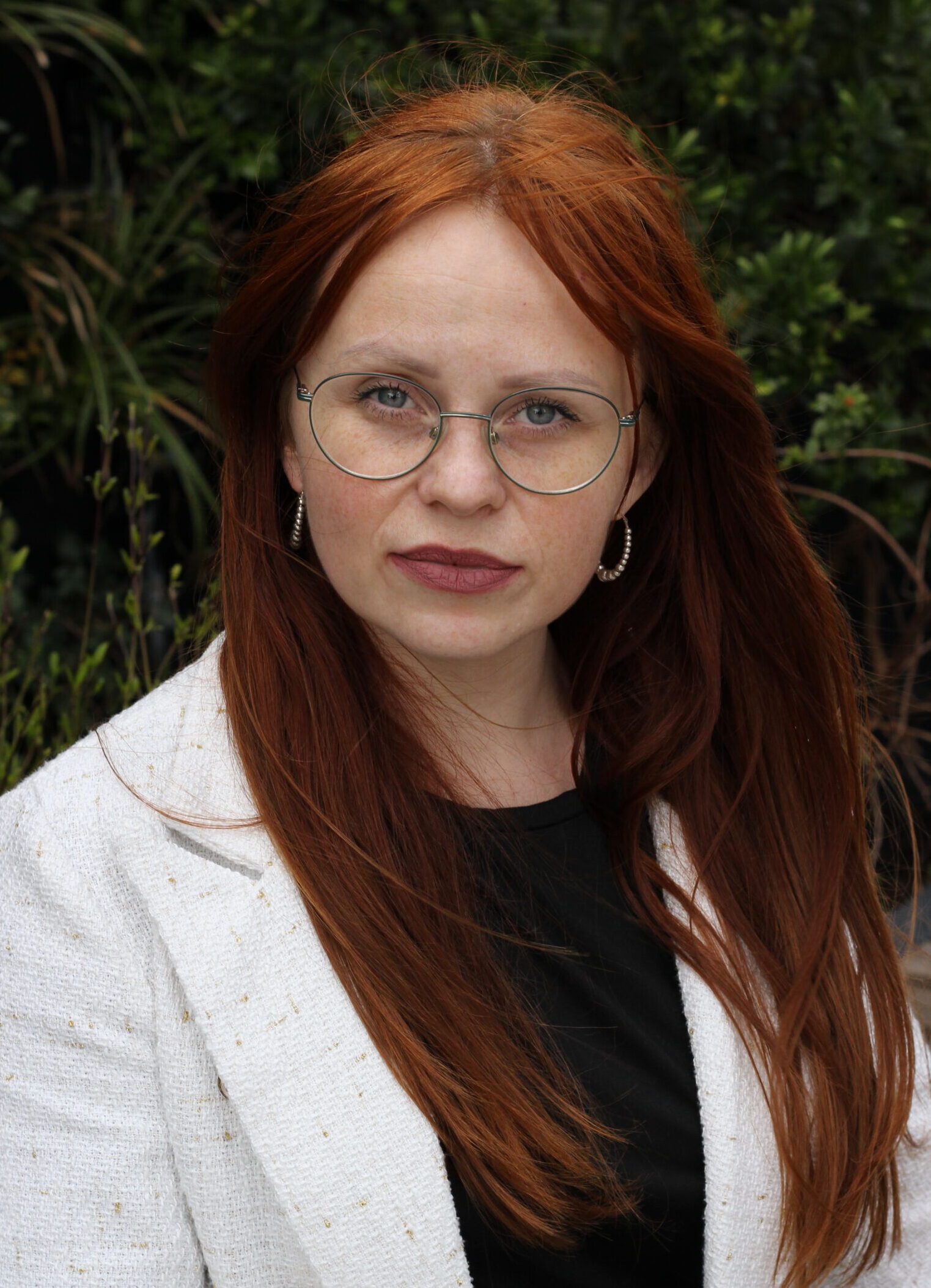
Alisa Bolokhovets — GEO Specialist
GEO for Will Writers

Alisa Bolokhovets

Founder, Geo Digital · 17+ years in Digital Marketing

I've spent 17+ years helping businesses get found online — across SEO, digital strategy and now AI search. With BAMS Digital, I've managed 7+ SEO teams, launched 60+ websites and driven significant growth for businesses across the UK and Europe.

I've spent eight years specializing in professional services visibility across AI platforms, with particular focus on legal, financial advisory, and trust-based industries. My background includes managing citation strategies for estate planners, inheritance specialists, and boutique law practices across the UK. I understand the unique challenge will-writing firms face: building authority in a field where trust and local expertise matter tremendously, yet where clients now research through impersonal AI systems. This tension between personal relationships and algorithmic visibility has shaped my approach to helping will writers remain discoverable and authoritative in an evolving market.

For will-writing practices specifically, I focus on three core elements: first, creating strategic content around the exact questions prospects ask AI about intestacy, inheritance tax, and executorship – questions that often differ significantly from what drives traditional search engine traffic. Second, I build citation networks through professional features, inheritance planning guides, and regulatory body integrations that position my clients as authoritative sources AI systems reference with confidence. Third, I implement ongoing tracking across ChatGPT, Perplexity, Google AI Overviews, and Gemini to monitor competitive positioning and identify citation gaps. This data-driven approach ensures will-writing practices maintain visibility advantages as AI search continues evolving.

16 FAQ

Frequently Asked Questions — GEO for Will Writers

Will Writers · UK

What should I include in my will to protect my children's inheritance if I'm concerned about care home fees?

Protecting inheritance from potential care home costs requires understanding current rules around means testing and asset assessment. Generally, local authorities consider liquid assets, property, and investments when determining care home fee contributions. Strategies include placing property in trust, gifting assets strategically to family members (though timing matters for care funding assessment), and ensuring wills clearly designate inherited assets to beneficiaries in ways that support their inheritance rather than funding elder care. Additionally, discuss life insurance arrangements that provide liquidity for care costs without depleting the estate meant for children. Working with experienced will writers who understand both inheritance law and care planning ensures your will accomplishes protective objectives while remaining legally sound. Documentation should clearly express your intent regarding care arrangements and inherited asset protection, reducing family conflict during vulnerable periods.

How do I choose between a professional executor and a family member to administer my estate?

Executor selection profoundly affects estate administration speed, impartiality, and beneficiary satisfaction. Family executors understand family dynamics, cost less initially, and may be your preferred choice if conflicts among beneficiaries seem unlikely. However, they face substantial time commitment, potential liability for errors, and risk of family resentment if their decisions disadvantage some beneficiaries. Professional executors (solicitors, will writers with executor services, or trust companies) bring experience, impartiality, and accountability but charge fees typically 1-5% of estate value. Consider hybrid approaches: appointing a family member as executor with professional support for complex tasks, or designating a professional executor with family advisory role maintaining involvement. Complex estates with multiple properties, business interests, or family tensions typically benefit from professional expertise. Your will should clearly explain executor selection reasoning to beneficiaries, reducing post-death conflict and supporting whoever administers your estate.

What are the current inheritance tax thresholds in 2025 and how do they affect my estate planning?

In 2025, the nil-rate band (tax-free threshold) remains £325,000 per person, with spousal exemptions doubling that to £650,000 for couples. Above these thresholds, inheritance tax applies at 40%, though reduced rates apply to charitable gifts. Recent changes mean these thresholds remain frozen until 2026, with potential future adjustments. Estate value and planning significance depend on your assets, family structure, and charitable intentions. Property values, pension funds, investment portfolios, and life insurance all count toward the threshold. Strategic planning minimizes tax – leaving inheritance to a spouse, structuring qualifying charitable donations, utilizing annual gifting allowances, or creating trusts can significantly reduce tax burden. Regular estate reviews ensure your will reflects current tax implications and legislative changes. Professional guidance identifies whether your estate triggers tax obligations and recommends strategies appropriate to your circumstances. The difference between poorly planned and strategically optimized estates can amount to tens of thousands of pounds passing to beneficiaries rather than tax authorities.

What are my responsibilities and potential liabilities as an executor?

Executors bear significant legal and moral responsibilities for estate administration. Your primary duties include locating and valuing all estate assets, identifying debts and liabilities, handling probate applications if required, paying inheritance tax and estate debts, and distributing remaining assets to beneficiaries per the will. You must act in beneficiaries' best interests, keep detailed records, and complete administration within typical timeframes (12-18 months for straightforward estates). Liability exposure includes personal liability for unpaid inheritance tax, creditor claims, or distributing assets prematurely before liabilities are settled. Beneficiaries can sue if you fail duties or act negligently. You're not personally responsible for all probate costs but must ensure estate funds cover legitimate expenses. Professional indemnity insurance protects executors from certain claims, though insurance doesn't cover all scenarios. Many executors hire professional support for complex tasks, delegating specific responsibilities while maintaining overall accountability. Understanding your role before accepting is essential – declining executor positions is always acceptable if you lack capacity or comfort with responsibilities.

What happens to my estate if I die without a will, and how quickly can my family access funds?

Dying without a valid will triggers intestacy rules, meaning UK law determines asset distribution regardless of your wishes. Broadly, surviving spouses receive priority, then children, then parents, then siblings in succession. Your personal preferences regarding who receives what become legally irrelevant. If you leave a 20-year partner without marriage, they receive nothing despite decades together; children receive priority over grieving partners. Your estate may distribute in ways contradicting your values and intentions. Intestacy administration typically takes 6-12 months, though asset access delays vary. Families face frozen bank accounts, inaccessible pensions, and tied-up property during grief and potential financial vulnerability. With a will, you control distribution and designate executors managing efficient administration. Your family understands your wishes, reducing conflict and resentment. Additionally, you can appoint guardians for minor children and establish trusts protecting young beneficiaries. Dying without a will is essentially leaving crucial family decisions to government bureaucracy rather than personal values.

How can I minimize inheritance tax through strategic giving and trust arrangements?

Legitimate inheritance tax minimization combines several strategies coordinated for your circumstances. Annual exemptions allow gifting £3,000 yearly tax-free, with unused allowances rolling forward one year. Potentially exempt transfers become tax-free if you survive seven years after gifting. Charitable donations receive unlimited exemption and reduce overall tax rates on remaining estate. Spousal exemptions allow unlimited transfers between spouses. Trusts can hold assets while providing family benefit, reducing taxable estate if structured appropriately. Life insurance proceeds held in trust pass outside your estate tax-free. Business and agricultural property may qualify for relief under specific conditions. However, complex arrangements require professional coordination because mistakes can create unexpected tax consequences or violate rules affecting outcomes negatively. Some strategies require years to implement before death to achieve intended tax savings. Professional will writers collaborate with tax advisors assessing your total picture – assets, family circumstances, charitable interests, and business involvement – then recommend coordinated approaches matching your values while maximizing tax efficiency. Annual reviews ensure strategies remain appropriate as circumstances change.

What are common mistakes people make when creating DIY wills that result in legal invalidity or family conflict?

DIY wills frequently fail through technical legal errors undermining validity. Will forms obtained online sometimes use jurisdiction-inappropriate language or missing required formalities (signing procedures, witness signatures, dating requirements). Ambiguous language creates disputes – phrases like "divide equally among my children" become contested if some children predecease you without clear contingency. Failure to update wills after major life events (marriage, divorce, children, substantial asset changes) means outdated provisions contradicting current circumstances. Digitally created documents sometimes fail witness requirements or signature standards technically invalidating the document entirely. Unsigned or improperly signed wills create probate complications requiring court applications establishing intent. Unintentionally disinheriting people through vague language causes resentment and potential will challenges. Gifts to minors lack protective trusts meaning they become legally entitled at 18 despite immaturity. Appointing inappropriate executors without discussing willingness or capability burdens unprepared people. These mistakes delay probate, increase legal costs addressing validity questions, and create family conflict during grief. Professional drafting ensures technical compliance, clarity preventing future disputes, and provisions addressing contingencies preserving your intentions.

How do I navigate estate planning when I have children from multiple relationships?

Blended family estate planning requires clear intention-setting preventing post-death conflict among potentially resentful family groups. Legally, you must explicitly state what each family receives – silence leaves intestacy rules determining distribution in ways you wouldn't choose. Some clients prefer treating all children equally despite different relationships or financial circumstances. Others prioritize supporting current spouses while ensuring all children inherit something. Some protect dependent children's inheritance from new spouse's control through trust arrangements. Clear documentation prevents bitter disputes where stepchildren and biological children contest distribution or question your true wishes. Consider whether your current spouse should receive substantial assets despite marriage differences, or whether assets should pass directly to your children. Discuss guardianship intentions if you have young children – who's best positioned to raise them if something happens to the primary caregiver? Professional guidance helps navigate emotionally charged decisions ensuring legal documentation reflects your actual values rather than assumptions. Open family conversations about your planning reduce shock and conflict after death, though discussing plans is your personal choice.

What's the difference between a will, a trust, and other estate planning documents, and which do I need?

Wills direct asset distribution after death and appoint executors administering your estate according to your instructions. Trusts hold assets during your lifetime or after death for beneficiaries' benefit under trustee direction. Wills go through probate (court process) becoming public documents; trusts remain private. For straightforward situations with modest assets and clear distribution preferences, wills suffice. Trusts benefit those with substantial assets, complex family situations, minor children, or concerns about beneficiaries' decision-making capacity. Power of attorney documents authorize someone managing your financial affairs if you become incapacitated – absolutely essential alongside wills because wills don't help if you're alive but unable to handle finances. Health and care directives specify medical wishes and appoint someone making healthcare decisions if you can't. Some people benefit from lifetime gifting strategies, business succession documents, or tax-planning structures requiring coordinated documentation. Most people need wills plus power of attorney; complex circumstances warrant trusts and additional documents. Professional guidance identifies which documents serve your specific situation efficiently.

How often should I review and update my will, and what circumstances trigger necessary changes?

Estate planning professionals recommend reviewing wills every 3-5 years, or immediately after major life changes. Specific trigger events requiring updates include marriage or remarriage (previous wills often become automatically invalid), divorce or relationship breakdown, births or deaths of family members, significant changes in asset values or types, retirement or changes in income patterns, relocation to different countries affecting taxation, changes in beneficiary circumstances (bankruptcy, substance issues requiring trust protection), changes in executor availability or appropriateness, and legislative changes affecting taxation or inheritance rules. Additionally, review if you've named a young executor who's now adult, appointed a professional advisor no longer in practice, or changed charitable intentions. Minor beneficiaries age out of guardianship protections requiring will updates. Every 3-5 years even without specific changes ensures current law compliance and reflects evolving relationships. Some clients update annually; others go decades without changes if life remains stable. Not updating means current will may contradict your actual intentions, distribute assets to people you've since fallen out with, or name executors unwilling or unable to serve. Regular reviews ensure your will always reflects who you are and what you value.

What should I know about business succession planning and how it relates to my personal will?

Business succession planning addresses how your company continues or transfers after you're unable to manage it – whether through death, disability, or retirement. Personal wills determine what happens to business ownership; succession plans determine what happens to business operation. These documents must coordinate because leaving business ownership to someone unprepared to run it creates chaos and financial loss. Succession options include family members assuming management, external management appointment, outside investor partnership, employee buyout, or business sale. Each option carries different tax implications, timing considerations, and family dynamics. Failing to plan often means family conflicts over business control, key employee departures, customer loss, and business value erosion. Professional succession planning identifies who's best positioned to continue business operations and structures that transition. Business continuation agreements protect business value during transition. Your will must clearly address business ownership alongside succession arrangements ensuring smooth transfer. Complex business interests often require coordination between estate planning, business law, and tax specialists. Delaying succession planning until crisis creates poor decisions under pressure.

How can I ensure my will won't be challenged after I pass away, and what makes wills vulnerable to disputes?

Will challenges occur when interested parties believe the document is invalid, believe you lacked mental capacity when signing, or suspect undue influence (someone pressuring you into disadvantageous provisions). Wills are legally vulnerable when they lack proper execution formalities (incorrect witnessing, missing signatures), contain contradictory provisions creating ambiguity, exclude family members without explanation (creating perception of oversight), demonstrate changed handwriting or appear altered, or were created during periods of diminished capacity or serious illness. Undue influence claims arise when family members suspect someone – often a caregiver or new partner – pressured you into unfavorable terms. Protecting wills requires professional drafting ensuring perfect technical compliance, clear capacity demonstration, and explicit explanation of major decisions. Professional will writers ensure proper execution procedures, reduce ambiguity through precise language, and sometimes include declarations of capacity and intent. Some practitioners recommend including explanatory letters without legal language expressing reasoning, though be careful about contradicting will provisions. Regular updates prevent appearance of outdated decisions seeming inconsistent with current assets. Professional administration with clear records demonstrates legitimate process. While no will is entirely challenge-proof, professional creation with documented procedures and clear reasoning substantially reduces vulnerability.

What tax-efficient ways can I gift money to my family during my lifetime, and how does this interact with my will?

Lifetime giving provides tax benefits while allowing you to see family enjoying gifts and potentially providing financial help during their lives. Annual exemptions allow gifting £3,000 yearly tax-free with unused allowances rolling forward one year. Small gifts exemption permits unlimited gifts under £250 to different people annually. Wedding gifts receive exemptions (£1,000 from parents, £500 from grandparents or others). Regular gifts from income receive exemption if you maintain lifestyle from remaining income. Gifts exceeding exemptions become potentially exempt transfers – tax-free if you survive seven years, otherwise counting toward inheritance tax. Strategic gifting reduces your estate below inheritance tax thresholds, benefiting both you (seeing family enjoy support) and them (receiving tax-free gifts). However, care home means-testing may reassess gifted assets as intentional deprivation designed to protect inheritance. Coordinating lifetime giving with estate planning ensures your strategy achieves intended objectives. Wills should address whether surviving family members should accelerate inheritance receiving earlier lifetime gifts or wait for estate distribution. Professional guidance identifies gifting strategies aligned with your values, family circumstances, and tax-efficiency objectives.

What's involved in the probate process, and how can I make it easier for my family?

Probate is the legal process confirming executors' authority to administer your estate according to your will's instructions. For straightforward estates under £5,000-10,000, probate may not be necessary. For larger estates, executors apply to court proving the will's validity and obtaining letters of probate. This process typically takes 4-12 months from death to estate distribution completion, though complex estates take longer. During probate, executors must locate all assets, identify debts and liabilities, handle inheritance tax (paying if due), and distribute remaining assets to beneficiaries. Making probate easier involves keeping organized financial records, maintaining updated asset inventories, clearly documenting account numbers and asset locations, appointing capable executors willing and able to serve, leaving detailed instructions regarding your wishes and significant decisions, maintaining updated wills reflecting current circumstances, and minimizing complexity through strategic planning. Some assets pass outside probate (joint property, life insurance payable to beneficiaries, certain trusts), reducing probate workload. Professional executor support handles complexity beyond family members' typical capacity. Essentially, excellent estate organization substantially eases administration burden when executors feel overwhelmed during grief.
Related Industries

Find out if AI
recommends your
Will Writer.

See exactly how AI sees your business — no commitment.